Table of Contents >> Show >> Hide
- What Is Tree Wrap?
- Why Do Trees Need Wrap in the First Place?
- Which Trees Usually Benefit Most From Tree Wrap?
- What Kind of Tree Wrap Should You Use?
- How to Use Tree Wrap the Right Way
- How Long Should Tree Wrap Stay on a Tree?
- Common Tree Wrap Mistakes to Avoid
- Are There Alternatives to Tree Wrap?
- How Do You Know if Tree Wrap Is Working?
- Final Thoughts: Is Tree Wrap Worth It?
- Real-World Experiences With Tree Wrap
- SEO Tags
If you have ever seen a young tree wearing what looks like a beige scarf or a white plastic spiral, congratulations: you have met tree wrap. It is one of those gardening products that seems wonderfully simple until you realize there are about twelve opinions on it, three common mistakes, and at least one neighborhood maple that is quietly judging everyone.
So what is tree wrap, exactly? In plain English, tree wrap is a protective covering placed around a tree trunk to help shield young bark from winter injury, sunscald, frost cracks, nibbling critters, and the occasional attack by a string trimmer with poor impulse control. Used the right way, it can be a smart seasonal tool. Used the wrong way, it can create the very problems you were trying to avoid. Trees, like people, appreciate good intentions but prefer competent follow-through.
This guide breaks down what tree wrap is, when it actually helps, how to apply it correctly, when to remove it, and the mistakes that can turn “helpful winter protection” into “why does my tree look annoyed?”
What Is Tree Wrap?
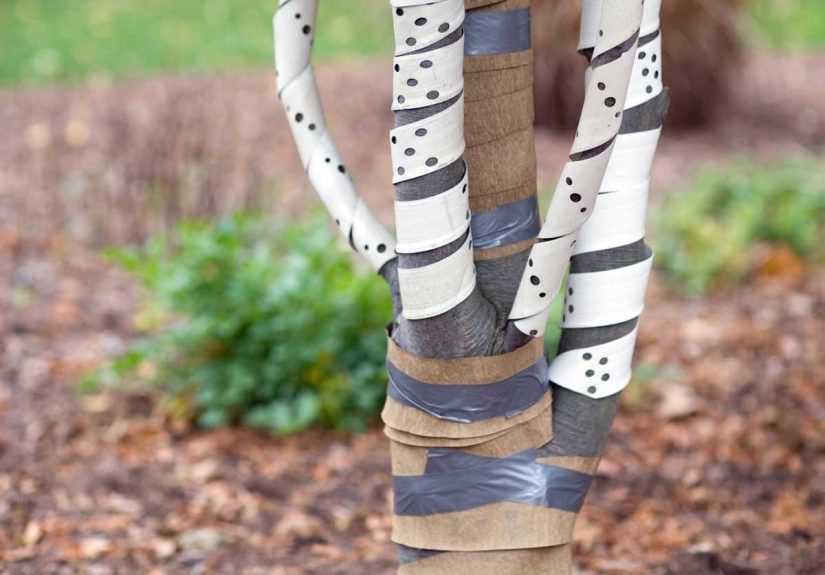
Tree wrap is a material wrapped around the trunk of a tree, usually from the base upward to the first set of main branches. It may be made from paper, breathable fabric, corrugated plastic, or flexible plastic guards. The goal is not to keep the tree “warm” like a sweater. That is the first myth to toss onto the compost pile.
The real job of tree wrap is to protect the trunk from sudden temperature swings and physical injury. Young trees with smooth, thin bark are especially vulnerable in winter. On sunny days, the south or southwest side of the trunk can heat up enough to wake dormant cells. Then nighttime temperatures drop, those cells freeze, and the bark is injured. That damage is commonly called sunscald or southwest injury. It can also contribute to frost cracking.
Think of tree wrap less as a blanket and more as a shade system, bumper, and seasonal bodyguard rolled into one. It helps keep trunk temperature steadier and offers a little protection from rabbits, mice, voles, and careless lawn equipment.
Why Do Trees Need Wrap in the First Place?
1. To reduce sunscald and southwest injury
Sunscald is one of the main reasons homeowners use tree wrap. It typically shows up on the south or southwest side of the trunk, where winter sun hits hardest. Bark may look cracked, sunken, split, or discolored. Sometimes the damage is not obvious until spring, when the bark begins to peel or the wound becomes more pronounced.
Young deciduous trees are the most common candidates because their bark is thin and more easily damaged. A newly planted maple, crabapple, linden, redbud, apple tree, or other smooth-barked tree is much more likely to benefit from wrap than an older oak with thick, rugged bark that looks like it could survive a medieval siege.
2. To prevent frost cracks
When bark warms during the day and temperatures plunge at night, the outer and inner trunk tissues can expand and contract unevenly. That stress may lead to vertical cracks in the bark. Tree wrap helps reduce these dramatic temperature swings, which lowers the risk of cracking.
3. To protect against animal damage
Rabbits, mice, and voles are not trying to ruin your landscaping on purpose, but they do love tender young bark in winter. Some types of tree guards and wraps can discourage gnawing or rubbing. If rodents are your main problem, however, a mesh guard or hardware cloth cylinder is often a better long-term solution than a simple paper wrap.
4. To reduce minor mechanical damage
Lawn mowers and string trimmers cause a shocking amount of trunk damage. A wrap or guard can provide a buffer, especially for small trees in busy landscapes. That said, it should not become a permanent excuse to let power tools get reckless.
Which Trees Usually Benefit Most From Tree Wrap?
Tree wrap is most helpful for young, thin-barked trees, especially in colder climates or in open sites with strong winter sun. Common examples include:
- Maple
- Crabapple
- Linden
- Redbud
- Ginkgo
- Apple and other fruit trees
- Birch, cherry, peach, and other smooth-barked species
Recently planted trees are especially vulnerable because they are still getting established. They may also have less canopy to shade their own trunks. Trees in exposed sites, such as south-facing yards, windy lots, or locations near reflective snow and pavement, are more likely to need protection.
On the other hand, not every tree needs wrap. Mature trees with thick, corky, textured bark often do just fine without it. In fact, routine wrapping of all trees, all the time, is not recommended. This is one of those gardening jobs where “more” is not automatically “better.”
What Kind of Tree Wrap Should You Use?
You will generally see three common options:
Paper tree wrap
This traditional wrap is often made from kraft-style paper or crepe-like material. It is commonly used for winter trunk protection and is inexpensive. Some gardeners like it because it is simple and effective when used seasonally. The catch is that it must be removed on time and applied properly so it does not trap moisture or tighten against the bark.
White plastic or spiral tree guards
These guards are popular because they are easy to install and reflect sunlight well. They can also offer protection from nibbling animals and minor mechanical damage. Look for guards designed for airflow and expansion rather than tight, sealed plastic sleeves that cling to the trunk like a bad decision.
Breathable fabric or light-colored trunk guards
Some gardeners prefer breathable, light-colored materials that reflect sunlight while allowing air movement. These can work well as long as they are installed loosely and checked regularly.
Whatever you choose, keep these two rules in mind:
- Use a light-colored wrap or guard.
- Avoid black or dark-colored materials that absorb heat and can make trunk temperature swings worse.
How to Use Tree Wrap the Right Way
Step 1: Choose the right tree
Start with a young, thin-barked tree that is actually at risk. If the tree is newly planted, exposed to winter sun, or prone to rodent damage, wrapping may make sense. If it is a mature tree with thick bark, skip the drama and save the wrap for a tree that needs it more.
Step 2: Wait until late fall
The best time to apply tree wrap is in late fall, before severe winter temperature swings begin. In many regions, that means sometime in October or November. You want the wrap on before the coldest part of winter, not after damage has already happened.
Step 3: Start at the base
Begin wrapping at the bottom of the trunk, near the soil line. Work upward in a slightly overlapping spiral. Each layer should cover part of the one below it, creating even protection without huge gaps.
Step 4: Wrap up to the first main branches
Continue up to the first scaffold branches or major limbs. For many young landscape trees, that is enough. Fruit trees or especially vulnerable trunks may need the lower limbs protected as well, depending on exposure.
Step 5: Secure it gently
Fasten the wrap so it stays in place, but do not cinch it tightly against the bark. Tape or ties should secure the wrap to itself, not bite into the tree. The trunk still needs room for air movement and seasonal expansion.
Step 6: Remove it in spring
This is the step people forget, and trees never send thank-you notes about it. Remove the wrap in spring, usually after the last frost or when freezing nights are no longer a major threat. In many climates, that is around March or April.
Leaving wrap on through the growing season can trap moisture, invite insects, encourage disease, and even girdle the trunk as the tree grows. In other words, winter protection can become summer punishment.
How Long Should Tree Wrap Stay on a Tree?
For many newly planted trees, using wrap for the first two winters is enough. Thin-barked species may benefit from protection for three to five winters, or until the bark thickens and the canopy begins shading the trunk naturally.
There is no prize for wrapping a tree forever. The goal is to help it through its vulnerable years, not to turn it into a year-round fashion project.
Common Tree Wrap Mistakes to Avoid
Leaving it on all year
This is the biggest mistake. A wrap left on too long can hold moisture against the bark, create hiding places for pests, and constrict the trunk as it grows.
Using dark materials
Dark wraps absorb heat and can intensify the very temperature swings you are trying to prevent. Stick with white or other light colors.
Wrapping trees that do not need it
Not every tree requires a wrap. Mature thick-barked trees usually do not benefit much, and unnecessary wrapping just adds maintenance and risk.
Installing it too tightly
Tight wraps can rub bark, restrict growth, and eventually girdle the tree. Snug is fine. Squeezing the life out of the trunk is not.
Ignoring the real problem
If your issue is rabbits or voles, a rodent guard may work better than paper wrap. If your issue is drought stress, winter watering and mulch may be more important. Tree wrap is useful, but it is not magic tape for every trunk problem in the yard.
Are There Alternatives to Tree Wrap?
Yes, and in some situations they are even better.
- White trunk guards: Great for reflecting sunlight and protecting against minor gnawing.
- Hardware cloth or mesh cylinders: Better for serious rabbit or vole pressure.
- Mulch rings: Help conserve soil moisture and reduce mower damage, as long as mulch is kept away from direct contact with the trunk.
- Site planning: Plant susceptible trees where the trunk gets some winter shade.
- White interior latex paint for orchard trunks: Sometimes used on fruit trees to reflect sunlight, though it is more common in orchard settings than home landscapes.
In other words, the best winter tree protection plan is often a combination of good placement, proper watering, mulch, and the right kind of trunk protection.
How Do You Know if Tree Wrap Is Working?
You usually know by what does not happen. The trunk comes through winter without split bark, gnawed patches, or dramatic peeling on the southwest side. The tree heads into spring looking calm, not like it lost an argument with the weather.
Check the trunk when you remove the wrap. Healthy bark should look firm and intact. If you see soft spots, insect activity, trapped moisture, or constriction marks, the wrap was either the wrong material, left on too long, or installed poorly.
Final Thoughts: Is Tree Wrap Worth It?
Yes, when used for the right reason and on the right tree. Tree wrap is a practical, low-cost way to protect young, thin-barked trees from winter sunscald, frost cracks, and some animal or mechanical damage. But it is not a universal requirement, and it should never become permanent trunk decor.
If you remember only three things, make them these: use a light-colored wrap, apply it in late fall, and remove it in spring. That simple routine will solve most of the common problems and keep your young trees on track.
And if your tree could talk, it would probably say, “Thanks for the seasonal protection. Now please take it off before summer.” Trees are polite, but they do have boundaries.
Real-World Experiences With Tree Wrap
Homeowners often become believers in tree wrap after one memorable winter. A classic example is the newly planted maple in an open front yard. It looks perfectly fine through fall, survives the first few snowfalls, and then by late winter develops a vertical wound on the southwest side of the trunk. At first the bark just looks a little dull. By spring, it begins to crack and peel. Many gardeners do not realize until that moment that winter sun can damage bark almost like a surprise sunburn followed by a freeze. After wrapping the trunk the next winter, they often notice the tree comes through the season with much less stress.
Fruit tree growers tell similar stories. Young apple, peach, or cherry trees tend to be especially vulnerable because their bark is smooth and their trunks are often exposed. In home orchards, people frequently discover that the first two or three winters are the critical ones. A simple light-colored wrap or guard can mean the difference between a clean trunk and a lingering wound that takes years to close. Some gardeners also say that once the canopy fills in and shades the trunk more naturally, the need for wrap drops off dramatically.
There are also the cautionary tales, and these may be even more useful. One of the most common is the gardener who puts on wrap in November, congratulates themselves for being prepared, and then completely forgets about it until June. By then, the trunk may be damp underneath, insects may have moved in, and the wrap can begin to pinch the bark as the tree expands. This is why experienced growers treat wrapping as a seasonal task, not a one-time installation. Put it on in late fall, take it off in spring, repeat only as needed.
Another common experience involves rabbits and voles. Gardeners in snowy areas often assume tree wrap is only about sunscald, then discover little chew marks near the base of the trunk once winter food becomes scarce. In those cases, a basic wrap may help somewhat, but many people find that a sturdier white guard or mesh barrier gives better peace of mind. It is a good reminder that the “best” trunk protection depends on what your local winter is actually throwing at the tree: harsh sun, deep cold, hungry critters, or all three in one cheerful package.
Some people also learn that nursery wrap is not the same thing as long-term landscape protection. A young tree may arrive from the nursery with material around the trunk for shipping or temporary protection. New tree owners sometimes assume it should stay there indefinitely. Later, when they remove it, they may find hidden wounds or moisture problems underneath. The better habit is to inspect that trunk early, choose a proper seasonal wrap only if needed, and keep an eye on it over time.
The most useful real-world lesson is probably this: tree wrap works best when it is part of a bigger care routine. Gardeners who see the best results usually do more than wrap. They water well before the ground freezes, keep mulch away from the trunk, protect roots, and avoid mower damage. In that context, tree wrap is not a miracle gadget. It is simply one smart tool in a well-run yard. And honestly, that is usually how the best garden fixes work: less magic, more timing.