Table of Contents >> Show >> Hide
- What the Study Found
- Why Red Meat May Affect Type 2 Diabetes Risk
- What Counts as Red Meat?
- Red Meat Is Only One Risk Factor
- So, Should You Stop Eating Red Meat Completely?
- Smarter Protein Swaps That Still Taste Like Real Food
- How to Lower Your Risk Beyond the Plate
- Real-World Experiences: What This Looks Like in Everyday Life
- Final Takeaway
If your weekly meal plan includes a burger on Friday and steak on Sunday, you are not exactly dining like a movie villain. But according to a major Harvard-led study, even two servings of red meat a week may be linked to a higher risk of developing type 2 diabetes. That headline may sound dramatic, but the bigger story is more useful than scary: your long-term diabetes risk is shaped by patterns, portions, and what you choose most often, not by one lonely taco night.
Type 2 diabetes does not appear overnight like an unwelcome pop quiz. It usually develops over time as the body becomes less responsive to insulin, the hormone that helps move sugar from the bloodstream into cells. Diet is only one piece of the puzzle, but it is a big one. And when red meat shows up often, especially processed red meat, it may bring along some less-than-helpful companions like saturated fat, sodium, preservatives, and a tendency to crowd out more fiber-rich foods.
This article breaks down what the research actually found, why red meat may matter, how processed and unprocessed meats differ, and what practical swaps can help lower risk without making dinner feel like punishment. Because good nutrition advice should improve your life, not make you fear the barbecue tongs.
What the Study Found
The study behind the headline was not a tiny internet survey answered by six people and one guy who thought “legume” was a video game character. Researchers analyzed data from more than 216,000 adults in long-running U.S. health studies and tracked diet over decades. The takeaway was clear: people who ate more red meat had a higher risk of developing type 2 diabetes, and the risk climbed as intake increased.
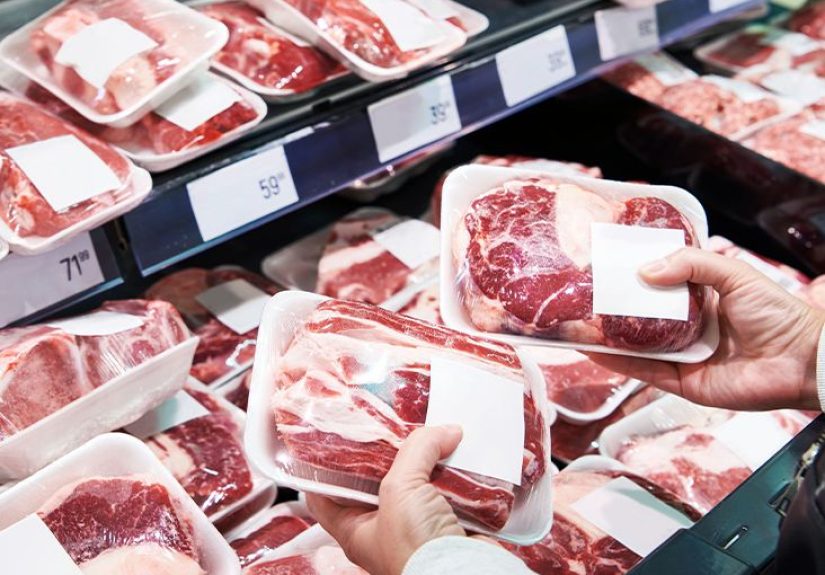
Most attention went to one especially eye-catching finding: eating about two servings of red meat per week was associated with higher diabetes risk compared with eating less. Researchers also found that processed and unprocessed red meat were both linked with increased risk, with processed meat generally looking worse. That matters because “red meat” is not just steakhouse glamour. It includes everyday foods like bacon, sausage, hot dogs, ham, burgers, meatballs, and deli meats that sneak into breakfast, lunch, snacks, and dinner before you can say, “Wait, that counts too?”
Another important point: the study did not stop at warning people. It looked at substitutions. When red meat was replaced with foods such as nuts, legumes, and modest amounts of dairy, diabetes risk appeared lower. That is a much better message than “never eat this again.” Nutrition works best when it gives you a road map, not just a lecture.
Association, Not Destiny
The study was observational, which means it found a strong association, not ironclad proof that red meat directly causes type 2 diabetes. That distinction matters. People who eat more red meat may also differ in other ways, such as exercise habits, overall diet quality, sleep, stress, or body weight. Researchers try to adjust for those factors, but real life is messy. Human beings do not live in laboratory drawers.
Still, observational evidence becomes more persuasive when it is large, long-term, consistent, and supported by other research. That is what makes this study worth paying attention to. It does not mean your next burger is destiny. It does mean your weekly pattern deserves a closer look.
Why Red Meat May Affect Type 2 Diabetes Risk
Red meat is nutritionally complex. It provides protein, iron, zinc, and vitamin B12. So this is not a cartoon where red meat twirls a mustache and cackles in the moonlight. But some features of red and processed meat may help explain why higher intake is linked with worse metabolic outcomes.
Saturated Fat and Insulin Resistance
Many red meat choices, especially fattier cuts and processed options, are higher in saturated fat. Diets high in saturated fat may contribute to insulin resistance, meaning the body’s cells do not respond to insulin as effectively. When that happens, blood sugar control becomes harder. Over time, the pancreas has to work harder to keep up, and eventually that system can start to fail.
This is one reason many diabetes-friendly eating plans emphasize fish, beans, lentils, tofu, nuts, seeds, and leaner proteins more often than fatty red meat. It is not only about calories. It is also about the type of fat that regularly shows up on your plate.
Processed Meat Brings Extra Baggage
Processed meats like bacon, sausage, deli meats, pepperoni, and hot dogs often contain added sodium, preservatives, and compounds formed during processing. These foods also tend to be easy to overeat because they are convenient, hyper-palatable, and somehow always one slice away from “just a little more.”
From a health perspective, processed meat often performs worse than unprocessed meat in research on chronic disease risk. So while both categories deserve moderation, a bacon-heavy breakfast routine is not doing your future self many favors.
What Red Meat Replaces Matters Too
Here is the part many headlines skip: risk is not just about what you remove. It is also about what you add. Replacing red meat with fiber-rich plant proteins can improve the overall quality of your diet. Beans, lentils, chickpeas, tofu, tempeh, edamame, nuts, and seeds often bring fiber, healthy fats, and other nutrients that support blood sugar control and fullness.
That means the benefits may come from both directions: less of the stuff linked to higher risk and more of the foods linked to better metabolic health. Nutrition loves a two-for-one special.
What Counts as Red Meat?
Red meat generally includes beef, pork, lamb, veal, and similar meats. It can be divided into two basic categories:
Unprocessed Red Meat
This includes fresh or minimally processed cuts such as steak, pork chops, lamb, roast beef, and ground beef that has not been cured or smoked.
Processed Red Meat
This includes meats preserved by smoking, curing, salting, or chemical additives. Think bacon, sausage, ham, salami, pepperoni, hot dogs, and many deli meats.
If you are trying to lower type 2 diabetes risk, processed meat is the category most worth shrinking first. It often delivers the least nutritional upside and the most health baggage.
Red Meat Is Only One Risk Factor
Now for the important reality check: type 2 diabetes is not caused by one food. Red meat intake can be part of the picture, but it is not the whole photo album. Other major risk factors include carrying excess weight, physical inactivity, prediabetes, family history, age, high blood pressure, a history of gestational diabetes, and certain racial or ethnic risk patterns identified in public health research.
That is why someone who eats red meat occasionally, exercises regularly, sleeps well, maintains a healthy weight, and has strong metabolic health is in a different position from someone whose diet is heavy in processed food, sugary drinks, and daily fast food with very little movement. Context matters. Your body keeps score on the entire lifestyle, not just the sandwich filling.
It is also worth noting that type 2 diabetes can develop quietly. Common symptoms may include increased thirst, frequent urination, fatigue, blurred vision, numbness or tingling in the hands or feet, and sores that are slow to heal. Some people have no obvious symptoms at all, which is why screening matters, especially if you have risk factors or a history of prediabetes.
So, Should You Stop Eating Red Meat Completely?
Not necessarily. This is where the internet usually splits into two teams: “Never touch a burger again” and “My great-uncle ate bacon every morning and lived to 97.” Neither side is terribly useful.
A more reasonable takeaway is this: make red meat less frequent, keep portions sensible, choose leaner cuts when you do eat it, and cut back hard on processed varieties. If red meat is a once-in-a-while food rather than a daily habit, your overall diet gets a lot more room for vegetables, legumes, whole grains, fish, and other foods linked with better long-term health.
If you currently eat red meat most days, you do not need a dramatic breakup speech. Try a gradual shift. Swap one or two meals a week first. Make chili with beans and turkey. Use lentils in pasta sauce. Grill salmon instead of steak once a week. Build taco night around black beans and avocado. Keep the flavor, change the pattern.
Smarter Protein Swaps That Still Taste Like Real Food
Healthy swaps do not have to feel like culinary punishment. Here are some practical ways to reduce red meat without making dinner depressing:
Instead of a Bacon-and-Sausage Breakfast
Try eggs with black beans, Greek yogurt with nuts, or oatmeal with chia seeds and peanut butter. Your blood sugar may thank you, and your skillet might finally get a day off.
Instead of Beef Burgers Every Weekend
Rotate in turkey burgers, salmon burgers, bean burgers, or grilled portobello sandwiches. You can still keep the toppings. No one is coming to confiscate the pickles.
Instead of Deli Meat Every Day
Try hummus and veggies, tuna salad, grilled chicken, roasted chickpeas, or tofu wraps. Deli meat is convenient, but so is not building your lunch around processed sodium confetti.
Instead of Meat-Heavy Pasta
Use lentils, mushrooms, white beans, or a smaller amount of lean meat mixed with vegetables. The goal is not necessarily zero meat. The goal is a healthier ratio.
How to Lower Your Risk Beyond the Plate
Food matters, but it works best as part of a bigger strategy. If you want to lower your type 2 diabetes risk, pair better eating patterns with regular physical activity, healthy sleep, weight management if needed, and routine checkups. Even a modest amount of weight loss can improve metabolic health in people with overweight or prediabetes.
And if you have already been told you have prediabetes, take that seriously without panicking. Prediabetes is a warning sign, not a life sentence. Many people can delay or prevent progression to type 2 diabetes through steady lifestyle changes. That includes changing what protein shows up on the plate most often.
Real-World Experiences: What This Looks Like in Everyday Life
When people hear that two servings of red meat a week may increase type 2 diabetes risk, the first reaction is often disbelief. “Two servings? That is not even my full weekend.” And honestly, that reaction makes sense. For many Americans, red meat is not an occasional treat. It is woven into routines, habits, memories, convenience, and comfort. Burgers at ball games, bacon at brunch, deli sandwiches at work, takeout pepperoni on Friday, steak for celebrations. Red meat often feels less like a food choice and more like background music.
One common experience is the “healthy enough” illusion. A person may skip soda, go on walks, and think they are doing pretty well, yet still eat bacon in the morning, deli meat at lunch, and beef at dinner several times a week. Then a routine blood test shows prediabetes. That is often the moment when the light bulb turns on. The issue was not just sugar. It was the entire pattern.
Another common experience is realizing that the toughest part is not knowledge, but habit. Plenty of people understand that beans, fish, nuts, and lentils are good choices. The problem is that red meat is familiar, easy to cook, and often the centerpiece of social eating. Someone may fully intend to cut back, then get invited to a cookout, walk past the smell of grilled burgers, and suddenly their noble quinoa plans disappear into the smoke like a magician’s trick.
There is also the “all-or-nothing” trap. Some people try to quit red meat overnight, hate every second of it, and give up by Thursday. The more successful experience is usually gradual. Start by replacing one meal a week. Then make it two. Then reduce processed meat first, since that is often the easiest place to improve health quickly. A person who swaps breakfast sausage for eggs and beans, and replaces one beef dinner with lentil chili, has already changed the pattern in a meaningful way.
Many people also discover that satiety improves when meals are built around fiber and protein together. A bean bowl with vegetables, avocado, brown rice, and salsa can be surprisingly filling. Greek yogurt with nuts can hold up better than a processed breakfast sandwich. Salmon with roasted vegetables may leave you feeling energized rather than sleepy enough to bond spiritually with the couch.
Families often report that the biggest breakthrough comes when they stop framing healthier meals as “diet food.” Chili can still be hearty. Tacos can still be fun. Pasta can still be comforting. The secret is not making meals smaller and sadder. It is making them smarter. More plants. Better fats. Less processed meat. More flexibility. Less drama.
And perhaps the most encouraging experience of all is this: people do not need perfect diets to make progress. They just need a better average. That is the real lesson behind the red meat and diabetes conversation. The goal is not to fear food. The goal is to build habits that make your future odds better, one ordinary meal at a time.
Final Takeaway
The headline is memorable for a reason: even two servings of red meat a week may be linked with a higher risk of type 2 diabetes. But the most useful takeaway is broader and more practical. Red meat, especially processed red meat, should probably play a smaller role in a diet built for long-term metabolic health. Meanwhile, foods like beans, lentils, nuts, seeds, fish, and other balanced protein choices deserve a bigger spotlight.
You do not need panic. You do not need perfection. You probably just need fewer “meat as default” meals and more variety on the plate. That shift may sound small, but over years, small patterns become big outcomes. And unlike fad diets, that is a plot twist actually worth keeping.