Table of Contents >> Show >> Hide
- Why menopause can make UTIs more common
- Can estrogen cream actually help with UTI relief?
- Who may benefit most from estrogen cream for UTI relief
- How estrogen cream works
- What forms are available?
- How to use estrogen cream
- How long does it take to notice a difference?
- Benefits beyond fewer infections
- Side effects and safety considerations
- When estrogen cream is not enough
- When to call a doctor right away
- Illustrative experiences women often describe
- Final thoughts
If you have reached the point where your bladder seems to send a “surprise sequel” every few weeks, you are not alone. Many women in perimenopause and menopause notice a frustrating pattern: more burning, more urgency, more bladder irritation, and way too many trips to urgent care. At first, it may look like bad luck. In reality, hormones often play a starring role.
That is where estrogen cream enters the conversation. Despite the name, it is not some magical frosting for the urinary tract. It is a prescription treatment used in and around the vagina to help restore tissue that has become thinner, drier, and more fragile after estrogen levels drop. For the right person, vaginal estrogen can help reduce the cycle of recurrent urinary tract infections, ease urinary discomfort tied to menopause, and make the whole neighborhood down there feel less dramatic.
Note: This article is for education only and is not a substitute for personal medical advice. Estrogen cream may help prevent recurrent UTIs in some peri- and postmenopausal women, but it does not replace antibiotics for a true active infection.
Why menopause can make UTIs more common
Before menopause, estrogen helps keep the tissues of the vagina, vulva, urethra, and bladder outlet healthy, stretchy, and well-lubricated. It also supports the vaginal environment, including the “good” bacteria that help keep harmful microbes from taking over. When estrogen levels fall, the tissue can become thinner, drier, less elastic, and easier to irritate. That change may sound small, but it can create the perfect setup for urinary symptoms and repeat infections.
This cluster of changes is often called genitourinary syndrome of menopause, or GSM. The name is a mouthful, but the symptoms are very recognizable: vaginal dryness, burning, pain with sex, painful urination, urinary urgency, frequency, and recurrent UTIs. In other words, menopause does not just throw a party with hot flashes. It may also hand your bladder an attitude problem.
The tissue-and-bacteria connection
When estrogen is low, the vaginal pH shifts and the balance of protective bacteria can change. That matters because the vagina and urinary tract are close neighbors. If the environment becomes less protective, bacteria are more likely to travel where they are not invited. This is one reason postmenopausal women with recurrent UTIs are often evaluated for estrogen-related tissue changes, not just handed another antibiotic and sent on their way.
Can estrogen cream actually help with UTI relief?
Yes, but there is an important distinction. Estrogen cream is mainly used to prevent recurrent UTIs and improve menopause-related urinary symptoms over time. It is not the fast-acting treatment for an active bladder infection with fever, severe burning, or a positive urine culture. If you already have a true UTI, you may still need an antibiotic or other medical treatment.
Think of vaginal estrogen as long-game bladder support. It helps rebuild the local tissue environment that menopause may have thinned out. As that tissue becomes healthier, some women have fewer infections, less irritation, and less of the maddening “Do I have a UTI again, or is everything just angry?” confusion.
For women with recurrent UTIs after menopause, this can feel like a major plot twist. Instead of repeatedly treating the fire, you are finally fixing the wiring.
Who may benefit most from estrogen cream for UTI relief
Vaginal estrogen is often considered for women who are in perimenopause or menopause and have one or more of the following:
- Frequent bladder infections, especially two in six months or three in a year
- Burning with urination when urine cultures are sometimes negative
- Vaginal dryness, itching, or irritation
- Pain with sex
- Urinary urgency or frequency that became more noticeable after hormone changes
- A feeling that the tissues are simply more sensitive, fragile, or uncomfortable than before
It may be especially helpful when repeated UTIs started around the same time as other menopause symptoms. That overlap is a clue that hormones may be contributing to the problem, rather than the bladder randomly deciding to become a full-time hobby.
How estrogen cream works
Estrogen cream is a form of local vaginal estrogen. Unlike systemic hormone therapy, which circulates more broadly through the body, vaginal estrogen is meant to work mostly in the tissues where it is applied. The goal is to restore moisture, thickness, flexibility, blood flow, and a healthier local environment.
As the tissue improves, several things may happen:
- The vaginal and urethral tissues become less dry and less easily irritated
- The local pH may shift in a healthier direction
- Protective bacteria may become more established
- Urinary burning and post-void irritation may improve
- The risk of repeat UTIs may go down
That is why many clinicians consider vaginal estrogen a core strategy for postmenopausal UTI prevention, not just a treatment for vaginal dryness.
What forms are available?
Even though this article focuses on estrogen cream for UTI relief, cream is not the only option. Local vaginal estrogen also comes as tablets, inserts, and rings. Some women love cream because the dose can be adjusted and the tissue near the vaginal opening can also be treated. Others prefer tablets or a ring because they are less messy and lower-maintenance.
Your clinician may recommend one based on your symptoms, convenience, insurance coverage, and medical history. Cream is popular, but it is not the only smart kid in class.
How to use estrogen cream
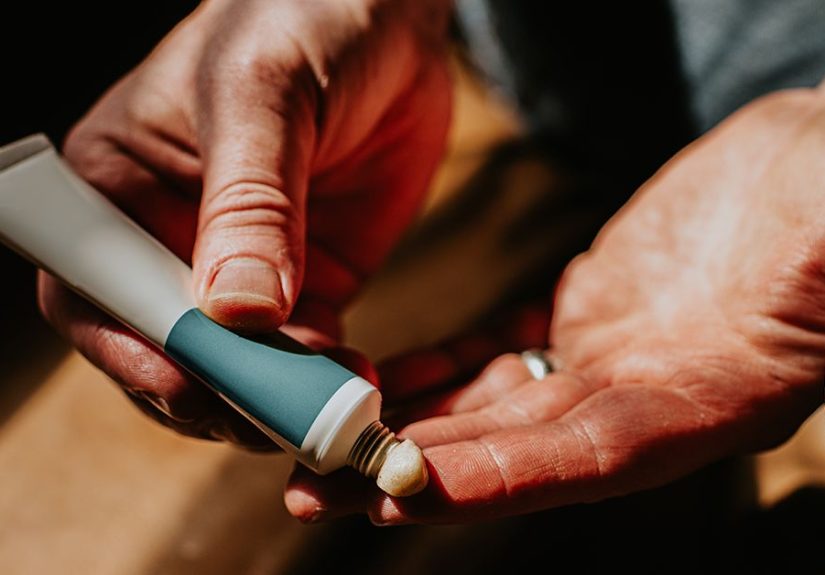
The exact directions depend on the product and your clinician’s plan, but treatment often starts with a “loading” phase followed by maintenance. A common pattern is daily use for the first couple of weeks, then a lower maintenance schedule a few times per week. Some prescriptions also include applying a small amount around the vaginal opening if that tissue is especially dry or irritated.
Because products vary, always follow the prescription label rather than copying a friend, a forum post, or your aunt who “read something once and now has thoughts.” Vaginal estrogen is one of those treatments where details matter.
Tips that make it easier
- Use it exactly as prescribed
- Try to use it at the same time of day
- Do not apply extra to “catch up” if you miss a dose unless your clinician tells you to
- Tell your doctor if you have irritation, bleeding, or trouble using the applicator
- Keep follow-up appointments so the dose can be adjusted if needed
How long does it take to notice a difference?
This is not an overnight fix. Vaginal estrogen usually works gradually. Some women notice less dryness or irritation within a few weeks, while better support against recurrent UTIs may take longer. The benefit often builds as the tissue recovers and the local environment becomes healthier.
That matters because people sometimes stop too soon. If you use it for five days and declare it a scam, you may be quitting before the treatment had a fair chance to do its job. For many women, the improvement is steady rather than dramatic.
Benefits beyond fewer infections
One of the best things about local estrogen is that it can improve more than one symptom at a time. A woman may start using it because of repeated UTIs and then realize she is also having less dryness, less stinging after urination, less urgency, and more comfort during sex. That does not mean it fixes everything, but it can meaningfully improve daily quality of life.
It also helps clinicians sort out what is actually happening. Sometimes what feels like “constant UTIs” turns out to be a mix of occasional infections plus untreated GSM. When the tissue improves, the whole picture becomes clearer.
Side effects and safety considerations
Local vaginal estrogen is often well tolerated, but it is still a prescription hormone treatment. Some women notice mild irritation, discharge, breast tenderness, or spotting. Any new vaginal bleeding after menopause deserves medical attention. You should also talk with your doctor before use if you have a history of breast cancer, blood clots, stroke, liver disease, unexplained vaginal bleeding, or if you could be pregnant.
If you are a breast cancer survivor, the conversation may be more individualized. In some cases, low-dose vaginal estrogen may still be considered after weighing risks, benefits, prior treatments, and specialist input. That decision should be made with your own clinicians, especially if you are on endocrine therapy such as an aromatase inhibitor.
Another practical note: some vaginal creams can affect latex products such as condoms or diaphragms. If pregnancy prevention is relevant, ask your clinician or pharmacist about the specific product you were prescribed.
When estrogen cream is not enough
If you keep getting UTIs despite treatment, do not assume you just need a bigger tube of cream and more optimism. Recurrent infections sometimes have other contributors, such as incomplete bladder emptying, pelvic organ prolapse, kidney stones, diabetes, bowel issues, sexual triggers, or resistant bacteria. In those cases, a urine culture, pelvic exam, bladder evaluation, or referral to gynecology or urology may help.
Your clinician might also recommend other strategies, such as hydration, reviewing birth control methods, targeted antibiotics, postcoital prevention, or checking whether your symptoms are actually from bladder pain, overactive bladder, yeast, or irritation rather than infection. Not every burning sensation is a bacterial villain.
When to call a doctor right away
Seek medical care promptly if you have fever, back or flank pain, nausea, vomiting, blood in the urine, new confusion, severe pelvic pain, or symptoms that are getting worse quickly. Those can signal a more serious infection or another condition that needs prompt treatment.
You should also contact your clinician if you start vaginal estrogen and develop persistent irritation, bothersome side effects, or postmenopausal bleeding.
Illustrative experiences women often describe
The experience of using estrogen cream for UTI relief is rarely dramatic on day one. More often, it sounds like this: “I did not realize how irritated everything had become until it started to calm down.” That is why real-world stories matter. They help set realistic expectations.
One common experience is the woman in her late 50s who starts getting “UTIs” out of nowhere after years of having none. She notices burning after urination, a constant urge to go, and infections that seem to return the second antibiotics end. Her clinician points out vaginal dryness and tissue thinning, prescribes estrogen cream, and within a month or two the pattern begins to shift. The first thing she notices is not fewer infections. It is that the daily irritation is less intense. Then the urgent-care visits become less frequent. For her, the relief feels less like a miracle and more like finally getting off a hamster wheel.
Another common story is the woman who is not sure whether she has UTIs at all. She has burning, stinging, pressure, and discomfort with sex, but urine tests are sometimes negative. After starting vaginal estrogen, she realizes the issue was not only infection. It was also untreated GSM. In her case, the cream does not just help with bladder symptoms. It makes walking, wiping, intimacy, and everyday comfort easier. That kind of improvement can be surprisingly emotional because many women assume they simply have to “put up with” these changes.
There is also the woman who worries about hormones and delays treatment for months because the word estrogen sounds bigger and scarier than it is. Once she finally talks through the risks and benefits with her doctor, she starts using a low-dose local product and wonders why she spent so long suffering in silence. Her takeaway is not that estrogen is right for everyone. It is that an informed discussion beats internet panic every single time.
Some women do find the cream messy at first. They may prefer a tablet or ring later. Others like the cream precisely because it can be applied to the opening of the vagina, where dryness and burning often hit hardest. A few notice mild irritation early on and need a dose adjustment, a different formula, or a different delivery method. That does not mean the overall approach failed. It may simply mean the product needs to fit the person.
Then there is the woman with a more complex history, such as breast cancer treatment, pelvic surgery, or multiple bladder conditions at once. Her experience may involve more caution, more specialist input, and slower decision-making. But even then, the conversation around local estrogen can be valuable because it opens the door to treating menopause-related urinary symptoms in a more targeted way. The biggest emotional theme across these experiences is relief at being taken seriously. Many women say the most helpful moment was hearing that recurrent UTIs after menopause are common, treatable, and not “just part of getting older.”
Final thoughts
Using estrogen cream for UTI relief can be a smart, evidence-based option for peri- and postmenopausal women with recurrent infections or urinary discomfort tied to low estrogen. The key is understanding what it does best: it helps restore the local tissue environment, reduce irritation, and lower the risk of future UTIs over time. It is not a substitute for diagnosing an active infection, but it can be a very useful part of a long-term plan.
If you have been stuck in the loop of antibiotics, burning, urgency, and déjà vu, ask whether vaginal estrogen should be part of the conversation. Sometimes the bladder problem is not just a bladder problem. Sometimes it is menopause showing up in a very rude disguise.