Table of Contents >> Show >> Hide
- What Is Visceral Fat, Exactly?
- Why Too Much Visceral Fat Is a Health Problem
- How Do You Know If You Have Too Much Visceral Fat?
- How to Get Rid of Visceral Fat
- 1. Build a Calorie Deficit Without Going Full Chaos
- 2. Cut Back on Sugary Drinks and Liquid Calories
- 3. Prioritize Protein and Fiber at Meals
- 4. Exercise Regularly, Even If You Do Not Love It Yet
- 5. Forget Spot Reduction
- 6. Sleep Like It Is Part of the Plan, Because It Is
- 7. Manage Stress Before Stress Manages the Snack Drawer
- 8. Watch Alcohol Intake
- When Lifestyle Changes Are Not Enough
- Common Mistakes People Make When Trying to Lose Visceral Fat
- A Real-World Perspective: What the Experience of Losing Visceral Fat Often Feels Like
- Final Thoughts
- SEO Tags
Visceral fat is the ultimate sneaky houseguest. It does not sit politely under the skin where you can pinch it and grumble about your jeans. Instead, it hides deep inside your abdomen, wrapping itself around organs like the liver, pancreas, and intestines. Out of sight, yes. Out of trouble? Absolutely not.
That is why visceral fat gets so much attention from doctors, researchers, and every health article that has ever tried to save us from our own snack habits. This type of fat is linked to a higher risk of heart disease, type 2 diabetes, fatty liver disease, metabolic syndrome, sleep problems, and more. The good news is that visceral fat is also one of the more responsive types of fat. In plain English: it can shrink when you build healthier habits, even if you never become a kale poet.
This guide explains what visceral fat is, why it matters, how to tell whether you may have too much of it, and the smartest ways to reduce it without falling into the usual trap of miracle teas, “fat-burning” gadgets, or a diet plan that makes you fear bananas.
What Is Visceral Fat, Exactly?
Visceral fat is fat stored deep within the abdominal cavity. Unlike subcutaneous fat, which sits just under the skin, visceral fat surrounds internal organs. Everyone has some of it, and that is normal. Your body uses fat for energy storage, insulation, and organ protection. The problem begins when visceral fat starts piling up in excess.
Visceral Fat vs. Subcutaneous Fat
Think of body fat as having two main neighborhoods. Subcutaneous fat is the visible, pinchable fat under the skin. It can show up on the thighs, hips, arms, or abdomen. Visceral fat is the deeper “inside job.” You cannot pinch it, and that is part of what makes it tricky. A person can have a fairly average body size and still carry a risky amount of visceral fat around the middle.
That is why waist size matters. A person does not need to look obviously overweight to have excess abdominal fat. Body shape, hormones, age, stress, sleep, activity level, and genetics all play a role in where fat gets stored.
Why Visceral Fat Acts More Dangerous Than Other Fat
Visceral fat is not just sitting there, minding its business. It is metabolically active, which means it releases hormones and inflammatory substances that can affect how your body handles blood sugar, cholesterol, and blood pressure. This helps explain why excess visceral fat is associated with insulin resistance and a higher risk of cardiometabolic disease.
In other words, visceral fat is not just extra padding. It behaves more like an overdramatic coworker who keeps sending disruptive emails to the whole office.
Why Too Much Visceral Fat Is a Health Problem
Excess visceral fat is strongly associated with several major health conditions. That long list is one reason doctors care more about abdominal fat than the number on the scale alone.
1. Type 2 Diabetes and Insulin Resistance
Visceral fat is closely linked to insulin resistance, a condition in which the body has trouble using insulin effectively. That can lead to rising blood sugar and eventually type 2 diabetes. This is one of the most well-established concerns tied to belly fat.
2. Heart Disease and Stroke
High visceral fat is linked to higher blood pressure, unhealthy blood lipid levels, vascular dysfunction, and greater cardiovascular risk. Even people with a “normal” BMI may face elevated risk if they carry too much abdominal fat.
3. Fatty Liver Disease
When excess fat accumulates around the abdomen, the liver often feels the consequences. Visceral fat is associated with nonalcoholic fatty liver disease, which can progress silently for years before showing up on lab work or imaging.
4. Metabolic Syndrome
Large waist circumference is one of the hallmark features of metabolic syndrome, along with high blood pressure, elevated blood sugar, high triglycerides, and low HDL cholesterol. This cluster of risk factors sharply raises the chances of diabetes and heart disease.
5. Sleep Problems and Inflammation
Excess abdominal fat is also associated with sleep apnea and chronic low-grade inflammation. And because poor sleep can worsen visceral fat accumulation, the whole thing can become a frustrating loop: bad sleep promotes belly fat, and belly fat can make sleep worse. Very rude of it, honestly.
How Do You Know If You Have Too Much Visceral Fat?
You usually cannot tell exactly how much visceral fat you have just by looking in the mirror. The gold-standard ways to measure it involve imaging tests such as CT scans or MRI. Those tests are accurate, but they are not practical for routine check-ins.
In real life, healthcare professionals usually look at simpler markers.
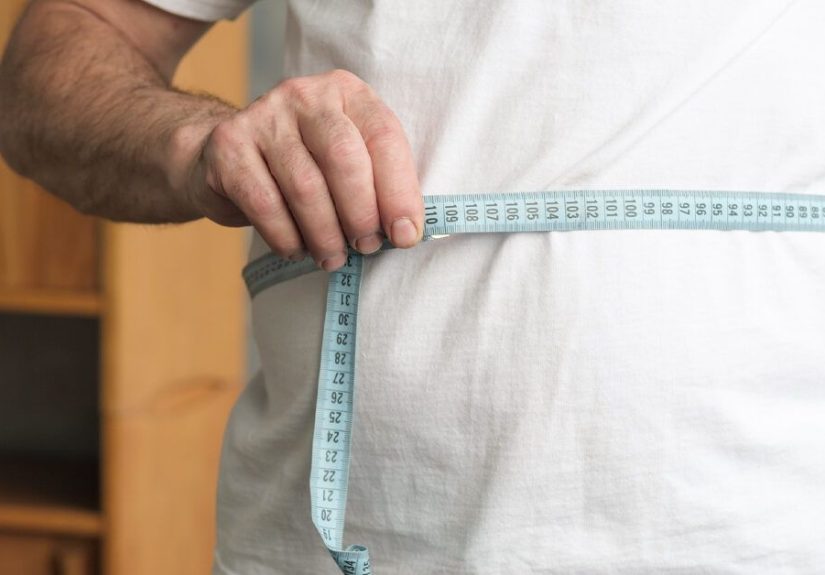
Waist Circumference Is the Most Useful At-Home Clue
A waist measurement can help estimate health risk related to abdominal fat. In general, a waist circumference above 35 inches for women and above 40 inches for men is considered higher risk in many adult guidelines. It is not a perfect measure, but it is far more informative than pretending your scale tells the whole story.
BMI Helps, But It Is Not the Whole Story
Body mass index, or BMI, can provide a rough screening tool for overall weight-related risk. But BMI does not show where fat is stored. Two people can have the same BMI and very different levels of visceral fat. One may store more fat in the hips and thighs, while another stores more in the abdomen. Same BMI, very different metabolic plot twist.
There Are Not Always Obvious Symptoms
Many people with excess visceral fat feel completely fine until related problems begin showing up, such as rising blood sugar, high blood pressure, high triglycerides, low energy, or fatty liver on lab work. That is why prevention matters. Waiting for symptoms is not a great strategy when your body is sending silent invoices.
How to Get Rid of Visceral Fat
Here is the part everyone wants: how do you reduce visceral fat? The answer is refreshingly unglamorous. There is no single food, supplement, or ab workout that melts it overnight. The most effective approach is consistent lifestyle change that lowers total body fat and improves metabolic health.
1. Build a Calorie Deficit Without Going Full Chaos
To lose fat, your body generally needs to use more energy than it takes in over time. That does not mean you need a crash diet, tiny portions, or a personality built entirely around boiled chicken. In fact, extreme restriction often backfires.
A better strategy is to create a modest, sustainable calorie deficit by improving meal quality and portion balance. Focus on:
- Vegetables and fruits
- Beans, lentils, and other high-fiber foods
- Whole grains instead of heavily refined grains
- Lean proteins such as fish, eggs, tofu, chicken, Greek yogurt, or beans
- Healthy fats in moderate portions, such as nuts, seeds, avocado, and olive oil
High-fiber foods can help you stay full longer, which makes it easier to eat less without feeling like you are starring in a survival documentary.
2. Cut Back on Sugary Drinks and Liquid Calories
One of the simplest high-impact changes is reducing sugary beverages. Soda, sweet tea, energy drinks, and many coffee drinks add calories quickly without doing much for fullness. Liquid sugar is basically the overenthusiastic party guest of weight gain: loud, unnecessary, and somehow always first to arrive.
Swapping those drinks for water, sparkling water, unsweetened tea, or lower-sugar options can reduce daily calorie intake without making meals feel depressing.
3. Prioritize Protein and Fiber at Meals
Meals built around protein and fiber tend to be more satisfying. A lunch of grilled chicken, brown rice, and vegetables is more likely to keep you steady than a giant pastry and a vague promise to “eat better tomorrow.” Balanced meals also help reduce the snack spiral that begins at 3:17 p.m. and ends with a mysterious empty bag of chips.
4. Exercise Regularly, Even If You Do Not Love It Yet
Physical activity is one of the best tools for reducing visceral fat. Federal guidelines recommend at least 150 minutes of moderate-intensity aerobic activity per week, plus muscle-strengthening activity on at least two days per week. That could mean brisk walking, cycling, swimming, dancing, resistance bands, weight training, or a workout video you pretend not to enjoy.
Cardio helps burn calories and improve heart health. Strength training helps preserve or build muscle, which supports metabolism and long-term weight management. The best routine is the one you can actually repeat next week.
5. Forget Spot Reduction
Hundreds of crunches can strengthen your abs, but they will not selectively remove visceral fat. That is one of the most persistent myths in fitness. You cannot command your body to burn fat from one exact area like a GPS route. Fat loss happens systemically.
So yes, train your core if you want better strength and posture. Just do not expect sit-ups to send an eviction notice to abdominal fat on their own.
6. Sleep Like It Is Part of the Plan, Because It Is
Sleep is not a bonus feature. It is part of weight and metabolic health. Poor sleep can disrupt hormones that regulate hunger, increase cravings, reduce exercise motivation, and may promote greater visceral fat storage. Adults should treat consistent, adequate sleep as seriously as they treat diet and exercise.
If you sleep five hours, feel stressed, skip breakfast, and then wonder why you are eating crackers over the sink at midnight, your body is not betraying you. It is exhausted.
7. Manage Stress Before Stress Manages the Snack Drawer
Chronic stress can influence eating habits, activity, sleep, and hormones. Stress does not magically create belly fat on its own, but it absolutely helps set the stage for behaviors that drive it. Helpful tools include walking, journaling, breathing exercises, therapy, realistic scheduling, and saying “no” more often to things that drain you.
Stress management is not fluff. It is infrastructure.
8. Watch Alcohol Intake
Alcohol can add a surprising number of calories and may make it easier to overeat. Many people also notice that drinking is closely followed by less sleep, worse food choices, and a mysterious attraction to late-night fries. If reducing visceral fat is the goal, cutting back on alcohol can help more than people expect.
When Lifestyle Changes Are Not Enough
For some adults, lifestyle change alone may not be enough, especially when obesity is severe or when related conditions such as type 2 diabetes, sleep apnea, or heart disease are already present. In those cases, medical treatment may be appropriate.
Prescription Weight-Loss Medications
Prescription medications may help some adults with overweight or obesity, particularly when health conditions are involved. These medicines are not cosmetic shortcuts. They are medical tools that should be used with a healthcare professional and alongside nutrition, activity, sleep, and behavior changes.
Bariatric Surgery
Metabolic or bariatric surgery may be recommended for some adults with severe obesity or serious obesity-related health problems when other strategies have not worked well enough. Surgery is not the “easy way out.” It is major medical care, and for the right person, it can be life-changing.
Common Mistakes People Make When Trying to Lose Visceral Fat
- Going too hard too fast: Extreme plans are hard to maintain.
- Obsessing over the scale only: Waist size, energy, blood pressure, labs, and fitness all matter too.
- Believing supplements will do the heavy lifting: Most “belly fat burners” are mostly hype in a shiny bottle.
- Skipping strength training: Muscle matters for long-term progress.
- Ignoring sleep and stress: These quietly shape appetite, energy, and consistency.
A Real-World Perspective: What the Experience of Losing Visceral Fat Often Feels Like
Experiences related to visceral fat are usually a lot less dramatic than social media makes them look. There is rarely a magical Monday when someone wakes up, drinks celery juice, and suddenly becomes a beacon of metabolic balance by Thursday. Real progress tends to look ordinary, repetitive, and surprisingly human.
A common experience starts with something indirect. Maybe a person goes in for a routine physical and hears that their blood sugar is creeping up. Maybe their doctor mentions elevated triglycerides, borderline blood pressure, or a waist measurement that has quietly expanded over the years. Sometimes the wake-up call is not a number at all. It is getting winded on stairs, sleeping poorly, or realizing afternoon fatigue has become a daily roommate.
Then comes the first awkward phase: trying to figure out which advice is real and which advice was clearly written by a protein powder in a trench coat. People often bounce between extremes at first. They cut carbs entirely, swear off dinner, buy expensive supplements, or attempt workouts that feel like punishment. Usually, that phase ends the same way: with exhaustion, frustration, and a pizza that somehow becomes symbolic.
The more successful experiences are usually built on boring, excellent habits. Walking after dinner. Cooking at home more often. Eating breakfast with protein instead of grabbing whatever pastry is nearest. Lifting weights twice a week. Going to bed earlier. Drinking fewer calories. Not glamorous, but extremely effective.
Many people also report a strange milestone: their first visible success is not their stomach. It is better sleep, steadier energy, fewer cravings, lower blood pressure, or lab results that start moving in the right direction. Clothes fit differently before the mirror seems to notice. That can be mentally challenging because culture teaches people to chase appearance first, while the body is often improving internally before it sends obvious visual proof.
Another common experience is discovering that consistency matters more than intensity. Missing one workout does not ruin anything. Eating dessert does not summon instant doom. What matters is the overall pattern. People who make peace with that tend to last longer than people who treat every meal like a moral test.
There is also an emotional side to reducing visceral fat that does not get discussed enough. Some people feel angry that they were told to “just try harder” when sleep deprivation, stress, hormones, medications, or busy family schedules were clearly part of the story. Others feel relieved when they learn that belly fat is not simply a willpower issue. It is influenced by biology, environment, and habits interacting over time.
In the long run, the most encouraging experience is often this: progress becomes less about shrinking your middle and more about expanding your capacity. You move better. You feel stronger. Lab numbers improve. Your brain is less foggy. You trust yourself more. That is the kind of result worth keeping.
Final Thoughts
Visceral fat is common, hidden, and far more important than its lack of public manners suggests. Because it sits deep around internal organs and influences metabolic health, too much of it can raise the risk of diabetes, heart disease, fatty liver disease, and other serious conditions.
But this is not a doom story. Visceral fat responds to practical changes: better nutrition, regular physical activity, strength training, adequate sleep, stress management, and fewer sugary drinks and excess alcohol calories. No gimmicks required. No six-pack obsession necessary. The goal is not perfection. The goal is a healthier body that works better, feels better, and gives your internal organs a little more breathing room.
If you are concerned about abdominal fat, waist size, or weight-related health risks, a healthcare professional can help you evaluate the bigger picture and build a plan that actually fits your life. Your liver, pancreas, heart, and future self will likely be big fans of that decision.