Table of Contents >> Show >> Hide
- What Are Cooties?
- Are Cooties Real?
- The Real History Behind the Word “Cooties”
- How Cooties Became a Playground Legend
- The Famous Cootie Shot
- Cooties, Germs, and Real Hygiene
- What About Head Lice?
- Why Do Kids Say Other Kids Have Cooties?
- When Cooties Stop Being Funny
- Do Adults Still Use the Word Cooties?
- Are Cooties the Same as Germs?
- How Parents Can Talk to Kids About Cooties
- What Cooties Teach Us About Childhood
- Common Myths About Cooties
- Real-Life Experiences Related to Cooties
- Conclusion: So, What Are Cooties Really?
- SEO Tags
Some childhood mysteries are universal. Why does glue smell weird? Why does the cafeteria milk always taste like it has a secret? And, most importantly, what are cooties? For generations of American kids, “cooties” have been treated like the invisible plague of the playground: highly contagious, socially dramatic, and apparently transmitted by touching someone from “the other side” of the classroom. One accidental hand brush during tag, and suddenly everyone is screaming like a tiny medieval village has discovered a dragon.
But are cooties real? The answer is both no and yes, which is exactly the kind of answer that makes adults sound suspicious. Cooties, as children use the word today, are not a real medical disease. There is no official cootie virus, no cootie test, and no pediatrician handing out “circle, circle, dot, dot” prescriptions. However, the word has a surprisingly real history connected to lice, wartime slang, germs, childhood social rules, and the way kids use humor to understand boundaries.
In other words: cooties are fake as an illness, real as a cultural idea, and weirdly useful as a window into childhood. Let’s scratch beneath the surfacegently, because we are not trying to start a lice panic.
What Are Cooties?
In modern American English, cooties usually refers to an imaginary childhood disease. Kids jokingly say someone “has cooties” when they want to avoid touching them, tease them, or turn ordinary social awkwardness into a dramatic public-health emergency. The word often appears in playground games, classroom jokes, and childhood rituals like the famous “cootie shot.”
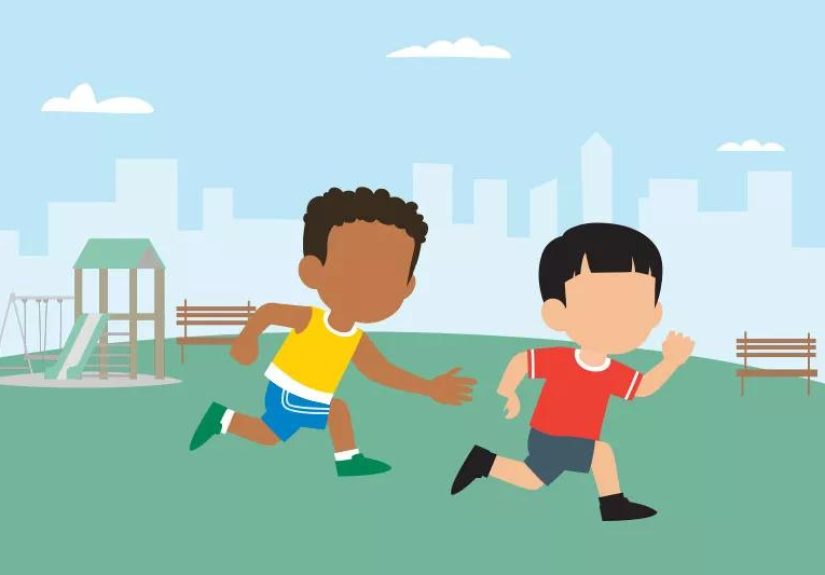
The classic version goes like this: a child touches another child, often someone of the opposite gender, and then announces, “You have cooties!” The newly “infected” child may chase others, pass it on, or demand immediate protection through a pretend vaccine made with finger circles and dots. The whole thing is medical nonsense, but socially it makes perfect playground sense. Kids are practicing rules about space, friendship, teasing, attraction, embarrassment, and group belongingall while yelling.
That is why cooties are more than a silly word. They are part of children’s folklore, meaning traditions, jokes, games, chants, and stories passed from child to child. Adults do not usually sit children down and formally teach Cooties 101. Kids learn it from each other, the way they learn knock-knock jokes, jump-rope rhymes, secret handshakes, and which lunch table has the best snack-trading economy.
Are Cooties Real?
No, cooties are not real as a disease. There is no recognized medical condition called cooties. You cannot catch cooties from holding hands, sitting next to someone, sharing crayons, or being forced to dance with a classmate at a school event that everyone will pretend never happened.
However, the idea of cooties is loosely connected to real concerns: germs, parasites, hygiene, and contagious illness. Children often hear adults talk about washing hands, avoiding coughs, not sharing drinks, and staying home when sick. Cooties turn those serious health lessons into a child-sized comedy routine. Instead of saying, “I am uncomfortable with physical closeness,” a kid says, “Eww, cooties!” It is not scientifically accurate, but it is emotionally efficient.
Real germs do exist. Viruses and bacteria can spread through coughs, sneezes, body fluids, contaminated surfaces, and close contact. Head lice are also real, and they spread most often through direct head-to-head contact. But imaginary cooties do not follow any biological rules. They can appear instantly, disappear after a chant, and somehow target crushes, rivals, and annoying cousins with suspicious precision.
The Real History Behind the Word “Cooties”
The funny part is that “cooties” did not begin as a harmless playground joke. Historically, the word was used as slang for lice, especially body lice. During World War I, soldiers used “cooties” to describe the miserable insects that infested uniforms, bedding, and trenches. In that context, cooties were not adorable. They were itchy, persistent, and about as welcome as a tuba solo at bedtime.
Body lice were a serious problem in trench warfare because soldiers often lived in cramped, dirty, damp conditions where changing clothes and bathing could be extremely difficult. Lice caused itching and irritation, and some lice can spread disease. Soldiers joked about them because humor is one way people survive terrible circumstances. The word eventually moved from military slang into everyday language.
By the early twentieth century, cooties had entered American popular culture. Games, jokes, and children’s sayings helped transform the word from a wartime pest into an imaginary childhood contagion. Over time, the meaning softened. What began as a real parasite became a pretend “disease” that kids used to tease each other on playgrounds.
How Cooties Became a Playground Legend
Cooties spread through childhood culture because they are simple, flexible, and hilarious. A child does not need equipment, a rulebook, or Wi-Fi. The entire game can begin with one pointed finger and one dramatic accusation: “You have cooties!” That is efficient entertainment. Hollywood wishes it had that kind of production budget.
Cooties also work because they create instant drama. Someone is “infected.” Someone else must run away. A cure may be required. Alliances form. Betrayals happen. A best friend may suddenly become a biohazard because they touched the wrong person near the swings. The stakes are imaginary, but the social energy is real.
Children’s folklore often survives because it helps kids explore complicated topics in a playful way. Cooties can be about fear of germs, but they can also be about early awkwardness between boys and girls, social boundaries, teasing, popularity, and the strange discovery that other people have feelings, personal space, and sometimes very sticky hands.
The Famous Cootie Shot
No discussion of cooties is complete without the legendary cootie shot. The most famous version includes the chant: “Circle, circle, dot, dot, now you’ve got your cootie shot.” A child traces circles and dots on another child’s arm, and just like that, the patient is protected from an entirely fictional disease. Modern medicine is impressive, but it rarely rhymes this well.
The cootie shot is a pretend ritual, but rituals matter in childhood. They help kids feel in control. If a child is told they have cooties, the cootie shot provides a quick cure and a way back into the group. It turns embarrassment into performance. Everyone knows it is pretend, but everyone also understands the rules. That is the magic of playground culture: it is not real, except when it is.
There are many variations. Some children add extra dots, lines, or dramatic sound effects. Some claim the shot expires. Others invent boosters, because apparently imaginary epidemiology has administrative paperwork too. These variations show how children adapt folklore to their own communities.
Cooties, Germs, and Real Hygiene
Although cooties are fictional, they can open the door to real conversations about germs. Children are often concrete thinkers. Invisible germs can be hard to understand because you cannot see them without a microscope. Cooties offer a familiar starting point: “Cooties are pretend, but germs are real.” From there, adults can teach practical habits without turning every doorknob into a horror movie.
Good hygiene includes washing hands with soap and water, especially after using the bathroom, before eating, after coughing or sneezing, and after playing outside. Children can also learn to cover coughs and sneezes, avoid sharing drinks, and tell an adult when they feel sick. These lessons are useful because real infections do spread in schools, homes, buses, and playgrounds.
Still, it is important not to shame children. Germs are not a sign that someone is “gross.” Everyone carries microbes. Everyone gets sick sometimes. Cleanliness matters, but kindness matters too. A child who has a cold, lice, or a stomach bug needs carenot exile from the lunch table like a tiny villain in a cartoon kingdom.
What About Head Lice?
Because the word “cooties” historically referred to lice, it is worth separating old slang from modern facts. Head lice are real parasitic insects that live close to the scalp and feed on small amounts of blood. They are common among school-aged children and are usually spread by direct head-to-head contact. They do not jump, fly, or teleport through math homework.
One of the biggest myths about head lice is that they happen because someone is dirty. That is not true. Lice can attach to clean hair or dirty hair. They are equal-opportunity annoyances. Having lice is not a moral failure, a hygiene report card, or proof that someone’s house is secretly a jungle.
Head lice can cause itching, irritation, and stress, but they are generally manageable with proper treatment. Many schools and health organizations now discourage panic-based responses. A child with lice often does not need to be sent home immediately in the middle of the school day. Treatment, careful combing, and household follow-up are usually the sensible path.
Why Do Kids Say Other Kids Have Cooties?
Kids use cooties for several reasons. Sometimes it is simple teasing. Sometimes it is a way to create distance. Sometimes it is tied to early gender awkwardness, especially in elementary school when boys and girls may suddenly act like they are rival nations separated by a border made of pencil cases.
For younger children, saying someone has cooties can be a way of saying, “I do not want to be touched,” “I feel embarrassed,” or “My friends are watching, and I need to act disgusted so nobody thinks I have a crush.” That last one has fueled approximately 40 percent of all playground chaos since the invention of recess.
Cooties also help children experiment with social power. The person who declares cooties can briefly control the game. The person accused may be chased, avoided, or forced to get a pretend shot. That does not mean cooties are always harmless. If the joke targets one child repeatedly, it can become exclusion or bullying. Adults should pay attention to whether everyone is laughingor only some kids are laughing while one child looks miserable.
When Cooties Stop Being Funny
Cooties are usually playful, but any joke can become hurtful if used to isolate someone. If a child is constantly called “gross,” avoided, or treated like they are contaminated, the issue is no longer cute folklore. It is social rejection wearing a funny hat.
Parents and teachers can respond calmly. There is usually no need for a courtroom-level investigation into who first accused whom of cooties near the monkey bars. Instead, adults can explain that pretend games are fine when everyone enjoys them, but it is not okay to use “cooties” to make someone feel unwanted. The key message is simple: imaginary germs should not cause real hurt.
A helpful adult response might be: “Cooties are pretend, but feelings are real. You can play the game, but you cannot use it to leave someone out.” This teaches both humor and empathy, which is a much better combination than shame and a clipboard.
Do Adults Still Use the Word Cooties?
Yes, adults still use “cooties,” usually as a joke. Someone might say, “I do not want your cooties” when a friend has a cold, or “Apparently I have cooties” after people avoid them. Adults use the word to make illness, awkwardness, or rejection sound less serious.
The word also appears in pop culture, comedy, parenting articles, and nostalgic conversations about childhood. Many adults remember cooties as part of school life: the cootie shot, the dramatic running, the fake horror of touching someone’s backpack, and the universal belief that a chant could solve everything. Honestly, childhood had some questionable science but excellent branding.
Are Cooties the Same as Germs?
No. Cooties and germs are not the same thing. Germs is a casual term for microorganisms like bacteria, viruses, fungi, and other tiny living things or infectious agents that can sometimes cause disease. Germs are part of biology. Cooties are part of imagination and culture.
That said, cooties borrow the language of germs. They are “caught,” “spread,” “carried,” and “cured.” They turn medical ideas into a game. This is one reason cooties can be useful for teaching. Adults can say, “Cooties are pretend, but real germs can spread when we cough into our hands or forget to wash before lunch.” That keeps the tone light while still teaching health basics.
How Parents Can Talk to Kids About Cooties
If a child asks whether cooties are real, the best answer is honest but not boring. Try this: “Cooties are a pretend playground disease. They are not real, but germs are real, so washing hands is still a good idea.” This answer respects the joke while giving the facts.
If your child is upset because someone said they have cooties, focus on reassurance. Tell them they are not dirty, bad, or actually infected. Then ask what happened. Was it a one-time joke? Was everyone playing? Or is someone using the word to be mean? The answer matters.
If your child is the one accusing others of having cooties, guide them gently. You can say, “It is okay to play pretend, but make sure your friends are having fun too.” Children need reminders that jokes work best when they are shared, not aimed like tiny emotional dodgeballs.
What Cooties Teach Us About Childhood
Cooties reveal how children build their own worlds. They take adult ideasdisease, hygiene, medicine, social rulesand remix them into games. The result is silly, but it is not meaningless. Through cooties, kids practice saying yes and no, joining groups, setting boundaries, teasing, repairing embarrassment, and negotiating status.
Of course, they do all this with the scientific accuracy of a potato wearing a lab coat. But that is fine. Childhood play is not supposed to be a peer-reviewed journal. It is supposed to be a rehearsal space for real life.
So, what are cooties? They are imaginary germs with a real history. They are a joke, a game, a social signal, a boundary tool, and occasionally a mild form of playground politics. They are not real enough to require medicine, but they are real enough to matter.
Common Myths About Cooties
Myth 1: Cooties are an actual disease
Nope. Cooties are fictional. If someone says you have them, you do not need a doctor. You may need a sense of humor, a cootie shot, or a new recess strategy.
Myth 2: Only boys or only girls have cooties
In many playground versions, cooties are linked to the opposite gender. But that is part of the joke, not biology. Cooties do not discriminate because cooties do not exist.
Myth 3: Cooties mean someone is dirty
This is false and unkind. Historically, the word had a connection to lice, but modern cooties are pretend. Real lice are also not proof that someone is dirty. Clean hair can get lice too.
Myth 4: A cootie shot is medically effective
A cootie shot is excellent theater and questionable medicine. It cannot prevent real illness, but it can rescue a child from playground embarrassment, which is sometimes the emergency of the day.
Real-Life Experiences Related to Cooties
Almost everyone who grew up around American playground culture has a cooties story, even if the details change from school to school. The most common experience usually begins in early elementary school. One child touches another child during tag, a passing line, or a chaotic backpack pile, and suddenly the accusation flies: “You have cooties!” Within seconds, the normal laws of society collapse. Friends scatter. Someone demands a cootie shot. Someone else claims immunity because they crossed their fingers, wore red socks, or invented a rule five seconds earlier with the confidence of a Supreme Court justice.
One typical classroom memory involves seating charts. A teacher might place a boy and a girl next to each other, thinking this is an ordinary academic decision. The children, however, react as though the teacher has arranged a diplomatic crisis. Elbows are tucked in. Desks are subtly pushed apart. A pencil rolling across the invisible border becomes a public emergency. Nobody is actually sick, of course, but the idea of cooties gives children a funny way to express discomfort with closeness they did not choose.
Another familiar experience happens during games like tag. In some versions, cooties work like an infection game: if the “infected” person tags you, you have cooties too. This can be funny because it gives the game a storyline. Suddenly, recess is not just running; it is survival, strategy, betrayal, and cardio. The child who was ignored five minutes ago may become the most powerful person on the playground simply because everyone is running away from them. Childhood status can be strange like that.
Then there is the cootie shot experience. Many adults remember someone grabbing their arm, drawing circles and dots, and chanting the cure. It felt official because the ritual had steps. Children love steps. Steps make pretend things feel real. The cootie shot also helped end the panic. Once vaccinated by playground standards, the child could rejoin the group, touch the slide, and continue living a productive second-grade life.
For some kids, though, cooties were not always fun. A joke could sting if it was aimed at the same person again and again. Being treated like “the gross kid” can hurt, even when everyone says they are “just playing.” That is why adults should understand both sides of the experience. Cooties can be harmless pretend play, but they can also become a tool for exclusion. The difference is whether the game is shared and temporary or targeted and repeated.
Many parents today use cooties as a teaching moment. When a child says, “Do girls have cooties?” or “Do boys have cooties?” an adult can answer with humor: “No, but everyone has germs, so wash your hands.” That keeps the conversation light while teaching respect and hygiene. It also helps children separate pretend contamination from real illness. The goal is not to ban silly playground language completely. The goal is to make sure children learn that people are not disgusting just because they are different, sick, shy, or not part of the same friend group.
In the end, the cooties experience is memorable because it captures childhood perfectly: a little fear, a little comedy, a lot of imagination, and rules that make no sense but somehow everyone understands. Cooties are not real, but the memories definitely are.
Conclusion: So, What Are Cooties Really?
Cooties are not a real disease, but they are a real part of childhood culture. The word has roots in actual lice slang, especially from wartime history, but its modern meaning is mostly playful. Today, cooties are imaginary germs used in jokes, games, teasing, and social rituals. They help children explore boundaries, embarrassment, friendship, and group rules in a way that is dramatic, silly, and occasionally loud enough to disturb a perfectly innocent school librarian.
The best way to understand cooties is to hold two ideas at once. Medically, they are fake. Socially, they are meaningful. They can be funny when everyone is included, but hurtful when used to shame or exclude. For parents, teachers, and curious adults, cooties offer a chance to teach children about real germs, kindness, consent, and personal spacewithout draining all the fun out of childhood.
So the next time someone asks, “Are cooties real?” you can say: “Not as a disease. But as a playground legend? Absolutely.” Then wash your hands anyway. Real germs do not care how good your cootie shot was.
SEO Tags
Note: This article is written from synthesized public-health, pediatric, dictionary, folklore, and historical information. Source links are intentionally not displayed in the article body to match the requested publishing format.