Table of Contents >> Show >> Hide
- What Is Ube?
- Ube vs. Taro vs. Purple Sweet Potato: What’s the Difference?
- What Does Ube Taste Like?
- Ube Nutrition: What’s Inside the Purple Yam?
- Is Ube Good for You?
- Can Ube Help With Weight Loss?
- Is Ube Good for People With Diabetes?
- How to Buy Ube in the United States
- Healthy Ways to Eat Ube
- Common Mistakes When Eating Ube
- So, Is Ube Actually Healthy?
- Personal Experiences and Real-Life Notes About Ube
- Conclusion
Ube is the purple ingredient that walks into a bakery and immediately becomes the main character. One minute you are looking at a normal cupcake display, and the next minute there is a violet swirl of frosting so bright it looks like it has a side hustle as a nightclub sign. But behind the color is a real food with real rootsliterally.
Ube, pronounced OO-beh, is a purple yam commonly associated with Filipino cuisine. It is loved for its naturally purple flesh, mild sweetness, nutty flavor, and creamy texture when cooked. In the United States, ube has become increasingly popular in ice cream, cakes, donuts, lattes, cookies, pancakes, waffles, and halo-halo-inspired desserts. But the big question remains: Is ube good for you, or is it just another pretty face in the dessert case?
The answer is pleasantly balanced. As a whole root vegetable, ube can be a nutritious source of carbohydrates, fiber, potassium, vitamin C, and plant pigments called anthocyanins. As a sugary pastry, syrup, or heavily sweetened latte, it is still deliciousbut nutritionally, it may behave more like dessert wearing a purple superhero cape. Let’s dig into what ube is, how it compares with taro and purple sweet potatoes, and how to enjoy it in a way that loves your taste buds without confusing your nutrition goals.
What Is Ube?
Ube is a type of yam from the species Dioscorea alata. It is often called purple yam, and it has long been used in Filipino cooking, especially in sweets. Traditional Filipino desserts such as ube halaya, ube ice cream, ube cakes, ube pandesal, and halo-halo often feature ube as a star ingredient.
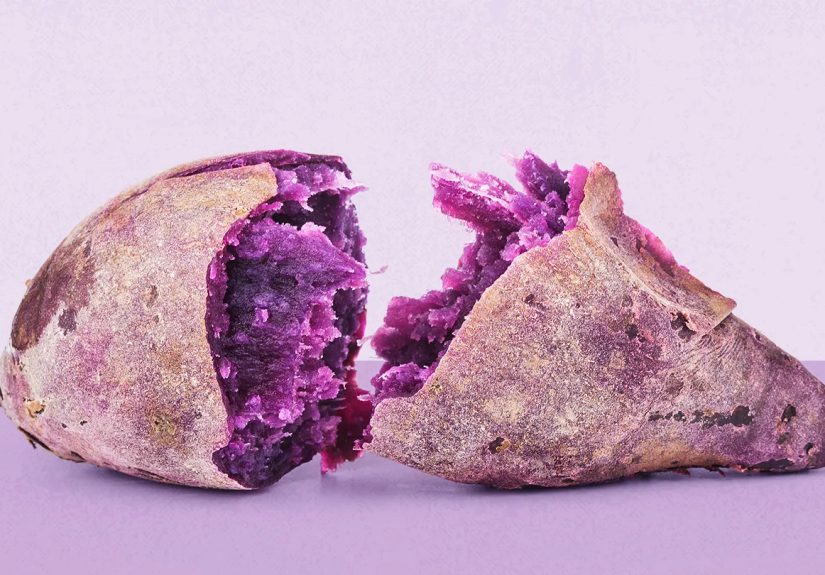
Fresh ube has rough, bark-like skin and a purple interior that can range from pale lavender to deep violet. When cooked, it becomes soft and mashable. Its flavor is gentle rather than loud: slightly sweet, earthy, nutty, and sometimes described as having hints of vanilla or coconut. It is not usually sugary on its own. The intense sweetness people associate with ube often comes from desserts made with sugar, condensed milk, butter, cream, or sweetened ube jam.
In other words, ube itself is not a cupcake. It simply has excellent cupcake potential.
Ube vs. Taro vs. Purple Sweet Potato: What’s the Difference?
Ube is frequently confused with taro and purple sweet potato because all three can appear in purple desserts and drinks. However, they are different foods.
Ube is a true yam
Ube is a yam, not a potato. It belongs to the yam family and is known for its purple flesh, creamy cooked texture, and dessert-friendly flavor. In Filipino food culture, ube is often cooked, mashed, and turned into halaya, a thick jam or paste used in cakes, breads, ice cream, and pastries.
Taro is a corm, not a yam
Taro is also a starchy root-like food, but botanically it is different from ube. Its flesh is usually white, cream, grayish, or lightly speckled purple. Taro has a starchier, nuttier flavor and is widely used in savory dishes, bubble tea, and desserts. Taro drinks are often purple because of added coloring, not because taro is naturally as vividly purple as ube.
Purple sweet potato is a sweet potato
Purple sweet potatoes, such as Okinawan or Stokes varieties, are different from ube. They are generally drier and denser than ube and have their own earthy sweetness. They are nutritious, colorful, and delicious, but they are not the same ingredient. Calling every purple tuber “ube” is like calling every round fruit an apple. Somewhere, a botanist drops their clipboard.
What Does Ube Taste Like?
Ube tastes mildly sweet, nutty, earthy, and creamy. It is less sugary than many people expect because most ube-flavored desserts include added sugar and dairy. Real ube has a more subtle flavor than its neon-purple reputation suggests.
When used in desserts, ube pairs beautifully with coconut, vanilla, milk, cream cheese, white chocolate, brown sugar, and buttery pastry. It also works in breads and pancakes because its natural starch gives body and moisture. In savory cooking, it can be boiled, baked, steamed, or mashed, although most Americans meet ube in dessert form first.
Ube Nutrition: What’s Inside the Purple Yam?
Nutrition varies depending on the form of ubefresh, frozen, powdered, jam, extract, or dessert. A plain cooked purple yam is mainly a carbohydrate-rich root vegetable. It can provide fiber, potassium, vitamin C, and small amounts of other vitamins and minerals.
Compared with leafy greens or beans, ube is not a protein powerhouse. Compared with candy, however, plain ube looks like it graduated with honors from Nutrition School. Its natural carbohydrates provide energy, while its fiber helps slow digestion and supports fullness. The deep purple color also signals the presence of plant compounds, especially anthocyanins, which are associated with antioxidant activity.
The nutritional story changes when ube becomes ube cake, ube ice cream, or an ube latte topped with whipped cream. Those foods may still contain some ube, but they often include added sugar, saturated fat, and extra calories. That does not make them “bad.” It just means they should be enjoyed as treats, not treated like a multivitamin with frosting.
Is Ube Good for You?
Yes, ube can be good for you when eaten in reasonable portions and prepared in a balanced way. It is a plant food, and whole plant foods generally bring more to the table than just calories. Ube’s strengths include fiber, complex carbohydrates, potassium, vitamin C, and antioxidant pigments.
1. Ube provides energizing carbohydrates
Carbohydrates are not the villain of nutrition. Your body uses carbs as a major energy source, especially your brain and muscles. Ube contains starchy carbohydrates, which can make it useful as part of a meal before school, work, sports, or a long day of pretending your inbox does not exist.
The key is portion and pairing. Eating ube with protein, healthy fats, and other fiber-rich foods can make the meal more satisfying. For example, steamed ube with eggs, Greek yogurt, tofu, fish, chicken, beans, or nuts can be more balanced than eating a large bowl of sweetened ube jam by itself.
2. Ube contains fiber for digestion
Fiber helps support regular digestion and can contribute to fullness after meals. Foods that naturally contain fiber, such as root vegetables, fruits, beans, whole grains, nuts, and seeds, are often helpful for building a more satisfying diet.
Plain ube contains fiber, but ube-flavored processed foods may not. A cookie labeled “ube” may have beautiful color and lovely flavor, but it may not contain enough actual yam to provide meaningful fiber. Check the nutrition label when buying packaged products. If the ingredient list starts with sugar and the fiber number is tiny, your purple snack is probably more party than produce.
3. Ube’s purple color comes from antioxidant compounds
Ube’s color is not just for drama. Purple plant foods often contain anthocyanins, a group of pigments with antioxidant properties. Antioxidants help protect cells from oxidative stress, which is part of normal metabolism and can also increase with poor diet, pollution, smoking, lack of sleep, and chronic stress.
That does not mean ube is magic. No single food can cancel out an unhealthy lifestyle. But adding colorful plant foodsincluding purple, red, orange, green, and blue foodscan improve the variety of nutrients and phytonutrients in your diet. Ube is one delicious way to color outside the beige lines.
4. Ube may support heart-friendly eating patterns
Ube contains potassium, a mineral that helps support normal fluid balance, muscle function, and blood pressure regulation. Diets rich in fruits and vegetables often provide more potassium and fiber, both of which are commonly associated with heart-health-friendly eating patterns.
However, how you prepare ube matters. A baked or steamed purple yam is a very different choice from a deep-fried ube pastry or a large milkshake. If your goal is heart-smart eating, choose simple preparations more often and enjoy richer ube desserts occasionally.
5. Ube can make healthy eating more exciting
Nutrition is not only about numbers. Food also has culture, memory, comfort, color, and joy. Ube can make meals more appealing, especially for people who get bored with the same brown-and-tan plate every day. A colorful bowl with ube, fruit, yogurt, nuts, and seeds may encourage someone to eat more whole foods. That counts.
Can Ube Help With Weight Loss?
Ube is not a weight-loss shortcut, and any article promising that a purple yam will melt fat should be escorted politely out of the kitchen. However, plain ube can fit into a weight-conscious eating plan because it contains fiber and satisfying carbohydrates.
The challenge is that most popular ube foods are desserts. Ube cheesecake, ube brownies, ube donuts, and ube milk tea can be wonderful, but they are often calorie-dense. If you are managing weight, enjoy those foods mindfully and consider smaller portions. For everyday meals, use plain cooked ube as a starch in place of white bread, fries, or sugary snacks.
Is Ube Good for People With Diabetes?
People with diabetes or blood sugar concerns do not necessarily need to avoid ube, but portion size and preparation are important. Ube is a starchy carbohydrate, so it can affect blood sugar. Eating it with protein, fat, and fiber-rich vegetables may help create a more balanced meal.
Sweetened ube productsespecially jams, cakes, sweet drinks, and ice creamcan contain significant added sugar. Anyone managing diabetes should read labels carefully and follow guidance from a healthcare professional or registered dietitian. In practical terms, plain cooked ube is usually a smarter choice than a giant ube dessert pretending to be breakfast.
How to Buy Ube in the United States
Fresh ube can be difficult to find in many U.S. grocery stores. You are more likely to see it in Asian markets, Filipino grocery stores, specialty produce shops, or online. Many home cooks use frozen grated ube, ube powder, ube halaya, or ube extract.
Fresh ube
Fresh ube is ideal if you can find it. Look for firm tubers without soft spots, mold, or strong off smells. Because fresh ube can be irregular in shape and rough-skinned, it may not look glamorous before cooking. Like many celebrities, it has a better glow-up after preparation.
Frozen grated ube
Frozen grated ube is convenient for baking and making halaya. It usually contains real ube and saves time because peeling and grating are already done. Check the label to confirm whether it is plain ube or contains added ingredients.
Ube powder
Ube powder is dehydrated purple yam. It is useful for baking, pancakes, waffles, and drinks, but quality varies. Some products contain fillers, sweeteners, coloring, or flavoring. Choose brands that clearly list purple yam as the main ingredient.
Ube halaya
Ube halaya is a sweet purple yam jam often made with cooked ube, sugar, milk, coconut milk, or butter. It is delicious and traditional, but it is also sweetened. Use it as a dessert ingredient or spread, not as a plain vegetable serving.
Ube extract
Ube extract adds color and flavor to baked goods, but it may not provide the same nutrition as whole ube. It is best used as a flavor booster, especially when combined with real ube, not as the only ube element in a recipe.
Healthy Ways to Eat Ube
You do not have to choose between “plain steamed tuber” and “dessert explosion.” There is a tasty middle ground.
- Steam or bake it: Serve plain ube as a colorful starch with a balanced meal.
- Mash it: Mix cooked ube with a little coconut milk, cinnamon, or vanilla for a simple side dish.
- Add it to oatmeal: Stir mashed ube into oats with nuts and fruit for a filling breakfast.
- Blend it into smoothies: Use cooked ube, banana, Greek yogurt, and milk for a creamy purple smoothie.
- Make lighter desserts: Use less sugar in homemade ube muffins, pancakes, or chia pudding.
- Pair with protein: Add yogurt, eggs, tofu, beans, or lean meats to make ube part of a complete meal.
Common Mistakes When Eating Ube
Mistake 1: Assuming all purple desserts are healthy
Purple does not automatically mean nutritious. Food coloring can make anything look like ube, including foods that contain little or no real purple yam. Read ingredient lists if nutrition matters to you.
Mistake 2: Confusing ube with taro
Taro and ube are both delicious, but they are not the same. If you are baking a recipe that specifically calls for ube, taro may not provide the same color, sweetness, or texture.
Mistake 3: Using too much extract
Ube extract is powerful. A little can help; too much can make your dessert taste artificial. Start small, taste as you go, and remember that your cake should not smell like a scented candle got promoted to chef.
Mistake 4: Forgetting about added sugar
Ube jam, ube pastries, and ube drinks often contain added sugar. Enjoy them, but do not count them the same way you would count plain cooked ube.
So, Is Ube Actually Healthy?
Ube is healthy in the same way many starchy vegetables are healthy: it offers energy, fiber, minerals, and beneficial plant compounds. It is especially appealing because of its color, flavor, and cultural importance. But the health value depends heavily on preparation.
If you eat ube as a steamed, baked, or lightly sweetened root vegetable, it can be a smart addition to a balanced diet. If you mostly eat ube as ice cream, cake, donuts, or sugary drinks, it is better viewed as a treat. Both can have a place in real life. Food does not need to be either a medical treatment or a moral failure. Sometimes it is dinner. Sometimes it is dessert. Sometimes it is a purple donut, and everyone needs to calm down.
Personal Experiences and Real-Life Notes About Ube
The first thing many people notice about ube is not the tasteit is the color. That deep purple shade has a way of making even simple food feel festive. A plain pancake becomes brunch with a personality. A scoop of ice cream becomes the most photogenic thing at the table. A loaf of bread suddenly looks like it knows how to use social media better than you do.
But once the novelty fades, the real charm of ube is its comfort-food quality. In many Filipino households, ube is not treated as a trendy ingredient. It is familiar, nostalgic, and tied to celebrations, family gatherings, holidays, bakeries, and homemade desserts. Ube halaya, for example, is often stirred patiently until thick and glossy. Anyone who has made it from scratch knows it is not a lazy recipe. Your arm gets a workout, your kitchen smells amazing, and the final purple jam feels like a reward for both cooking skill and emotional endurance.
For someone trying ube for the first time, the experience can be surprising. People often expect a loud berry flavor because the color is so intense. Instead, ube is soft-spoken. It tastes creamy, earthy, lightly nutty, and gently sweet. That subtle flavor is why it works so well with coconut milk, condensed milk, vanilla, butter, and cream. It does not shout over other ingredients; it blends in and makes everything feel rounder and cozier.
In everyday eating, ube can be used in more balanced ways than the dessert menus suggest. A small amount of mashed cooked ube stirred into oatmeal gives breakfast a beautiful color and a naturally sweet flavor. Blended into a smoothie with yogurt and banana, it adds creaminess without needing much added sugar. Baked into muffins with whole-grain flour, it can make a snack more interesting while still offering some fiber and nutrients.
At the same time, it is easy to overestimate the health value of ube-flavored foods. Many people see the word “ube” and assume the item is automatically wholesome. Then the nutrition label quietly reveals a plot twist: lots of sugar, refined flour, and very little actual yam. This does not mean you should avoid ube desserts. It simply means you should enjoy them honestly. An ube cupcake is a cupcake. A delightful cupcake, yes. A vegetable serving, not quite.
One practical tip from real kitchen experience: if you want strong ube flavor, combine forms. Use real mashed ube or frozen grated ube for body and nutrition, then add a small amount of ube extract for color and aroma. This gives baked goods a more recognizable ube profile without relying entirely on artificial flavor. Also, taste before adding extra sugar. Ube’s natural sweetness is mild, but many recipes add sweetened jam, milk, or coconut products, so the sugar can add up quickly.
Another useful experience: ube is excellent for people who want to make food feel special without complicated decoration. Purple waffles, ube yogurt bowls, ube chia pudding, or ube quick bread look impressive even when the recipe is simple. It is the rare ingredient that brings both comfort and dramathe culinary equivalent of wearing pajamas in a royal color.
Ultimately, ube is worth trying because it offers more than a trend. It has history, cultural meaning, flavor, color, and nutritional value when prepared thoughtfully. The best way to enjoy it is with curiosity and balance: appreciate its roots, choose real ube when possible, watch the added sugar, and let the purple yam do what it does bestmake food a little more joyful.
Conclusion
Ube is a purple yam with a mild, nutty, slightly sweet flavor and deep roots in Filipino cuisine. As a whole food, it can be a nutritious source of carbohydrates, fiber, potassium, vitamin C, and antioxidant plant pigments. It may support a balanced diet, especially when baked, steamed, mashed, or paired with protein and other whole foods.
However, ube’s health benefits depend on how you eat it. Plain cooked ube is not the same as an ube milkshake, ube donut, or heavily sweetened ube cake. Enjoy the dessertsthey are part of the funbut do not let the purple color trick you into thinking every ube product is automatically healthy. The smartest approach is simple: choose real ube when possible, keep portions reasonable, limit added sugar, and celebrate the fact that nutritious food can also be gorgeous.