Table of Contents >> Show >> Hide
- What Is an Erythrocyte Sedimentation Rate?
- Why Doctors Order an ESR Test
- Normal, High, and Very High ESR: What the Numbers Can Suggest
- When ESR Leads to a Serious Diagnosis
- Serious Conditions That May Be Found After a High ESR
- Symptoms That Make an Elevated ESR More Concerning
- Why ESR Can Be Misleading
- ESR vs. CRP: Why Doctors Often Order Both
- What Happens After an Abnormal ESR Result?
- Specific Example: A High ESR and New Headache
- Specific Example: A High ESR and Weeks of Fever
- How Patients Can Prepare for the Follow-Up Conversation
- When to Seek Prompt Medical Care
- Experience-Based Reflections: What Patients Often Learn From an ESR Journey
- Conclusion
An erythrocyte sedimentation rate, better known as ESR or the “sed rate,” sounds like the kind of lab test that escaped from a dusty medical textbook and wandered into your patient portal. It is not flashy. It does not come with colorful imaging. It does not name a disease in bold letters. Yet this simple blood test can sometimes be the first breadcrumb on the trail to a serious diagnosis.
That does not mean every high ESR is a five-alarm emergency. In fact, ESR is famous for being nonspecific, which is medical language for “helpful, but not chatty.” It can tell your healthcare provider that inflammation may be happening somewhere in the body, but it cannot point to the exact room where the trouble is hiding. A high ESR may be linked to infection, autoimmune disease, inflammatory arthritis, blood disorders, kidney disease, or certain cancers. It can also rise with age, pregnancy, anemia, and other non-catastrophic reasons.
The real value of the ESR test appears when it is interpreted alongside symptoms, a physical exam, medical history, and other tests such as C-reactive protein, complete blood count, metabolic panel, urinalysis, imaging, cultures, or biopsy. In other words, ESR is not the detective who solves the case alone. It is the witness who says, “Something is going on; you may want to look over there.”
What Is an Erythrocyte Sedimentation Rate?
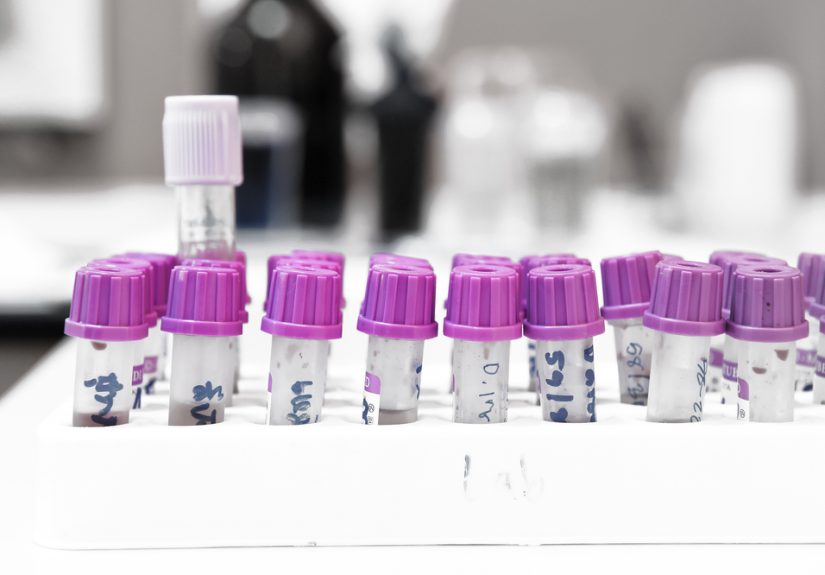
The erythrocyte sedimentation rate measures how quickly red blood cells settle at the bottom of a tall, thin tube over one hour. When inflammation is present, proteins in the blood can make red blood cells stick together and fall faster. The result is reported in millimeters per hour, often written as mm/hr.
A higher ESR generally suggests more inflammatory activity, but the result is not disease-specific. One person may have a moderately elevated ESR because of rheumatoid arthritis. Another may have a very high ESR because of an infection. Someone else may have an elevated number due to anemia or chronic kidney disease. This is why healthcare professionals rarely rely on ESR alone when making a diagnosis.
Why Doctors Order an ESR Test
Doctors may order an ESR test when symptoms suggest inflammation, infection, autoimmune disease, or another condition that needs more investigation. Common reasons include unexplained fever, persistent fatigue, weight loss, joint pain, muscle stiffness, headaches, night sweats, or vague symptoms that refuse to behave like a tidy textbook example.
ESR may also be used to monitor known inflammatory diseases. For example, a person with polymyalgia rheumatica, giant cell arteritis, lupus, or rheumatoid arthritis may have ESR checked over time to see whether inflammation is improving, worsening, or staging a dramatic comeback. However, ESR can lag behind symptoms, and some diseases flare even when ESR looks normal. The number matters, but the patient matters more.
Normal, High, and Very High ESR: What the Numbers Can Suggest
Normal ESR ranges vary by laboratory, age, and sex. Older adults often have higher baseline ESR values than younger people. Women may have slightly higher values than men. Because labs use their own reference ranges, the best first step is to compare your result with the range printed on your report.
A mildly elevated ESR may occur with temporary infections, chronic inflammation, anemia, pregnancy, obesity, or age-related changes. A moderately elevated ESR can suggest a more active inflammatory process, especially when symptoms are present. A very high ESR, often discussed as greater than 100 mm/hr, is more concerning and is more strongly associated with serious underlying disease, including significant infection, inflammatory or autoimmune disease, and malignancy.
Still, even a very high ESR does not equal a diagnosis. It is a loud alarm, not a street address. The next step is careful evaluation.
When ESR Leads to a Serious Diagnosis
An ESR test may become clinically important when it matches a pattern of symptoms. For example, a person with fever, chills, and a very high ESR may need evaluation for infection. A person over 50 with new headaches, scalp tenderness, jaw pain while chewing, and visual symptoms may need urgent evaluation for giant cell arteritis. A person with morning stiffness, swollen joints, and elevated inflammatory markers may be evaluated for inflammatory arthritis.
The word “serious” does not mean hopeless. It means the result deserves attention, follow-up, and a plan. Many conditions connected with a high ESR are treatable, especially when found early. The challenge is not to panic over the number, but also not to ignore it when symptoms are waving red flags like they are directing airport traffic.
Serious Conditions That May Be Found After a High ESR
1. Giant Cell Arteritis
Giant cell arteritis is an inflammatory disease of blood vessels, most often affecting arteries in the head and neck. It usually occurs in adults over 50. Symptoms can include a new headache, scalp tenderness, jaw pain while chewing, fever, fatigue, and vision changes. This condition is taken seriously because untreated giant cell arteritis can threaten vision.
ESR and C-reactive protein are often elevated in giant cell arteritis, but blood tests alone cannot confirm it. Doctors may use ultrasound, temporal artery biopsy, imaging, and clinical judgment. If symptoms suggest possible vision risk, treatment may begin quickly while testing continues. In this situation, ESR can be one of the clues that moves care from “let’s watch it” to “we need to act now.”
2. Polymyalgia Rheumatica
Polymyalgia rheumatica, often shortened to PMR, causes aching and stiffness, especially in the shoulders, neck, and hips. It is most common in older adults. The stiffness is often worse in the morning and may make ordinary movements feel like negotiating with a rusty robot suit.
Many people with PMR have elevated ESR or CRP. Doctors also consider symptoms, age, physical exam findings, and whether other conditions could better explain the pain. PMR is important to diagnose because treatment can dramatically improve quality of life, and because it may overlap with giant cell arteritis in some patients.
3. Rheumatoid Arthritis and Other Autoimmune Diseases
Rheumatoid arthritis is an autoimmune disease in which the immune system attacks joint tissue, causing inflammation, swelling, pain, stiffness, and potential joint damage. ESR may be elevated during active disease, but it is not the only test doctors use. Rheumatoid factor, anti-CCP antibodies, CRP, imaging, and the pattern of joint symptoms all help shape the diagnosis.
Lupus and other autoimmune diseases may also raise ESR. In lupus, ESR can reflect inflammation, but it does not always match disease activity perfectly. Providers may use additional tests such as ANA, anti-dsDNA, complement levels, urine tests, kidney function tests, and blood counts. ESR is one instrument in the orchestra, not the whole symphony.
4. Serious Infection
Infections can push ESR upward, especially when inflammation is significant or prolonged. Examples include deep abscesses, bone infections such as osteomyelitis, tuberculosis, pneumonia, kidney infections, and infective endocarditis, a serious infection involving the inner lining of the heart or heart valves.
When infection is suspected, doctors do not stop at ESR. They may order blood cultures, urine tests, imaging studies, echocardiography, or tissue sampling depending on the symptoms. A high ESR with persistent fever, night sweats, unexplained weight loss, new heart murmur, severe back pain, or localized swelling deserves prompt medical attention.
5. Certain Cancers
Some cancers can be associated with a high ESR, particularly when inflammation, tissue damage, anemia, or immune system activity is present. Historically, very high ESR values have sometimes been linked with malignancy, including metastatic cancer or blood cancers such as lymphoma or multiple myeloma. However, ESR is not a cancer screening test.
If a person has a high ESR along with concerning symptoms such as unexplained weight loss, persistent night sweats, swollen lymph nodes, unusual fatigue, bone pain, abnormal blood counts, or loss of appetite, a healthcare provider may investigate further. That investigation may include imaging, blood tests, or referral to a specialist.
Symptoms That Make an Elevated ESR More Concerning
An ESR result becomes more meaningful when paired with symptoms. Some warning signs should not be brushed off as “probably stress” or “maybe I slept weird.” These include persistent fever, unexplained weight loss, drenching night sweats, new severe headache, vision changes, jaw pain while chewing, chest pain, shortness of breath, severe back pain, swollen painful joints, blood in urine, severe fatigue, or swollen lymph nodes.
These symptoms do not automatically mean a serious disease is present, but they do justify medical evaluation. A high ESR plus persistent symptoms is like smoke plus the smell of burning toast. Maybe it is nothing dramatic. Maybe someone really did burn toast. But it is wise to check the kitchen.
Why ESR Can Be Misleading
ESR has limits. It can be elevated for reasons unrelated to the disease being considered. Anemia can make ESR rise. Pregnancy may raise it. Kidney disease, older age, and some chronic conditions can also affect the value. Technical factors in the lab can influence the result as well.
On the other hand, a normal ESR does not always rule out serious disease. Some people with inflammatory or autoimmune conditions may have normal ESR, especially early in the illness or during certain types of flares. That is why providers often pair ESR with CRP, which can rise and fall more quickly with inflammation.
ESR vs. CRP: Why Doctors Often Order Both
ESR and C-reactive protein both measure inflammation indirectly, but they behave differently. ESR can remain elevated longer and may be influenced by blood characteristics such as anemia. CRP is produced by the liver and often changes more quickly in response to inflammation or infection.
When both ESR and CRP are high, the case for active inflammation becomes stronger. When one is high and the other is normal, doctors interpret the mismatch in context. For example, some autoimmune conditions may show a higher ESR than CRP, while some infections may cause CRP to climb quickly. The pairing gives a fuller picture, like turning on two lamps in a dim room.
What Happens After an Abnormal ESR Result?
The next step depends on the number, the symptoms, and the person’s overall health. A doctor may repeat the ESR to confirm it, especially if the result does not match how the patient feels. They may order CRP, complete blood count, liver and kidney tests, urinalysis, thyroid tests, blood cultures, autoimmune markers, imaging, or specialist referral.
For example, a high ESR with shoulder and hip stiffness in an older adult may lead to evaluation for polymyalgia rheumatica. A high ESR with fever and a new heart murmur may lead to blood cultures and an echocardiogram. A high ESR with bone pain and abnormal blood counts may lead to additional blood studies or imaging.
The goal is not to “treat the ESR.” The goal is to identify and treat the cause. Lowering the number only matters if the person is actually getting better.
Specific Example: A High ESR and New Headache
Imagine a 72-year-old woman who develops a new headache, scalp tenderness when brushing her hair, fatigue, and jaw discomfort when eating. Her ESR comes back very high. In this case, a clinician may worry about giant cell arteritis. Because vision can be at risk, this situation may require urgent treatment and confirmation with further testing.
The ESR did not diagnose the condition alone. Instead, it supported a serious clinical pattern. That is the sweet spot for ESR: not as a fortune teller, but as a clue that fits with the story.
Specific Example: A High ESR and Weeks of Fever
Now imagine someone has low-grade fevers for weeks, night sweats, fatigue, and an elevated ESR. The clinician may consider infection, inflammatory disease, or cancer depending on the exam and other findings. If there is a heart murmur or risk factors for bloodstream infection, blood cultures and heart imaging may be ordered to evaluate for infective endocarditis.
Again, ESR is not the diagnosis. It is the nudge that says, “This deserves a deeper look.”
How Patients Can Prepare for the Follow-Up Conversation
If your ESR is abnormal, bring a clear timeline of symptoms to your appointment. Include when symptoms started, what makes them better or worse, whether you have fevers, weight changes, pain, stiffness, rashes, infections, recent dental work, travel, new medications, or family history of autoimmune disease.
Also bring your medication list, including supplements. Do not assume a detail is too small. In medicine, small details sometimes walk in wearing tiny shoes and carrying giant diagnostic clues.
When to Seek Prompt Medical Care
Seek prompt medical care if an elevated ESR is accompanied by vision changes, new severe headache, jaw pain while chewing, chest pain, shortness of breath, confusion, persistent high fever, severe weakness, severe localized pain, or signs of serious infection. These symptoms need timely evaluation.
If the result appears in your online portal before your doctor has commented, resist the urge to diagnose yourself through a late-night search spiral. Make a note of your symptoms, contact your healthcare provider, and ask what follow-up is appropriate. Search engines are great for restaurant menus; they are less charming when they convince you that every lab value is a medical cliffhanger.
Experience-Based Reflections: What Patients Often Learn From an ESR Journey
People who go through an ESR-related medical workup often describe the same first reaction: confusion. The test sounds technical, the result looks numerical, and the meaning is not obvious. A cholesterol number may suggest a familiar heart-health conversation. A glucose number may point toward blood sugar. ESR, however, feels like a cryptic message from the laboratory basement.
One common experience is that patients expect a single answer from a single test. That expectation is understandable, but ESR does not work that way. Many patients learn that inflammation is a category, not a diagnosis. A high number can open several doors at once: infection, autoimmune disease, inflammatory arthritis, vascular inflammation, kidney problems, or cancer evaluation. The uncertainty can be uncomfortable, but it is also part of responsible medicine. Good clinicians avoid forcing the wrong answer too early.
Another experience is the emotional swing between “I feel mostly fine” and “Why is this number abnormal?” Some people discover an elevated ESR during a workup for fatigue or vague aches. They may not feel seriously ill, yet the lab result prompts more testing. This can be frustrating. However, early investigation sometimes catches conditions before they cause major damage. In other cases, the follow-up reveals a less alarming cause, such as anemia or a recent infection. Either way, the process can turn worry into information.
Patients with polymyalgia rheumatica often describe how validating the diagnosis can feel. Before evaluation, they may think they are simply “getting older” or “out of shape” because climbing stairs, lifting arms, or getting out of a chair suddenly becomes difficult. When ESR and CRP support the clinical picture, and treatment improves stiffness, the experience can feel like someone finally turned the lights back on.
People evaluated for giant cell arteritis often learn a different lesson: some symptoms should be reported quickly. A new headache in an older adult, jaw pain with chewing, scalp tenderness, or vision symptoms should never be casually dismissed. In these cases, ESR may help support urgent decision-making. The experience can be scary, but fast action can protect health and, in some cases, vision.
Those who face infection-related ESR elevation often remember the search for the hidden source. A lingering fever, back pain, night sweats, or abnormal exam finding may lead to cultures, imaging, or specialist care. It can feel like medical detective work, because it is. Serious infections do not always announce themselves politely. Sometimes they mumble, linger, and leave inflammatory footprints.
The most useful takeaway from these experiences is balance. Do not panic over ESR, but do not ignore it either. Ask what the result means in your specific context. Ask what diagnoses are being considered and what findings would make them more or less likely. Ask whether CRP, blood counts, imaging, or repeat testing is needed. Most importantly, pay attention to your body’s story. Lab numbers are powerful, but symptoms provide the plot.
Conclusion
An erythrocyte sedimentation rate can lead to a serious diagnosis when it appears alongside the right clinical clues. By itself, ESR is not a crystal ball. It cannot diagnose giant cell arteritis, polymyalgia rheumatica, rheumatoid arthritis, lupus, infection, or cancer on its own. But when combined with symptoms, examination, and other tests, it can help doctors recognize inflammation that deserves attention.
The smartest approach is neither panic nor dismissal. A high ESR is a prompt for better questions: What symptoms are present? Is CRP also elevated? Are there signs of infection, autoimmune disease, vascular inflammation, or malignancy? What follow-up tests make sense? With careful interpretation, this old-fashioned blood test can still play an important role in modern diagnosis.
Medical note: This article is for educational purposes only and does not replace professional medical advice, diagnosis, or treatment. Anyone with abnormal ESR results or concerning symptoms should discuss them with a qualified healthcare professional.