Table of Contents >> Show >> Hide
There you are, minding your own business, when your dog flops onto the rug, releases a long, dramatic sigh, and stares into the middle distance like they just paid taxes. Naturally, you wonder: Why do dogs sigh? Are they relaxed? Annoyed? Judging your life choices? Secretly writing a memoir?
The good news is that dog sighing is usually normal. A sigh is typically a deep breath in and out, often louder than regular breathing. Dogs sigh for many of the same broad reasons people do: comfort, emotional release, tiredness, frustration, or sometimes discomfort. The trick is not to interpret the sigh by itself. A dog’s sigh is only one word in a much larger sentence made of eyes, ears, posture, tail position, activity level, appetite, and context.
In this guide, we’ll break down the six most common and evidence-backed reasons dogs sigh, how to read the signs around the sigh, and when that little “huff” deserves a call to your veterinarian.
What Does a Dog Sigh Sound Like?
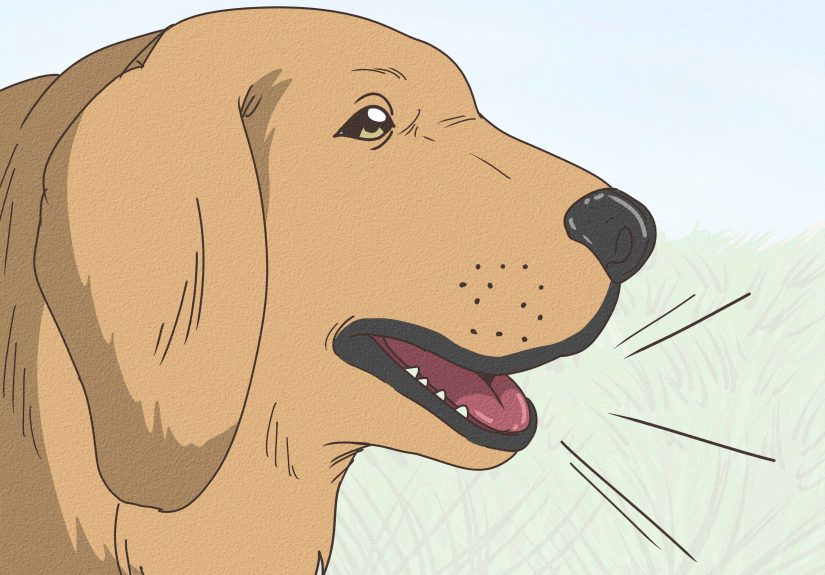
A dog sigh is usually a long, audible exhale. It may sound like a soft “hmmm,” a breathy groan, or a full-body “finally” as your dog settles into the couch like a retired monarch. Some dogs sigh quietly; others sound as if they are deflating an emotional balloon.
Normal sighing is usually occasional and appears during calm moments: after lying down, during cuddles, before sleep, or after an exciting activity. It should not look like your dog is struggling to breathe. If your dog’s breathing is noisy, labored, rapid at rest, or paired with coughing, weakness, blue or pale gums, collapse, or distress, treat it as a medical concern rather than “cute drama.”
Why Do Dogs Sigh? 6 Proven Reasons Why
1. Your Dog Is Relaxed and Content
The most common reason dogs sigh is simple: they feel good. A dog that curls up in bed, rests their chin on their paws, softens their eyes, and releases a long sigh is often saying, “Ah, yes. This carpet is my kingdom.”
Look for signs of relaxation around the sigh. Soft eyes, loose muscles, relaxed ears, a comfortable body position, and slow breathing usually point toward contentment. A relaxed dog may sigh after a walk, after dinner, during gentle petting, or when settling beside their favorite person.
This kind of sigh is nothing to worry about. In fact, it can be a sign that your dog feels safe. Dogs are vulnerable when resting, so a calm sigh near you may be a tiny compliment. Your dog trusts you enough to power down. Congratulations: you are officially furniture with benefits.
2. Your Dog Is Getting Ready to Sleep
Dogs often sigh as they transition from alert mode to nap mode. When your dog lies down and exhales deeply, they may simply be shifting into rest. Breathing can become deeper and more regular as dogs fall asleep, and some dogs make soft sounds while dreaming.
You may notice this after exercise, playtime, training, a car ride, or a busy afternoon of monitoring squirrels from the window. The sigh is like a canine bedtime ritual: stretch, circle, flop, sigh, sleep.
This reason is especially likely if the sigh happens in a predictable resting spot, such as a dog bed, crate, sofa corner, or sunny patch on the floor. If your dog looks peaceful and soon falls asleep, the sigh is probably part of normal relaxation.
3. Your Dog Is Disappointed or Mildly Frustrated
Yes, dogs can sigh when they are disappointed. Not in the “my novel was rejected by a major publisher” way, but in the “you clearly saw me bring the toy and somehow did not throw it” way.
A frustrated sigh often happens when your dog expected something and did not get it. Maybe you stopped playing. Maybe dinner is not ready. Maybe you sat on the couch but failed to provide the legally required belly rub. In these cases, your dog may sigh while staring at you with open eyes, shifting position, pawing, nudging, or lying down with theatrical defeat.
The body language matters. A relaxed sigh with sleepy eyes usually means contentment. A sigh with alert eyes, a fixed stare, repeated nudging, or restless movement may mean your dog wants something. The sigh is not “bad behavior.” It is communication. Your dog is basically sending a low-volume customer service complaint.
4. Your Dog Is Trying to Communicate With You
Dogs communicate through a mix of sounds, posture, facial expression, movement, and routine-based signals. A sigh can be part of that communication, especially if your dog has learned that sighing gets your attention.
For example, your dog may sigh near the door when they need a potty break, near the food bowl when dinner is late, or beside your chair when they want affection. Some dogs sigh after being ignored because it works. Humans are wonderfully easy to train. One dramatic exhale and suddenly we are asking, “What’s wrong, baby?”
To understand this type of sigh, pay attention to patterns. Does your dog sigh at the same time every evening? Near a toy? After you stop petting them? Before a walk? If the sigh is tied to a need or routine, your dog may be using it as a polite nudge.
Respond calmly and consistently. If your dog needs something reasonable, help them. If they are demanding attention every two minutes, reward calmer behaviors instead, such as resting quietly on a mat or bringing a toy without pestering.
5. Your Dog Is Bored or Under-Stimulated
Dogs need more than food, water, and a cute name tag. They need exercise, sniffing, problem-solving, social contact, and opportunities to do dog things. A bored dog may sigh, pace, stare, paw, whine, chew inappropriate objects, or slump around like a tiny unemployed roommate.
Boredom sighs often show up when your dog has energy but no outlet. This is common in active breeds, young dogs, working breeds, and dogs spending long hours indoors. A dog who sighs while watching you work may not be pondering the meaning of existence. They may be wondering why the family entertainment department is closed.
Try adding enrichment before assuming something is wrong. Offer puzzle feeders, short training sessions, sniff walks, hide-and-seek games, chew toys, or five minutes of tug. Mental activity can be surprisingly tiring. Ten minutes of scent work can satisfy some dogs more than a quick march around the block.
If your dog sighs less after more exercise and enrichment, boredom was probably part of the picture. If sighing continues with lethargy, appetite changes, limping, coughing, or unusual behavior, look deeper.
6. Your Dog May Be Uncomfortable, Anxious, or in Pain
Most dog sighing is harmless, but sometimes a sigh is part of a bigger discomfort pattern. Dogs cannot say, “My hip hurts,” “My stomach feels weird,” or “That thunderstorm is personally attacking me.” Instead, they show changes in breathing, posture, movement, appetite, energy, and behavior.
A sigh may deserve closer attention if it comes with signs like restlessness, pacing, trembling, tucked tail, pinned ears, lip licking, yawning outside sleepiness, hiding, irritability, reluctance to move, limping, excessive panting at rest, or trouble getting comfortable. Pain and stress can both change how a dog breathes and behaves.
Senior dogs deserve special attention. Arthritis, dental pain, heart disease, respiratory problems, and other age-related issues can appear gradually. If your older dog is sighing more than usual and also sleeping more, moving less, coughing, panting at rest, or avoiding stairs, schedule a veterinary checkup.
Also watch your dog’s resting breathing rate. When a dog is asleep or calmly resting, breathing should look easy and regular. Consistently increased resting or sleeping breathing rates, labored breathing, or breathing that seems effortful should be discussed with a veterinarian promptly.
How to Tell What Your Dog’s Sigh Means
The secret to interpreting a dog sigh is context. A sigh after a cozy cuddle is different from a sigh paired with pacing at 2 a.m. Use the “whole dog” approach:
- Eyes: Soft, half-closed eyes often suggest relaxation. Wide, hard, or worried eyes may suggest stress.
- Ears: Loose ears are usually calm. Pinned-back ears can mean anxiety, pain, or uncertainty.
- Body posture: A loose, floppy body is reassuring. Stiffness, hunching, or repeated repositioning may signal discomfort.
- Timing: A sigh before sleep is usually normal. A new pattern of frequent sighing may need attention.
- Other symptoms: Coughing, limping, appetite loss, vomiting, diarrhea, lethargy, or labored breathing are not “just sighing.”
If the sigh happens occasionally and your dog otherwise seems happy, active, hungry, and comfortable, it is probably normal. If the sighing is new, frequent, intense, or paired with other changes, contact your vet.
When Should You Worry About Dog Sighing?
Call your veterinarian if sighing is accompanied by any of the following:
- Labored, noisy, or rapid breathing while resting
- Coughing, wheezing, gagging, or repeated choking sounds
- Blue, gray, white, or very pale gums
- Collapse, weakness, or extreme lethargy
- Loss of appetite or sudden weight loss
- Limping, stiffness, or reluctance to jump, climb stairs, or walk
- Restlessness, hiding, aggression, or other major behavior changes
- Repeated sighing that is unusual for your dog
Some breeds, especially flat-faced breeds such as Bulldogs, Pugs, Boxers, and Boston Terriers, are more prone to breathing difficulties. In these dogs, do not dismiss frequent noisy breathing, snorting, overheating, exercise intolerance, or sleep breathing changes as “normal for the breed.” Common does not always mean healthy.
How to Respond When Your Dog Sighs
If your dog sighs peacefully, let them enjoy the moment. You do not need to rush in with snacks, toys, emotional counseling, or a tiny journal for their feelings.
If the sigh seems connected to boredom, add enrichment. A sniff walk, puzzle toy, frozen treat, or short training game can help. If the sigh seems like a request, check the basics: water, potty break, comfort, and routine. If the sigh seems linked to stress, reduce pressure. Give your dog space, lower noise, avoid forced handling, and use calm encouragement.
If the sigh seems linked to pain or breathing trouble, do not guess. A veterinarian can examine your dog, check the heart and lungs, evaluate joints and abdomen, and recommend testing if needed. The goal is not to panic over every sigh. The goal is to know your dog well enough to notice when “normal” changes.
Personal Experiences: What Dog Sighs Look Like in Real Life
Dog sighing becomes easier to understand when you start noticing the little scenes around it. For example, imagine a Labrador who has just returned from a long walk. He drinks water, circles his bed twice, flops down with the grace of a dropped sofa cushion, and sighs. His eyes are soft, his breathing is calm, and within two minutes he is asleep. That sigh is probably satisfaction. Translation: “Excellent walk. Good smells. Five stars.”
Now picture a small terrier sitting beside a closed pantry door. She sighs, looks at the door, looks at you, looks back at the door, and sighs again. Her body is alert. Her eyes are open. She may paw at the floor or wag stiffly. That sigh is less about inner peace and more about snacks. Translation: “I believe there has been a clerical error regarding biscuits.”
Another common example happens during family movie night. Your dog climbs onto the couch, receives exactly 14 seconds of petting, then you stop because the plot got interesting. Your dog sighs loudly and places their chin on your leg. This may be attention-seeking, but it is also social communication. Dogs are relationship experts. They notice when connection starts and stops, and some use sighing as a gentle reminder that your hand has one job.
Boredom sighs often have a different flavor. A young herding dog might sigh while staring out the window, then bring a toy, then sigh again, then begin reorganizing your shoe collection with their teeth. In that case, the sigh is a warning light on the dashboard: this brain needs something to do. A five-minute training game, a scent hunt with treats hidden around the room, or a slow sniff walk can turn the mood around quickly.
The sighs that deserve the most caution are the ones that come with changes. Say an older dog begins sighing more at night, shifting positions repeatedly, and hesitating before lying down. Maybe they still eat and wag, but they no longer jump into the car. That pattern may point to joint pain or another comfort issue. Or imagine a dog who sighs heavily, pants while resting, coughs after activity, and seems tired on walks. That is not a personality quirk; it is a reason to call the vet.
Many owners learn their dog’s “sigh vocabulary” over time. There is the happy couch sigh, the bedtime sigh, the “you forgot my walk” sigh, the “I am bored and dangerous” sigh, and the suspicious sigh that comes with a new behavior change. The more you observe, the better you become at separating harmless drama from useful information.
A practical habit is to ask three questions: What happened right before the sigh? What does the rest of my dog’s body say? Is this normal for my dog? If the answers are “nap time,” “loose and sleepy,” and “yes,” relax. If the answers are “nothing obvious,” “tense or uncomfortable,” and “no,” pay attention.
In the end, a dog sigh is rarely a mystery novel. Most of the time, it is a tiny emotional postcard: “I’m comfy,” “I’m tired,” “I wanted that toy,” “Please notice me,” or “Something feels off.” Your job is to read the whole postcard, not just the punctuation.
Conclusion
So, why do dogs sigh? Usually, dogs sigh because they are relaxed, sleepy, mildly disappointed, trying to communicate, bored, or dealing with stress or discomfort. The sigh itself is not the whole story. A peaceful sigh from a loose, sleepy dog is normally sweet and harmless. A sigh paired with restlessness, pain signs, coughing, rapid breathing, or behavior changes should be taken seriously.
The best dog owners are not mind readers; they are careful observers. Watch your dog’s eyes, ears, posture, breathing, appetite, movement, and daily routine. When everything else looks normal, enjoy the sigh. It may be your dog’s way of saying life is good, the bed is soft, and you are acceptable staff.
Note: This article is for general educational purposes and is not a substitute for veterinary diagnosis or treatment. If your dog’s sighing is sudden, frequent, or paired with breathing trouble, pain signs, appetite changes, weakness, coughing, or unusual behavior, contact your veterinarian.