Table of Contents >> Show >> Hide
- What the Nissan Sentra recall actually involves
- Why windshield bubbles are more serious than they sound
- How Nissan found the problem
- How many cars may actually be defective?
- What owners of a recalled Nissan Sentra should do
- What this recall says about Nissan quality control
- Why this matters for used-car buyers and shoppers
- What the experience feels like for owners and drivers
- Final thoughts
Some recalls sound dramatic right out of the gate: brake failure, engine fire, steering trouble. This one sounds almost harmless at first glance, like a tiny cosmetic glitch you might notice only when the sunlight hits just right. A bubble in the windshield? That hardly sounds like the stuff of big automotive headlines.
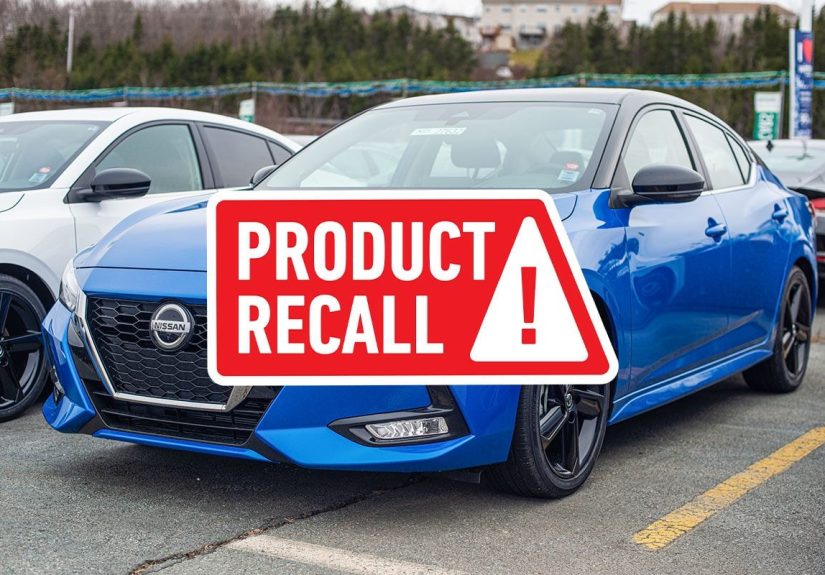
And yet here we are. Nissan has recalled nearly 42,000 Sentras because visible air bubbles can form inside the front windshield laminate, potentially affecting driver visibility. Suddenly, what sounds like a glass-shop annoyance becomes a federal safety issue. That is the sneaky thing about windshield defects: they can look small, but the road does not grade on a curve.
The recall covers 2025 Nissan Sentra sedans built during a specific production window, and while Nissan estimates only a small percentage of those cars may actually have the defect, the company still has to cast a wide net. In recall logic, “probably fine” is not a compliance strategy. If a safety-related manufacturing problem can affect visibility, regulators and automakers both take it seriously.
For drivers, the story is bigger than one odd defect. It is about quality control, laminated glass standards, what an owner should do next, and why a bubble in a windshield is a lot more than an aesthetic offense. Think of it as a reminder that modern cars are full of parts that look simple until they fail in a very inconvenient way.
What the Nissan Sentra recall actually involves
The headline number is big: nearly 42,000 Nissan Sentras. The official figure is 41,797 vehicles, all from the 2025 model year. These cars were built between early July and mid-October 2025, and the issue centers on the front windshield, specifically the laminate layer inside the glass.
Modern windshields are not a single slab of glass. They are laminated structures made from layers designed to improve strength, reduce shattering, and protect occupants. In the recalled Sentras, visible air bubbles may be present in that laminate layer. Depending on where the bubbles are located, the windshield may fail to meet federal glazing standards. More importantly for real humans driving real roads, those bubbles may interfere with what the driver sees.
That is the entire problem in one sentence: a visibility defect in a part that is literally supposed to help you see. There are few places on a car where “minor distortion” feels less charming.
Nissan has said dealers will inspect the windshield and replace it if bubbles are present, at no cost to owners. So this is not a case where drivers are told to squint harder and call it character. It is a formal safety recall with inspection and repair procedures attached.
Why windshield bubbles are more serious than they sound
It is not just a cosmetic flaw
When people hear “bubble in glass,” they often imagine something small and harmless, like a tiny manufacturing mark in a decorative bottle. A vehicle windshield is different. Drivers depend on a clear, undistorted field of view in changing light, rain, traffic, and glare. Even a localized defect can become distracting or visibility-reducing at the wrong moment.
That matters because windshield problems do not need to cover the whole glass to create risk. A defect in the driver’s line of sight can distort shapes, scatter light, or make it harder to judge distance, especially during sunrise, sunset, or nighttime driving. In other words, the bubble does not have to look dramatic to be annoying, and it does not have to be huge to be unsafe.
Federal standards treat glazing defects seriously
This recall also matters because it is tied to compliance with Federal Motor Vehicle Safety Standard 205, the U.S. rule governing glazing materials. The standards prohibit certain bubbles or defects if they extend beyond a specified distance from the windshield edge. So this is not Nissan voluntarily recalling vehicles because somebody in quality control suddenly became a perfectionist. It is a regulatory issue tied to how automotive glass is supposed to perform and how defects are defined.
That compliance angle is important for consumers. It means the issue is not being framed as “a few owners may notice a funny-looking windshield.” It is being handled as a safety noncompliance with potential crash risk due to reduced visibility.
How Nissan found the problem
According to the recall timeline, the issue was first identified during a routine yard audit at Nissan’s Aguascalientes plant in Mexico. A technician spotted air bubbles trapped between the glass sheets and the Polyvinyl Butyral film in the windshield assembly of a 2025 Sentra. That discovery kicked off a broader investigation with the supplier.
That timeline matters because it shows how many recalls begin: not with a viral social media post or an avalanche of complaints, but with one trained person noticing something that should not be there. In the car business, a good audit can save a company from a much uglier story later.
From there, Nissan and the supplier conducted testing and traced the problem to the production process. The reported root cause was potentially linked to misaligned locator pins in the front windshield glass molds. That misalignment could create uneven pressure in the upper section of the windshield and interfere with proper air evacuation during assembly. In plain English: the glass sandwich was not assembled as cleanly as it should have been, and trapped air turned into visible bubbles.
It is a very manufacturing-style problem, which is to say it sounds boring until you realize it affects tens of thousands of vehicles. One small process issue can ripple outward fast when cars are being built at scale.
How many cars may actually be defective?
Here is where the recall gets more nuanced. Nissan estimated that about 2.2% of the recalled vehicles may actually have the defect. On paper, that sounds like a small share. In real numbers, though, it still translates to roughly hundreds of cars, not just a handful.
And more importantly, recalls are about exposure, not just confirmed failures. If a production batch is tied to a supplier issue and the affected vehicles cannot be ruled out cleanly without inspection, the practical move is to recall the whole production group. That is why a recall can involve nearly 42,000 cars even when the likely defect rate is much lower.
For owners, this means one important thing: do not assume your car is fine simply because the odds sound favorable. Low odds are comforting right up until they are parked in your driveway.
What owners of a recalled Nissan Sentra should do
1. Check whether your vehicle is included
If you own a 2025 Nissan Sentra, the first move is simple: verify whether your VIN is part of the recall population. That is the fastest way to move from internet anxiety to actual information. Owners began receiving notification timing tied to the recall schedule, and dealers were informed before owner letters went out.
2. Look closely at the windshield
Even before a dealer inspection, drivers can do a basic visual check. Look for unusual bubbles, distortion, or odd-looking areas in the laminated glass, especially under bright light. That does not replace an official inspection, but it can help owners describe what they are seeing when they contact a dealership.
3. Schedule the inspection promptly
Nissan’s remedy is straightforward: inspect the windshield, and replace it if bubbles are detected. The repair is free. The official paperwork says the work may take about two and a half hours. That is not the worst way to spend an afternoon, although it is still less fun than literally anything else you probably planned.
4. Take visibility issues seriously
The recall report notes there may be no preceding warning to the customer. That means owners should not expect a dashboard light, a dramatic cracking sound, or some theatrical cue from the car. If visibility looks off, treat it like a real safety concern and get the car checked.
What this recall says about Nissan quality control
It would be easy to turn this story into a sweeping argument that Nissan has a giant windshield problem. That would be too neat and probably too lazy. What this recall actually shows is something more specific: supplier-related defects can slip through even in modern manufacturing systems, and windshield quality is one of those areas where a small process miss can become a large compliance event.
At the same time, the Sentra nameplate has now seen more than one windshield-related recall issue in recent model years. A smaller 2024 recall involved air bubbles in the lower driver’s side portion of the windshield that could obscure the VIN area. That does not automatically prove a trend of identical defects, but it does make glass quality a detail that Sentra shoppers and owners may watch more closely.
For Nissan, the bigger takeaway is not just fixing the affected cars. It is convincing owners that the supplier correction really corrected the problem. Recalls can repair hardware, but rebuilding confidence takes a little longer.
Why this matters for used-car buyers and shoppers
If you are shopping for a 2025 Sentra, this recall should not automatically scare you away. Recalls happen across the industry, including on otherwise solid vehicles. The smarter move is to verify whether a specific car has an open recall and whether the inspection or replacement has already been completed.
A completed recall is often less concerning than an unknown one. In fact, some used-car shoppers prefer a vehicle with a documented repair history over one with a vague problem nobody bothered to investigate. Paperwork, in this case, is your friend.
It is also worth remembering that the Sentra remains one of the more mainstream compact sedan choices in the market. That means this recall matters not just because of the defect itself, but because it touches a high-volume, everyday vehicle driven by commuters, students, families, and rideshare users. This is not some rare sports car recall affecting five people and one very nervous collector. This is a bread-and-butter sedan with a broad audience.
What the experience feels like for owners and drivers
For owners, the real-world experience of this recall is usually less dramatic than the headlines and more annoying than expected. The first moment often starts with uncertainty. You are driving a fairly new car, probably assuming the windshield is the least interesting part of it, and then you catch something odd in the glass. Maybe it looks like a little trapped blister. Maybe it only shows up when the sun hits at an angle. Maybe it seems so minor that you tell yourself it is probably just dirt, glare, or your imagination doing jazz hands.
Then the second thought arrives: what if it is not harmless?
That is the strange part of visibility defects. They mess with confidence as much as vision. A driver may begin noticing the windshield more than the road, which is exactly the opposite of what a windshield is supposed to encourage. Instead of disappearing into the background, the glass becomes a thing you monitor. Is that bubble getting bigger? Is that distortion always there? Was that oncoming headlight flare normal, or did the windshield make it worse?
Owners also run into the inconvenience tax that comes with almost every recall. Even when the repair is free, time is not. You have to check your VIN, call the dealership, explain the issue, coordinate transportation, and maybe reshuffle work or school plans. A repair estimated at two and a half hours can still consume half a day once you add real life. Nobody buys a new sedan dreaming of quality time in a dealership waiting area with lukewarm coffee and a television tuned to a channel nobody requested.
There is also the emotional side. A lot of people buy compact sedans like the Nissan Sentra because they want predictability. They want a sensible payment, good fuel economy, and a car that quietly does its job without turning into a personality test. A recall interrupts that deal. Even if the issue is fixable, it changes how the owner feels about the vehicle. The car is no longer “the reliable one.” It becomes “the one with the windshield thing.” That label sticks longer than any service invoice.
For some drivers, the recall may also create resale anxiety. They wonder whether a future buyer will see the recall history and assume the car is trouble. In practice, a completed recall with documentation is usually much better than an open one left unresolved, but buyers do not always think rationally. Car shopping is part math, part gut instinct, and a windshield defect is not exactly a romantic selling point.
Still, there is a more practical side to the owner experience. Many people feel relief once they learn the remedy is straightforward. There is no engine teardown, no months-long parts mystery, no absurd advice to wait and see. The car gets inspected. If the windshield shows the defect, it gets replaced. That clarity matters. In recall world, a simple fix can feel like a luxury.
So the lived experience of this recall is a mix of irritation, caution, and relief. Irritation because a new car should not need this kind of attention. Caution because visibility is not optional. Relief because the problem is recognized, documented, and repairable. It is not a fun ownership chapter, but it is also not the end of the automotive world. It is just one of those modern car moments where a very ordinary part suddenly becomes the star of the story.
Final thoughts
The Nissan Sentra windshield recall is a good example of how small defects can become major safety stories when they affect visibility, compliance, and consumer trust. On the surface, air bubbles in laminated glass sound minor. Under the lens of federal safety standards and everyday driving, they are anything but minor.
The official recall covers 41,797 vehicles, which is why the story is being described as a recall of roughly 42,000 Sentras. The defect rate Nissan estimated is much smaller, but that does not change the importance of the campaign. If you own an affected 2025 Sentra, the right move is simple: verify your VIN, get the inspection, and let the dealer handle the repair if needed.
For everyone else, this recall is a reminder that vehicle safety is not always about dramatic failures. Sometimes it is about a bubble, a manufacturing tolerance, a compliance rule, and a split second of visibility when traffic is moving fast. That is enough to matter. In cars, as in life, tiny flaws are often only tiny until they end up directly in front of your face.