Table of Contents >> Show >> Hide
- Why women in science matter so much in pet health
- From trailblazers to transformation
- Modern female pet health innovators changing the game
- Dr. Katrina Mealey: Making medicine safer, one gene at a time
- Dr. Cheryl London: Advancing cancer care for pets and people
- Dr. Kate Creevy: Rethinking how dogs age
- Dr. Cynthia Otto: Protecting working dogs and expanding canine science
- Dr. Kate Hurley: Reinventing shelter medicine
- Dr. Jane Sykes: Leading the fight against infectious disease
- Dr. Emily McCobb: Expanding access to care
- Dr. Dori Borjesson: Pushing diagnostics and regenerative medicine forward
- What these innovators have in common
- Why this matters for the future of pet health
- Experiences that bring this story to life
- Conclusion
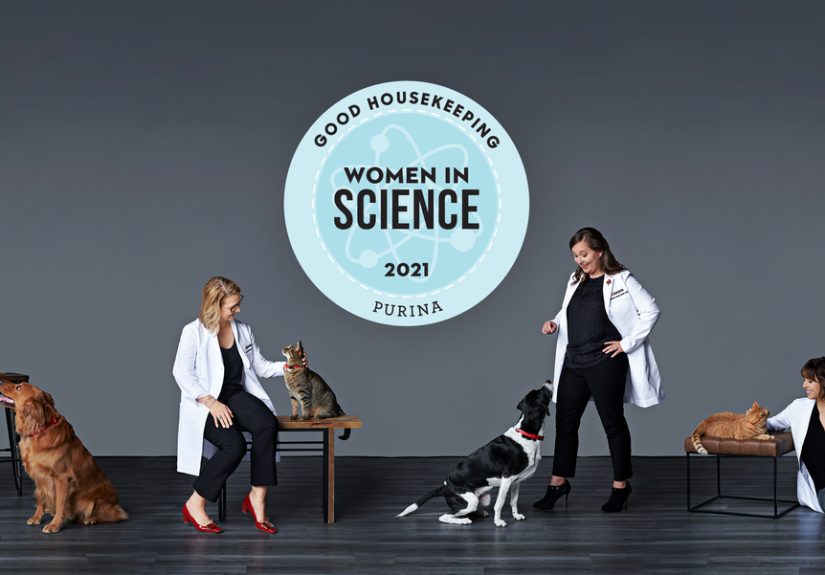
If the history of pet health were a movie trailer, it would probably boom dramatically about “great men of science” while a Labrador ran in slow motion through a field. Charming? Sure. Complete? Not even close. The truth is that women in science have helped transform pet health for more than a century, and today they are doing everything from decoding risky drug reactions in dogs to rethinking cancer treatment, shelter care, infectious disease control, and healthy aging.
That matters for one simple reason: pets are family now in a way that is both emotionally obvious and medically important. Modern pet parents want safer medications, better diagnostics, longer healthy lives, smarter vaccines, and care that is not reserved for people with platinum credit cards and saint-level budgeting skills. Female veterinarians, researchers, educators, and clinical innovators have been central to building that future.
This article celebrates the women who helped open the doors of veterinary medicine and the female pet health innovators who are now redesigning what great care looks like. Some changed the profession by being the first. Others changed it by asking better questions. The best did both.
Why women in science matter so much in pet health
Veterinary medicine is no longer a profession where women are merely “making progress.” They are shaping the center of it. That shift is important not just as a cultural milestone, but as a scientific one. The future of pet health depends on broad talent, sharper collaboration, and research that links lab discoveries to the messy, lovable reality of daily life with animals.
Pet health innovation is also unusually human. It is not just about microscopes, genetic tests, or clinical trials. It is about noticing that a cat is hiding because she hurts. It is about catching a drug sensitivity before a routine treatment becomes a crisis. It is about helping a family keep a dog at home instead of surrendering him because care feels financially impossible. The women highlighted here have advanced all of those goals in very practical ways.
In other words, this is not a story about representation alone. It is a story about results. Better science. Better systems. Better outcomes for animals.
From trailblazers to transformation
The pioneers who forced the profession to make room
Long before women became a major force in veterinary medicine, pioneers had to claw out space in a profession that did not exactly roll out a red carpet. Dr. Elinor McGrath is widely recognized as the first practicing female veterinarian in the United States and the first female member of the AVMA. Her career mattered not only because she practiced medicine, but because she made it harder for the profession to pretend women did not belong in it.
Then came Dr. Alfreda Johnson Webb, the first Black female veterinarian in the United States. Her impact went well beyond the exam room. She became a public servant, educator, and advocate, showing that veterinary medicine could also be a platform for public health, social leadership, and community trust. When people talk about “opening doors,” these women were not just opening them. They were building hinges where there had been solid wall.
Their legacy can still be felt today. Every woman now leading a laboratory, directing a hospital, or launching a pet health initiative walks through a doorway these pioneers helped pry open with sheer determination.
Modern female pet health innovators changing the game
Dr. Katrina Mealey: Making medicine safer, one gene at a time
One of the most practical breakthroughs in companion-animal medicine came from Dr. Katrina Mealey, a veterinary pharmacologist at Washington State University. She discovered the MDR1 gene mutation in dogs and cats, a finding that changed how veterinarians think about drug safety. Before that work, some pets could experience severe or even fatal reactions to commonly used medications, and nobody had a neat little warning label blinking over their heads.
Mealey’s research helped turn “mysterious bad reaction” into “predictable and preventable risk.” That is the gold standard of useful science. Her work laid the groundwork for more individualized veterinary medicine, where treatment can be adjusted to the biology of the animal rather than based on one-size-fits-all assumptions. For pet parents with herding breeds and other at-risk dogs, that innovation has been a genuine life saver.
This is a perfect example of what female pet health innovators do best: take a complicated molecular problem and turn it into something a veterinarian can use on an ordinary Tuesday morning.
Dr. Cheryl London: Advancing cancer care for pets and people
Cancer is one of the scariest words in any household, whether it is spoken about a person or a pet. Dr. Cheryl London has spent years helping shift canine cancer research from a heartbreaking guessing game toward smarter, more targeted treatment. Through clinical trials and comparative oncology, her work has shown that studying naturally occurring cancers in dogs can improve treatment options for pets while also informing human medicine.
That is powerful because dogs do not develop disease in a vacuum. They live in homes, share environments with people, and experience cancers that can mirror important aspects of human disease. London’s work has helped strengthen the idea that veterinary oncology is not a side conversation to “real medicine.” It is real medicine. It is translational science. It is care that can improve survival, comfort, and decision-making for families facing awful diagnoses.
And frankly, any scientist who can push cancer research forward while also helping terrified owners ask better questions deserves more than applause. She deserves a parade of grateful golden retrievers.
Dr. Kate Creevy: Rethinking how dogs age
For years, people have accepted aging in dogs with a shrug and a sad smile, as though decline were simply the price of love. Dr. Kate Creevy has challenged that resignation. As a leader of the Dog Aging Project, she has helped build one of the most ambitious canine health studies in the world, examining how genes, lifestyle, and environment influence lifespan and healthspan in companion dogs.
The beauty of this work is that it treats longevity as more than just “more birthdays.” Healthspan matters. A dog who lives longer but spends years uncomfortable, confused, or immobile is not exactly winning the wellness jackpot. Creevy’s research pushes the field to ask better questions: What helps dogs stay healthy longer? Which risk factors matter most? How can veterinary care become more proactive rather than reactive?
The Dog Aging Project also reflects a modern, collaborative model of science. Owners contribute data, veterinarians share records, and researchers translate that information into broader insights. It is serious science with a very charming public face: thousands of beloved dogs helping answer big questions about aging.
Dr. Cynthia Otto: Protecting working dogs and expanding canine science
Dr. Cynthia Otto’s work reminds us that pet health innovation is not only about disease treatment. It is also about performance, resilience, injury prevention, and long-term well-being. Inspired by her experience caring for search-and-rescue dogs after 9/11, Otto founded the Penn Vet Working Dog Center, which has become a national model for working-dog research, training, and education.
Her work helps answer practical questions with real-world consequences: How do dogs stay safe in extreme conditions? What improves endurance, scent detection, recovery, and long-term health? How can veterinary science support dogs whose jobs place unusual demands on their bodies and minds?
Even for pet owners whose dogs have never held government credentials or dramatically sniffed a suspicious suitcase, Otto’s contributions matter. Research on conditioning, heat stress, performance, and behavior can improve how clinicians and owners understand the health of active dogs across many settings, from service work to sports to very enthusiastic weekend fetch marathons.
Dr. Kate Hurley: Reinventing shelter medicine
Shelter medicine does not always get the glamour of cutting-edge gene science, but its impact on animal welfare is enormous. Dr. Kate Hurley of UC Davis helped change that conversation. Her work in shelter medicine, including Capacity for Care and the Million Cat Challenge, reframed the way organizations think about feline intake, housing, stress, disease control, and lifesaving outcomes.
This kind of innovation is easy to underestimate because it can sound administrative. It is not. Better shelter systems reduce suffering. They lower disease risk. They improve adoption outcomes. They help communities stop treating animal intake as a conveyor belt and start treating it as a medical and welfare problem that can actually be solved.
Hurley’s work is a reminder that innovation does not always arrive wearing a high-tech badge. Sometimes it arrives as a smarter protocol, a better environment, and a system that finally respects what cats and dogs actually need.
Dr. Jane Sykes: Leading the fight against infectious disease
Infectious disease in pets is one of those topics that becomes instantly unfun the moment your dog spikes a fever or your cat starts showing mysterious symptoms. Dr. Jane Sykes has built a career around making that territory more understandable and more manageable. Her work focuses on infectious diseases of dogs and cats, and she has helped shape how veterinarians learn about diagnosis, management, and prevention.
She is also connected to the future-facing side of pet health, including conversations around vaccine innovation and antimicrobial resistance. That is crucial. In modern veterinary medicine, it is not enough to simply have antibiotics or vaccines. Clinicians need the judgment to use them wisely, update protocols when threats change, and communicate clearly with owners who are trying to separate internet panic from medical reality.
Sykes represents the kind of female scientist every field needs: rigorous, practical, and deeply invested in translating specialized knowledge into better patient care.
Dr. Emily McCobb: Expanding access to care
One of the most meaningful shifts in pet health today is the idea that access itself is an innovation challenge. Dr. Emily McCobb’s work in accessible veterinary care tackles a reality the profession can no longer ignore: loving a pet and affording every recommended service are not always the same thing.
At UC Davis, McCobb’s role in accessible veterinary care centers on building evidence-based models that help more families get care for their animals. That includes community-based systems, spectrum-of-care thinking, and practical approaches that keep pets in homes instead of pushing families into heartbreaking choices.
This is the kind of work that changes medicine at the structural level. It recognizes that a breakthrough is only a breakthrough if people can actually reach it. In the real world, innovation is not just the newest tool. It is also the smartest path to getting help to the animals who need it.
Dr. Dori Borjesson: Pushing diagnostics and regenerative medicine forward
Dr. Dori Borjesson has been recognized for innovation in diagnostic veterinary medicine, and her work has also intersected with regenerative approaches that offer new hope for difficult conditions. At UC Davis, she was part of efforts using a novel stem cell approach for feline chronic gingivostomatitis, a painful inflammatory oral disease that can make life miserable for cats and their humans.
That kind of research matters because some chronic pet conditions do not respond neatly to standard therapy. When scientists explore better diagnostics and regenerative options, they expand what is possible for animals who might otherwise live with prolonged pain or limited treatment choices.
Borjesson’s work shows how female pet health innovators often bridge two essential worlds at once: laboratory discovery and clinical application. The science is exciting, but the real victory is much simpler. A cat eats without pain. A family exhales. That is innovation doing its job.
What these innovators have in common
Although their specialties are wildly different, these women share a few striking habits. First, they solve real problems. Drug toxicity. Cancer. Aging. Shelter overcrowding. Infectious disease. Care access. They are not innovating for the thrill of sounding futuristic at conferences with tiny pastries. They are solving problems that shape daily life for animals and the people who love them.
Second, they build bridges. Between pet and human medicine. Between research and clinical care. Between elite hospitals and community settings. Between owners, students, shelters, and scientists. That connective style of work is one reason their contributions feel so durable.
Third, they redefine what leadership looks like. In pet health, leadership is not only about being the loudest expert in the room. It is about making the room bigger, smarter, and more useful for everyone in it.
Why this matters for the future of pet health
The future of pet care will likely be more personalized, more data-driven, and more collaborative. Genetics will keep improving prescribing. Oncology will get smarter. Aging research will move earlier into prevention. Infectious disease work will become even more important as pathogens shift and resistance grows. Shelter medicine and accessible care will keep forcing the profession to confront how health systems actually function outside ideal conditions.
Women in science will continue to be central to that progress because they already are. The question is no longer whether female innovators belong in pet health. The evidence is overwhelming. They helped build the present. They are actively designing the future.
And that future looks pretty good: safer treatment, better diagnostics, longer healthy lives, stronger shelter systems, more humane access, and pet medicine that is both scientifically ambitious and deeply compassionate. Not bad for a field that once treated women like guests instead of architects.
Experiences that bring this story to life
To really understand the impact of women in science on pet health, it helps to picture the lived experience behind the breakthroughs. Think about a veterinarian reviewing a medication list for a nervous herding-breed dog. Because of research like Katrina Mealey’s, that moment is no longer just routine prescribing. It becomes a careful, informed decision shaped by genetics. The owner may never see the molecular science in action, but they experience its benefit as safety, confidence, and trust.
Or picture a family sitting in an oncology consult with a dog who still wags, still leans into their legs, still looks heartbreakingly normal. Research from leaders like Cheryl London changes that room. It brings more than treatment options. It brings language, structure, evidence, and the possibility that “cancer care” for pets can mean thoughtful medicine instead of desperate improvisation. The emotional experience of that matters. Good science reduces panic because it gives people something solid to hold onto.
In shelters, the experience is different but just as meaningful. A stressed cat in a crowded environment may stop eating, hide constantly, and spiral medically because the system around her is poorly designed. Shelter medicine innovators like Kate Hurley changed the experience of care by changing the environment itself. Better housing, smarter intake, lower stress, and stronger protocols can save lives without a single dramatic miracle. For shelter teams, that means fewer preventable crises. For animals, it means a better chance to recover, adapt, and find a home.
Then there is the experience of aging. Anyone who has loved a senior dog knows the strange combination of gratitude and dread that comes with the gray muzzle years. The work of Kate Creevy and the Dog Aging Project validates what owners have long felt intuitively: aging is not one thing, and it should be studied seriously. Owners who participate in these studies often experience something powerful. They become part of science not in an abstract way, but in a deeply personal one. Their dog’s daily life, health record, and habits become part of a larger effort to help future dogs live better.
Accessible veterinary care creates another kind of experience entirely. It speaks to the family that loves their pet completely but cannot always say yes to every gold-standard recommendation. Innovators like Emily McCobb are helping reshape that moment from one of shame to one of partnership. That may be one of the most humane advances in modern pet health. Medicine works best when people can engage with it honestly.
Even in infectious disease, where the science can get technical fast, leaders like Jane Sykes improve the everyday experience of pet ownership. They help turn fear into guidance. When outbreaks happen or resistance patterns change, pet owners do not just need facts. They need calm, evidence-based interpretation. That is a form of care too.
All of these experiences point to the same conclusion: female pet health innovators do not simply publish papers or lead programs. They change what it feels like to care for an animal. They make medicine safer, clearer, kinder, and more effective. For the pets in our homes and the professionals in our clinics, that is not an abstract achievement. It is real life, improved.
Conclusion
Celebrating women in science is not about handing out symbolic gold stars and calling it progress. In pet health, women have driven major advances in genetics, oncology, infectious disease, aging research, shelter medicine, diagnostics, and access to care. They have opened doors, challenged outdated systems, and built smarter ways to protect the animals people adore.
If there is a lesson here, it is that pet health gets better when science is curious, compassionate, and brave enough to rethink the rules. Female innovators have brought all three. And for countless dogs, cats, shelters, clinics, and families, their work has already made the future arrive a little earlier.