Table of Contents >> Show >> Hide
- What Are Butt Kicks?
- Muscles Worked During Butt Kicks
- How to Do a Basic Butt Kick Correctly
- 11 Ways to Do Butt Kicks
- 1. Classic Standing Butt Kicks
- 2. Marching Butt Kicks
- 3. Jogging-in-Place Butt Kicks
- 4. Traveling Butt Kicks
- 5. Wall-Supported Butt Kicks
- 6. Arm-Drive Butt Kicks
- 7. Quick-Feet Butt Kicks
- 8. Low-Impact Alternating Butt Kicks
- 9. Butt Kick Intervals
- 10. Butt Kicks With High Knees Combo
- 11. Forward-Lean Runner’s Butt Kicks
- Common Butt Kick Mistakes to Avoid
- Benefits of Butt Kicks
- How Long Should You Do Butt Kicks?
- When to Use Butt Kicks in a Workout
- Sample Butt Kick Warm-Up Routine
- Safety Tips Before You Start
- Experience Notes: What Butt Kicks Feel Like in Real Workouts
- Conclusion
Butt kicks look simple: you jog, your heels chase your glutes, and suddenly you are doing a move that sounds like a playground dare but behaves like a serious warm-up drill. This classic bodyweight exercise is popular with runners, athletes, fitness instructors, and anyone who wants to raise the heart rate without needing a gym full of equipment or a machine that beeps judgmentally.
At its core, the butt kick exercise trains a quick heel recovery, warms up the hamstrings and quadriceps, encourages light foot contact, and helps the body shift from “couch mode” to “ready to move.” It can be used before running, sports practice, circuit training, dance workouts, or general cardio sessions. Done with control, butt kicks are not just random foot-flinging. They are a dynamic movement that can improve coordination, rhythm, leg turnover, and lower-body readiness.
This guide covers 11 ways to do butt kicks, from beginner-friendly marching versions to more athletic running-drill variations. You will learn how to perform them safely, what muscles they work, how to avoid common mistakes, and how to fit them into a warm-up or workout without turning your living room into a chaotic ankle festival.
What Are Butt Kicks?
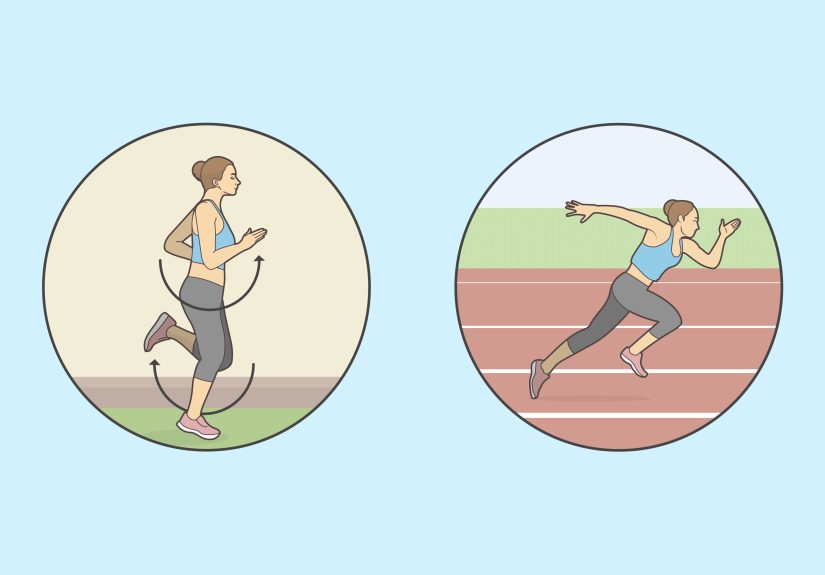
Butt kicks, also called butt kickers or heel-to-glute drills, are a dynamic exercise where you alternate bending each knee so the heel travels toward the glutes. The move may be performed in place, while traveling forward, at a slow marching pace, or at a quick running rhythm. Unlike static stretching, butt kicks keep the body moving, gradually increasing blood flow and range of motion.
Fitness coaches often use butt kicks as part of a dynamic warm-up because they wake up the legs before more demanding exercise. Runners use them to practice quicker turnover and smoother heel recovery. Group fitness classes use them as a simple cardio burst. Beginners can slow the movement down, while advanced exercisers can increase speed, distance, or coordination demands.
Muscles Worked During Butt Kicks
Butt kicks mainly involve the hamstrings, quadriceps, glutes, calves, hip flexors, and core. The hamstrings bend the knee and pull the heel upward. The quadriceps get a dynamic stretch as the knee bends. The glutes and hip muscles help stabilize the pelvis, while the calves and ankles support light, springy landings. When you pump your arms naturally, the shoulders, upper back, and core join the party too.
The best part is that butt kicks require no equipment. Your body is the equipment. Your floor is the stage. Your coordination is the entertainment.
How to Do a Basic Butt Kick Correctly
Before trying the 11 variations, master the standard version. Stand tall with your feet about hip-width apart. Keep your chest lifted, ribs stacked over hips, and eyes forward. Bend your right knee and bring your right heel toward your glutes. Place the ball of your right foot back on the floor, then repeat on the left side. As you get comfortable, alternate legs faster until the movement feels like a light jog.
Your feet should land softly under your body, not far in front of you. Keep your arms bent around 90 degrees and let them swing naturally, as if you are running. Think “quick and light,” not “kick like an angry donkey.” The goal is rhythm, posture, and control.
11 Ways to Do Butt Kicks
1. Classic Standing Butt Kicks
The classic standing butt kick is the version most people learn first. You stay mostly in place while alternating heels toward the glutes. This is a great warm-up before jogging, bodyweight training, or sports because it raises your heart rate without requiring much space.
Start slowly for 20 to 30 seconds. Focus on keeping your knees pointed down and slightly forward instead of letting them flare out. Land on the balls of your feet with soft knees. Once your rhythm improves, increase speed while keeping your torso upright. This version is ideal for beginners, home workouts, and quick warm-up routines.
2. Marching Butt Kicks
Marching butt kicks are the low-impact cousin of the classic version. Instead of jogging or bouncing, you step from foot to foot while drawing one heel toward your glutes at a time. This reduces impact and gives you more time to feel the movement.
Use this version if you are new to exercise, warming up after sitting for a long time, or practicing form before adding speed. Stand tall, step onto your left foot, bend your right knee, and bring your right heel back. Lower it with control, then switch. Keep the movement smooth and relaxed. You should feel your thighs warming up, not your joints complaining like they have filed a formal report.
3. Jogging-in-Place Butt Kicks
Jogging-in-place butt kicks add more bounce and cardio intensity. This is the version often seen in fitness classes. The movement is compact, quick, and easy to add to circuits. It works well before burpees, squats, lunges, or running intervals.
Begin with a light jog, then gradually pull each heel higher. Keep your steps quick and your landing quiet. If your feet sound like a stampede of tiny elephants, slow down and soften the impact. Try 20 seconds on, 20 seconds off for three rounds. This gives you a short cardio boost without needing a treadmill or outdoor space.
4. Traveling Butt Kicks
Traveling butt kicks move forward across a room, track, court, or field. They are excellent for runners because they feel more like a true running drill. Instead of staying in place, you move forward with short, quick steps while your heels lift toward your glutes.
Keep the stride short. Do not overreach. Your feet should land under your hips, and your arms should swing naturally. Try traveling 10 to 20 yards, then walking back to recover. This version helps warm up the legs before sprinting, soccer, basketball, tennis, or a regular run around the neighborhood.
5. Wall-Supported Butt Kicks
Wall-supported butt kicks are useful for practicing posture and balance. Stand facing a wall, place both hands lightly on it, and lean forward just a little from the ankles. Alternate bringing each heel toward your glutes while keeping your core engaged.
This variation teaches you not to arch your lower back or swing your legs wildly. The wall gives support, making it easier to focus on the path of the heel and the position of the knees. It is especially helpful for beginners, older exercisers, or anyone who wants to clean up their form before moving faster.
6. Arm-Drive Butt Kicks
Arm-drive butt kicks turn the drill into a full-body coordination exercise. Perform regular butt kicks while exaggerating a strong but controlled running arm swing. Keep elbows bent, shoulders relaxed, and hands moving from about hip level toward chest level.
This version is excellent for runners because the arms help set rhythm. If your arms cross wildly in front of your body, your legs may follow with messy movement. Keep the arm swing front-to-back and relaxed. Imagine your elbows are helping you move forward, not trying to win an argument with the air.
7. Quick-Feet Butt Kicks
Quick-feet butt kicks focus on cadence, or how quickly your feet cycle. The goal is not to kick as high as possible. Instead, aim for fast, light steps with a shorter heel lift. This variation is useful for athletes who want to improve leg turnover and foot speed.
Set a timer for 10 to 15 seconds and move quickly while staying controlled. Rest, then repeat. Because this version is more intense, keep the duration short. Quality matters more than speed. If your form falls apart, you are no longer training quick feet; you are just auditioning for a cartoon chase scene.
8. Low-Impact Alternating Butt Kicks
Low-impact alternating butt kicks are perfect when you want the warm-up benefits without jumping. Step side to side or in place while curling one heel back at a time. Add a gentle arm swing to raise your heart rate slightly.
This option works well for apartment workouts, early-morning routines, or days when your knees or ankles prefer a polite conversation instead of a loud meeting. Keep the movement controlled and pain-free. You can use it before yoga, Pilates, strength training, or a casual walk.
9. Butt Kick Intervals
Butt kick intervals use the movement as a cardio drill. Try 30 seconds of butt kicks followed by 30 seconds of walking or marching. Repeat for 4 to 8 rounds depending on your fitness level. This format can raise your heart rate while still being easy to modify.
For a beginner-friendly version, use marching butt kicks during the work period. For a more advanced version, use jogging-in-place or quick-feet butt kicks. Keep your breathing steady and your posture tall. Intervals should feel challenging, not like you accidentally signed up for a survival documentary.
10. Butt Kicks With High Knees Combo
This combination pairs butt kicks with high knees for a balanced dynamic warm-up. Butt kicks emphasize heel recovery and the front-of-thigh stretch, while high knees bring attention to hip flexion, core engagement, and knee drive. Together, they prepare the legs for running and athletic movement.
Try five butt kicks followed by five high knees, repeating for 30 to 60 seconds. Move at a pace you can control. Keep your chest tall during both exercises. This combo is especially helpful before running workouts, field sports, or conditioning circuits.
11. Forward-Lean Runner’s Butt Kicks
The forward-lean runner’s butt kick is a more athletic version. Start with a slight lean from the ankles, not the waist. Jog forward with short steps while pulling each heel up under the body. Your knees should not shoot far forward; the focus is quick heel recovery and efficient rhythm.
This variation is best for runners and athletes who already have decent coordination. Perform it over 10 to 20 meters on a flat surface. Walk back to recover and repeat 2 to 4 times. Keep the movement light, quick, and smooth. The goal is to feel springy and prepared, not exhausted before the real workout even begins.
Common Butt Kick Mistakes to Avoid
Kicking Too Hard
The heel should travel toward the glutes, but you do not need to slam it into your body. A controlled heel lift is enough. Overkicking can make the movement sloppy and uncomfortable.
Letting the Knees Flare Out
Your knees should generally point forward and slightly downward. If they swing out to the sides, slow down and practice the marching version.
Leaning Back
Leaning back can stress the lower back and reduce the quality of the drill. Stay tall, brace lightly through the core, and keep your ribs over your hips.
Landing Loudly
Noisy landings usually mean you are hitting the ground too hard. Land softly on the balls of your feet and keep your knees relaxed.
Going Too Fast Too Soon
Speed is useful only when your form is solid. Start slow, build rhythm, and then increase tempo. Your joints will appreciate your maturity.
Benefits of Butt Kicks
Butt kicks are popular because they are simple, flexible, and surprisingly useful. They can increase heart rate, warm up the lower body, and prepare the legs for faster movement. They also help mobilize the quadriceps dynamically while activating the hamstrings. For runners, butt kicks can reinforce a quicker heel recovery and smoother stride rhythm.
Another benefit is convenience. You can do butt kicks almost anywhere: in a gym, hallway, driveway, hotel room, field, or tiny apartment space where your coffee table already fears your ambition. Because no equipment is required, butt kicks are easy to add to warm-ups, cardio circuits, and short movement breaks.
How Long Should You Do Butt Kicks?
For a warm-up, 20 to 60 seconds is usually enough. You can also perform 10 to 20 reps per side or travel 10 to 20 yards. If using butt kicks in a cardio circuit, try short intervals such as 20 to 30 seconds of work followed by rest or lower-intensity movement.
Beginners should start with one or two short rounds. More experienced exercisers can add multiple variations or include butt kicks between strength exercises. The key is to keep the movement crisp. Once your form fades, stop or switch to a gentler version.
When to Use Butt Kicks in a Workout
Butt kicks fit best near the beginning of a workout, especially after a few minutes of easy movement such as walking, light jogging, or marching. They are a smart choice before running, lower-body strength training, sports drills, dance cardio, or interval workouts.
You can also use them as active recovery between exercises, but keep the intensity appropriate. For example, after a set of squats, 20 seconds of low-impact butt kicks can keep your body moving without overloading your legs. Before sprinting, traveling butt kicks or runner’s butt kicks can help you feel quicker and more coordinated.
Sample Butt Kick Warm-Up Routine
Here is a simple five-minute routine that uses butt kicks without overcomplicating your life:
- 60 seconds: easy marching or light jogging
- 30 seconds: marching butt kicks
- 30 seconds: classic standing butt kicks
- 30 seconds: high knees
- 30 seconds: butt kicks with arm drive
- 60 seconds: walking lunges or leg swings
- 60 seconds: easy jog, brisk walk, or sport-specific movement
This routine gradually raises your heart rate and prepares your legs for more intense movement. Adjust the timing based on your fitness level and the workout ahead.
Safety Tips Before You Start
Butt kicks are generally beginner-friendly, but form still matters. Choose a flat, non-slippery surface. Wear supportive shoes if you are doing higher-impact versions. Start with low-impact or marching variations if you are new to exercise, returning after a break, or warming up in a small space.
If you feel sharp pain in your knees, ankles, hips, or lower back, stop and switch to a gentler movement. Mild muscle warmth is normal; pain is not a badge of honor. It is your body’s customer service department asking you to change the plan.
Experience Notes: What Butt Kicks Feel Like in Real Workouts
The first time many people try butt kicks, they assume the exercise will be ridiculously easy. After all, it looks like jogging with a slightly silly twist. Then 20 seconds pass, the breathing changes, the calves wake up, and the hamstrings politely announce, “Hello, we work here.” That is the charm of butt kicks: they are simple enough for almost anyone to understand, but they become surprisingly effective when performed with good rhythm.
In real workouts, butt kicks often work best as a bridge. They help connect the sleepy first few minutes of movement with the stronger, more focused part of training. For example, before a morning run, walking out the door and immediately sprinting is rarely a brilliant idea. Your body may technically be awake, but your legs might still be negotiating with the blanket. Adding 30 seconds of marching butt kicks, then 30 seconds of light jogging butt kicks, can make the first mile feel smoother.
For people doing home workouts, butt kicks are also useful because they require almost no space. You can do them beside a desk, next to a couch, or in a hallway. The trick is choosing the right version. In an upstairs apartment, low-impact alternating butt kicks may be the neighbor-friendly option. In a garage or driveway, jogging-in-place butt kicks can add more cardio. On a track or field, traveling butt kicks feel more athletic and natural.
One practical lesson: faster is not always better. Many exercisers turn butt kicks into frantic heel-flapping. The result is usually poor posture, loud landings, and knees drifting everywhere like they missed the group text. A better approach is to begin slowly and make every rep clean. Once the heel path, arm swing, and landing feel smooth, speed can increase naturally.
Another experience-based tip is to pair butt kicks with movements that balance them. High knees, leg swings, walking lunges, ankle bounces, and gentle skips all complement butt kicks well. Butt kicks focus on bending the knee and warming the front of the thigh, while other drills open the hips, wake up the calves, and prepare the body in different directions. A warm-up should feel like a friendly team meeting for your muscles, not a one-person lecture.
Butt kicks can also reveal tightness. If your heel barely moves toward your glutes, do not force it. Use a smaller range of motion and gradually build comfort. Over time, the movement may feel smoother as your quads warm up and your coordination improves. The goal is not to win a heel-to-butt contest. The goal is to move better, warm up smarter, and enter your workout feeling ready instead of rusty.
For runners, butt kicks are most helpful when treated as a drill, not just a cardio filler. Stay tall, keep ground contact light, and focus on quick recovery under the body. When done well, the movement can make your stride feel snappier. For general fitness, they are a simple way to add energy to a warm-up without equipment. Either way, butt kicks prove that a small movement with a funny name can still earn a respectable place in your routine.
Conclusion
Butt kicks are one of the easiest dynamic warm-up exercises to learn, but they offer more value than their playful name suggests. They warm up the hamstrings, mobilize the quadriceps, raise the heart rate, support running mechanics, and fit into nearly any workout space. Whether you choose marching butt kicks, traveling butt kicks, quick-feet butt kicks, or a high-knees combo, the best version is the one you can perform with control, comfort, and consistency.
Start with the basics, keep your landings soft, use your arms naturally, and increase speed only when your form is ready. Done well, butt kicks can help you move into workouts feeling lighter, warmer, and more coordinated. Not bad for an exercise that sounds like it was named by a gym coach with a sense of humor.