Table of Contents >> Show >> Hide
- Why Italian Hand Gestures Matter
- 17 Italian Hand Gestures You Should Know
- 1. The Pinched Fingers: “What do you want?”
- 2. The Back-By-the-Shoulder Wave: “A long time ago”
- 3. The L-Shaped Twist: “There’s none left”
- 4. The Chin Flick: “I don’t care”
- 5. The Cheek Twist: “Delicious”
- 6. The Chef’s Kiss: “Perfect”
- 7. The Circular Flourish: “Amazing”
- 8. The Sideways Flat Hand: “Let’s go”
- 9. The Up-and-Down Flat Hand: “Go away”
- 10. Temple Tap: “Crazy”
- 11. Hand by the Nose: “What a stink”
- 12. Both Palms Up: “I don’t know”
- 13. Fingertips Together, Hands Slightly Apart: “What are you talking about?”
- 14. Prayer-Like Hands Moving: “Well? Hurry up.”
- 15. Pinched Hand Opening and Closing: “I’m scared”
- 16. Horizontal Hand Opening and Closing: “You talk too much”
- 17. The Horns: Good luck or insult, depending on direction
- How to Use Italian Gestures Without Embarrassing Yourself
- Why Travelers Love Learning These Gestures
- Final Thoughts
- Personal Experience: What These Gestures Feel Like in Real Life
In Italy, conversation does not always stay politely inside the mouth. It spills out through eyebrows, shoulders, shrugs, and especially hands. If English speakers use punctuation, Italians sometimes use choreography. That does not mean every Italian is out there conducting an invisible orchestra at breakfast, but hand gestures are a recognizable part of daily communication, adding mood, sarcasm, warmth, disbelief, and the occasional “Are you serious right now?” without requiring a single extra word.
That is why learning Italian hand gestures is not just a fun travel trick. It is a shortcut into Italian body language, social nuance, and the emotional flavor of real conversation. It can help you understand what someone means when the words sound calm but the fingers are staging a dramatic protest. It can also help you avoid using the wrong gesture and accidentally turning a cheerful lunch into a tiny diplomatic incident.
Below are 17 must-know Italian gestures and their meanings, along with context, travel tips, and examples. Think of this as your crash course in speaking fluent hand.
Why Italian Hand Gestures Matter
Italian gestures are not random jazz hands. They often work with speech to sharpen meaning, replace missing words, or amplify emotion. In a country with strong regional identities, expressive conversation, and a long tradition of nonverbal communication, gestures can function like visual subtitles. They help clarify whether a speaker is joking, annoyed, impressed, skeptical, or completely done with nonsense for the day.
That said, context is everything. The same movement can feel playful among friends and rude in the wrong situation. Facial expression matters. Speed matters. Setting matters. Your safest strategy as a visitor is simple: observe first, imitate later, and maybe do not debut your full hand-gesture routine five minutes after landing in Rome.
17 Italian Hand Gestures You Should Know
1. The Pinched Fingers: “What do you want?”
This is the superstar of Italian gestures. Bring all your fingertips together, point them upward, and move the hand slightly up and down. It usually means something like “What do you want?” “What are you saying?” or “What on earth is going on here?” It can signal confusion, disbelief, annoyance, or impatient questioning. Think of it as the Swiss Army knife of Italian exasperation.
2. The Back-By-the-Shoulder Wave: “A long time ago”
Move one hand back and forth beside your shoulder, as if brushing the past into the distance. This gesture means “way back then,” “ages ago,” or “a long time ago.” It often comes with a dramatic tone that says the event happened sometime between yesterday and the fall of the Roman Empire.
3. The L-Shaped Twist: “There’s none left”
Extend your thumb and index finger into an L shape and twist or shake the hand. This usually means “There’s nothing left,” “We’re out,” or “I don’t have any more.” It is especially handy from a distance. A restaurant host might use it to signal no tables. A friend might use it to tell you the snacks have vanished. Tragic, but efficient.
4. The Chin Flick: “I don’t care”
Brush the underside of your chin outward with the back of your fingers. This gesture says “I don’t care,” “Whatever,” or “Not my problem.” It can come off as dismissive, so do not toss it around casually unless you are very sure of the situation. In other words, this is not the hand signal you use while asking a hotel clerk for extra towels.
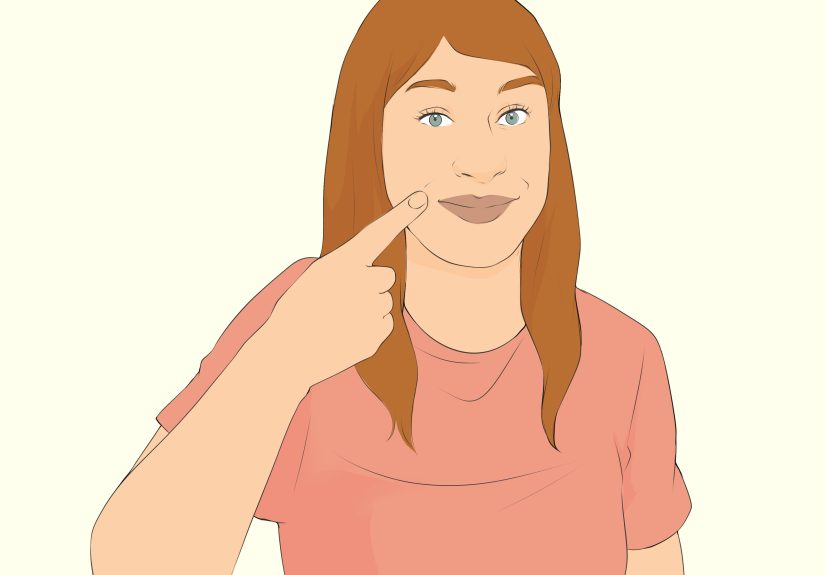
5. The Cheek Twist: “Delicious”
Touch your cheek with the tip of your index finger and twist slightly. This means something tastes very good. It is charming, expressive, and far safer than many other gestures on this list. If your pasta is excellent and your soul leaves your body for three seconds, this is the hand signal for the moment.
6. The Chef’s Kiss: “Perfect”
Gather your fingers together, kiss the fingertips, then move the hand away as if releasing culinary poetry into the universe. This gesture means “perfect,” “excellent,” or “that was magnificent.” Yes, it is theatrical. No, Italians are not apologizing for that. Used properly, it praises food, style, music, or anything else worthy of admiration.
7. The Circular Flourish: “Amazing”
Move the hand in a circular motion in front of you to show that something is spectacular, abundant, or overwhelmingly good. This one is often associated with southern Italian expressiveness and usually comes with a face that says, “Behold, greatness.” The motion can mean “so good,” “so beautiful,” or “wow, that is a lot.”
8. The Sideways Flat Hand: “Let’s go”
Hold your fingers tightly together and move the hand sideways. This means “Let’s leave,” “Time to go,” or “Come on.” It is useful when you want to communicate quietly without announcing to everyone that you are escaping the party before someone starts a fourth round of speeches.
9. The Up-and-Down Flat Hand: “Go away”
Use a similar hand position as the previous gesture, but point it toward someone and move it up and down. That changes the message completely. Now it means “Go away,” “Move along,” or “Leave me alone.” This is not subtle. It is also not especially polite. Save it for understanding, not necessarily performing.
10. Temple Tap: “Crazy”
Tap your temple with your index finger to suggest that someone is crazy, ridiculous, or behaving irrationally. Many cultures have a version of this, so it is one of the easier gestures for Americans to recognize. Still, tone matters. Among friends it may be playful. In a tense situation, it is gasoline with eyebrows.
11. Hand by the Nose: “What a stink”
Wave a flat hand in front of your nose as if trying to push a bad smell away. This means something stinks, literally or figuratively. It can describe an actual odor, bad behavior, or a suspicious situation. Handy for markets, alleys, and occasionally politics.
12. Both Palms Up: “I don’t know”
Raise both hands with palms up and shrug. Italians often pair this with boh, which means “I don’t know” or “Who knows?” It is not uniquely Italian, but it appears often enough in everyday conversation that it deserves a place on the list. Minimal finger effort, maximum communicative value.
13. Fingertips Together, Hands Slightly Apart: “What are you talking about?”
Bring the hands together at the fingertips, separate them slightly, and shake them at chest or diaphragm level. This gesture expresses disbelief, frustration, or “What nonsense is this?” It is a cousin of the famous pinched-fingers move, but with a slightly different energy: less question, more protest.
14. Prayer-Like Hands Moving: “Well? Hurry up.”
Hold the palms together higher up near the chest and move them up and down to show impatience. It means something like “So?” “What are you waiting for?” or “Come on already.” It is the visual equivalent of waiting for someone who said they would be ready in five minutes thirty-five minutes ago.
15. Pinched Hand Opening and Closing: “I’m scared”
Start with the classic pinched-fingers shape, but instead of moving the hand up and down, open and close the fingers repeatedly. This gesture can express fear or nervousness, often in a playful way. It is common in storytelling, teasing, or dramatic reactions to spooky news, terrible drivers, or bills from tourist restaurants.
16. Horizontal Hand Opening and Closing: “You talk too much”
Place the hand horizontally, palm down, and open and close the fingers. This signals that someone is talking too much, rambling, or becoming annoying. It is almost funny until you realize you are the person being described. Use with care unless your life goal is to start lively arguments before dessert.
17. The Horns: Good luck or insult, depending on direction
Extend the index finger and pinky to make horns. In some contexts, especially when directed downward or used as a protective sign, it is connected with warding off bad luck or the evil eye. Directed at a person with the wrong posture or attitude, however, it can imply infidelity and become highly offensive. This is a perfect example of why Italian gestures should come with an instruction manual and possibly a warning label.
How to Use Italian Gestures Without Embarrassing Yourself
The first rule is simple: do not treat Italian gestures like party tricks. They work because they belong to living social context. When copied mechanically, they can look exaggerated, mocking, or just plain wrong. A gesture that feels natural in Naples may look odd somewhere else. A movement that is funny among cousins may seem rude with strangers. And yes, some famous gestures that tourists assume are harmless are definitely not harmless.
The second rule is to watch the face, not just the fingers. Italian gestures often ride along with facial expression, posture, and tone of voice. The same hand movement can say “Amazing!” with a grin and “Too much!” with a grimace. The hand gives the outline; the face writes the final sentence.
The third rule is to start with safer gestures. “Delicious,” “perfect,” and “I don’t know” are generally easier than dismissive or insulting signs. Think of it as learning to cook: maybe do not begin with flaming sambuca.
Why Travelers Love Learning These Gestures
Understanding Italian body language makes travel richer because it lets you catch the emotional subtext of everyday moments. You notice the grandmother in the bakery complimenting the cannoli without needing subtitles. You spot the impatient father telling the kids to hurry up. You understand that the waiter is not angry, just expressive. Suddenly the country feels less like a postcard and more like a conversation.
And honestly, there is joy in it. Italian gestures are practical, funny, sharp, and wonderfully human. They remind us that language does not stop at the lips. Sometimes communication lives in the wrist, the shrug, the tiny eyebrow lift, and the hand that says, more clearly than words ever could, “My friend, what exactly is this nonsense?”
Final Thoughts
If you remember only one thing from this guide, make it this: Italian hand gestures are meaningful, not random. They can add flavor, clarity, humor, and drama to conversation, but they can also misfire when used without context. Learn them, enjoy them, and let them deepen your understanding of Italian culture. Just maybe keep the dangerous ones holstered until you know exactly what you are doing.
Because in Italy, silence may be golden, but a well-timed hand gesture is sometimes platinum.
Personal Experience: What These Gestures Feel Like in Real Life
The first time I really noticed Italian hand gestures in action, I was not standing in front of a monument or doing anything glamorous. I was in a crowded café, trying to order coffee while pretending I absolutely understood the social rhythm around me. I did not. Not even a little. The barista was speaking, the customer beside me was speaking, someone near the door was speaking louder, and yet somehow the clearest part of the whole conversation was happening in the air above the counter.
A man waiting for his espresso pinched his fingers together and bounced his hand once, and I knew immediately that he was not asking about the weather. A woman near the pastry case touched her cheek and smiled after one bite, and I did not need a translation to know the pastry had just changed her mood. Then someone did the palms-up shrug with a perfect little boh, and suddenly I realized I was watching a second language layered on top of spoken Italian.
What surprised me most was not that the gestures were expressive. Everyone knows that stereotype. What surprised me was how precise they felt. They were not random flourishes thrown in for drama. They were efficient. Quick. Specific. A gesture could carry impatience, affection, disbelief, or praise in one second flat. It was like watching subtitles that appeared in real time over people’s shoulders.
I also learned very quickly that confidence is dangerous when it is not backed up by knowledge. At one point, I considered trying the horn gesture because, in my American brain, it still lived in the same category as rock concerts and enthusiastic approval. Thankfully, observing locals for another day made it clear that some gestures are cultural live wires. They may look familiar, but the meaning is not yours to assume. That was one of the best lessons of the trip: body language is local, and humility travels well.
By the end of the experience, I found myself appreciating the emotional honesty of Italian conversation. People seemed willing to let feeling show. Confusion looked confused. Delight looked delighted. Annoyance did not hide behind polite wallpaper. There was something refreshing about that. In a world full of carefully filtered text messages, the hand gestures felt gloriously analog. Messy, human, immediate, and impossible to mistake for corporate email energy.
So yes, learning Italian gestures is useful for travel. It helps you understand people, avoid awkward mistakes, and enjoy the culture more deeply. But it also does something else. It reminds you that communication is physical. It lives in rhythm and movement, not just vocabulary lists. And that may be the best part of all. Even if your Italian is clumsy, your attention does not have to be. Watch closely, and the room starts speaking long before the dictionary catches up.