Table of Contents >> Show >> Hide
- What Is Blackberry Lily?
- Why Gardeners Love Blackberry Lily
- Best Growing Conditions for Blackberry Lily
- How to Plant Blackberry Lily
- Blackberry Lily Care Through the Season
- How to Propagate Blackberry Lily
- Pruning, Deadheading, and Seed Pods
- Common Problems and How to Fix Them
- Design Ideas for Using Blackberry Lily in the Garden
- Is Blackberry Lily Safe Around Pets?
- Common Mistakes to Avoid
- Real-World Growing Experiences and Lessons from Blackberry Lily
- Final Thoughts
Blackberry lily is the kind of plant that makes gardeners do a double take. It looks a bit like a lily, grows like an iris, and then tosses out seed clusters that resemble tiny blackberries just to keep everyone guessing. In other words, it is a full-on overachiever with an identity crisis, and that is exactly why people love it.
Known botanically as Iris domestica and formerly sold as Belamcanda chinensis, blackberry lily is a rhizomatous perennial prized for its orange, speckled flowers, upright fan-shaped foliage, and dramatic seed pods. It brings summer color, fall texture, and winter interest without demanding constant pampering. That is a pretty sweet deal in any garden.
If you want a flower that looks exotic but behaves like a practical, low-maintenance perennial, blackberry lily deserves a place on your planting list. Here is everything you need to know about growing blackberry lily, caring for it through the seasons, and getting the best show from this quirky garden favorite.
What Is Blackberry Lily?
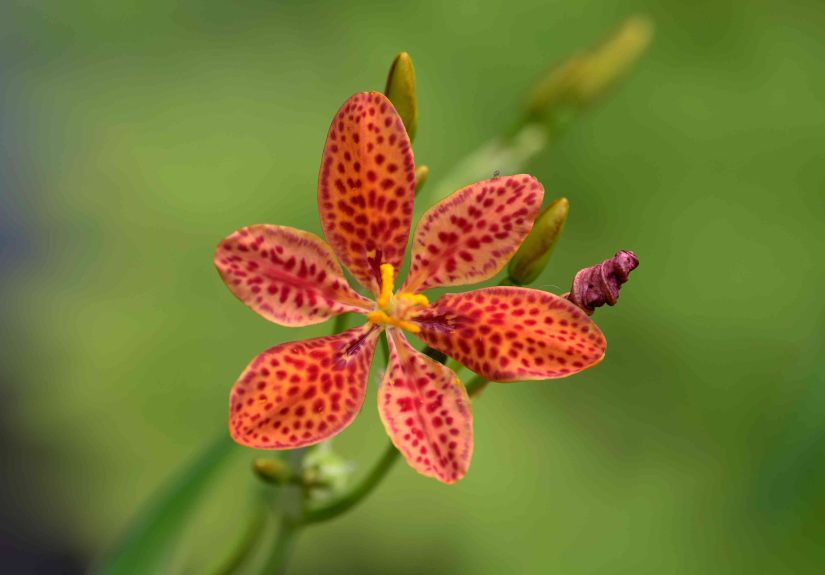
Despite the name, blackberry lily is not a true lily. It belongs to the iris family, which explains its sword-like leaves and rhizomatous growth. The flowers are usually orange with red or burgundy speckles, though yellow cultivars are also available. Each bloom lasts only a day, but the plant produces flowers over several weeks in midsummer, so the overall display still feels generous.
The real finale comes later. After flowering, the seed pods split open to reveal shiny black seeds clustered like oversized blackberries. That seed display is the reason for the common name, and honestly, it is the garden equivalent of a surprise post-credits scene.
Blackberry lily is typically hardy in USDA Zones 5 to 10. Mature plants usually grow about 2 to 3 feet tall, though flower stems can stretch a bit taller in rich soil and favorable conditions. It works beautifully in perennial borders, cottage gardens, coastal gardens, cutting gardens, and sunny walkways where you can admire the flowers and seed heads up close.
Why Gardeners Love Blackberry Lily
There are plenty of good reasons blackberry lily has stuck around in American gardens for years:
It looks unusual without being fussy
The flowers are lightly tropical-looking, but the plant itself is surprisingly easygoing once established.
It handles heat and short dry spells well
After it settles in, blackberry lily shows good drought tolerance. That makes it useful in gardens where summer can turn into a giant outdoor hair dryer.
It offers more than one season of interest
You get blooms in summer, ornamental seed heads in fall, and structure that can linger into winter.
It fits many garden styles
Blackberry lily can look at home in a formal border, a relaxed cottage planting, or a naturalistic bed mixed with grasses and other sun-loving perennials.
Best Growing Conditions for Blackberry Lily
Light
For the best flowering, plant blackberry lily in full sun. Aim for at least 6 hours of direct sun a day. It can tolerate light shade or partial shade, especially in hotter regions, but too little sun usually means fewer flowers and weaker stems.
Soil
The golden rule is simple: give it well-drained soil. Blackberry lily tolerates loam, sand, and even clay better than many gardeners expect, but soggy ground is a bad match, especially in winter. Wet soil can lead to crown or rhizome rot, which is the fastest way to turn a promising plant into a sad gardening memory.
Moderately fertile, loamy soil is ideal, but blackberry lily is not outrageously picky. In richer, moister soil it may grow taller. In leaner, drier soil it often stays shorter and more compact.
Water
Water regularly while the plant is getting established. Once it has settled in, blackberry lily becomes fairly drought tolerant and usually needs only moderate supplemental water. In most gardens, that means watering during prolonged dry spells rather than hovering over it with a hose every afternoon like an anxious stage parent.
Temperature and humidity
This plant handles summer heat well and can tolerate humidity, as long as the soil drains properly. In cold climates, it generally survives winter without special protection if drainage is good.
How to Plant Blackberry Lily
When to plant
Spring is the most common planting time, especially after the danger of frost has passed. In milder climates, early fall planting can also work.
How to plant nursery starts or divisions
Choose a sunny site and loosen the soil so roots can settle in easily. Space plants about 6 to 10 inches apart, depending on how quickly you want the clump to fill in. Backfill with soil, water thoroughly, and keep the area evenly moist until new growth shows the plant is settling in.
Container planting
Blackberry lily can also grow well in containers if the pot has excellent drainage. Use a high-quality potting mix, avoid oversized containers that stay wet too long, and place the pot where it gets strong sunlight. Container plants may need more frequent watering than garden-grown plants, but they still do not want soggy roots.
Blackberry Lily Care Through the Season
Spring care
As growth begins, clean away old foliage if you left it standing over winter. Check the crown area for mushy or damaged tissue. If the clump looks crowded, spring is a good time to divide it. A light application of compost is usually enough to support healthy growth.
Summer care
This is showtime. Keep an eye on soil moisture during hot weather, especially in the first year. The flowers bloom in succession, and deadheading spent flowers or stems can help extend the blooming period. However, if you want the signature blackberry-like seed heads, leave some stalks in place once flowering ends.
Fall care
In early fall, the seed pods begin to split and reveal their shiny black seeds. If you love ornamental seed heads, this is the moment blackberry lily earns its keep. If you do not want volunteer seedlings, remove the seed capsules or flower stalks before the seeds fully mature and disperse.
Winter care
In colder climates, blackberry lily typically goes dormant. It usually does not need extra winter protection, but sharp drainage matters more than ever. In wet winter soils, the rhizomes are far more likely to fail than they are in a cold, dry bed.
How to Propagate Blackberry Lily
Division
Division is the easiest and fastest method. Dig up the clump in spring or early fall after flowering, inspect the rhizomes, and cut the plant into healthy sections. Replant the divisions right away and water them in well. This method helps refresh older clumps and keeps plants vigorous.
Seed
Blackberry lily is also easy to grow from seed. Sow seeds about 1/4 inch deep in warm soil outdoors after frost, or start them indoors several weeks earlier. Keep the seed-starting mix evenly moist, and germination often begins in a week or two under good conditions.
Seed-grown plants can reward patient gardeners, though bloom time varies. Some sources note first-year flowering when seeds are started early enough, while other gardeners find that seedlings may take longer to bloom. Either way, starting from seed is a satisfying option if you enjoy seeing a plant’s whole life story unfold from day one.
Pruning, Deadheading, and Seed Pods
This is where blackberry lily gives gardeners a fun little decision to make.
If you want more flowers and fewer surprise seedlings, deadhead spent blooms and remove the stalks before the seed pods ripen. If you want ornamental seed heads for fall and winter interest, leave at least a few stalks intact. The black seed clusters are one of the plant’s most charming features and are worth keeping if you have room for a little self-seeding.
At the end of the growing season, cut back yellowing or collapsing foliage. This helps tidy the bed and may reduce the chance of pests or rot hanging around in the crown area.
Common Problems and How to Fix Them
Root or crown rot
This is the biggest issue, and it usually comes down to overly wet soil. Fix drainage, avoid overwatering, and do not plant blackberry lily where water pools in winter.
Floppy stems
Plants grown in richer soil or partial shade may get taller and lean more. If needed, give stems discreet support or move divisions to a sunnier spot.
Too many seedlings
Blackberry lily can self-seed. In many gardens, that is manageable rather than chaotic, but if you want tighter control, remove stalks before the pods open.
Iris borers and slugs
These are occasional problems. Inspect plants if foliage looks wilted or damaged. Good sanitation, removing compromised tissue, and avoiding soggy conditions can help reduce trouble.
Design Ideas for Using Blackberry Lily in the Garden
Because blackberry lily is more elegant than loud, it looks best where it can be appreciated at close range. Here are a few smart ways to use it:
Along walkways
Plant it near paths so the detailed flowers and seed heads are easy to admire.
In mixed perennial borders
Pair it with ornamental grasses, coreopsis, salvia, coneflowers, yarrow, or other sun-loving perennials for a long-season display.
In cottage gardens
The spotted flowers bring a little whimsy and fit perfectly with the informal charm of a cottage-style planting.
In drought-tolerant beds
Once established, blackberry lily can hold its own in a xeric-style bed with other resilient plants.
In cutting gardens
The flowers and seed heads can both contribute to arrangements, especially dried displays.
Is Blackberry Lily Safe Around Pets?
Use caution. Like other irises, blackberry lily is considered problematic for pets, and parts of the plant may also irritate skin in some people. The seed clusters are ornamental, not edible. Plant it where curious pets or small children are less likely to sample it like an accidental garden snack bar.
Common Mistakes to Avoid
Planting it in soggy soil
If the site stays wet, blackberry lily will not be impressed.
Giving it too much shade
You may still get foliage, but flowering will be weaker and the stems may flop.
Overfeeding
This is not a plant that needs a gourmet meal plan. Too much fertilizer can push soft growth without improving performance.
Removing every seed stalk too soon
If you cut everything back immediately, you miss one of the plant’s best ornamental features.
Real-World Growing Experiences and Lessons from Blackberry Lily
One reason blackberry lily has such a loyal following is that it behaves differently from flashy, high-maintenance flowers. Gardeners often plant it expecting the blooms to be the main attraction, then discover that the real charm comes from the whole sequence: fan-shaped leaves, wiry flower stems, spotted blossoms, twisting spent blooms, and finally those glossy black seed clusters. In real garden settings, that progression gives the plant a storytelling quality. It is never the loudest performer in the bed, but it is often the one people ask about.
A common experience is that blackberry lily improves after the first year. Freshly planted clumps may look a little reserved at first, almost like they are politely introducing themselves. By the second season, they usually settle in, bloom better, and start to show the easy confidence that makes gardeners trust them. This is especially true in sunny beds with decent drainage. Gardeners who plant it in rich but soggy soil often learn the hard way that blackberry lily likes comfort, not swampy luxury.
Another practical lesson is that location matters more than fussing. Growers often report that a plant in average soil with strong sun outperforms one in beautifully amended soil that stays too wet. Blackberry lily does not demand perfection. It simply wants a site where water moves through the soil instead of camping there for the winter. When that condition is met, the plant tends to act surprisingly self-sufficient.
Many gardeners also notice how useful blackberry lily is in mixed borders. Up close, the flowers are wonderfully detailed, but from a distance they can be subtle. That means the plant shines best when combined with companions that either support its stems or contrast with its fine texture. Ornamental grasses are especially effective. They help frame the wiry scapes and make the seed heads feel intentional rather than accidental. In cottage gardens, blackberry lily often plays the role of the clever supporting actor who quietly steals the scene.
There is also a recurring experience with self-seeding: some gardeners adore it, and others suddenly find themselves in negotiations with their flower beds. In well-suited sites, blackberry lily can reseed enough to keep a planting going for years. Usually the volunteers are easy to spot and remove, but some gardeners end up appreciating the free plants and simply move them where needed. That flexibility is part of the appeal. Blackberry lily is not usually a garden bully, but it does have opinions.
Perhaps the best real-world lesson is this: blackberry lily rewards attention, not obsession. If you plant it in sun, give it drainage, water it while it establishes, and decide whether you want seed pods or fewer seedlings, you are already most of the way to success. It is a plant that teaches a useful gardening truth. Not every beautiful flower needs endless coddling. Some just need the right spot, a little patience, and the chance to be delightfully strange.
Final Thoughts
If you are looking for a perennial with personality, blackberry lily is a smart and memorable choice. It offers bright summer flowers, sculptural seed pods, and easygoing care once established. It is also one of those rare plants that can feel both classic and quirky at the same time.
Give blackberry lily full sun, well-drained soil, and a little breathing room, and it will reward you with a long season of interest. That is not bad for a flower that cannot decide whether it is a lily, an iris, or a fruit impersonator. Frankly, it is doing all three jobs pretty well.