Table of Contents >> Show >> Hide
- What Makes a Plant Good for a Bedroom?
- 22 Best Plants That Work in Any Bedroom
- 1. Snake Plant
- 2. ZZ Plant
- 3. Pothos
- 4. Heartleaf Philodendron
- 5. Spider Plant
- 6. Chinese Evergreen
- 7. Cast Iron Plant
- 8. Peace Lily
- 9. Parlor Palm
- 10. Dracaena
- 11. Peperomia
- 12. Rubber Plant
- 13. Hoya
- 14. Aloe Vera
- 15. Moth Orchid
- 16. Lucky Bamboo
- 17. Monstera adansonii
- 18. English Ivy
- 19. Bromeliad
- 20. African Violet
- 21. Bird’s Nest Fern
- 22. Jade Plant
- How to Choose the Right Bedroom Plant for Your Space
- Real Bedroom Plant Experiences: What Actually Works Day to Day
- Final Thoughts
A bedroom plant has a surprisingly hard job. It has to look good without hogging the entire nightstand, survive when you forget to water it for a week, and tolerate the kind of light situation that can best be described as “one decent window and a prayer.” In other words, the best bedroom plants are not the fussy supermodels of the plant world. They’re the laid-back, forgiving, quietly fabulous types.
If you want to add greenery to your sleep space, the good news is that you do not need a sunroom, a misting schedule, or a horticulture degree from a place with a lot of greenhouses. You just need the right plant for your room. Some bedroom houseplants handle low light like champs. Others thrive in bright, indirect light and add a little drama without becoming full-time emotional support foliage.
This guide rounds up 22 of the best plants that work in almost any bedroom setup, from tiny apartments and dorm rooms to larger primary suites. You’ll also find simple care notes, design tips, and real-life bedroom plant experiences so your leafy new roommate has a better chance of surviving longer than your last “easy” fern. Rest in peace, Gary.
What Makes a Plant Good for a Bedroom?
The best bedroom plants usually have a few things in common: they tolerate lower or medium light, they do not require constant watering, and they look attractive in compact spaces. Bonus points if they can handle dry indoor air, especially in winter when heating systems turn bedrooms into giant toast ovens for tropical foliage.
Before you shop, keep these quick rules in mind:
- Match the plant to your light. Low light does not mean no light. Even the toughest houseplants still need some natural or artificial light to stay happy.
- Water the soil, not the calendar. A finger test works better than a rigid “every Sunday” schedule.
- Keep plants away from vents and heaters. Hot, dry airflow can crisp leaves faster than your hair dryer on turbo mode.
- Pick the right size. A giant plant in a tiny bedroom feels less “serene retreat” and more “I sleep in a jungle escape room.”
22 Best Plants That Work in Any Bedroom
1. Snake Plant
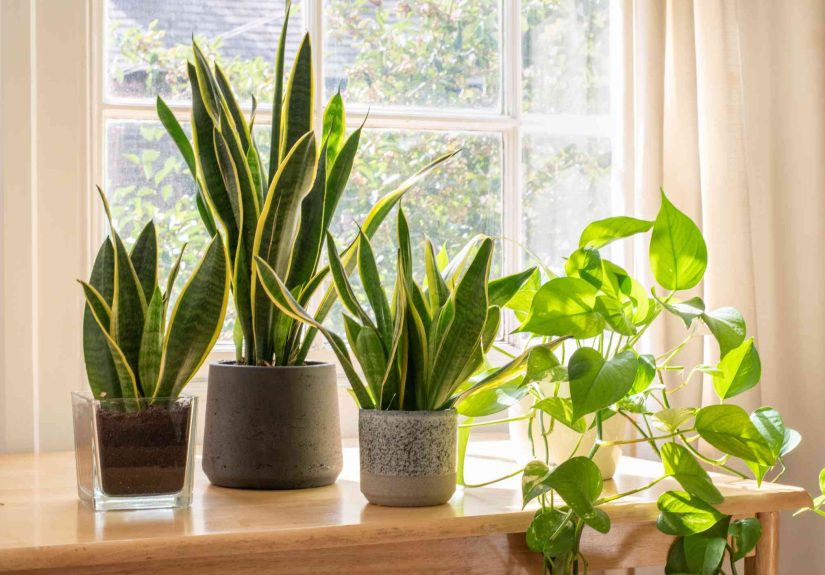
Why it works: Snake plant is the undisputed champion of “I forgot about you, yet here you are, thriving.” Its upright leaves fit neatly on dressers, shelves, and corners, and it tolerates low to bright indirect light.
Care vibe: Let the soil dry well between waterings. This is a plant that prefers neglect over affection. Too much water is its real enemy.
2. ZZ Plant
Why it works: If your bedroom light is more moody than sunny, ZZ plant is a solid pick. Its glossy leaves look polished even when your room isn’t. It also handles inconsistent watering better than most leafy plants.
Care vibe: Water when the potting mix dries out. Think “less is more,” not “let me love you with a gallon jug.”
3. Pothos
Why it works: Pothos is a classic for a reason. It grows in hanging baskets, trails from shelves, and tolerates a range of conditions. In a bedroom, it softens hard furniture lines and adds easy, unfussy greenery.
Care vibe: Bright, indirect light helps it grow fuller, but many varieties also do well in lower light. Water when the top inch or two feels dry.
4. Heartleaf Philodendron
Why it works: This trailing favorite has softer, heart-shaped leaves and a slightly more romantic look than pothos. It is perfect for a bedroom shelf, bookcase, or hanging planter if you want cozy, not corporate.
Care vibe: It likes medium to bright indirect light but can adapt to lower light. Water when the soil begins to dry.
5. Spider Plant
Why it works: Spider plants bring cheerful arching leaves and plenty of personality, especially when they start producing baby plantlets. They are especially handy in bedrooms because they stay manageable and do well in containers.
Care vibe: Give it bright, indirect light for best growth. Let the soil dry slightly between waterings.
6. Chinese Evergreen
Why it works: Chinese evergreen is one of the easiest houseplants for beginners, and many varieties have beautiful silver, cream, pink, or red patterns. It looks more expensive than it behaves, which is honestly a life skill.
Care vibe: It tolerates low light well, though colorful varieties often look best with brighter indirect light. Keep the soil lightly moist, not soggy.
7. Cast Iron Plant
Why it works: The name tells you most of what you need to know. Cast iron plant is tough, shade-tolerant, and ideal for bedrooms with minimal sunlight. Its deep green leaves also suit calm, understated decor.
Care vibe: Water when the soil is partly dry. It prefers being left alone over being fussed over every other day.
8. Peace Lily
Why it works: Peace lily adds elegant white blooms and glossy foliage without demanding full sun. It is a good option if your bedroom could use a little softness and a little “I definitely have my life together” energy.
Care vibe: It tolerates low light, but it tends to bloom better with brighter indirect light. Keep the soil evenly moist, but do not leave it soaking wet.
9. Parlor Palm
Why it works: Parlor palm has been making rooms look classy for generations. It stays relatively compact, handles lower light, and adds feathery texture that works beautifully in bedrooms with traditional or modern decor.
Care vibe: Keep it in low to medium light and water when the soil starts to dry. Try not to park it directly in front of a heating vent.
10. Dracaena
Why it works: Dracaena varieties, including Janet Craig and marginata types, are excellent bedroom plants if you want height without chaos. They bring vertical interest and adapt well to indoor life.
Care vibe: Most prefer medium to bright indirect light but tolerate lower light. Water when the soil is partly dry and avoid overdoing it.
11. Peperomia
Why it works: Peperomia is basically the cute sneaker of bedroom plants: compact, stylish, and easy to live with. It fits on nightstands, vanities, and tiny shelves where larger plants would bully the furniture.
Care vibe: Most peperomias prefer medium to bright indirect light. Let the soil dry a bit between waterings.
12. Rubber Plant
Why it works: Rubber plant has large, dramatic leaves that make a bedroom feel curated with very little effort. It is great for empty corners where you want one bigger plant instead of twelve tiny ones pretending to be a collection.
Care vibe: Bright, indirect light is best, though it can handle slightly lower light. Water when the top layer of soil dries.
13. Hoya
Why it works: Hoya brings trailing vines and waxy leaves that look elegant without being needy. Some varieties stay compact, while others drape beautifully from shelves in a way that says, “Yes, I do have a bedroom aesthetic now.”
Care vibe: It prefers bright, indirect light and likes to dry out a bit between waterings. Do not smother it with attention.
14. Aloe Vera
Why it works: Aloe vera is a strong contender for bright bedrooms, especially minimalist ones. It adds clean architectural shape and does not demand daily care.
Care vibe: Give it bright light and let the soil dry completely before watering again. In a dim bedroom, it may look more “sad office cactus” than stylish succulent.
15. Moth Orchid
Why it works: If you want bedroom plants with flowers but without daily drama, moth orchids are a surprisingly practical choice. Their blooms can last a long time, and they bring a calm, spa-like feel to a bedside table or dresser.
Care vibe: Bright, indirect light works best. Water carefully and avoid letting the roots sit in water.
16. Lucky Bamboo
Why it works: Lucky bamboo is small, tidy, and ideal for nightstands or compact furniture. It suits bedrooms where you want greenery but do not want a pot the size of a soup cauldron.
Care vibe: It does well in low to medium light. If grown in water, keep the roots covered and refresh the water regularly.
17. Monstera adansonii
Why it works: This vine offers the trendy split-leaf look of monstera in a bedroom-friendly size. It adds texture and movement without immediately eating the room.
Care vibe: Give it bright, indirect light and water when the top inch or two dries. It appreciates a bit of humidity, so it is happier in a bedroom that is not bone dry.
18. English Ivy
Why it works: English ivy brings a classic trailing look that works especially well in romantic or cottage-style bedrooms. It is great in hanging baskets or on a high shelf where the vines can tumble down.
Care vibe: It likes bright light and consistent moisture, so it is slightly more hands-on than pothos. Pretty? Yes. Needy? A little.
19. Bromeliad
Why it works: Bromeliads add a pop of color and an almost tropical sculptural look without taking over your entire bedroom. They are especially good if your space needs one bright focal point.
Care vibe: They prefer bright, indirect light. Keep water in the central cup and lightly moist potting medium, but never let the plant stay swampy.
20. African Violet
Why it works: African violets are compact flowering plants that fit nicely on a windowsill, vanity, or bedside surface. They are perfect when you want color in a small bedroom without committing to a giant leafy specimen.
Care vibe: They like bright, indirect light and even moisture. Avoid splashing water on the leaves unless you enjoy preventable plant drama.
21. Bird’s Nest Fern
Why it works: Bird’s nest fern has wavy green fronds that make a bedroom feel softer and more relaxed. It is a nice alternative to sharper, more architectural plants if you want a gentler look.
Care vibe: It prefers medium to bright indirect light and a bit more humidity than snake plant or ZZ plant. Keep the soil lightly moist and place it away from hot, dry air.
22. Jade Plant
Why it works: Jade plant is another excellent choice for bright bedrooms. It has a clean, sculptural appearance, grows slowly, and is wonderfully low-maintenance once settled.
Care vibe: Give it plenty of light and allow the soil to dry between waterings. In return, it asks very little and judges you very quietly.
How to Choose the Right Bedroom Plant for Your Space
If your bedroom gets low light, start with snake plant, ZZ plant, cast iron plant, Chinese evergreen, peace lily, or parlor palm. If your room gets bright, indirect light, you can expand the list to pothos, hoya, spider plant, orchid, peperomia, and rubber plant. If you have a sunny window, aloe vera and jade plant are especially easy wins.
Also think about your habits. If you travel often or routinely forget to water, choose tough plants like snake plant, ZZ plant, cast iron plant, or jade. If you enjoy a little plant care ritual, peace lily, English ivy, bird’s nest fern, or African violet may be more your speed.
And one practical note: if pets or very curious children have access to your bedroom, always double-check toxicity before bringing a new plant home. “Looks innocent” and “is innocent” are not always the same thing in the houseplant universe.
Real Bedroom Plant Experiences: What Actually Works Day to Day
In real life, bedroom plants are less about creating a rainforest and more about making the room feel alive without turning plant care into a second job. The first thing many people notice is how much a single plant can soften a bedroom. A tall snake plant in a bare corner can make the room feel finished. A pothos on a shelf can make an ordinary bookcase look intentional. A parlor palm next to a reading chair can make the whole spot feel like a mini retreat, even if the “retreat” is mostly you hiding from emails.
One of the most common experiences with bedroom plants is realizing that low light plants are not miracle workers. They survive lower light, yes, but they still appreciate being placed where they can actually see some daylight. Many people move a plant into the darkest corner of the room and then act shocked when it starts looking lanky and offended. Usually, the fix is simple: move it closer to the window, rotate it every so often, and stop treating it like a decorative throw pillow.
Watering is where most bedroom plant adventures become accidental thrillers. People either water too often because they are eager and nurturing, or they forget for so long that the plant starts negotiating with the afterlife. The easiest success stories tend to come from plants that forgive inconsistency. That is why snake plant, ZZ plant, pothos, and spider plant are such beloved bedroom companions. They are resilient enough to handle real human behavior, which is helpful because real humans get busy, tired, distracted, and occasionally obsessed with one hobby for three days before moving on.
There is also the visual side of the experience. Bedrooms feel calmer when the plants match the mood of the room. In a simple, modern bedroom, a rubber plant or snake plant looks sleek and intentional. In a cozy bedroom with layered bedding and soft colors, trailing philodendron, pothos, or hoya feels warmer and more relaxed. In a more romantic or vintage-style space, peace lily, orchid, or English ivy can add softness without looking too busy.
Another real-world lesson is that one good plant often beats five mediocre ones. A single healthy plant placed well can make a stronger design statement than a crowded cluster of stressed, crispy little pots. Bedroom surfaces are often limited, so choosing one or two plants that genuinely fit your light and routine usually works better than building a miniature jungle you secretly resent maintaining.
And perhaps the nicest part of keeping plants in a bedroom is the ritual they create. You notice new growth. You rotate the pot on a quiet weekend morning. You wipe dust off the leaves and suddenly feel weirdly competent. The room starts to feel less like a place where you merely collapse and more like a place you actually inhabit. No, a houseplant will not fix your sleep schedule, solve your stress, or replace blackout curtains. But it can make your bedroom feel calmer, more personal, and a lot less like a storage unit for laundry with emotional baggage.
Final Thoughts
The best plants for bedrooms are the ones that fit your space, your light, and your habits. If you want the safest beginner choice, start with snake plant, ZZ plant, pothos, or Chinese evergreen. If your bedroom gets better light and you want something showier, try a rubber plant, orchid, hoya, or monstera adansonii. And if all you really want is one leafy roommate that will not judge your snooze button habit too harshly, there is absolutely a plant on this list for you.
Start small, keep it simple, and remember: the goal is not to create a botanical performance review. The goal is to make your bedroom feel better, greener, and a little more alive.