Table of Contents >> Show >> Hide
- Recognize the Warning Signs Before the Situation Gets Worse
- Way 1: Get a Veterinary Diagnosis and Follow a Real Treatment Plan
- Way 2: Build a Quiet, Clean Recovery Space
- Way 3: Protect the Rest of the Flock and Prevent a Repeat Performance
- Four Mistakes That Can Make Sheep Pneumonia Worse
- Experience-Informed Lessons From Managing Sheep With Pneumonia
- Conclusion
When a sheep is coughing, standing apart from the flock, or breathing like it just sprinted uphill in a wool sweater, pneumonia needs to move to the top of your priority list. Sheep are remarkably good at acting normal until they are very much not normal, so a dull lamb or ewe can be an early warning rather than a minor inconvenience.
Sheep pneumonia is not one single disease. It can involve bacteria, viruses, parasites, aspiration, chronic infections, or a messy combination of stress and poor air quality. That is why the smartest response is not to guess which medicine worked for someone else’s flock last spring. The goal is to get veterinary guidance quickly, support the sick sheep safely, and correct the flock conditions that may have helped the illness gain traction.
Recognize the Warning Signs Before the Situation Gets Worse
Pneumonia can progress quickly, especially in young lambs, recently weaned sheep, transported animals, or sheep living in damp, dusty, overcrowded conditions. Early signs may be subtle: less interest in feed, lagging behind the flock, drooping ears, reduced alertness, or spending more time lying down. As illness advances, you may notice coughing, nasal discharge, fever, faster breathing, abdominal effort while breathing, or a sheep stretching its neck to pull in air.
A rectal temperature above roughly 103.5°F may suggest illness, but temperature alone cannot diagnose pneumonia because weather, activity, stress, and age can change the reading. The most useful clue is the whole picture: a sheep that is quiet, off feed, feverish, and breathing harder than normal needs attention.
Call a veterinarian urgently when a sheep is open-mouth breathing, unable to rise, severely weak, blue or very pale around the mouth, refusing water, producing froth around the mouth, or showing intense respiratory effort at rest. Open-mouth breathing is a serious danger sign in livestock because it can mean the animal is struggling to get enough oxygen.
Way 1: Get a Veterinary Diagnosis and Follow a Real Treatment Plan
The first and most important way to care for a sheep with pneumonia is to treat it as a veterinary case, not a mystery solved by barn folklore. Pneumonia may be caused by bacterial infection, viral disease, lungworms, aspiration, or chronic conditions such as ovine progressive pneumonia. Different causes can look similar from across a pen, but they do not respond to the same management plan.
Call Early Instead of Waiting for a “Better Tomorrow”
Waiting can be expensive in every possible way. A sheep may lose condition quickly, a lamb may stop nursing, and a contagious cause may move through the group before anyone realizes the first cough was not a one-off. Contact your veterinarian as soon as you see concerning signs, particularly when more than one sheep is affected or when the sheep has recently been weaned, transported, purchased, mixed with unfamiliar animals, or exposed to weather swings.
Your veterinarian may use the sheep’s history, temperature, breathing pattern, lung sounds, ultrasound findings, laboratory tests, respiratory samples, fecal testing for parasites, or postmortem examination of a deceased animal to narrow down the cause. In bacterial outbreaks or cases that fail to improve, culture and susceptibility testing can help identify an effective antimicrobial option instead of turning treatment into a guessing contest.
Give Medications Exactly as Directed
If a veterinarian prescribes antibiotics, anti-inflammatory medication, parasite control, fluids, or another treatment, follow the directions exactly. That includes the correct route, timing, treatment length, storage requirements, and meat or milk withdrawal period. Sheep are small enough that a casual “close enough” measurement can become a big mistake.
Never assume a medication is appropriate simply because it worked for cattle, goats, another sheep, or a neighbor’s cousin’s prize ram. Drug choices can vary by diagnosis, animal age, pregnancy status, local regulations, product label, and food-animal withdrawal requirements. A sheep may also have pneumonia that is primarily viral, parasitic, aspiration-related, or chronic, which means antibiotics alone may not solve the problem.
Make a Simple Illness Record
Keep a written record for every sick animal. Note the sheep’s identification number, date symptoms began, temperature, appetite, water intake, cough frequency, nasal discharge, breathing effort, treatment given, and response over time. This is not glamorous work. No one has ever made a blockbuster movie called The Notebook of Respiratory Rates. Still, those notes help a veterinarian identify patterns and help you notice whether the animal is improving, stagnant, or declining.
Way 2: Build a Quiet, Clean Recovery Space
Medical treatment works better when the sheep is not recovering in a humid, dusty, ammonia-smelling corner of the barn. A sick sheep needs a recovery pen that protects it from rain, mud, chilling winds, bullying flock mates, and avoidable stress. The goal is fresh air without a direct draft, dry bedding without a dust cloud, and easy access to feed and water without requiring an Olympic-level trek.
Separate the Sick Sheep Safely
Move the sheep to a clean hospital pen away from the main flock when your veterinarian recommends isolation. This can reduce nose-to-nose contact, limit exposure to respiratory secretions, and make monitoring easier. Use separate buckets, feeders, halters, and handling equipment whenever possible. Work with healthy sheep first and sick sheep last, then wash hands and change or clean footwear before returning to the main flock.
Isolation does not need to mean a gloomy solitary confinement chamber. Sheep are flock animals, so a recovery pen placed where the animal can see or hear familiar sheep may reduce stress, provided it does not undermine the disease-control plan. Ask your veterinarian what setup makes sense for the suspected cause and your facility.
Prioritize Fresh Air, Not Stale Heat
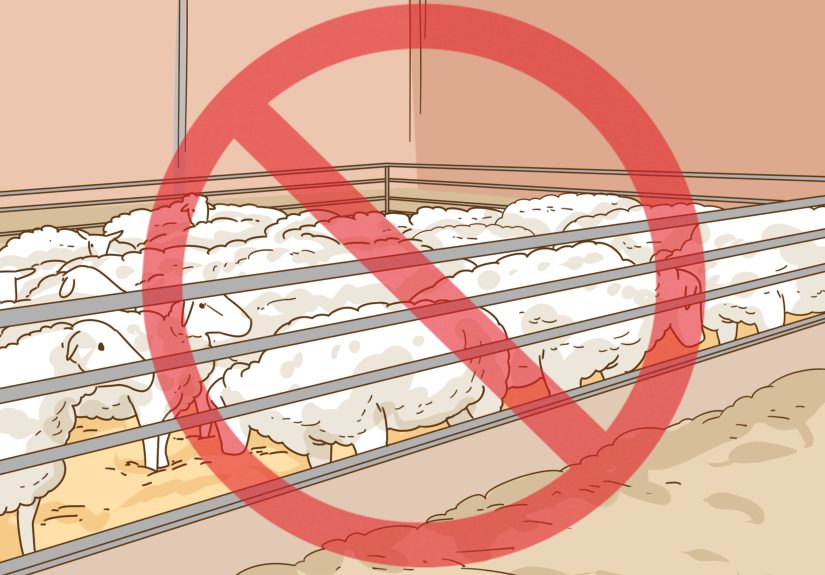
A common mistake is sealing a sick sheep into an overly warm barn. Sheep need protection from harsh weather, but stale air can trap moisture, dust, ammonia, and infectious particles. Good ventilation lowers humidity and improves air quality, while deep dry bedding and wind protection help prevent chilling. The sweet spot is fresh air without a cold blast directly onto the animal.
Look for practical improvements: open ridge vents, adjustable side curtains, clean bedding, dry flooring, lower stocking density, and fewer dust-producing materials. If you can smell ammonia at sheep level, the sheep can smell it too, and their lungs are not sending thank-you notes. University extension guidance consistently emphasizes adequate ventilation, clean dry bedding, and avoiding excess humidity or drafts when managing respiratory risk in sheep and lambs.
Support Water, Feed, and Comfort
Place clean water close to the sheep. A dehydrated animal can become weaker quickly, and sick sheep may not have the energy to walk far to a trough. Keep water containers clean and easy to reach. Offer the sheep’s usual good-quality forage and ration in small, accessible amounts unless your veterinarian advises otherwise. Abrupt feed changes can add digestive upset to an already difficult day.
Watch whether the sheep is actually eating and drinking rather than assuming it is because feed is present. A full feeder does not prove an appetite. Check manure output, rumen activity, body posture, and willingness to stand. If the sheep is reluctant to swallow, is coughing while eating, or is visibly struggling to breathe, do not force-feed or drench it without veterinary instruction. Improper drenching or bottle feeding can cause aspiration, allowing fluid to enter the lungs and making respiratory disease worse.
Way 3: Protect the Rest of the Flock and Prevent a Repeat Performance
Caring for one sheep with pneumonia also means looking upstream. Something may have made that animal more vulnerable: weaning stress, transport, sudden weather changes, crowding, dust, wet bedding, poor ventilation, parasites, inadequate nutrition, or introduction of new animals. If the same conditions remain unchanged, another sheep may be next in line for the unwanted role of “patient zero.”
Check the Barn Like a Detective
Walk through the sheep housing with fresh eyes. Is bedding wet? Is the barn humid? Are feed areas dusty? Is there a sharp ammonia odor? Are lambs crowded near a wall because of a draft? Are feeders contaminated with manure? Are water troughs hard to reach or dirty? Does the building have fresh-air exchange, or is it functioning like a wool-lined thermos?
Fix what you can immediately. Remove wet bedding, improve drainage, reduce dust, clean feeders and waterers, prevent overcrowding, and adjust ventilation. These steps do not replace veterinary treatment, but they reduce respiratory irritation and make it harder for disease to spread through a stressed flock.
Reduce Stress During High-Risk Times
Weaning, shipping, breeding, lambing, diet changes, extreme temperatures, and commingling with new animals can all increase pneumonia risk. Plan ahead by avoiding unnecessary handling during bad weather, providing clean water during transport, minimizing abrupt feed changes, and giving sheep time to settle after arrival.
Quarantine new arrivals according to your veterinarian’s recommendations before they join the resident flock. Keep good purchase records and ask sellers about previous respiratory disease, vaccination history, parasite control, and chronic conditions. Sheep can carry certain pathogens without looking obviously ill, which is why a healthy-looking newcomer should not automatically receive a VIP pass to the entire flock.
Ask About Vaccination, Parasites, and Chronic Disease Testing
Vaccination programs should be designed for your region, flock history, production system, and likely pathogens. There is no one-size-fits-all vaccine schedule that suits every sheep operation. Your veterinarian may also recommend parasite evaluation when coughing or poor growth suggests lungworms, especially in pasture-based systems.
For adult sheep with chronic weight loss and progressively harder breathing, ask about testing for ovine progressive pneumonia. OPP is a lifelong lentiviral infection that may cause gradual respiratory distress and reduced body condition. Testing and flock-level control planning matter because chronic disease is managed differently from an acute bacterial pneumonia.
Four Mistakes That Can Make Sheep Pneumonia Worse
- Delaying the veterinary call: A sheep can decline faster than its calm expression suggests.
- Using old or borrowed medication: Wrong treatment, improper dosing, resistance, and withdrawal problems are all possible.
- Keeping the animal in stagnant air: Warm is not the same as healthy. Dry, ventilated, draft-protected housing is the target.
- Forcing oral fluids or feed into a distressed sheep: Aspiration can worsen lung disease and create an emergency.
Experience-Informed Lessons From Managing Sheep With Pneumonia
The most useful lesson from real-world sheep care is that pneumonia rarely announces itself with a marching band. More often, it starts with one sheep that is a little quieter than usual. The lamb that hangs back while the others crowd the feeder. The ewe that does not lift her head when you walk into the pen. The animal that looks “a bit off” but is still standing, still eating a bite or two, and still convincing everyone that it can probably wait until tomorrow.
Experienced shepherds learn to respect that small change in behavior. Sheep are prey animals, and prey animals often hide weakness. By the time a sheep is lying flat, open-mouth breathing, or unable to keep up, the illness may have been brewing for longer than anyone realized. The practical takeaway is simple: trust the pattern you know. When a sheep is not acting like itself, investigate early.
Another recurring lesson is that a hospital pen should be prepared before it is needed. Trying to create one while holding a coughing lamb, calling the veterinarian, searching for clean buckets, and discovering that every gate latch on the farm has decided to become performance art is not ideal. A ready-to-use pen should have dry bedding, good airflow, a safe water bucket, a feed pan, basic handling equipment, identification supplies, and a place to keep treatment notes.
Producers also learn that air quality can be harder to manage than it looks. A barn may feel comfortable to a person standing upright, while a smaller lamb is breathing close to damp bedding, manure gases, and settled dust. Getting down closer to sheep level can reveal problems that are easy to miss from human height. Smell the air. Look for condensation. Notice whether wool feels damp. Check whether bedding compacts into a wet mat. Those boring little observations can prevent a much bigger headache later.
One more hard-earned lesson is that recovery is not always a straight line. A sheep may look brighter in the morning, then eat less in the afternoon. Improvement should be judged by trends: easier breathing, stronger appetite, normal posture, better energy, less discharge, and a return toward normal flock behavior. That is why records matter. Memory is unreliable when several animals need care, especially during lambing season, storms, or the sort of week when every trough seems determined to freeze at once.
Finally, good flock care is often less dramatic than people expect. It is dry bedding replaced on time. It is clean water every day. It is not crowding a barn because the weather is unpleasant. It is quarantine before introductions, calm handling during weaning, and calling the veterinarian before a mild problem becomes a serious loss. Sheep pneumonia care is not about one magic trick. It is a combination of fast observation, appropriate treatment, fresh air, low stress, and steady follow-through.
Conclusion
The three best ways to care for a sheep with pneumonia are to get prompt veterinary guidance, provide a clean and low-stress recovery environment, and protect the rest of the flock by improving air quality, sanitation, biosecurity, and stress management. Catching pneumonia early gives a sheep the best chance to recover and gives you time to prevent another case from following behind it.
When in doubt, treat breathing trouble as urgent. A sheep’s lungs are not the place for trial-and-error medicine, stale air, or wishful thinking.
Research note: This article synthesizes veterinary and U.S. university-extension guidance on sheep respiratory disease, bacterial pneumonia, ventilation, flock management, chronic OPP infection, and lungworm differentials.