Table of Contents >> Show >> Hide
- Before You Start: Read This So You Do Not Accidentally Ruin It
- Way 1: Quick Clean a Pack 'n Play for Everyday Messes
- Way 2: Deep Clean the Playard Frame, Mesh, and Fabric
- Way 3: Clean the Mattress Pad, Sheet, Carry Bag, and Accessories
- How Often Should You Clean a Pack 'n Play?
- How to Remove Common Pack 'n Play Stains
- What Not to Do When Cleaning a Pack 'n Play
- Safe Sleep Reminder After Cleaning
- Real-Life Experience: What Parents Learn After Cleaning a Pack 'n Play More Than Once
- Conclusion
A Pack ‘n Play is one of those baby items that quietly becomes a household hero. It is a nap station, a travel crib, a safe play space, a changing headquarters, and occasionally a crumb museum. One day it looks perfectly fine. The next day, it has mysterious smudges, mashed banana fingerprints, a suspicious smell, and enough cracker dust in the corners to start a tiny bakery.
The good news? Cleaning a Pack ‘n Play is not complicated. The slightly less glamorous news? You do need to clean it carefully. A playard is made from mesh, fabric, plastic, metal, seams, locking rails, and a mattress pad that may not enjoy being treated like a bath towel. The safest approach is to use mild soap, warm water, gentle tools, and a heroic amount of patience while everything dries.
This guide explains 3 ways to clean a Pack ‘n Play: a quick everyday wipe-down, a deeper clean for the frame and fabric, and a careful method for cleaning the mattress pad and removable accessories. You will also learn what not to do, how often to clean it, and how to keep it fresher between cleanings without turning your laundry room into a science lab.
Before You Start: Read This So You Do Not Accidentally Ruin It
Before grabbing a bucket like a cleaning warrior, check the care label and owner’s manual for your specific model. “Pack ‘n Play” is commonly used to describe portable playards in general, but actual cleaning instructions vary by brand and model. Some removable fabrics may be machine washable. Some mattress pads must be wiped only. Many manufacturers warn against bleach, harsh chemicals, machine washing the playard itself, or submerging the mattress pad in water.
That last point matters. Many playard mattress pads are not built like regular crib mattresses. They may contain boards, padding, folded panels, or materials that can warp, trap moisture, or grow mildew if soaked. A deep clean should never become a deep regret.
Supplies You Will Need
- Mild household soap, gentle dish soap, or baby-safe detergent
- Warm water
- Soft cloths or microfiber towels
- A soft-bristle brush or old toothbrush for seams and corners
- A vacuum with brush attachment
- A spray bottle, optional
- Clean dry towels
- A well-ventilated drying area
- A fitted playard sheet, if approved for your model
Avoid strong fragrances, abrasive scrubbers, ammonia-based cleaners, heavy disinfectants, and bleach unless your product manual specifically says they are safe for that surface. Babies put their hands and faces everywhere. If there is a surface within reach, assume your baby will inspect it using the ancient scientific method known as “mouth first.”
Way 1: Quick Clean a Pack ‘n Play for Everyday Messes
This is the method for light messes: dust, drool, snack crumbs, small spit-up spots, sticky fingerprints, and general “a baby has been here” evidence. A quick clean keeps the playard fresh between deeper cleaning sessions and prevents tiny messes from becoming dramatic weekend projects.
Step 1: Remove Everything From the Playard
Take out the baby first, obviously. Then remove toys, blankets, sheets, pacifiers, loose accessories, and anything that does not belong there. For safe sleep, a playard should generally stay bare except for the manufacturer-approved mattress pad and a snug fitted sheet designed for that model. Extra blankets, pillows, aftermarket pads, and plush toys may look cozy, but cozy is not the same as safe.
Step 2: Vacuum Crumbs and Dust
Use a vacuum brush attachment to remove loose crumbs, pet hair, lint, sand, and dirt from the mattress pad, floor area, mesh sides, seams, and corners. This step is more important than it sounds. If you skip it and go straight to water, crumbs become paste. Nobody wants to clean cracker cement out of mesh at 9 p.m.
Step 3: Wipe With Mild Soap and Warm Water
Mix a few drops of mild soap into a bowl of warm water. Dip a cloth into the solution, wring it out well, and wipe the plastic rails, fabric edges, mesh panels, and visible spots on the mattress pad. The cloth should be damp, not dripping. Think “freshly rained-on sidewalk,” not “water park.”
For sticky spots, hold the damp cloth over the stain for a minute to loosen it before wiping. Use a soft toothbrush for crumbs trapped in seams, locking buttons, and corner folds. Be gentle around mesh. Scrubbing too hard can stretch or damage it.
Step 4: Rinse With a Clean Damp Cloth
Soap residue can irritate sensitive skin and attract more dirt, so wipe the cleaned areas again with a separate cloth dampened with plain water. Then dry the surfaces with a towel.
Step 5: Air Dry Completely
Leave the Pack ‘n Play open in a ventilated room until every part is dry. If the weather is pleasant, place it outside in the shade or indirect sun for a short airing. Avoid leaving it in intense sun for hours, which may fade fabric or weaken materials over time.
Way 2: Deep Clean the Playard Frame, Mesh, and Fabric
A deep clean is useful after travel, sickness, beach trips, diaper disasters, long storage, or buying a secondhand playard. It is also helpful when the Pack ‘n Play smells less like “fresh nursery” and more like “forgotten gym bag with a pacifier inside.”
Step 1: Disassemble What the Manual Allows
Remove the mattress pad, fitted sheet, bassinet insert, changing pad, napper, toy bar, storage bag, and any removable fabric parts. Keep track of small clips, straps, and support pieces. If you are cleaning late at night, take a photo before disassembly. Future you will appreciate this small act of mercy.
Do not force fabric off the frame unless the manual says it is removable. Some playards have zip-off, machine-washable fabrics. Others are designed for spot cleaning only. Pulling, twisting, or removing non-removable fabric can damage the structure and make the playard unsafe.
Step 2: Shake and Vacuum Thoroughly
Take the playard outside if possible and shake loose dirt from folds and corners. Then vacuum the mesh, rails, hinges, feet, and underside. If the playard has been used at the beach, pay special attention to sand. Sand can work into locking mechanisms and moving parts, making setup and folding harder over time.
Step 3: Wash the Frame and Mesh With Soapy Water
Fill a bucket with warm water and mild soap. Use a soft cloth to wash the rails, legs, plastic corners, and fabric trim. For mesh panels, use light pressure and work in small sections. If the mesh has dried food or milk spots, press the damp cloth against the area first, then wipe gently.
For stubborn grime in seams, use a soft-bristle brush. Avoid wire brushes, abrasive sponges, and magic-eraser-style scrubbers on delicate fabric or printed surfaces. They may remove more than dirt, including color, coating, or your will to continue.
Step 4: Rinse Without Soaking the Whole Playard
Use a clean damp cloth to remove soap from the frame and fabric. Some parents are tempted to hose down the entire playard, but that is not always a good idea. Excess water can settle into seams, hinges, padding, or the base and take too long to dry. If your manual says not to submerge the playard, do not submerge it.
If you need more rinsing power, use a fresh damp cloth several times rather than flooding the structure. The goal is clean, not swampy.
Step 5: Dry Open and Upside Down if Needed
Dry the frame with towels first. Then let the playard stand open in a room with good airflow. You can point a fan nearby, but do not blast heat directly onto plastic or fabric. If water collected near the feet or hinges, tilt the playard carefully or place it upside down on towels for part of the drying time.
Never fold and store a damp Pack ‘n Play. Damp fabric plus darkness equals mildew’s dream vacation.
Way 3: Clean the Mattress Pad, Sheet, Carry Bag, and Accessories
The mattress pad deserves special attention because it is where babies sleep, roll, drool, and occasionally perform diaper-related chaos with impressive timing. It is also the part most likely to be damaged by overzealous cleaning.
Step 1: Clean the Mattress Pad Carefully
Check the mattress pad label first. Many Pack ‘n Play mattress pads should be wiped clean only and should not be submerged in water. To clean it safely, vacuum both sides, then wipe the surface with a damp cloth and mild soapy water. Focus on stains, seams, and fold lines.
For a stain, blot rather than scrub aggressively. A soft brush can help, but avoid soaking the pad. After cleaning, wipe with a plain-water cloth to remove soap. Press dry with towels, then stand the pad upright in a well-ventilated area until fully dry.
Step 2: Wash the Fitted Sheet
If you use a fitted playard sheet, wash it according to the fabric label. Choose a gentle, fragrance-free detergent when possible. The sheet should fit snugly around the mattress pad. Loose sheets can bunch, shift, or create hazards, so avoid using oversized crib sheets or improvised fabric.
Step 3: Clean the Carry Bag
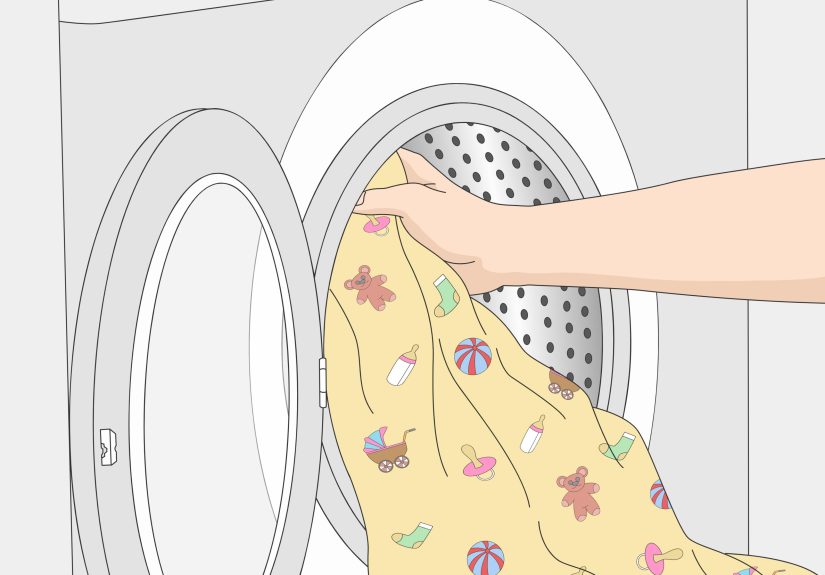
Many carry bags can be machine washed on a gentle cycle in cold or lukewarm water, then drip dried. Confirm this with your product instructions. The carry bag is often forgotten, even though it spends time in car trunks, hotel floors, closets, garages, and that mysterious corner of the laundry room where missing socks go to start new lives.
Step 4: Handle Bassinet Inserts, Changers, and Seats Separately
Accessories vary widely. Some are hand wash only. Some fabric pads can go in the washing machine after removing electronic modules, vibration units, cords, or support boards. Some changing pads are wipe-clean only. Never machine wash parts with electronics, cardboard inserts, rigid boards, or non-removable support pieces unless the care label says it is safe.
After washing any accessory, dry it completely before reattaching it. Moisture trapped inside fabric layers can cause odor and mildew. If an accessory has torn fabric, broken clips, loose stitching, or missing parts, stop using it until it is repaired with manufacturer-approved replacement parts.
How Often Should You Clean a Pack ‘n Play?
Cleaning frequency depends on use. If your Pack ‘n Play is used daily, wipe down high-touch surfaces once a week and clean visible messes immediately. Wash the fitted sheet at least weekly, or sooner after spit-up, leaks, or sickness. Deep clean the playard monthly if it gets heavy use, after travel, after storage, or after any major mess.
If it is used only for occasional travel, clean it before storage and again after unpacking it for use. Storage can introduce dust, odors, insects, and moisture, especially in garages, basements, and closets with poor airflow.
How to Remove Common Pack ‘n Play Stains
Milk or Formula
Blot fresh liquid immediately. Wipe with mild soapy water, then rinse with a clean damp cloth. Milk residue can sour quickly, so do not wait. A tiny formula stain has big “I will smell weird tomorrow” energy.
Diaper Leaks
Remove the sheet and wash it separately. Wipe the mattress pad and nearby fabric with soapy water, rinse with a damp cloth, and dry thoroughly. If the mess reached seams or straps, clean those areas with a soft brush.
Food Smears
Remove solids first with a spoon edge or paper towel. Vacuum crumbs, then wipe with warm soapy water. Avoid rubbing colorful foods deeper into fabric. Blueberry, tomato sauce, and sweet potato are not stains; they are tiny artists with ambition.
Odors
Fresh air is your best friend. Clean the surface, rinse away soap, and let the playard dry completely in a ventilated space. Avoid heavy perfumes or fabric sprays. Covering odors with fragrance is like putting a bow tie on a raccoon: technically fancy, still a raccoon.
What Not to Do When Cleaning a Pack ‘n Play
Do not use bleach on the playard unless your exact manual allows it. Many manufacturers clearly say no bleach because it can weaken fabric, discolor materials, irritate skin, or damage components. Also avoid mixing cleaning products. Bleach mixed with vinegar or ammonia can create dangerous fumes.
Do not submerge the mattress pad unless the manufacturer specifically says it is washable that way. Do not put non-washable parts in the washing machine. Do not use a pressure washer, steam cleaner, abrasive scrubber, or harsh solvent. Do not fold the playard while damp. Do not add aftermarket padding to “freshen it up” or make it softer. For sleep, use only the mattress pad and accessories approved for your model.
Safe Sleep Reminder After Cleaning
Once the Pack ‘n Play is clean and dry, reassemble it exactly according to the manual. Make sure the rails are locked, the center is pushed down, and the mattress pad lies flat and secure. For infant sleep, keep the playard bare: no pillows, blankets, stuffed animals, loose sheets, sleep positioners, or extra mattress pads.
Cleaning makes the playard nicer. Correct setup makes it safer. You need both.
Real-Life Experience: What Parents Learn After Cleaning a Pack ‘n Play More Than Once
The first time many parents clean a Pack ‘n Play, they underestimate it. From a distance, it looks like a simple rectangle with mesh sides. Up close, it becomes a complicated landscape of seams, buckles, folds, mystery crumbs, and corners designed by someone who clearly believed parents needed more character development.
One practical lesson is to clean small messes right away. A little spit-up on Monday becomes a stubborn odor by Friday. A few snack crumbs can attract ants during a summer trip. A damp sheet left in the playard after a diaper leak can make the mattress pad smell musty. The five-minute wipe-down is almost always better than the one-hour rescue mission later.
Another lesson is that drying takes longer than expected. The surface may feel dry while seams, straps, or folds still hold moisture. Parents who travel often learn to clean the playard the day before packing, not 20 minutes before leaving for the airport. A folded damp playard sealed in a carry bag is basically a mildew invitation with handles.
It also helps to create a cleaning routine after trips. When you get home, unpack the Pack ‘n Play before the suitcase if possible. Shake it outside, vacuum it, wipe the rails and mattress pad, wash the sheet, and let everything air out. Hotel rooms, grandparents’ houses, beach rentals, and road trips all leave their mark. Sometimes that mark is sand. Sometimes it is applesauce. Sometimes it is a smell no one wants to identify.
Parents with pets often discover that the playard attracts fur even when the pet was “definitely not in there.” A vacuum brush attachment becomes essential. For homes with cats or dogs, storing the playard in its clean carry bag after it is completely dry can prevent fur buildup and keep curious pets from treating it like a personal lounge.
Secondhand Pack ‘n Plays deserve extra attention. Before cleaning, inspect the model number, check for recalls, and look closely for torn mesh, loose stitching, broken hinges, missing feet, bent rails, or a warped mattress pad. A good cleaning can remove dirt, but it cannot fix unsafe structure. If a playard smells strongly of mildew, has visible mold inside padded areas, or will not lock properly, it may not be worth saving.
Many experienced parents also keep two fitted playard sheets. One can be in use while the other is in the wash. This tiny upgrade prevents late-night laundry drama, especially during travel. Choose sheets made for your specific playard size, because a snug fit matters.
The biggest cleaning mistake is trying to make the Pack ‘n Play smell “new” with strong products. Babies do not need lavender thunderclouds, tropical sprays, or industrial-strength disinfectant perfume. Clean, rinsed, and fully dry is the goal. A faint soap smell is fine. A cloud of fragrance is not a badge of cleanliness; it is a sneeze waiting to happen.
Finally, cleaning becomes easier when you accept that a Pack ‘n Play is supposed to be used. It will not stay showroom-perfect. It will collect crumbs, host naps, survive trips, and witness tiny human chaos. The goal is not perfection. The goal is a safe, fresh, dry space where your baby can sleep or play while you enjoy three peaceful minutes and maybe drink coffee while it is still warm. Aim high, but keep your expectations parent-realistic.
Conclusion
Cleaning a Pack ‘n Play does not require fancy tools or a chemistry degree. The best method is usually the simplest: remove loose debris, wipe with mild soap and warm water, rinse with a clean damp cloth, and dry everything completely. For deeper cleaning, treat the frame, mesh, mattress pad, sheet, carry bag, and accessories according to their own care instructions.
The most important rules are easy to remember: avoid bleach unless the manual allows it, do not submerge mattress pads that are wipe-clean only, never store the playard damp, and always reassemble it correctly before your baby uses it. A clean Pack ‘n Play is great. A clean, dry, properly assembled Pack ‘n Play is even better.
Note: Always follow the care label and owner’s manual for your specific Pack ‘n Play or playard model. If instructions conflict with general cleaning advice, the manufacturer’s instructions should win the argument every time.