Table of Contents >> Show >> Hide
- Can You Really Cook Chicken From Frozen?
- Before You Cook: 5 Fast Safety Rules
- 3 Ways to Safely Cook Chicken From Frozen
- What Not to Do
- How to Tell When Frozen Chicken Is Done
- Flavor Tips So Your Chicken Tastes Like Dinner, Not a Compromise
- Common Questions About Cooking Chicken From Frozen
- Real-Life Kitchen Experiences Cooking Chicken From Frozen
- Conclusion
Let’s start with the good news: that frozen block of chicken in your freezer is not the end of dinner. It is not a culinary tragedy. It is not a sign from the universe that tonight must become cereal night. In many cases, you can safely cook chicken from frozen, and do it well, as long as you follow a few non-negotiable food-safety rules.
The biggest one is simple: chicken must reach an internal temperature of 165°F in the thickest part before you eat it. Not “looks done.” Not “seems pretty white.” Not “my cousin said 10 minutes should do it.” A food thermometer is the hero of this story, and honestly, it deserves more applause than it gets.
If you forgot to thaw dinner, you are not alone. Busy weeknights, late grocery runs, and “I definitely took that out this morning” moments happen to everyone. The smart move is not to panic. The smart move is to choose a cooking method that can handle frozen chicken safely and evenly. In this guide, we’ll cover three of the best options: baking or roasting in the oven, simmering on the stovetop, and pressure cooking in an electric pressure cooker.
We’ll also walk through what not to do, how much extra time to expect, and how to keep dinner safe, juicy, and actually worth eating. Because yes, safe chicken matters. But chicken that tastes like sadness? We can avoid that too.
Can You Really Cook Chicken From Frozen?
Yes, you can cook chicken from frozen safely. That is the headline, and it is a useful one. U.S. food-safety guidance allows cooking chicken from frozen in certain appliances, especially the oven, the stovetop, and an electric pressure cooker. The catch is that frozen chicken needs more time to cook than thawed chicken, often around 50% longer depending on the size, thickness, and cut.
That extra time matters because chicken is not just another ingredient. Raw chicken can carry germs like Salmonella and Campylobacter, which means uneven cooking is not something to shrug off. The center needs to get hot enough to be safe, while the outside should not turn into shoe leather. That balance is exactly why some cooking methods work better than others.
It is also why you should not rely on color alone. Chicken can look white and still be undercooked, especially when it starts out frozen. The only reliable way to know it is done is to check the temperature with a food thermometer. Stick it into the thickest part of the meat, avoid touching bone, and look for 165°F.
Before You Cook: 5 Fast Safety Rules
1. Do not wash the chicken
Washing raw chicken does not make it safer. It mostly makes your sink, counter, and nearby kitchen gadgets more exciting than they need to be. Water can splash germs around the kitchen, so skip the rinse and let heat do the cleaning.
2. Keep raw chicken away from ready-to-eat foods
If salad, fruit, bread, or cooked rice is hanging out nearby, keep raw chicken and its juices far away. Use a separate plate, separate tools, and preferably a separate cutting board.
3. Expect longer cooking time
Frozen chicken is not being difficult. It is just frozen. Build in more time than you would for thawed chicken, and start checking doneness with a thermometer near the end rather than guessing.
4. Season smart
Spices may not cling beautifully to an icy chicken breast right away, and that is okay. Add a little oil, broth, butter, or sauce so seasonings have something to stick to. You can always add more flavor as the chicken softens while cooking.
5. Refrigerate leftovers quickly
Once dinner is done, do not let cooked chicken lounge on the counter for hours like it pays rent. Refrigerate leftovers within 2 hours, or within 1 hour if the room is very hot.
3 Ways to Safely Cook Chicken From Frozen
1. Bake or Roast It in the Oven
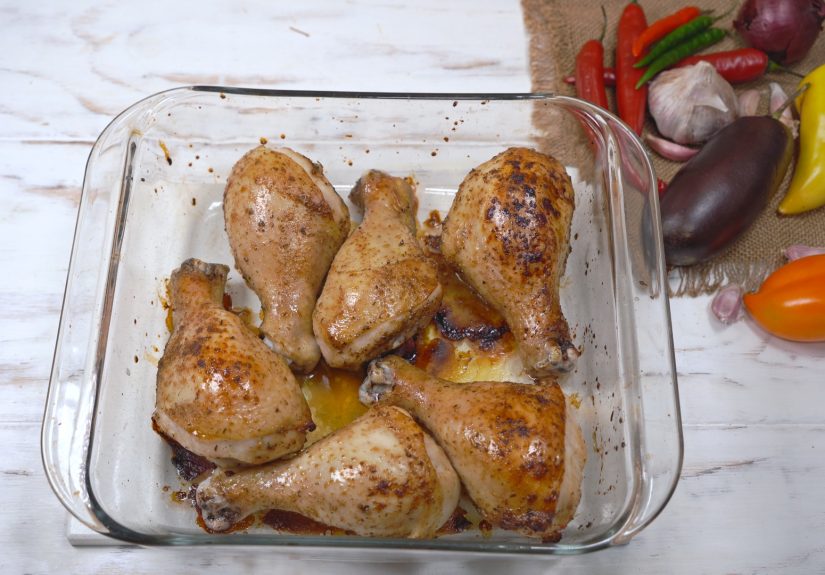
If you want the easiest, most hands-off method, the oven is your best friend. Baking or roasting frozen chicken works especially well for chicken breasts, thighs, drumsticks, and bone-in pieces. It is dependable, fairly forgiving, and perfect for weeknights when you want dinner to cook while you do literally anything else.
Set your oven to at least 325°F, though many home cooks prefer 350°F to 400°F for better browning. Place the frozen chicken in a baking dish or on a sheet pan with a little space between each piece. If the pieces are frozen together in one giant poultry glacier, let them loosen just enough under cool running water or with a very brief room-temperature rest while the oven preheats, then separate them carefully. Do not leave them out long enough to warm up significantly.
Brush the chicken lightly with oil or melted butter, then add salt, pepper, garlic powder, smoked paprika, onion powder, Italian seasoning, or any blend you like. Since frozen chicken does not absorb flavor instantly, it helps to season once at the start and again partway through if needed.
As a rough rule, plan for about 50% more cooking time than you would use for thawed chicken. Thin boneless breasts might finish in under an hour, while thick bone-in thighs can take longer. Exact time depends on size, shape, and how crowded the pan is, which is why the thermometer matters more than the clock.
Why this method works: The oven surrounds the chicken with steady heat, so it cooks more evenly than methods that blast just the outside. It is also easy to monitor and hard to mess up if you check the internal temperature.
Best for: meal prep, sheet-pan dinners, bone-in cuts, and people who want crispy edges without standing over the stove like a kitchen lifeguard.
2. Simmer or Braise It on the Stovetop
The stovetop is a great option when you want tender chicken for soups, shredded chicken, tacos, rice bowls, or quick skillet meals. This method works best when chicken cooks in liquid or a saucy base rather than sitting dry in a pan like a confused ice cube.
Start by placing the frozen chicken in a deep skillet, saucepan, or Dutch oven. Add enough broth, water, tomato sauce, salsa, or another cooking liquid to help the chicken heat evenly. You do not have to drown it, but you do want enough moisture to create steam and prevent the outside from overcooking before the inside catches up.
Bring the liquid to a gentle simmer, then cover the pan and reduce the heat so it stays steady. This is not the moment for aggressive boiling that turns dinner into protein confetti. Gentle simmering is better. As the chicken softens, you can separate pieces if needed, add aromatics like onion or garlic, and build the dish around it.
Stovetop cooking is especially useful for shredded chicken because the meat often becomes tender enough to pull apart once it reaches a safe temperature. That makes it perfect for enchiladas, chicken salad, noodle soups, or any meal where texture matters more than golden-brown looks.
Why this method works: Liquid helps transfer heat evenly and protects the outer layers from drying out. It is also practical when you need cooked chicken as an ingredient rather than a stand-alone centerpiece.
Best for: soups, stews, curries, shredded chicken, saucy dishes, and “I need dinner in a pot, not on a Pinterest board” nights.
3. Use an Electric Pressure Cooker
If you own an electric pressure cooker, this can be the fastest safe method for cooking chicken from frozen. It is especially handy for busy households because it turns freezer chicken into tender, usable meat with very little hands-on work. In other words, it is the kitchen version of a reliable friend who texts back.
Add the amount of liquid your appliance requires, usually water, broth, or sauce, then place the frozen chicken inside without overfilling the pot. Follow your machine’s manual and choose settings based on the cut you are cooking. Because pressure cookers trap steam and heat efficiently, they can cook frozen chicken much faster than the oven while still keeping it moist.
That said, “faster” does not mean “skip safety.” After the cooking cycle ends, check the thickest part of the chicken with a food thermometer. If it has not reached 165°F, simply seal it again and cook a bit longer. Pressure cookers are excellent tools, but they are not mind readers.
This method shines when you want shreddable chicken for sandwiches, casseroles, burrito bowls, or pasta. It also works well for cooking chicken directly in broth, salsa, or other flavorful liquids, which helps the meat taste like dinner instead of plain gym food.
Why this method works: Pressurized steam cooks efficiently and helps frozen chicken heat through quickly without drying out.
Best for: shredded chicken, quick weeknight meals, batch cooking, and anyone who wants good results with minimal babysitting.
What Not to Do
Do not put frozen chicken in a slow cooker
This is one of the biggest safety warnings around frozen chicken. Slow cookers heat too gradually, which can keep the chicken in the danger zone for too long. That gives bacteria more time to multiply before the meat gets hot enough to be safe. If you want to use a slow cooker, thaw the chicken first.
Do not use the microwave to cook frozen raw chicken straight through
The microwave is fine for thawing if you plan to cook the chicken immediately afterward. It is not the ideal method for cooking frozen raw chicken from start to finish because it can heat unevenly and create cold spots. If you thaw in the microwave, move right away to another cooking step or finish cooking immediately.
Do not cook by vibes alone
Sorry to the free spirits, but this is a thermometer situation. Texture, color, and juices are not reliable enough when safety is on the line.
Do not leave it out on the counter to “take the chill off” for hours
That is not meal prep. That is an invitation for bacteria to move in. Thaw in the refrigerator, cold water, or microwave if you need to thaw. Otherwise, cook from frozen using one of the safe methods above.
How to Tell When Frozen Chicken Is Done
The only trustworthy answer is this: check the internal temperature with a food thermometer. Insert the thermometer into the thickest part of the chicken and avoid touching bone. The target is 165°F.
For larger pieces, check more than one spot. Frozen chicken can cook unevenly, especially if one side is much thicker than the other. If one area reads 165°F and another is lagging behind, keep cooking and test again. You are aiming for consistency, not lucky numbers.
Also, let the chicken rest a few minutes after cooking. This is not just chef drama. Resting helps juices redistribute so the chicken stays moist instead of spilling all over the cutting board the second you slice it.
Flavor Tips So Your Chicken Tastes Like Dinner, Not a Compromise
Cooking from frozen is about safety first, but flavor does not need to file for unemployment. Here are a few ways to make frozen chicken taste genuinely good:
Use bold seasonings
Garlic, paprika, lemon pepper, chili powder, Cajun seasoning, ranch seasoning, taco spice, and herb blends all hold up well.
Cook with liquid that adds flavor
Broth, salsa, marinara, coconut milk, barbecue sauce, and teriyaki-style sauces do a lot of heavy lifting, especially on the stovetop or in the pressure cooker.
Finish strong
A squeeze of lemon, a knob of butter, fresh herbs, grated Parmesan, or a spoonful of yogurt sauce can rescue even a very practical piece of chicken from tasting flat.
Slice or shred after cooking
If the exterior is not quite as pretty as you hoped, cut it up and turn it into tacos, pasta, wraps, grain bowls, or soup. Suddenly, everyone thinks that was the plan all along.
Common Questions About Cooking Chicken From Frozen
Does frozen chicken taste different?
Not necessarily. If it was frozen properly and not freezer-burned into another dimension, it can taste very good. Texture may be slightly different depending on the cut and cooking method, but most people will not notice once it is seasoned well.
Can I bread frozen chicken and fry it?
That is usually not the best idea at home. Frying frozen chicken can brown the outside too quickly while the inside struggles to finish cooking. Oven baking, simmering, or pressure cooking are much safer bets for raw frozen chicken.
Can I refreeze cooked chicken that was originally frozen?
Yes. Once the chicken has been safely cooked, it can be cooled and frozen again. Quality may change a bit, but safety-wise, cooked chicken can go back into the freezer.
What if the chicken pieces are frozen together?
Try to separate them safely before or during cooking. In the oven or in a pot on the stove, they often loosen as they start heating. Separate them as soon as you can do so without wrestling a frozen meat sculpture.
Real-Life Kitchen Experiences Cooking Chicken From Frozen
Anyone who cooks regularly has a frozen-chicken story. Usually it starts with confidence and ends with someone standing in front of the freezer at 5:42 p.m. whispering, “Well, this is unfortunate.” The good news is that cooking chicken from frozen can work beautifully when you know what to expect.
One common experience is the weeknight save. You forget to thaw the chicken, but dinner still happens because the oven steps in. The chicken takes longer, yes, but the result is often better than people expect. Bone-in thighs roasted from frozen can come out juicy with crisp edges, especially if you season them well and finish them uncovered for extra browning. This is the moment many home cooks realize that frozen chicken is not a backup plan. It is a practical plan.
Another real-life win is the soup-and-shred approach. Frozen chicken simmered in broth with onions, carrots, garlic, and herbs can become the base for an easy pot of soup or a filling for tacos. The texture tends to be tender, and because the chicken cooks in liquid, it stays forgiving. This is especially helpful for newer cooks who are nervous about drying chicken out. The stovetop gives you a little cushion.
Then there is the pressure-cooker crowd, who tend to sound suspiciously cheerful about it. These are the people who toss frozen chicken into the pot with broth or salsa, walk away, and return to meat that shreds with a fork. It is hard not to respect that level of efficiency. For meal prep, this method feels almost unfair in the best way. You can turn a freezer staple into several lunches with very little effort.
Of course, there are also learning moments. Plenty of people have discovered that frozen chicken in a slow cooker is a bad idea, either because the texture is uneven or because they later learn it is not considered the safest method. Others have tried to judge doneness by cutting into the middle, only to realize one side looks done while the thicker end is still lagging. These kitchen lessons usually lead to the same conclusion: buy the food thermometer. It removes the guesswork and saves a lot of unnecessary drama.
Another shared experience is seasoning frustration. Spices do not always stick well to icy chicken at first, so the first attempt can feel a little bland. But once home cooks start using oil, broth, butter, or sauces to help flavor cling, the whole game changes. Suddenly frozen chicken becomes lemon-pepper sheet-pan chicken, salsa chicken for burrito bowls, or garlicky shredded chicken for pasta. Same freezer ingredient, much happier outcome.
In real kitchens, success with frozen chicken usually comes down to three things: choosing the right method, giving it enough time, and checking the temperature. When those boxes are checked, frozen chicken stops feeling like a compromise and starts feeling like a very useful trick to have in your back pocket.
Conclusion
Cooking chicken from frozen safely is absolutely possible, and honestly, it is one of the most useful dinner skills to have. The key is choosing a method that gives the chicken enough time to cook through evenly without lingering in the danger zone. That is why the oven, stovetop, and electric pressure cooker make the list.
Keep the rules simple: do not wash raw chicken, do not use a slow cooker for frozen chicken, do not trust color alone, and do not skip the thermometer. Aim for 165°F every time, and refrigerate leftovers promptly. Once you lock in those habits, frozen chicken becomes less of an emergency ingredient and more of a dependable dinner shortcut.
So the next time you realize dinner is still frozen solid, take a breath. You do not need magic. You just need heat, patience, and a thermometer that tells the truth.