Table of Contents >> Show >> Hide
- Why “Poor People” Life Hacks Work So Well
- 30 Useful Frugal Living Hacks Worth Keeping
- 1. Build meals around beans, rice, eggs, oats, potatoes, and pasta
- 2. Treat leftovers like ingredients, not punishment
- 3. Cook one big “base meal” every week
- 4. Shop your kitchen before shopping the store
- 5. Keep a cheap emergency meal shelf
- 6. Learn the markdown schedule at your grocery store
- 7. Freeze before food goes bad
- 8. Drink water most of the time
- 9. Use the library like a free-life upgrade center
- 10. Buy secondhand first
- 11. Repair before replacing
- 12. Keep a small repair kit
- 13. Use rags instead of paper towels
- 14. Make cleaning simple
- 15. Lower utility bills with boring-but-powerful habits
- 16. Seal drafts before buying gadgets
- 17. Use public transportation, biking, walking, and carpooling when realistic
- 18. Keep an older reliable car instead of chasing payments
- 19. Borrow rarely used tools
- 20. Use “cost per use” before buying
- 21. Create a 24-hour rule for nonessential purchases
- 22. Cancel, rotate, or share subscriptions legally
- 23. Build a tiny emergency fund
- 24. Pay attention to assistance programs without shame
- 25. Know where free food resources are before you need them
- 26. Keep hygiene simple but consistent
- 27. Batch errands to save fuel and time
- 28. Learn one cheap skill every month
- 29. Use cash or a separate debit card for flexible spending
- 30. Protect your dignity while saving money
- Common Mistakes That Make Frugal Living Harder
- Real-Life Experiences: What These Hacks Feel Like in Practice
- Conclusion
Some people learn budgeting from spreadsheets. Others learn it from the ancient art of turning one rotisserie chicken into four dinners, two lunches, and a soup that deserves its own tiny medal. The best “poor people” life hacks are not about being cheap for the sake of cheapness. They are about resourcefulness, timing, pride, and knowing exactly which things deserve your money and which things are just wearing a fancy label.
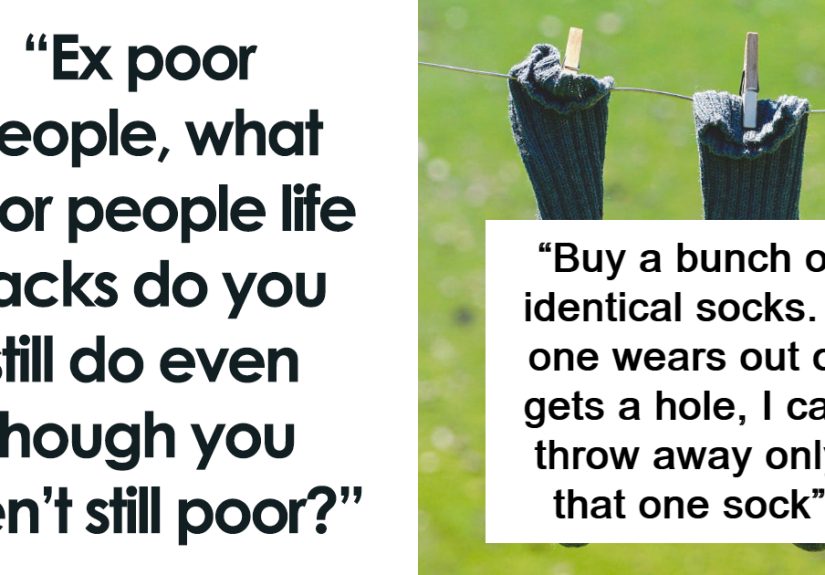
Inspired by the kind of practical advice people share in online threads after living through tight months, this guide collects 30 useful frugal living tips that actually make sense in real life. These are not glamorous “just make coffee at home and become a millionaire by Thursday” tricks. They are grounded, everyday money-saving habits: cooking smarter, wasting less, using public resources, repairing before replacing, and building tiny cushions against financial chaos.
Most importantly, these hacks are not about shame. Being broke is not a character flaw. Stretching money is a skill, and plenty of people keep these habits even after their bank account stops making horror-movie sound effects.
Why “Poor People” Life Hacks Work So Well
The best budget hacks work because they attack invisible leaks. A $9 lunch, a half-used bag of spinach turning into swamp confetti, a subscription you forgot existed, or a dryer running for two towels can quietly drain money. Frugal habits help you slow that leak before it becomes a flood.
They also create options. A stocked pantry means fewer emergency takeout orders. A bus pass, bike, or carpool plan means fewer expensive rides. A library card means entertainment, internet, classes, printing, movies, and sometimes even museum passes without swiping a credit card. In other words, these habits do not just save dollars. They reduce panic.
30 Useful Frugal Living Hacks Worth Keeping
1. Build meals around beans, rice, eggs, oats, potatoes, and pasta
These foods are budget legends for a reason. They are filling, flexible, and easy to remix. Rice and beans can become burrito bowls, soup, fried rice, or stuffed peppers. Oats can be breakfast, baked bars, or a cheap dessert base. Humble ingredients, heroic results.
2. Treat leftovers like ingredients, not punishment
Leftovers get boring when you reheat the exact same plate three times. Instead, turn roasted vegetables into omelets, chicken into soup, rice into stir-fry, and chili into baked potatoes. Label containers with dates so “mystery fridge archaeology” does not become your weekend hobby.
3. Cook one big “base meal” every week
A pot of soup, chili, lentils, rice, shredded chicken, or pasta sauce can carry several meals. The trick is to change the format: bowl one day, wrap the next, topping the day after. Your budget gets stability, and your taste buds avoid filing a complaint.
4. Shop your kitchen before shopping the store
Before buying groceries, check your freezer, pantry, and refrigerator. Make a “use first” list for food that is close to expiring. Planning around what you already own prevents duplicate purchases and helps stop food from becoming expensive compost.
5. Keep a cheap emergency meal shelf
Stock a small shelf with shelf-stable meals: rice, canned beans, tuna, pasta, peanut butter, soup, oats, and sauce. This is not a doomsday bunker. It is a “payday is Friday and today is aggressively Tuesday” survival shelf.
6. Learn the markdown schedule at your grocery store
Many stores discount meat, bread, produce, and dairy near sell-by dates. Ask politely when markdowns usually happen. Buy only what you can safely use or freeze. A discounted steak is a win; five discounted steaks that spoil are just financial slapstick.
7. Freeze before food goes bad
Freeze bread, cooked rice, chopped vegetables, herbs in oil, leftover soup, and portions of cooked meat. Use flat freezer bags to save space. Write the date and contents on everything, because frozen soup and frozen gravy look suspiciously like twins in bad lighting.
8. Drink water most of the time
Soda, bottled drinks, coffee runs, and convenience-store beverages add up quickly. Keep a refillable bottle. Add lemon, cucumber, or tea bags if plain water bores you. This is one of the least dramatic hacks, which is probably why it works.
9. Use the library like a free-life upgrade center
Libraries are not just quiet book warehouses. Many offer free Wi-Fi, computer access, printing, movies, ebooks, audiobooks, job-search help, language tools, classes, children’s programs, and local passes. A library card may be the most underrated budget tool in America.
10. Buy secondhand first
Before buying new clothes, furniture, kitchen tools, books, or small appliances, check thrift stores, local marketplaces, yard sales, and buy-nothing groups. Quality older items often outlast shiny new budget products. Just inspect carefully and skip anything unsafe, damaged, or questionable.
11. Repair before replacing
Loose button? Sew it. Wobbly chair? Tighten it. Clogged vacuum? Clean the filter. Many “broken” items are simply dirty, loose, or neglected. Learn basic fixes from reputable tutorials, but leave electrical, gas, structural, and major appliance repairs to qualified professionals.
12. Keep a small repair kit
A needle, thread, safety pins, fabric glue, super glue, duct tape, zip ties, basic screwdriver, measuring tape, and spare buttons can rescue clothes and household items. This little kit turns “I need a new one” into “give me five minutes and dramatic lighting.”
13. Use rags instead of paper towels
Old T-shirts, towels, and worn-out socks can become cleaning cloths. Keep a small bin for clean rags and another for dirty ones. Wash them separately when needed. You reduce waste and stop paying to wipe things once and throw money away.
14. Make cleaning simple
You do not need a separate cleaner for every surface in your home. Dish soap, warm water, baking soda, and vinegar can handle many ordinary cleaning jobs. Never mix cleaning chemicals, especially bleach with ammonia or vinegar. Saving money should not come with a science-fair emergency.
15. Lower utility bills with boring-but-powerful habits
Turn off unused lights, unplug idle electronics, wash full loads, air-dry some laundry, use cold water when possible, and adjust the thermostat modestly. Small energy habits are not exciting, but neither is donating money to your electric bill for no reason.
16. Seal drafts before buying gadgets
Drafty windows and doors make heating and cooling harder. Weatherstripping, door sweeps, curtains, and window film can help in many homes. Renters should choose removable options and check lease rules first. Comfort is cheaper when your home stops leaking air like a gossip column.
17. Use public transportation, biking, walking, and carpooling when realistic
Transportation can crush a budget. If your area allows it, combine walking, biking, buses, trains, or carpooling. Even replacing one or two car trips per week can save gas, parking, and wear. Safety matters, so choose well-lit routes and practical schedules.
18. Keep an older reliable car instead of chasing payments
A dependable paid-off car can be a financial blessing. Maintain it with oil changes, tire checks, and scheduled service. A newer car may look nice, but a giant monthly payment has a way of making cup holders feel less luxurious.
19. Borrow rarely used tools
Before buying a drill, carpet cleaner, ladder, cake pan, pressure washer, or camping gear, ask friends, neighbors, tool libraries, or local groups. Borrow respectfully, return clean, and replace anything you damage. Good borrowing manners are cheaper than owning a garage full of once-a-year objects.
20. Use “cost per use” before buying
A $90 winter coat worn 300 times is cheaper than a $25 trendy jacket worn twice. Before buying, ask: How often will I use this? Can I maintain it? Does it solve a real problem? Frugal does not always mean buying the cheapest option.
21. Create a 24-hour rule for nonessential purchases
When tempted by something you do not urgently need, wait 24 hours. For bigger purchases, wait a week. Many wants fade once the sale timer stops yelling at you. This hack protects your budget from your mood, which is sometimes a dangerous shopper.
22. Cancel, rotate, or share subscriptions legally
Audit streaming, apps, storage, memberships, and premium services every month. Cancel what you do not use. Rotate services instead of keeping five at once. Use family plans only when allowed by the service terms. The goal is entertainment, not subscription barnacles.
23. Build a tiny emergency fund
Start with a small target like $25, then $100, then one month of essential expenses. Keep it separate from everyday spending if possible. Even a tiny cushion can prevent one flat tire or prescription copay from turning into a high-interest disaster.
24. Pay attention to assistance programs without shame
Food assistance, utility help, rental support, community clinics, school meals, and local nonprofits exist because life gets expensive. Using legitimate help when eligible is not failure. It is problem-solving. Pride does not pay the heating bill, and neither does pretending everything is fine.
25. Know where free food resources are before you need them
Look up nearby food banks, pantries, community fridges, school meal programs, and mutual aid groups. Save hours and requirements in your phone. When money gets tight, searching while stressed is harder. A prepared list can turn panic into a plan.
26. Keep hygiene simple but consistent
Clean clothes, basic grooming, dental care, and tidy shoes can affect confidence, job interviews, school, and daily life. You do not need luxury products. You need consistency. A neat secondhand outfit can beat an expensive wrinkled one every single time.
27. Batch errands to save fuel and time
Group errands by location instead of making separate trips. Plan grocery runs, pharmacy stops, returns, and appointments on the same route. Time is a resource too, and wasting Saturday zigzagging across town is not a personality trait anyone needs.
28. Learn one cheap skill every month
Cooking, sewing, budgeting, basic car care, résumé writing, haircut touch-ups, gardening, and cleaning techniques can all save money. Choose one skill and practice slowly. Skill-building is like compound interest, except sometimes it comes with better soup.
29. Use cash or a separate debit card for flexible spending
For groceries, entertainment, or personal spending, set a limit and keep it separate. When the money is gone, the category pauses. This makes overspending visible. Apps help, but sometimes a plain envelope is the financial technology your brain actually respects.
30. Protect your dignity while saving money
The most important hack is refusing to confuse income with worth. Smart frugal habits are not embarrassing. They are evidence of creativity, discipline, and survival. Whether you are broke temporarily or rebuilding long-term, you deserve respect while figuring it out.
Common Mistakes That Make Frugal Living Harder
The first mistake is buying something only because it is cheap. A $3 gadget you never use is still wasted money. A clearance item that does not fit, a bulk pack that expires, or a discount subscription that renews forever can quietly sabotage your budget.
The second mistake is trying to save money by ignoring maintenance. Skipping oil changes, dental care, shoe repairs, or small home fixes can lead to bigger costs later. Frugal living works best when it prevents problems, not when it delays them until they grow teeth.
The third mistake is copying every hack without context. A bike commute may be brilliant in one city and unsafe in another. Bulk buying may save one household money and overwhelm another with wasted food. The best budget system is the one that fits your real life, not someone else’s highlight reel.
Real-Life Experiences: What These Hacks Feel Like in Practice
One of the biggest lessons from living on a tight budget is that saving money is rarely one dramatic move. It is usually a pile of small decisions that do not look impressive on their own. Cooking rice instead of ordering fries. Walking past the snack aisle. Fixing a zipper. Packing lunch even though the office smells like pizza and betrayal. None of these choices feels life-changing in the moment, but together they create breathing room.
Food habits often make the fastest difference. A person who learns five cheap meals can survive many rough weeks with more confidence. For example, a simple rotation of oatmeal, rice bowls, pasta, soup, and eggs can cover breakfast, lunch, and dinner without requiring chef-level talent. Add frozen vegetables, beans, canned tomatoes, and basic seasonings, and suddenly “cheap food” stops tasting like punishment. The emotional win matters too. Eating a hot homemade meal after a stressful day can feel like proof that you are still taking care of yourself.
Another experience people talk about is the strange pride of reuse. Keeping jars, washing containers, turning old towels into rags, saving gift bags, and repairing clothes can feel silly until you realize how often they help. Need to send leftovers home with someone? You have a container. Need to organize screws, buttons, or spices? You have a jar. Need to clean up a spill? You have rags. It is not hoarding when the items have a job and a place. It is only a problem when your cabinet starts looking like a plastic container retirement village.
The library is another hack that feels almost too good to be real. For someone trying to avoid spending money, it can become a safe, warm, quiet place to reset. You can study, work, read, use the internet, borrow entertainment, take kids to free programs, or simply exist somewhere without being expected to buy a latte. In a world where public space keeps shrinking, libraries are deeply practical.
There is also a mental side to frugal living. When money is tight, every purchase can feel loaded. Should you buy the better shoes or the cheaper pair? Should you fix the car now or hope the noise magically becomes jazz? The most useful habit is pausing long enough to ask better questions. What will cost more later if ignored? What can wait? What can be borrowed? What problem am I actually solving?
Finally, the best “poor people” life hacks often stick around even after someone’s finances improve. That is because they are not just poverty habits. They are efficiency habits. Cooking at home, using the library, buying secondhand, avoiding waste, and keeping an emergency fund are smart at almost any income. The goal is not to live in permanent scarcity mode. The goal is to keep the useful lessons without keeping the stress.
Conclusion
Useful life hacks for tight budgets are not about glorifying struggle. They are about making life a little less expensive, a little less wasteful, and a lot more manageable. The best ideas are simple: cook more, waste less, repair what you can, use community resources, delay impulse purchases, and build even the smallest financial cushion.
Online threads about frugal living can be funny, blunt, and occasionally chaotic, but beneath the jokes is something valuable: people sharing what helped them get through hard times. Not every hack will fit every household, but a few of them can change the way you spend, store, cook, clean, travel, and plan.
Being resourceful is not the same as being deprived. It is the art of making your money work harder while protecting your peace. And honestly, if you can turn leftovers, a library card, and a $2 bag of beans into a better week, that is not “poor.” That is powerful.