Table of Contents >> Show >> Hide
- Before You Clean: Read This First
- Way 1: Spot Clean Small Stains
- Way 2: Machine Wash a Down Jacket
- Way 3: Hand Wash a Down Jacket
- Way 4: Use a Professional Down-Cleaning Service
- How Often Should You Clean a Down Jacket?
- Common Mistakes That Can Ruin a Down Jacket
- How to Restore Fluff After Cleaning
- What About Water Repellency?
- Real-Life Experience: What Actually Works When Cleaning a Down Jacket
- Conclusion
- SEO Tags
A down jacket is basically a warm hug with sleeves. It keeps you cozy on frosty mornings, snowy hikes, chilly commutes, and those “I just stepped outside and instantly regret everything” winter days. But after enough wear, even the puffiest jacket starts collecting sweat, body oils, food crumbs, trail dust, coffee splashes, and mysterious marks that appear as if your coat has been living a secret life.
The good news: you can clean a down jacket without ruining it. The slightly dramatic news: you cannot treat it like a gym T-shirt and hope for the best. Down feathers are delicate. They rely on loftthe fluffy air-trapping structure inside the jacketto keep you warm. Use the wrong detergent, aggressive wash cycle, high heat, or lazy drying method, and your beloved puffer may come out looking like a sad pancake.
This guide explains four practical ways to clean a down jacket: spot cleaning, machine washing, hand washing, and using a professional down-cleaning service. You will also learn how to dry it properly, restore fluff, avoid common mistakes, and decide when your jacket needs a full wash versus a quick refresh. Let’s rescue your puffer from grime without sending its feathers into retirement.
Before You Clean: Read This First
Before choosing any cleaning method, check the care label inside your jacket. That small tag may not look exciting, but it is the tiny instruction manual standing between you and a lumpy laundry disaster. Some down jackets are machine washable, some prefer hand washing, and some high-performance or specialty garments may recommend professional cleaning.
What You Need for Most Down Jacket Cleaning Methods
- Down-specific detergent or a cleaner made for technical outerwear
- A clean sponge, microfiber cloth, or soft brush
- A front-loading washing machine or top-loader without a center agitator
- Clean tennis balls or wool dryer balls
- A large towel for hand washing
- Patience, because drying down is not a five-minute situation
Regular laundry detergent is often too harsh for down because it can strip natural oils from the feathers and leave residue that reduces loft. Fabric softener, bleach, stain-removal sprays, and heavy fragrance products should also stay far away from your jacket. Down does not want a spa day with chemical drama; it wants gentle cleaning and thorough drying.
Way 1: Spot Clean Small Stains
Spot cleaning is the best method when your jacket is mostly clean but has a few dirty areas. Think cuffs, collar, pocket edges, zipper flaps, makeup marks, food splatters, or that one suspicious smudge from leaning against your car. Spot cleaning saves time, protects the down from unnecessary washing, and helps your jacket last longer.
When to Spot Clean
Choose spot cleaning when the jacket does not smell bad, has not lost loft, and only has surface stains. This is especially useful for lightweight down jackets, expensive technical puffers, and jackets with water-repellent finishes that you do not want to wash too often.
How to Spot Clean a Down Jacket
- Lay the jacket flat on a clean towel.
- Brush off loose dirt or dried mud with your hand or a soft brush.
- Mix a small amount of down wash with cool water.
- Dampen a microfiber cloth or sponge with the mixture.
- Gently dab or wipe the stained area. Avoid soaking the insulation.
- Use a second damp cloth with clean water to remove soap residue.
- Blot with a dry towel and hang the jacket in a well-ventilated area.
For greasy collar marks, body oils, or sunscreen stains, give the cleaner a few minutes to work before wiping. Do not scrub like you are sanding a deck. The outer fabric can be thin, and aggressive rubbing may damage the shell or push moisture into the down clusters.
Best Example: The Mystery Sleeve Stain
Suppose your jacket sleeve has a coffee splash, but the rest of the coat is still fresh. Spot clean the splash with diluted down wash, rinse with a damp cloth, and let it air dry. No need to run a full wash cycle just because your latte got ambitious.
Way 2: Machine Wash a Down Jacket
Machine washing is the best option when your jacket is generally dirty, smells stale, has lost puffiness, or has absorbed sweat and oils after a season of wear. A proper wash can actually improve warmth by removing grime that weighs down the feathers. The key is to use the right machine, the right cleaner, and a drying process that restores loft.
Use the Right Washing Machine
A front-loading washer is ideal. A top-loading washer without a center agitator can also work. Avoid traditional top-loaders with a tall agitator in the middle because the twisting motion can stress seams, baffles, and delicate shell fabric. If your home machine is small or rough, a laundromat with large front-loaders is usually a better choice.
Machine Washing Steps
- Empty every pocket. Lip balm, receipts, and forgotten candy are not part of the cleaning plan.
- Zip all zippers, close hook-and-loop fasteners, and loosen drawcords.
- Turn the jacket inside out if the care label allows it.
- Clean detergent residue from the washer dispenser if needed.
- Add down-specific detergent according to the bottle instructions.
- Wash on a gentle or delicate cycle using cold or lukewarm water.
- Run an extra rinse cycle to remove all soap residue.
- Use a gentle or medium spin to remove water without stressing the jacket.
After washing, do not panic if the jacket looks flat, wet, and mildly tragic. Wet down clumps together. That does not mean you ruined it. The magic happens during careful drying.
How to Dry a Down Jacket After Machine Washing
Place the jacket in a dryer on low heat or air-fluff, depending on the care label. Add two or three clean tennis balls or wool dryer balls. These bounce around and help break up clumps while the jacket dries. Check the jacket every 20 to 30 minutes. Remove it, shake it gently, massage any clumps with your fingers, and return it to the dryer.
Drying may take one to three hours, and sometimes longer for thick parkas. The jacket must be completely dry before you store or wear it. Damp down can smell musty, clump badly, or even develop mildew. If the jacket feels cool, heavy, or uneven inside, keep drying.
Way 3: Hand Wash a Down Jacket
Hand washing is a gentle option for delicate down jackets, older coats, or garments with care labels that discourage machine washing. It is also useful if you do not have access to a front-loading washer. However, hand washing takes more time and muscle, especially during rinsing and water removal.
When Hand Washing Makes Sense
Choose hand washing if your jacket is lightweight, fragile, or only moderately dirty. It is also a good option for people who feel nervous about putting an expensive jacket in a machine. Just remember: wet down becomes heavy, so handle the jacket carefully and support its weight instead of yanking it around.
Hand Washing Steps
- Fill a clean bathtub or large sink with cool or lukewarm water.
- Add a small amount of down-safe detergent and mix it evenly.
- Submerge the jacket and gently press it under the water.
- Let it soak for 10 to 15 minutes.
- Gently squeeze the fabric to move soapy water through the jacket.
- Drain the tub and refill with clean water.
- Rinse repeatedly until the water runs clear and no soap remains.
- Press out water gently. Do not wring or twist.
- Roll the jacket in a clean towel to absorb excess moisture.
If the jacket is extremely wet after hand washing, you can use a washer’s spin-only cycle if the care label allows it. A controlled spin removes more water than towels alone and can dramatically shorten drying time. Start with a low spin if you are concerned about stressing the baffles.
Drying After Hand Washing
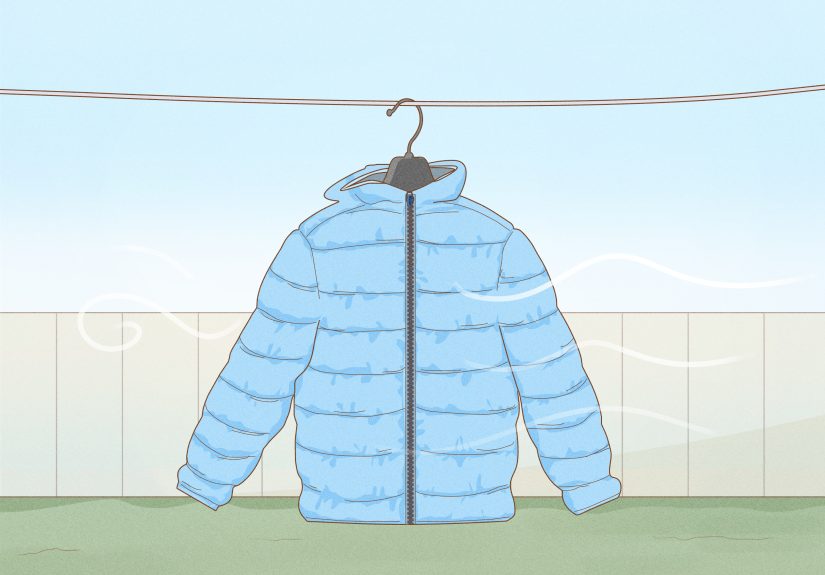
Dry the jacket the same way you would after machine washing: low heat, dryer balls, frequent checks, and lots of patience. Air drying is possible, but it can take a very long time and may leave down clumpy if you do not shake and redistribute the filling often. If you air dry, lay the jacket flat on a drying rack in a warm, ventilated room and fluff it every 30 minutes until fully dry.
Way 4: Use a Professional Down-Cleaning Service
Sometimes the best way to clean a down jacket is to hand it to someone who cleans down gear for a living. This is especially smart for expensive expedition parkas, heirloom jackets, sleeping-bag-style coats, very large garments, or jackets with complicated construction. A professional down-cleaning service can wash and dry the garment with proper equipment and enough drying capacity to restore loft safely.
When to Choose Professional Cleaning
- The care label recommends professional cleaning.
- The jacket is very expensive or technically complex.
- The down is badly clumped, greasy, or musty.
- The jacket is too large for your washer or dryer.
- You do not have a reliable way to dry it completely.
Be careful with ordinary dry cleaning. Down jackets usually need specialized care, not just standard dry-cleaning chemicals. Look for a cleaner that specifically handles down garments, technical outerwear, or outdoor gear. Ask what cleaning method they use, whether they use down-safe products, and how they restore loft during drying.
How Often Should You Clean a Down Jacket?
You do not need to wash a down jacket after every wear. In fact, over-washing can shorten its life. For everyday winter use, a full wash once or twice per season is often enough. If you wear the jacket heavily for hiking, skiing, travel, or sweaty outdoor work, you may need to wash it more often. Spot clean between full washes to keep high-contact areas fresh.
Signs your down jacket needs cleaning include visible grime, unpleasant odors, flattened insulation, greasy cuffs, reduced warmth, or water soaking into the shell instead of beading on the surface. Dirt and oils can reduce loft, so cleaning is not just about appearance. A clean down jacket often feels warmer because the feathers can expand properly again.
Common Mistakes That Can Ruin a Down Jacket
Using Regular Detergent
Standard detergent can leave residue and strip natural oils from down clusters. Use a down-specific cleaner whenever possible.
Adding Fabric Softener
Fabric softener is not your puffer’s friend. It can coat fibers, affect breathability, and interfere with water-repellent finishes.
Drying on High Heat
High heat may damage delicate shell fabrics, melt trims, or scorch insulation. Low and slow is the safer approach.
Stopping the Dryer Too Soon
A jacket can feel dry on the outside while the down inside remains damp. Keep drying until the jacket is light, evenly fluffy, and completely free of cool, heavy clumps.
Wringing the Jacket
Twisting a wet down jacket can damage baffles and seams. Press water out gently instead.
How to Restore Fluff After Cleaning
If your jacket looks flat after washing, do not declare it dead. Most flatness comes from damp down or clumps that need more drying and movement. Put it back in the dryer on low with dryer balls. Stop occasionally to shake it and massage clumped areas. Pay attention to sleeves, shoulders, and the lower back, where down tends to bunch.
If the jacket is dry but still not fluffy, give it a few extra air-fluff cycles. Then hang it overnight in a dry room. Sometimes down needs time to relax back into shape. Yes, your jacket may require a recovery nap. Honestly, relatable.
What About Water Repellency?
Many down jackets have a durable water repellent finish, often called DWR, on the outer shell. This helps light rain and snow bead up instead of soaking in. Cleaning can help revive the surface because dirt and oils interfere with water beading. If water still soaks into the fabric after washing and drying, you may need a spray-on or wash-in DWR treatment made for down or technical outerwear.
Always choose a product compatible with down garments and follow the instructions carefully. Do not use random waterproofing sprays meant for boots, tents, or patio cushions. Your jacket is outerwear, not a backyard umbrella.
Real-Life Experience: What Actually Works When Cleaning a Down Jacket
The first time many people wash a down jacket, there is a shared emotional journey: confidence, concern, panic, then relief. The panic usually arrives right after the wash cycle, when the jacket comes out looking flat, soaked, and oddly lifeless. It is easy to think, “Well, I have transformed my winter coat into a damp tortilla.” But in most cases, nothing is wrong. Wet down simply clumps, and the jacket needs a long, careful dry.
One of the most useful lessons from cleaning down jackets at home is that drying matters more than washing. Washing takes 30 to 45 minutes. Drying can take hours. The dryer balls are not decorative. They help knock apart clumps and encourage the feathers to spread out again. When you take the jacket out every 20 to 30 minutes, you can feel which sections are still damp. Sleeves and hood areas often dry faster, while thick body panels may stay cool and heavy much longer.
Another practical experience: do not overload the washer or dryer. A down jacket needs room to move. If you shove it into a small drum with towels, jeans, and your hopes for efficiency, it will not rinse or dry evenly. Wash the jacket by itself or with another lightweight down item if the machine has enough space. Balance is helpful, but crowding is not.
Spot cleaning also saves a surprising amount of effort. Most jackets do not need a full wash every time they look imperfect. The collar and cuffs usually get dirty first because they touch skin, hair products, sunscreen, and gloves. A quick wipe with diluted down wash can make the jacket look much fresher without putting the insulation through a complete soak. For city wear, this can stretch the time between full washes by weeks or months.
Hand washing feels gentle, but it is not always easier. A soaked down jacket gets heavy and awkward fast. The rinsing stage is the hardest part because leftover soap can reduce loft. If you hand wash, plan enough time to rinse thoroughly and remove water carefully. Rolling the jacket in a towel works well, but if you have access to a spin-only washer cycle, that can make drying much faster.
The biggest mistake people make is storing the jacket before it is completely dry. It may feel dry on the shell, but damp down inside can create odor and clumping. A good test is to hold different parts of the jacket against your cheek or wrist. If one panel feels cool, dense, or heavier than the rest, keep drying. A fully dry down jacket should feel light, airy, and evenly puffy.
Finally, cleaning a down jacket is less scary after you do it once. The process rewards patience. Use the right cleaner, avoid harsh products, rinse thoroughly, dry slowly, and keep fluffing. Your jacket may go into the laundry looking tired and come out ready for another winter of dog walks, ski trips, school runs, snow shoveling, and dramatic trips to the mailbox in 18-degree weather.
Conclusion
Cleaning a down jacket is not difficult, but it does require a little respect for the feathers doing all that cozy work. For light dirt, spot clean. For seasonal grime, machine wash carefully with down-safe detergent. For delicate jackets, hand wash with patience. For expensive, oversized, or complicated garments, use a professional down-cleaning service.
The real secret is drying. Low heat, dryer balls, frequent shaking, and complete dryness will help restore loft and keep your jacket warm, fluffy, and ready for cold weather. Treat your down jacket well, and it will keep returning the favor every time winter tries to bite.
Note: Always follow the care label on your specific jacket. When in doubt, contact the manufacturer or choose a cleaner that specializes in down outerwear.