Table of Contents >> Show >> Hide
- The Quick Science: Your Cough Reflex Is a Smoke Detector
- Why Cannabis Can Feel “Extra Coughy”
- Cough Triggers by Consumption Method
- Joints and blunts: the hot, dry classic
- Pipes and bowls: small device, big punch
- Water pipes and bongs: cooler, not “safe”
- Dry herb vaporizers: less combustion, fewer irritants (usually)
- Oil vapes: smooth… until they’re not
- Dabs and concentrates: high potency, high heat, high cough potential
- Edibles and tinctures: the “my lungs are on vacation” option
- Is Weed Cough Normal… or a Sign Something’s Wrong?
- Risks: What Frequent Cannabis Cough Can Mean for Your Lungs
- Prevention: How to Stop Coughing From Weed (or at Least Dramatically Reduce It)
- FAQ: Quick Answers to Common “Weed Cough” Questions
- Conclusion: Your Lungs Aren’t Being DramaticThey’re Being Protective
- Real-World Experiences: What People Commonly Notice (and What Helps)
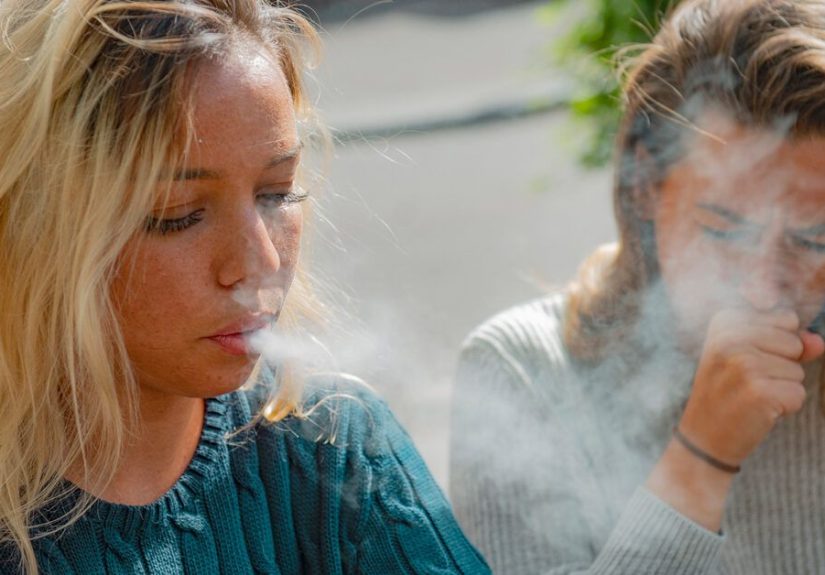
You take a hit. You feel confident. You feel cool. Then your lungs hit the emergency alarm like you just
inhaled a swarm of angry glitter. Cue the coughing fit that makes you question every life choice since
middle school.
If you’ve ever wondered why weed makes you cough, you’re not aloneand you’re not “doing it wrong”
(well… not necessarily). Coughing is your body’s built-in security system reacting to irritation, heat,
dryness, and tiny particles that absolutely do not belong in your airways. The good news: you can usually
reduce “weed cough” a lot with smarter technique and a few harm-reduction upgrades.
The Quick Science: Your Cough Reflex Is a Smoke Detector
Coughing is a protective reflex. Your throat, trachea, and bronchi are lined with sensitive nerves and
protective tissue that react fast when something irritating shows uplike smoke, harsh vapor, dust, or even
a sip of water that “goes down the wrong pipe.”
When you inhale cannabis smoke (or certain types of cannabis vapor), several things can trigger that reflex:
- Heat: Hot air can irritate and inflame airway lining almost instantly.
- Dryness: Smoke and vapor can dry out the throat, making it feel scratchy and reactive.
- Particles and chemicals: Combustion produces tar, ash, and fine particulates that irritate the airways.
- Inflammation: Repeated irritation can keep the airways “touchy,” leading to more frequent coughing.
In other words, your lungs aren’t judging your playlist. They’re doing their job.
Why Cannabis Can Feel “Extra Coughy”
1) Smoke is smoke (and lungs don’t love any of it)
Cannabis smoke contains many of the same irritants found in other kinds of smoke. Combustion creates a mix
of particulate matter and gases that can inflame large airways. That irritation is a classic cough trigger,
even for people who don’t have asthma or allergies.
2) How people inhale weed often makes it worse
A lot of folks take bigger hits, inhale deeper, and hold the smoke longer with cannabis than they would with
(say) a campfire. That “hold it in to get higher” habit can increase airway exposure to irritants and make
coughing more likely.
Reality check: most THC absorption happens quickly. Holding smoke in longer mainly gives your lungs extra
time to get annoyednot a magical bonus level of high.
3) Cannabis can dry out your mouth and throat
“Cottonmouth” isn’t just a memeit’s real. A drier throat is more easily irritated. Combine dryness with
hot smoke and particles and your cough reflex is basically standing there with a megaphone yelling, “NOPE.”
Cough Triggers by Consumption Method
Joints and blunts: the hot, dry classic
Joints and blunts deliver warm, dry smoke directly to the throat with minimal cooling or filtration.
Blunts add an extra twist: the wrap itself can be harsh, and tobacco-containing wraps introduce additional
irritants (and nicotine), which can further inflame airways.
Pipes and bowls: small device, big punch
Pipes concentrate heat and particulate in a short path. If the bowl is packed tight or the hit is fast,
you’re basically speed-running irritation. Dirty pipes can also taste harsher and may worsen throat
irritation over time.
Water pipes and bongs: cooler, not “safe”
Water can cool smoke and reduce some harshness, which often means less coughing. But it doesn’t remove all
irritants, and it definitely doesn’t make smoke healthy. Also, bongs that aren’t cleaned regularly can
become a science experiment you should not inhale.
Dry herb vaporizers: less combustion, fewer irritants (usually)
Heating cannabis flower without burning it can reduce some combustion byproducts that contribute to cough.
But vapor can still be drying and irritatingespecially at higher temperatures. Many people cough less after
switching from smoking to dry herb vaping, but technique and temperature matter a lot.
Oil vapes: smooth… until they’re not
Cartridge vapor can feel gentler, but it can still irritate airways. Some carriers and additives used in
vapor products (and the byproducts created when heated) can trigger throat irritation and coughing.
Illicit or unregulated THC vapes are a major red flag due to the history of serious lung injury
linked to certain additives (notably vitamin E acetate in the past).
Dabs and concentrates: high potency, high heat, high cough potential
Dabbing often involves very hot surfaces and dense vapor. A “too-hot dab” can feel like inhaling a tiny
sunbeamyour airways respond accordingly. If you’re prone to coughing, this method is basically the boss
battle.
Edibles and tinctures: the “my lungs are on vacation” option
If coughing is your main issue, non-inhaled routes avoid airway irritation entirely. The trade-off: edibles
have slower onset and can be easier to overdo. Start low, go slow, and be patientyour future self will
thank you.
Is Weed Cough Normal… or a Sign Something’s Wrong?
What’s usually normal
- Brief coughing right after a hit, especially from smoke or high-temp vapor
- Throat tickle, dryness, or a short “clearing” cough
- Coughing more when you take large hits or hold your breath
When you should pay attention
Consider talking to a clinicianespecially if you have asthma, COPD risk, or other lung conditionsif you
notice:
- Persistent cough that lasts weeks or keeps returning
- Wheezing, chest tightness, or frequent shortness of breath
- Chest pain, fever, or feeling unusually unwell after vaping
- Coughing up blood or significant amounts of dark mucus
A little cough is common; a “my lungs are filing a formal complaint” cough deserves a closer look.
Risks: What Frequent Cannabis Cough Can Mean for Your Lungs
Airway irritation and inflammation
Repeated exposure to smoke can irritate the lining of the large airways. That can lead to more coughing,
throat discomfort, and a cycle where your airways become more sensitive over time.
Chronic bronchitis-like symptoms (cough, phlegm, wheeze)
Multiple large reviews have found that regular cannabis smoking is associated with more frequent
bronchitis-like symptoms (chronic cough, phlegm, wheeze). A key point: evidence suggests these
symptoms often improve when people stop smoking cannabis. In other words, your lungs can calm down when the
irritant leaves the building.
Asthma and bronchospasm: smoke can trigger flare-ups
Smoke of any kind can aggravate asthma. Some clinicians note that marijuana smoke can cause acute
bronchospasm (sudden narrowing of airways) in some people, leading to coughing and wheezing. If you have
asthma, the safest move is avoiding inhaled smoke and being cautious with any inhaled products.
Vaping risks: irritation, unknowns, and a serious past warning
Vaping can still cause cough and throat irritation. Beyond that, the U.S. has seen outbreaks of severe
vaping-related lung injury in the paststrongly associated with certain additives in illicit THC products.
The takeaway is simple: avoid informal/black-market THC vapes and don’t DIY-add substances to cartridges.
Infections and hygiene issues
Sharing mouthpieces can spread germs. Dirty glassware and damp devices can grow microbes or mold. People with
weakened immune systems should be extra cautious about inhaled products and product quality.
Prevention: How to Stop Coughing From Weed (or at Least Dramatically Reduce It)
1) Change your technique (your lungs will notice immediately)
- Take smaller hits: Tiny sips beat heroic lungfuls.
- Slow your draw: A gentle inhale reduces throat shock.
- Don’t hold it in: Inhale, then exhale normally. Your lungs aren’t a storage unit.
- Add a little fresh air: After the hit, inhale a bit of clean air to push smoke out of the throat.
2) Lower the temperature
Heat is a huge cough trigger. If you vape, try a lower temperature setting. If you smoke,
avoid torching the material into a harsh, scorching burn. Cooler inhalation tends to feel smoother.
3) Hydrate like it’s your job
Dry throat = coughy throat. Water helps. Warm tea with honey can feel soothing. Many people also like
lozenges before or after a session (peppermint and menthol can be soothing, but for some folks they can also
feel “sharp,” so listen to your throat).
4) Keep your gear clean (seriously)
Resin buildup can make hits harsher and taste more irritating. Clean glass and mouthpieces regularly. Change
bong water often. If your device smells like it belongs in a biology lab, your lungs should not be the ones
cleaning it.
5) Consider switching away from combustion
If coughing is frequent, reducing exposure to smoke is a logical step. Some people experience less coughing
with a dry herb vaporizer compared with smoking. If you use vapes, stick to regulated, lab-tested products
and avoid additives or mystery oils.
6) Don’t mix with tobacco (if you can avoid it)
Mixing cannabis with tobacco (spliffs, some blunt wraps) adds extra airway irritants and raises dependence
risks. If your goal is “less cough,” adding tobacco is like adding hot sauce to a sunburn.
7) Try non-inhaled options for lung-friendly days
If you want to avoid cough entirely, edibles and tinctures are the straightforward answer. Just respect the
delayed onset: start with a low dose, wait long enough, and avoid stacking doses because “it’s not working”
(famous last words).
FAQ: Quick Answers to Common “Weed Cough” Questions
Does coughing make you higher?
Not in any reliable, meaningful way. The “cough = higher” myth likely comes from the dizziness that can
happen when you cough hard or hold your breath. That’s not a bonus featureit’s your body being mildly
stressed.
Why do I cough up dark or black mucus after smoking?
Smoke contains tar and particulates that can darken mucus. Occasional discoloration can happen with smoke
exposurebut persistent dark mucus, foul-smelling phlegm, or any blood is a reason to get medical advice.
Is a bong with ice or water filtration “healthy”?
It may feel smoother because the smoke is cooler and somewhat filtered, but you’re still inhaling smoke and
irritants. “Less harsh” is not the same as “harmless.”
Is vaping always safer than smoking?
Vaping can reduce some combustion byproducts, but it isn’t risk-free. The product quality, ingredients, and
device temperature matter a lotand illicit THC vapes have a history of severe harm. If your lungs are the
priority, minimizing inhalation overall is the cleanest solution.
Conclusion: Your Lungs Aren’t Being DramaticThey’re Being Protective
Weed makes you cough because smoke and certain vapors irritate sensitive airway tissuethrough heat,
dryness, particulates, and inflammation. Occasional coughing can be normal, but frequent or persistent
coughing is a sign to reduce irritation and reconsider your method. The best prevention is straightforward:
smaller hits, lower temperature, better hydration, cleaner gear, and less combustion. And if
you have asthma or ongoing symptoms, treat your lungs like VIPs and get professional guidance.
Real-World Experiences: What People Commonly Notice (and What Helps)
People describe “weed cough” in surprisingly consistent ways. The first pattern is the confidence curve:
someone takes a big first hit because they feel fine, then spends the next minute doing that quiet,
wheeze-laugh-cough combo that sounds like a goose learning beatboxing. The lesson most folks eventually
learn is boring but effective: small hits. When people switch from “cannonball” inhales to
“sip” inhales, they often report a night-and-day differencesame session, fewer throat tantrums.
Another common experience is the temperature trap. With dry herb vapes, beginners often crank
the heat thinking it’ll be more efficient. Then they cough anyway and conclude vaping “doesn’t work for
them.” When they try again at a lower temperature, the experience can feel smoother and less drying. The
same goes for concentrates: many people learn (sometimes painfully) that “too hot” is the fastest route to a
coughing fit that rearranges your entire personality.
Hydration stories are everywhere. Plenty of people swear that if they drink water beforehandlike, before
they startthey cough less than if they try to fix it mid-cough. Some report that warm drinks help more than
ice-cold ones, while others prefer cold water because it numbs the tickle. The useful takeaway isn’t the
exact beverage; it’s that a dry throat is a reactive throat. If you already have cottonmouth,
your throat is basically a drama critic looking for something to complain about.
People also talk about the “dirty gear effect.” A freshly cleaned piece often feels smoother and tastes less
harsh, while a resin-heavy device can feel scratchy and trigger cough sooner. Beyond comfort, hygiene comes
up a lot: folks who used to share mouthpieces freely started noticing more sore throats and frequent colds,
and many changed habitspersonal mouthpiece tips, cleaning routines, and not passing devices around when
someone’s sick. It’s not glamorous, but neither is a week of coughing because “sharing is caring.”
Then there’s the “method swap” experience. Some people who cough a lot with joints find bongs smoother; some
who cough with bongs find low-temp dry herb vaping gentler; some decide inhalation just isn’t worth it and
move to edibles or tinctures. The funny part is that many report their cough improves simply by cutting down
frequencyfewer sessions per week, or shorter sessionsbecause the airways get a chance to calm down instead
of staying irritated. It’s the same logic as giving your voice a break after yelling at a football game:
your throat appreciates the quiet.
Finally, people often mention a mindset shift: chasing the “biggest hit” stops feeling impressive around the
time you realize you’re coughing harder than you’re enjoying yourself. Many describe finding their sweet
spotgentle inhale, no breath-holding, lower heat, a sip of water, and a clean deviceand suddenly the
session becomes… pleasant. Imagine that.