Table of Contents >> Show >> Hide
- Before You Start: Read the Fabric Like It Owes You Money
- Method 1: Rinse With Cold Water and Pretreat With Liquid Detergent
- Method 2: Use an Enzyme-Based Stain Remover for Protein Stains
- Method 3: Brighten Lingering Stains With Oxygen Bleach or Hydrogen Peroxide
- Method 4: Treat Odor and Residue With Baking Soda, Vinegar, or a Gentle Soak
- How to Remove Insect Stains From Different Types of Fabric
- Common Mistakes That Make Insect Stains Worse
- When Should You Call a Professional Cleaner?
- Prevention: Keep Bugs From Turning Fabric Into Their Notebook
- Real-Life Experience: What Actually Works When Bugs Meet Laundry
- Conclusion
Insects are tiny. Their stains, however, can have the confidence of a permanent marker at a toddler’s birthday party. Whether you swatted a mosquito on your sleeve, found mysterious brown dots on bedding, brushed against insect droppings on patio cushions, or discovered bug residue on camping clothes, the key is to treat the stain before heat, time, and denial turn it into a fabric tattoo.
The good news: most insect stains on fabric can be handled at home with smart, gentle methods. The not-so-good news: you should not simply toss the item into a hot dryer and hope for laundry magic. Heat can set protein-based stains, especially those involving insect body fluids, blood, or organic residue. The better strategy is to identify the fabric, work from mild to stronger treatments, rinse thoroughly, and air-dry until you know the stain is gone.
This guide explains four practical ways to remove insect stains from fabric using common laundry products, enzyme detergent, oxygen bleach, hydrogen peroxide, baking soda, and careful pretreating. You will also learn what not to do, because “creative chemistry” belongs in a supervised lab, not in your laundry room.
Before You Start: Read the Fabric Like It Owes You Money
Before attacking the stain, check the care label. Cotton, polyester, denim, canvas, and many washable blends can usually handle stain treatment. Silk, wool, rayon, acetate, leather, and “dry clean only” fabrics need a lighter touch or professional cleaning. A stain on a cotton T-shirt is an inconvenience. A stain on silk is a tiny opera tragedy.
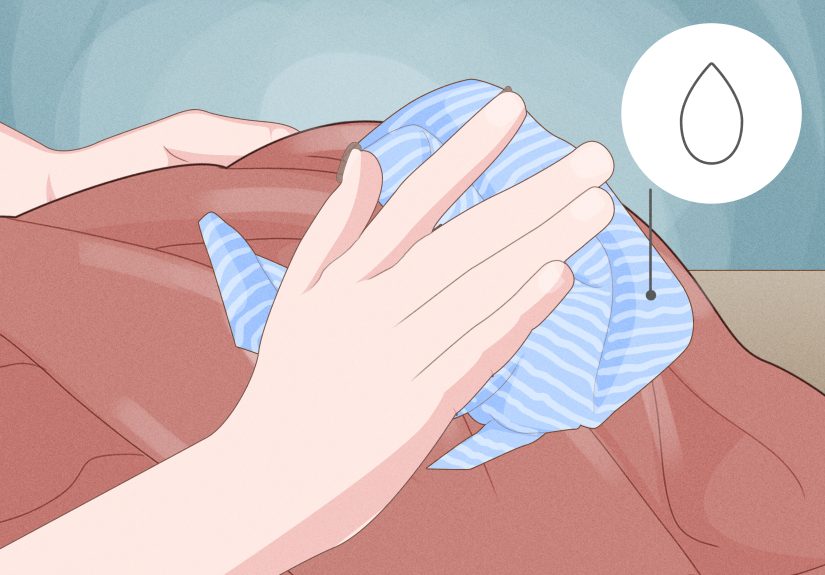
Next, remove any solid insect residue with a dull knife, spoon edge, or soft brush. Do not grind it deeper into the fibers. If the stain is fresh, blot instead of rubbing. Rubbing spreads the mark and can rough up the fabric surface. Always test stain removers on an inside seam or hidden area first, especially on dark, bright, vintage, or delicate textiles.
One more rule: do not dry the item with heat until the stain is completely gone. A dryer can “bake” remaining discoloration into the fibers. Air-dry first, inspect in bright light, and repeat treatment if needed.
Method 1: Rinse With Cold Water and Pretreat With Liquid Detergent
This is the best first move for fresh insect stains on washable fabric. It works especially well for small bug splatters, mosquito marks, gnat residue, and light brown or yellow smudges on shirts, pants, table linens, and outdoor cushions with removable covers.
Why It Works
Many insect stains contain organic material, including proteins, pigments, and tiny traces of body fluid. Cold water helps flush out protein-based residue without setting it. Liquid laundry detergent or a small amount of grease-fighting dish soap helps loosen the stain from the fibers.
Steps
- Turn the fabric inside out and flush the stain from the back with cold running water.
- Apply a small amount of liquid laundry detergent directly to the stained area.
- Gently work it in with your fingers or a soft toothbrush.
- Let it sit for 10 to 15 minutes.
- Rinse with cool water.
- Launder according to the care label.
- Air-dry and inspect before using the dryer.
Example
Suppose you wore a white cotton shirt during a backyard barbecue and a tiny flying villain met its end on your sleeve. Rinse from the back of the fabric, apply liquid detergent, wait, rinse, then wash. This simple treatment often removes the stain before it becomes a dramatic laundry subplot.
Method 2: Use an Enzyme-Based Stain Remover for Protein Stains
If the stain looks brown, reddish, tan, or shadowy after the first rinse, move to an enzyme-based stain remover or enzyme laundry detergent. This method is ideal for insect stains on bedding, washable clothing, pillowcases, sleeping bags, and camping fabrics.
Why It Works
Enzyme cleaners break down organic stains into smaller pieces so detergent and water can carry them away. Protease enzymes are especially useful on protein-based stains. That matters because some insect-related stains are similar to other organic marks, such as blood, body fluids, or animal residue.
Steps
- Rinse the stain with cold water first.
- Apply an enzyme-based laundry stain remover or liquid enzyme detergent.
- Let it sit for at least 15 to 30 minutes. For older stains, soak longer if the care label allows.
- Wash using the warmest water safe for the fabric.
- Check the stain before drying.
For bedding or clothing connected to bed bugs, fleas, or lice, stain removal is only part of the job. You also need to address the insects themselves. Wash and dry items at the hottest setting the fabric can safely tolerate, or use a hot dryer cycle where appropriate. Heat treatment can help kill insects and eggs, but always follow fabric-care instructions so you do not turn your favorite sweater into doll clothing.
Best Fabrics for This Method
Enzyme treatment is usually suitable for cotton, polyester, nylon, denim, and many washable blends. Avoid using enzyme products on wool or silk unless the product label clearly says it is safe for those fibers. Enzymes can sometimes affect protein-based fibers, and yes, fabric science has jokes.
Method 3: Brighten Lingering Stains With Oxygen Bleach or Hydrogen Peroxide
Sometimes the stain is technically “clean” but still visible. This often happens with pale fabrics, sheets, towels, white shirts, and light upholstery covers. If a yellow, orange, reddish, or brown shadow remains, oxygen bleach or 3% hydrogen peroxide may help brighten the area.
Oxygen Bleach for Washable Whites and Colors
Oxygen bleach, often made with sodium percarbonate, is different from chlorine bleach. It is usually safer for many washable white and colorfast fabrics, though you should still test first. It works well for lingering organic discoloration and dingy patches.
- Mix oxygen bleach with water according to the product label.
- Soak the stained fabric for the recommended time.
- Wash as usual.
- Air-dry and inspect.
Hydrogen Peroxide for Small Stubborn Marks
For small stains on white or colorfast fabric, dab 3% hydrogen peroxide on the damp stained area. Let it bubble briefly, then rinse thoroughly. Do not leave it sitting for hours, and do not use it on delicate fabric without testing. Hydrogen peroxide can have a mild bleaching effect, which is helpful on white cotton and less charming on your navy-blue pants.
Important Safety Note
Never mix cleaning products randomly. Do not combine chlorine bleach with vinegar, ammonia, hydrogen peroxide, or other cleaners. Also avoid using chlorine bleach on insect stains unless the care label allows it and the fabric is white and bleach-safe. When in doubt, choose oxygen bleach or a professional cleaner.
Method 4: Treat Odor and Residue With Baking Soda, Vinegar, or a Gentle Soak
Some insect stains come with odor, stickiness, or dusty residue. This can happen with patio cushions, picnic blankets, curtains near windows, camping gear, and clothes stored in garages or closets. In these cases, a gentle soak can help lift residue without abusing the fabric.
Baking Soda Paste for Surface Stains
Baking soda is mildly abrasive and deodorizing, which makes it useful for washable sturdy fabrics. Mix equal parts baking soda and water into a paste. Apply it to the stain, let it sit for 15 to 30 minutes, then brush off the dried paste and rinse. Follow with enzyme detergent if discoloration remains.
White Vinegar for Certain Residues
White vinegar can help loosen some sticky residues and mineral-like marks, but it should be used carefully. Dab diluted white vinegar on a hidden area first. If the fabric passes the test, apply a small amount to the stain, let it sit briefly, rinse well, and launder. Do not pour vinegar into your washer repeatedly as a routine habit, and never mix vinegar with chlorine bleach.
Gentle Soak for Larger Fabric Items
For washable tablecloths, cotton curtains, removable cushion covers, or camping blankets, fill a basin with cool or warm water and add a small amount of liquid detergent. Soak the item for 30 minutes, gently agitate, rinse, and wash. If the fabric is heavily stained, add oxygen bleach according to the label directions.
How to Remove Insect Stains From Different Types of Fabric
Cotton
Cotton is forgiving. Start with cold water, liquid detergent, and enzyme pretreatment. For white cotton, oxygen bleach or 3% hydrogen peroxide can help remove shadows. Avoid high heat until the stain is gone.
Polyester and Synthetic Blends
Polyester can hold oily residue, so detergent pretreatment is important. Use warm water if the care label allows it. Avoid aggressive scrubbing, which can create shiny spots.
Denim
Flush with cold water, pretreat with detergent, and wash inside out. Use oxygen bleach only if the denim is colorfast. Air-dry to avoid setting any remaining marks.
Upholstery and Patio Fabric
If the cover is removable and washable, treat it like laundry. If it is not removable, blot with a mild detergent solution, rinse by blotting with clean water, and allow it to dry fully. Do not oversaturate cushions, because mildew is not the sequel anyone asked for.
Silk, Wool, Rayon, and Dry-Clean-Only Items
Blot gently and take the item to a professional cleaner. Avoid enzyme cleaners, hydrogen peroxide, baking soda scrubbing, and soaking unless the care label specifically permits home washing.
Common Mistakes That Make Insect Stains Worse
The biggest mistake is using hot water immediately on a protein-heavy stain. Hot water may set the mark. Start cool, then use warmer water later if the fabric allows and the stain has been pretreated.
The second mistake is drying too soon. If you cannot tell whether the stain is gone, air-dry the garment and check under daylight. Artificial bathroom lighting has a long history of lying to people about stains, makeup, and haircut decisions.
The third mistake is scrubbing aggressively. Fabric fibers are not kitchen tiles. Blot, tamp, rinse, and gently work in detergent. If you fray the fabric, you may remove the stain but create a new problem with excellent visibility.
The fourth mistake is mixing chemicals. More products do not always mean more cleaning power. Sometimes they mean fumes, fabric damage, or a very exciting call to poison control. Use one treatment at a time and rinse between methods.
When Should You Call a Professional Cleaner?
Call a professional if the item is expensive, vintage, structured, lined, heavily embroidered, made from silk or wool, or labeled dry clean only. You should also get help if the stain has been heat-set, if there is a large cluster of unknown insect marks, or if the fabric has both staining and pest contamination. A cleaner can identify fiber type and choose a safer solvent or wet-cleaning method.
Prevention: Keep Bugs From Turning Fabric Into Their Notebook
Store seasonal clothing in clean, sealed containers. Wash clothes before long-term storage because body oils, food crumbs, and sweat attract insects. Vacuum closets, baseboards, and under-bed areas regularly. For bedding, inspect seams and corners if you notice repeated brown or reddish dots. For outdoor textiles, shake them out before bringing them inside and wash removable covers regularly.
If you are dealing with insects that infest fabric, such as bed bugs, fleas, carpet beetles, moths, or lice, stain removal alone is not enough. You need pest control steps too: laundering, heat drying where safe, vacuuming, sealing cleaned items, and contacting a professional if the problem continues.
Real-Life Experience: What Actually Works When Bugs Meet Laundry
Here is the honest truth from the laundry trenches: insect stains rarely arrive with a polite label. They usually appear as “What is that?” marks. A tiny brown dot on a pillowcase. A yellowish streak on a curtain. A dark smear on a hiking shirt. A suspicious spot on a picnic blanket that everyone silently agrees not to discuss during lunch.
The first experience many people have is the classic mosquito-on-shirt incident. You notice the stain after the heroic swat, and the temptation is to rub it with a napkin until your sleeve looks worse than before. The better move is boring but effective: cold water from the back of the stain, a little liquid detergent, patience, and then a normal wash. In many cases, the stain disappears without drama. Laundry, at its best, is deeply uncinematic.
Camping fabrics are trickier. After a weekend outdoors, clothes may carry bug residue, sweat, sunscreen, soil, and mystery dots from nature’s confetti cannon. In that situation, a single quick wash may not be enough. Pretreat visible spots first. Then soak sturdy washable clothes in cool water with enzyme detergent. After 30 minutes, wash as directed. This helps avoid the common problem of washing a garment, drying it, and discovering the stain has survived like a tiny villain in a sequel.
Bedding stains require extra attention because they can signal more than a laundry issue. If you repeatedly see small rusty or dark spots on sheets, pillowcases, or mattress covers, inspect the sleeping area. Some insect stains may come from crushed bugs or insect droppings. Treat the fabric with enzyme stain remover, but also address the source. Washing sheets without solving the pest problem is like mopping during a roof leak: technically productive, emotionally suspicious.
Outdoor cushions and patio textiles bring another lesson: do not oversoak what you cannot dry quickly. Removable cushion covers can often be washed, but fixed upholstery should be cleaned with controlled moisture. Use a mild detergent solution, blot gently, rinse by blotting with plain water, and let the fabric dry completely in moving air. Too much water can lead to mildew, and mildew is basically the laundry universe saying, “You thought the bug stain was annoying? Cute.”
One of the most useful habits is keeping a small stain kit at home: liquid laundry detergent, enzyme stain remover, oxygen bleach, baking soda, white cloths, a soft toothbrush, and 3% hydrogen peroxide for appropriate white or colorfast fabrics. With those basics, you can handle most insect stains without panic-buying seven products at midnight.
The final experience-based tip is simple: repeat gently rather than escalating wildly. If the stain remains after one treatment, do not jump straight to chlorine bleach or harsh scrubbing. Rinse, pretreat again, soak if safe, and rewash. Fabric responds better to patience than punishment. Insect stains may be stubborn, but with the right method, most of them eventually surrender.
Conclusion
Removing insect stains from fabric is mostly about timing, temperature, and choosing the right cleaner for the stain. Start with cold water and liquid detergent for fresh marks. Use enzyme stain remover for protein-based discoloration. Try oxygen bleach or hydrogen peroxide for lingering shadows on safe fabrics. Use baking soda, diluted vinegar, or gentle soaking for residue and odor.
Most importantly, check the care label, test first, avoid random chemical mixtures, and air-dry until the stain is fully gone. With a calm approach and the right products, your clothing, bedding, and outdoor fabrics can recover from their tiny insect encounters. The bugs may have had a moment, but your fabric gets the final word.
Note: This article is written for general washable-fabric care. For delicate, vintage, expensive, or dry-clean-only textiles, consult a professional cleaner before attempting home stain removal.