Table of Contents >> Show >> Hide
- What Makes an Alcoholic Drink Low in Calories?
- 9 Lowest Calorie Alcoholic Drinks
- Low Calorie Alcoholic Drinks to Order at a Bar
- Drinks That Are Usually Higher in Calories
- How to Make Any Drink Lower in Calories
- Are Low Calorie Alcoholic Drinks Healthy?
- of Real-Life Experience: Choosing Low Calorie Drinks Without Killing the Fun
- Conclusion
Note: Calorie counts in this article are estimates based on common U.S. serving sizes. Exact numbers can vary by brand, alcohol by volume, pour size, mixer, and whether your bartender believes “a splash” means one teaspoon or half the bottle.
Enjoying a drink does not have to mean accidentally ordering dessert in a glass. Many alcoholic beverages become calorie bombs not because of the alcohol alone, but because of the sugary mixers, oversized pours, syrups, juices, cream, and mystery “house blends” that sneak into cocktails like tiny calorie ninjas. If you are watching your calorie intake, the smartest move is not necessarily choosing the fanciest drinkit is choosing the simplest one.
The lowest calorie alcoholic drinks usually have three things in common: a measured serving of alcohol, little to no added sugar, and a low-calorie mixer such as soda water, club soda, sparkling water, or fresh citrus. A standard U.S. drink typically contains about 14 grams of pure alcohol, which is found in roughly 12 ounces of regular beer, 5 ounces of wine, or 1.5 ounces of 80-proof spirits. That means portion size matters. A “light” cocktail can quickly become not-so-light if the pour is big enough to qualify as a small aquarium.
Below are nine of the best low calorie alcoholic drinks to consider when you want something refreshing, social, and flavorful without turning happy hour into a surprise meal plan.
What Makes an Alcoholic Drink Low in Calories?
Alcohol itself contains caloriesabout 7 calories per gram. That is less than fat but more than carbohydrates or protein. However, alcohol calories are often called “empty calories” because they do not provide meaningful vitamins, minerals, fiber, or protein. The real trouble often begins when alcohol meets sugar. Regular soda, tonic water, sour mix, simple syrup, fruit juice, cream liqueurs, and flavored syrups can double or triple the calorie count of a drink.
For example, a 1.5-ounce shot of 80-proof vodka, gin, rum, tequila, or whiskey contains about 97 calories. Mix it with club soda and lime, and the drink stays close to that number. Mix it with cola, sweet tea, lemonade, or a creamy coffee liqueur, and suddenly your “quick drink” starts acting like a cupcake with a driver’s license.
9 Lowest Calorie Alcoholic Drinks
1. Vodka Soda With Lime
Estimated calories: About 95–100 calories per drink
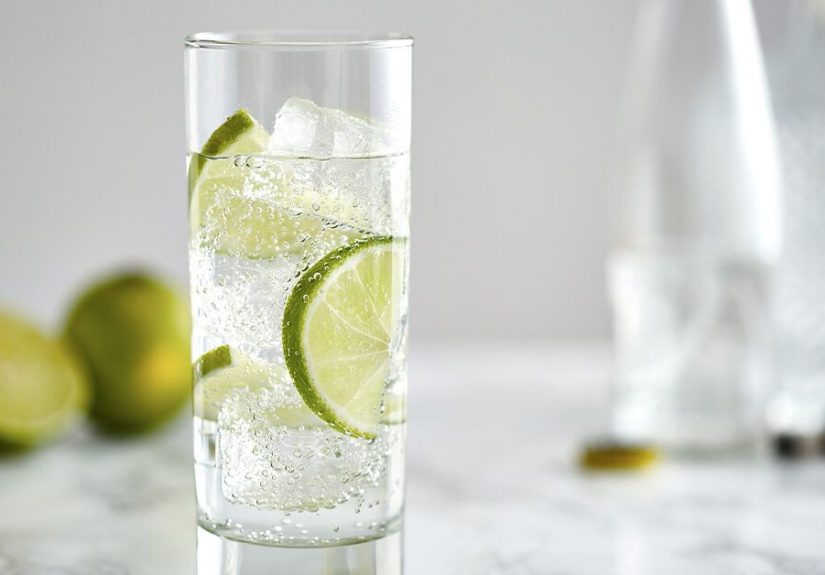
A vodka soda is the classic low calorie alcoholic drink for a reason: it is simple, crisp, and very hard to mess up. It usually includes 1.5 ounces of 80-proof vodka, soda water, ice, and a wedge of lime. Since soda water has no calories and fresh lime adds only a tiny amount, most of the calories come from the vodka itself.
This drink is a strong choice if you want something clean and refreshing without added sugar. It also gives you room to customize the flavor. Add cucumber slices, mint, lemon, grapefruit peel, or a splash of unsweetened flavored sparkling water. Just avoid turning it into a “vodka soda” with sweetened tonic, because tonic water is not the same as soda water. Tonic contains sugar unless labeled diet or zero-calorie.
2. Tequila With Lime and Soda Water
Estimated calories: About 95–105 calories per drink
Tequila can be a great low calorie option when you skip the margarita mix. A standard shot of 80-proof tequila contains roughly the same calories as vodka or gin. Combine tequila with soda water and fresh lime, and you get a bright, zesty drink that feels festive without the sugary baggage.
This is sometimes called a skinny ranch water, especially when made with tequila, sparkling water, and lime. The key is keeping it simple. A traditional margarita can contain added sugars from orange liqueur, agave syrup, or bottled sour mix. Those ingredients taste great, but they can push the calorie count much higher. If you love margarita flavor, ask for tequila, lime juice, soda water, and just a small splash of orange liqueur.
3. Champagne or Brut Sparkling Wine
Estimated calories: About 90–120 calories per 5-ounce glass
Sparkling wine can be surprisingly calorie-friendly, especially when you choose dry styles such as brut, extra brut, or brut nature. These options usually contain less residual sugar than sweeter sparkling wines. A standard 5-ounce pour often falls around 90 to 120 calories, depending on the brand and sugar level.
Champagne and sparkling wine also have a built-in advantage: bubbles make the drink feel celebratory. You do not need a syrupy mixer, whipped topping, or tiny umbrella to make it interesting. A chilled flute of brut sparkling wine can feel elegant without trying too hard, which is the beverage equivalent of showing up in a great outfit and saying, “Oh, this old thing?”
4. Light Beer
Estimated calories: About 95–110 calories per 12-ounce serving
Light beer is one of the easiest lower calorie alcoholic drinks to find. Many popular light beers contain around 100 calories per 12-ounce can or bottle, though the exact amount varies by brand. Compared with regular beer, which often lands closer to 150 calories, light beer can be a practical swap if you enjoy beer but want to reduce calories.
The trade-off is flavor and alcohol content. Some light beers are lower in alcohol, which helps reduce calories. Others may taste thinner than craft beers or full-bodied lagers. Still, if you are at a barbecue, watching sports, or eating tacos on a patio, a light beer can be a simple choice. Just remember that “light” does not mean unlimited. Three light beers are still three beers, not one magical diet beverage wearing sunglasses.
5. Dry White Wine
Estimated calories: About 115–125 calories per 5-ounce glass
Dry white wines such as sauvignon blanc, pinot grigio, albariño, and dry riesling can be lower in calories than sweeter wines. A standard 5-ounce glass is often around 120 calories. Dry wines typically contain less residual sugar, which helps keep calories moderate.
White wine is also easy to sip slowly, especially when chilled. If you want to make it even lighter, turn it into a white wine spritzer by mixing 3 ounces of dry white wine with sparkling water. You still get the flavor and aroma of wine, but with fewer calories per glass and a more hydrating feel. Add lemon, lime, berries, or cucumber for a drink that looks like you planned your evening with Pinterest-level confidence.
6. Red Wine
Estimated calories: About 120–130 calories per 5-ounce glass
Red wine is not the absolute lowest calorie alcoholic drink, but it can fit comfortably into a lower calorie drinking plan when served in a standard 5-ounce pour. Dry red wines such as pinot noir, merlot, cabernet sauvignon, and tempranillo generally contain fewer sugars than sweet dessert wines.
The important detail is portion control. Many restaurant pours are 6, 8, or even 9 ounces, which can quietly increase calories. A large glass of wine may look classy, but it may also contain nearly two standard servings. If you are tracking calories, ask for a standard pour or split a glass. Your taste buds will survive. They are brave like that.
7. Gin and Diet Tonic
Estimated calories: About 100–115 calories per drink
A regular gin and tonic sounds light, but traditional tonic water contains sugar. That can push the calorie count much higher than expected. Switch to diet tonic or zero-sugar tonic, and the drink becomes much more calorie-friendly. A 1.5-ounce serving of 80-proof gin contributes about 97 calories, while diet tonic adds little to none.
Gin also brings botanical flavor from ingredients such as juniper, citrus peel, herbs, and spices. That means you can get complexity without sugary add-ins. Garnish with lime, lemon, cucumber, rosemary, or grapefruit peel. For the lowest calorie version, confirm that the tonic is diet or zero-sugar, because regular tonic is basically soda in a tuxedo.
8. Whiskey on the Rocks
Estimated calories: About 95–105 calories per 1.5-ounce serving
If you enjoy bold flavor, whiskey on the rocks is one of the simplest low calorie alcoholic drinks. Bourbon, rye, Scotch, and Irish whiskey are typically calorie-similar when served as a standard 1.5-ounce pour. Ice adds zero calories, unless science has changed dramatically while nobody was looking.
Drinking whiskey neat or on the rocks helps avoid sugary mixers like cola, ginger ale, sour mix, and sweet vermouth. It also encourages slower sipping, which can help with moderation. If the flavor feels too intense, add a splash of water or soda water. This opens up the aroma and makes the drink easier to enjoy without turning it into a high-calorie cocktail.
9. Dry Martini
Estimated calories: About 120–140 calories per drink
A dry martini can be a relatively low calorie cocktail when made with gin or vodka and a small amount of dry vermouth. The calorie count depends on the pour size, but a classic version is usually far lighter than creamy, fruity, or syrup-heavy cocktails.
The garnish matters less than the build. An olive adds a few calories and some sodium. A lemon twist adds almost none. What you want to avoid is the oversized martini glass filled to the brim with multiple shots of alcohol. That may still be “low carb,” but it is not necessarily low calorie or low impact. A properly measured martini is elegant. A giant one is a plot twist.
Low Calorie Alcoholic Drinks to Order at a Bar
Ordering lower calorie drinks at a bar is mostly about clear instructions. Bartenders are not mind readers, although the best ones do seem suspiciously close. Ask for “soda water” instead of “tonic” if you want no added sugar. Request fresh lime or lemon instead of sour mix. Choose “diet,” “zero sugar,” or “light” mixers when available. Ask for a single shot rather than a double.
Here are a few easy bar orders:
- Vodka soda with lime
- Tequila soda with fresh lime
- Gin with diet tonic
- Whiskey on the rocks
- Brut sparkling wine
- Dry white wine spritzer
- Light beer
- Dry martini with a lemon twist
Drinks That Are Usually Higher in Calories
Some alcoholic drinks wear their calories proudly. Others act innocent while hiding sugar behind a fruit garnish. If you are aiming for the lowest calorie alcoholic drinks, be careful with frozen margaritas, piña coladas, mudslides, Long Island iced teas, regular mojitos, sweet sangria, hard lemonade, creamy coffee cocktails, and cocktails made with regular soda or bottled sour mix.
These drinks can still be enjoyed occasionally, but they are not usually the best choice when calorie control is the goal. A frozen cocktail can easily contain several hundred calories, especially when made with sweetened mixes. Think of it as a liquid vacation souvenir: fun, memorable, and not something you need every Tuesday.
How to Make Any Drink Lower in Calories
Use a Zero-Calorie Mixer
Soda water, club soda, sparkling water, diet tonic, and zero-sugar soda can dramatically reduce calories compared with regular soda, juice, or sweet mixers.
Measure the Alcohol
A standard pour of spirits is 1.5 ounces. Free-pouring at home often leads to larger drinks. Use a jigger if you want accuracy.
Choose Fresh Citrus
Lemon, lime, grapefruit, and orange wedges add flavor with minimal calories. They also make drinks taste fresher and less flat.
Skip Simple Syrup
Simple syrup is sugar dissolved in water. It may sound harmless, but it can add calories quickly. Ask for less syrup or none at all.
Avoid Creamy Add-Ins
Cream, coconut cream, half-and-half, and sweet liqueurs can turn a cocktail into dessert. Delicious? Yes. Low calorie? Usually not.
Alternate With Water
Alternating alcoholic drinks with water or sparkling water can reduce total calorie intake and help you pace yourself.
Are Low Calorie Alcoholic Drinks Healthy?
Lower calorie does not automatically mean healthy. Alcohol can affect sleep, hydration, appetite, judgment, digestion, and long-term health risks. Even a low calorie drink still contains alcohol, and drinking less is generally better for health than drinking more. If you do not drink, there is no health reason to start. If you do drink, moderation and awareness matter more than chasing the “perfect” cocktail.
It is also smart to consider your personal health situation. People who are pregnant, taking certain medications, managing liver disease, recovering from alcohol use disorder, or advised by a clinician to avoid alcohol should skip alcoholic drinks altogether. In those cases, a low calorie mocktail with sparkling water, citrus, herbs, and bitters-style alcohol-free flavorings can feel just as special.
of Real-Life Experience: Choosing Low Calorie Drinks Without Killing the Fun
Here is the honest experience many people have with low calorie alcoholic drinks: the first time you order one, it can feel like you are making a very responsible decision in public. You say, “Vodka soda with lime, please,” and suddenly you feel like someone who meal preps, owns matching food containers, and knows where their phone charger is at all times. Then the drink arrives, and you realize something important: simple drinks depend heavily on quality and balance.
A vodka soda can be crisp and refreshing, or it can taste like someone whispered “vodka” near a glass of television static. The difference is usually the lime, the ice, the freshness of the soda water, and whether the drink is properly measured. That is why many people eventually learn to customize. Extra lime helps. A splash of grapefruit sparkling water helps. Mint makes the whole thing feel like it went to a spa and came back emotionally available.
Tequila soda is another drink that surprises people. If your only experience with tequila involved neon margarita mix and questionable dancing, tequila with lime and soda can feel like a complete rebrand. It is cleaner, lighter, and far less sweet. It pairs well with tacos, grilled seafood, chips and salsa, or a warm evening when everyone insists they are “just having one” and then starts discussing appetizers with the seriousness of a board meeting.
Wine has its own learning curve. A standard 5-ounce pour can look smaller than expected, especially if you are used to restaurant glasses that could double as decorative bowls. At home, measuring once or twice can be eye-opening. Not forevernobody wants to turn Friday night into a laboratorybut just enough to understand what a real serving looks like. Dry white wine and sparkling wine are often satisfying because they bring flavor without needing extra ingredients.
Light beer is practical, especially at casual events. It is easy to track, easy to find, and usually labeled clearly. The experience is less about glamour and more about convenience. Nobody is writing poetry about light beer foam, but at a cookout, it does the job. It also avoids the problem of mystery cocktails, where every pitcher contains fruit juice, sugar, and someone’s secret ingredient, which is usually more sugar.
The biggest lesson is that low calorie drinking works best when it does not feel like punishment. If you hate gin, do not force yourself into a gin and diet tonic just because it sounds “better.” If you love whiskey, enjoy a measured pour slowly. If you want something bubbly, choose brut sparkling wine. If you want a cocktail, build it around soda water, citrus, herbs, and a spirit you actually like.
Another useful habit is deciding before you drink. Choose your first drink intentionally instead of letting the menu pressure you into a frozen mango sugar avalanche. Eat a real meal, drink water, and pace yourself. The goal is not to win a calorie math competition. The goal is to enjoy the moment without waking up the next day wondering how one cocktail contained the nutritional energy of a pancake breakfast.
Conclusion
The lowest calorie alcoholic drinks are usually the simplest: vodka soda, tequila with lime and soda, brut sparkling wine, light beer, dry wine, gin with diet tonic, whiskey on the rocks, and dry martinis. The common thread is not magicit is moderation, smart mixers, and reasonable portions. Alcohol adds calories on its own, but sugary mixers and oversized pours are often what turn a drink from light to “well, that escalated quickly.”
If you want to enjoy alcohol while keeping calories lower, choose clear or straight spirits with zero-calorie mixers, dry wines, brut sparkling wines, or light beers. Use fresh citrus, skip syrups, and watch portion sizes. Most importantly, remember that the best drink is one you enjoy responsibly. Low calorie should still taste good, feel social, and leave you feeling in controlnot like you are doing homework at happy hour.