Table of Contents >> Show >> Hide
- Why Do Shoes Smell Bad in the First Place?
- 9 Ways to Keep Your Shoes from Stinking
- 1. Wash and Dry Your Feet Like You Mean It
- 2. Change Socks Daily, or More Often If Needed
- 3. Rotate Your Shoes Instead of Wearing the Same Pair Daily
- 4. Let Shoes Dry Completely After Each Wear
- 5. Use Baking Soda or Odor Absorbers Overnight
- 6. Clean Shoes and Insoles Regularly
- 7. Choose Breathable Shoes Whenever Possible
- 8. Use Foot Powder or Antiperspirant for Sweaty Feet
- 9. Store Shoes in a Fresh, Airy Place
- Extra Tips for Different Types of Shoes
- When Shoe Odor Might Need Extra Attention
- Common Mistakes That Make Shoes Smell Worse
- A Simple Weekly Routine for Fresh Shoes
- Experience-Based Lessons: What Actually Works in Real Life
- Conclusion
Few household mysteries are as dramatic as the moment someone takes off a pair of shoes and the room suddenly develops a personality. Shoe odor can sneak up on anyone: athletes, office workers, students, travelers, parents chasing toddlers, and people who swear they “barely sweat.” The good news is that smelly shoes are not a character flaw. They are usually the result of moisture, bacteria, trapped heat, and shoes that never get a proper chance to dry.
The even better news? You do not need to declare war on your footwear collection or throw your sneakers into exile. With a few smart habits, you can keep your shoes fresher, your feet drier, and your hallway from smelling like a gym locker that made questionable life choices.
This guide covers 9 ways to keep your shoes from stinking, using practical, real-world methods that work for sneakers, work shoes, school shoes, boots, flats, and casual footwear. We will talk about foot hygiene, sock strategy, shoe rotation, deodorizing tricks, storage habits, and when persistent odor might be a sign that your feet need extra attention.
Why Do Shoes Smell Bad in the First Place?
Shoes usually stink because they create the perfect little vacation resort for odor-causing bacteria: warm, dark, damp, and poorly ventilated. Sweat itself is mostly odorless, but when bacteria on the skin and inside shoes break down sweat, oils, and dead skin cells, they produce the unpleasant smell people associate with “stinky feet.”
Your feet also have a lot of sweat glands, and they spend much of the day wrapped in socks and shoes. That means moisture can build up quickly, especially in athletic shoes, synthetic shoes, tight shoes, and footwear worn for long hours. If your shoes never dry fully between wears, odor can become a repeat guest. And unfortunately, unlike a polite guest, it does not bring snacks.
9 Ways to Keep Your Shoes from Stinking
1. Wash and Dry Your Feet Like You Mean It
The first step in preventing smelly shoes is preventing smelly feet. A quick splash of water in the shower is not enough if your feet spend the day sealed inside shoes. Wash your feet daily with soap, paying attention to the soles, heels, toenails, and between the toes. That last area matters because moisture likes to hide there like it is avoiding rent.
After washing, dry your feet completely before putting on socks or shoes. Use a towel between the toes and give your feet a minute to air out if you can. Damp feet placed directly into socks create the same problem you are trying to solve: moisture trapped in fabric and footwear.
If your feet sweat heavily, consider washing them again after exercise, a long workday, or hot-weather activities. You do not need an elaborate spa routine. Clean skin, dry skin, and fresh socks are the foundation of odor control.
2. Change Socks Daily, or More Often If Needed
Socks are the first line of defense between your feet and your shoes. When socks absorb sweat and stay damp, odor-causing bacteria have an all-day buffet. Changing socks at least once a day is essential, but if your feet sweat a lot, change them more often.
For example, if you go to school, work, or the gym and your feet feel damp by midday, pack an extra pair. A fresh sock change can make a huge difference, especially during summer, after sports, or when wearing boots. It is one of the cheapest and most underrated ways to stop shoe odor before it starts.
Choose socks that manage moisture well. Cotton can feel comfortable, but it can also hold moisture. For workouts or long days, moisture-wicking socks made from performance blends or merino wool may help pull sweat away from the skin. The goal is simple: keep feet as dry as possible for as long as possible.
3. Rotate Your Shoes Instead of Wearing the Same Pair Daily
If you wear the same shoes every day, they may never fully dry. Even if they feel dry on the outside, the inside can still hold moisture in the insole, lining, and toe box. That hidden dampness is where odor grows.
Rotating shoes gives each pair time to air out. Ideally, avoid wearing the same pair two days in a row, especially athletic shoes or closed-toe shoes worn for many hours. Keep at least two regular pairs in your rotation if possible. One pair works; the other pair recovers from yesterday’s foot drama.
This is especially helpful for runners, gym-goers, restaurant workers, healthcare workers, warehouse employees, and anyone whose shoes take a sweaty beating. A shoe rotation does not just help with smell; it may also extend the life of your footwear because materials have time to decompress and dry.
4. Let Shoes Dry Completely After Each Wear
Dry shoes are happier shoes. After wearing them, loosen the laces, pull the tongue forward, and place them somewhere with good airflow. Do not immediately stuff them into a closed closet, gym bag, locker, or car trunk. That traps moisture and basically tells bacteria, “Make yourselves at home.”
If your shoes are very damp, remove the insoles if they are removable. Let both the shoes and insoles dry separately. You can also stuff shoes with clean, dry newspaper or paper towels to help absorb moisture. Replace the paper when it gets damp.
Avoid blasting delicate shoes with high heat. Direct heat from dryers, radiators, or hair dryers can damage glue, warp materials, shrink fabric, or crack leather. Air drying is usually safer. For sneakers and washable shoes, always check care instructions before using any cleaning or drying method.
5. Use Baking Soda or Odor Absorbers Overnight
Baking soda is popular for a reason: it can help absorb odors and moisture. For a simple deodorizing method, sprinkle a small amount into shoes overnight, then shake or vacuum it out before wearing them. Be careful with dark linings or delicate materials, because powder residue can be annoying.
A cleaner option is to make shoe deodorizer sachets. Fill thin socks, coffee filters, or small fabric bags with baking soda, cornstarch, or activated charcoal, then place them inside shoes overnight. This gives you odor absorption without dumping powder directly into your footwear.
Activated charcoal inserts, cedar shoe inserts, and commercial shoe deodorizers can also help. They are especially useful for shoes you cannot wash easily, such as leather shoes, dress shoes, or boots. Think of them as tiny odor bodyguards standing watch while your shoes rest.
6. Clean Shoes and Insoles Regularly
Odor can cling to insoles, linings, laces, and fabric uppers. If your shoes are washable, clean them according to the manufacturer’s instructions. Some canvas and synthetic sneakers can tolerate gentle washing, while leather, suede, and specialty athletic shoes usually require hand cleaning.
For many shoes, a mild soap-and-water solution works well. Remove laces and insoles, brush away loose dirt, wipe the interior gently, and let everything air dry completely. Do not put shoes back on while they are damp unless you enjoy undoing all your hard work immediately.
Insoles deserve special attention because they absorb sweat directly. If removable insoles smell bad even after drying, wash or replace them. Odor-control insoles made with charcoal or antimicrobial materials may help, but they are not magic. They work best when paired with clean feet, dry socks, and regular shoe rotation.
7. Choose Breathable Shoes Whenever Possible
Some shoes trap heat and moisture more than others. Plastic-like materials, heavy synthetic uppers, non-breathable linings, and tight designs can make feet sweat more. When practical, choose shoes with breathable mesh, leather, canvas, or ventilation features.
This matters most in warm weather or during physical activity. A pair of breathable sneakers can make a big difference compared with heavy shoes that hold heat like a tiny sauna. For casual days, sandals or open shoes may help feet air out, as long as they are safe and supportive for the activity.
Fit also matters. Shoes that are too tight can increase sweating and friction. Your toes should have enough room to move comfortably. If your shoes pinch, rub, or feel hot within minutes, they may be contributing to odor as well as discomfort.
8. Use Foot Powder or Antiperspirant for Sweaty Feet
If your feet sweat heavily, moisture control may require more than clean socks. Foot powders can help absorb sweat and reduce dampness inside socks and shoes. Some powders are designed specifically for feet and may include deodorizing or antifungal ingredients.
Another option is foot antiperspirant. Unlike deodorant, which mainly masks odor, antiperspirant helps reduce sweating. Some people apply antiperspirant to the soles of the feet at night so it has time to work before the next day. Always follow product directions and stop using it if irritation occurs.
If sweating is severe, frequent, or interfering with daily life, it may be worth talking with a podiatrist or dermatologist. Excessive sweating, also called hyperhidrosis, can sometimes be managed with medical treatments. You do not have to simply accept shoes that smell like they are plotting against you.
9. Store Shoes in a Fresh, Airy Place
Storage can make or break your shoe odor routine. Shoes need air, not captivity. After wearing them, avoid sealing them in plastic bins, closed bags, or crowded corners before they have dried. A ventilated shoe rack is better than a dark pile by the door.
If you store seasonal shoes, clean and dry them first. Add cedar blocks, charcoal bags, or dry odor absorbers before putting them away. Never store shoes while damp, even “just a little.” That little moisture can turn into a big smell later.
Gym bags are especially risky. If you keep sneakers in a gym bag after workouts, remove them as soon as you get home. Open the bag, take out sweaty socks, and let the shoes breathe. A closed gym bag can turn one sweaty workout into a full-blown odor documentary.
Extra Tips for Different Types of Shoes
Sneakers
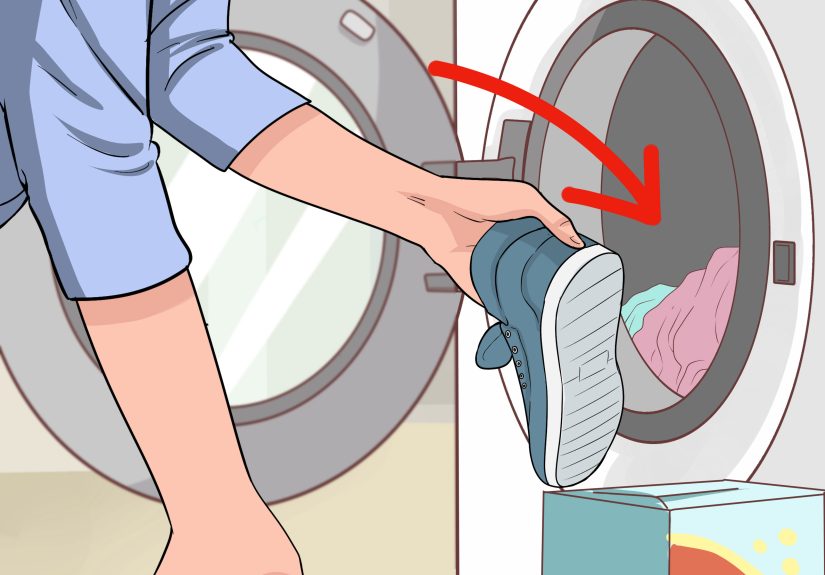
Sneakers often smell because they are used for exercise, commuting, and long days. Remove insoles after workouts, air them out, and use deodorizer sachets overnight. If they are machine-washable, use a gentle cycle only when care instructions allow it.
Leather Shoes
Leather needs gentle care. Do not soak it or dump powders into expensive dress shoes without testing first. Use cedar shoe trees, rotate pairs, and wipe interiors carefully. Cedar helps absorb moisture while supporting the shoe shape.
Boots
Boots can trap sweat because they cover more of the foot and ankle. Use moisture-wicking socks, dry them thoroughly, and consider boot dryers that use gentle airflow rather than high heat. Work boots may need replacement insoles more often than casual shoes.
Flats and Loafers
Many people wear flats or loafers without socks, which can make odor worse. Try no-show moisture-wicking socks or washable liner socks. They are nearly invisible but can save your shoes from becoming tiny scent grenades.
When Shoe Odor Might Need Extra Attention
Most shoe odor improves with better hygiene, dry socks, breathable shoes, and consistent cleaning. However, persistent odor combined with itching, peeling skin, burning, cracking, redness, or thickened nails may point to athlete’s foot or another foot condition. In that case, consider using an appropriate over-the-counter antifungal product or asking a healthcare professional for guidance.
You should also pay attention if one foot suddenly smells much worse than the other, if there is pain, swelling, drainage, or skin breakdown, or if odor continues despite careful cleaning. Shoes can be replaced, but your feet are original equipment. Treat them accordingly.
Common Mistakes That Make Shoes Smell Worse
Wearing Shoes Without Socks Every Day
Going sockless may look clean and stylish, but shoes absorb sweat directly when there is no sock barrier. If you love the sockless look, use no-show socks or washable liners.
Putting Shoes Away While Damp
Moist shoes stored in a closet will not magically become fresh. They need airflow. Give them space and time to dry before storage.
Using Fragrance Instead of Fixing Moisture
Sprays and scented inserts can help, but fragrance alone does not solve the cause. Perfume plus bacteria is not freshness; it is confusion in aerosol form.
Ignoring Insoles
Sometimes the shoe is not the main problem. The insole may be holding most of the odor. Remove, dry, clean, or replace insoles regularly.
A Simple Weekly Routine for Fresh Shoes
Keeping shoes from stinking is easier when you turn it into a routine. Here is a simple weekly plan:
- Daily: Wash and dry feet, wear clean socks, and air out shoes after use.
- After workouts: Remove damp socks immediately and let sneakers dry in open air.
- Every few days: Use baking soda sachets, charcoal bags, or cedar inserts overnight.
- Weekly: Clean insoles, wipe shoe interiors, and check for lingering odor.
- Monthly: Deep clean washable shoes or refresh leather and boot care routines.
This routine is not glamorous, but neither is clearing a room with your sneakers. Small habits beat emergency deodorizing every time.
Experience-Based Lessons: What Actually Works in Real Life
In everyday life, the biggest lesson about shoe odor is that prevention works better than rescue. Once a pair of shoes has absorbed weeks or months of sweat, it becomes much harder to return it to neutral. The smartest approach is to treat shoes like clothes: they need rest, airflow, and cleaning. Nobody expects a T-shirt to stay fresh after five sweaty days in a row, yet people often expect sneakers to perform that miracle. Shoes are sturdy, but they are not wizards.
One practical experience many people discover is that the “extra socks” habit feels unnecessary until the first time it saves the day. Keeping a clean pair in a backpack, gym bag, work locker, or car can be surprisingly useful. After a workout, a rainy commute, or a hot afternoon, changing socks can stop odor before it settles into the shoe lining. It also makes your feet feel more comfortable immediately. Fresh socks are not exciting, but neither is foot funk.
Another real-world lesson is that expensive shoes can stink just as badly as cheap ones if they stay damp. Price does not defeat bacteria. A premium running shoe, leather loafer, or trendy sneaker still needs drying time. In fact, people sometimes baby expensive shoes on the outside while ignoring the inside. The exterior gets wiped and polished, while the insole quietly becomes a swamp. Removing insoles overnight is one of those tiny habits that feels almost too simple, but it can make a noticeable difference.
For families, shared entryways, dorm rooms, and small apartments, shoe odor is often a storage problem as much as a foot problem. A pile of shoes near the door traps moisture and spreads smells. A simple open rack can improve airflow and make it easier to rotate pairs. Adding charcoal bags or cedar blocks nearby helps, but the real win is spacing shoes out instead of stacking them like a suspicious sandwich.
People who wear uniforms, work boots, or the same dress shoes daily often face the hardest challenge. In those cases, having a second pair is not a luxury; it is odor management. Alternating between two pairs can cut down smell dramatically because each pair gets a full drying period. If buying a second pair is not possible right away, focus on removable insoles, clean socks, and overnight drying tools.
Home remedies can help, but they work best when used carefully. Baking soda sachets are less messy than loose powder. Diluted vinegar sprays may help with odor in some shoes, but they should be tested first because certain materials can discolor or react poorly. Essential oils may smell pleasant, but too much can irritate skin or stain linings. The most reliable “hack” is still boring: clean feet, dry socks, dry shoes, repeat.
The final experience-based truth is that shoe odor is easier to manage when you stop treating it as embarrassing and start treating it as maintenance. Everyone sweats. Everyone owns shoes that occasionally need attention. The goal is not to have feet that smell like a mountain breeze at all times. The goal is to keep moisture under control, prevent bacteria from thriving, and build habits that make freshness automatic.
Conclusion
Keeping your shoes from stinking is not about one magic spray or a dramatic cleaning ritual. It is about controlling the things odor loves most: sweat, moisture, heat, bacteria, and neglect. Wash and dry your feet, change socks regularly, rotate your shoes, let them air out, use odor absorbers, clean insoles, choose breathable footwear, manage heavy sweating, and store shoes properly.
When these habits work together, your shoes stay fresher for longer, your feet feel better, and your home smells less like a locker room with unresolved issues. Start with one or two habits today, then build from there. Your shoes will thank you. More importantly, so will everyone sitting near them.