Table of Contents >> Show >> Hide
- What Is Gonorrhea?
- How Long Does It Take for Gonorrhea Symptoms to Show Up?
- Can Gonorrhea Show Up the Next Day?
- Can Gonorrhea Take Weeks or Months to Show Symptoms?
- Early Symptoms of Gonorrhea
- When Can Gonorrhea Be Detected on a Test?
- What If You Test Negative Too Soon?
- Should You Wait for Symptoms Before Testing?
- Can Gonorrhea Go Away on Its Own?
- How Is Gonorrhea Treated?
- What Should You Do After Possible Exposure?
- How to Reduce the Risk of Gonorrhea
- When to Seek Medical Care Quickly
- Common Myths About Gonorrhea Timing
- Experiences Related to “How Long Does It Take for Gonorrhea to Show Up?”
- Conclusion
Gonorrhea has a frustrating talent: it can arrive quietly, cause no obvious symptoms, and still create real health problems if it is not treated. That makes the question “How long does it take for gonorrhea to show up?” more complicated than it sounds. Sometimes symptoms appear in just a few days. Sometimes they take up to two weeks. And sometimes gonorrhea does not “show up” in a noticeable way at all.
The simple answer is this: gonorrhea symptoms often appear within 2 to 14 days after exposure, and many people notice symptoms within the first week. However, a large number of peopleespecially people with vaginal, cervical, rectal, or throat infectionsmay have no symptoms. That is why testing is the hero of this story, not guesswork, not internet panic, and definitely not the classic “maybe it will go away if I ignore it” strategy. Spoiler: it will not.
This guide explains the typical gonorrhea incubation period, early symptoms, when to test, what a negative test might mean after a recent exposure, and what to do if you think you may have been exposed.
What Is Gonorrhea?
Gonorrhea is a common sexually transmitted infection caused by the bacterium Neisseria gonorrhoeae. It can infect the genitals, rectum, and throat. It spreads through vaginal, anal, or oral sex with someone who has the infection. It can also pass from a pregnant person to a baby during childbirth.
One reason gonorrhea spreads so easily is that it does not always announce itself with flashing neon signs. Some people have burning, discharge, bleeding, pelvic pain, or testicular pain. Others feel completely normal. Unfortunately, “I feel fine” does not always mean “I am infection-free.” Gonorrhea can still be transmitted even when symptoms are absent.
How Long Does It Take for Gonorrhea Symptoms to Show Up?
The incubation period for gonorrheathe time between exposure and possible symptomsis usually 2 to 14 days. Many people who develop symptoms notice them within about a week. In some cases, symptoms can appear as early as one or two days after exposure. In others, symptoms may take longer or never appear at all.
For people with penises, symptoms often show up sooner and may be easier to recognize. Burning during urination and unusual discharge from the penis are common warning signs. For people with vaginas, symptoms are often mild, vague, or mistaken for a yeast infection, urinary tract infection, or normal cycle-related changes.
The key point: you cannot reliably use symptoms alone to determine whether you have gonorrhea. The infection may be present before symptoms develop, and in many cases, symptoms never develop.
Can Gonorrhea Show Up the Next Day?
Yes, it is possible, but it is not the most typical pattern. Some people notice irritation, burning, or discharge within a day or two after exposure. However, symptoms appearing the next day may also be caused by something else, such as friction, irritation, a urinary tract infection, another STI, or anxiety making every normal body sensation feel like a breaking news alert.
If symptoms appear quickly after unprotected sex or a condom break, do not try to diagnose yourself based on timing. Contact a healthcare provider or sexual health clinic. They can test for gonorrhea and other infections that may cause similar symptoms, including chlamydia, trichomoniasis, syphilis, herpes, and urinary tract infections.
Can Gonorrhea Take Weeks or Months to Show Symptoms?
Gonorrhea symptoms most commonly appear within two weeks, but the infection can remain unnoticed for much longer when symptoms are absent or mild. Someone may carry gonorrhea for weeks or even months without realizing it. During that time, the infection can still spread to partners and may cause complications.
This is especially important for throat and rectal gonorrhea. Throat infections often cause no symptoms, or they may feel like a mild sore throat. Rectal gonorrhea may cause itching, discharge, soreness, bleeding, painful bowel movements, or no symptoms at all. Because these infections are easy to miss, testing the correct body site matters. A urine test may not detect a throat or rectal infection.
Early Symptoms of Gonorrhea
Gonorrhea symptoms depend on where the infection is located. Because gonorrhea can infect more than one site, symptoms may appear in different parts of the body.
Symptoms in People with Penises
- Pain or burning while urinating
- White, yellow, or green discharge from the penis
- More frequent urination
- Pain, tenderness, or swelling in one testicle
- Urethral itching or irritation
Discharge is one of the classic symptoms, but it is not always dramatic. It may be thick or thin, obvious or subtle. If your underwear starts acting like a medical mystery novel, get tested.
Symptoms in People with Vaginas
- Pain or burning during urination
- Increased vaginal discharge
- Yellowish, greenish, or bloody discharge
- Bleeding between periods
- Bleeding after sex
- Pelvic or lower abdominal pain
- Pain during sex
These symptoms can look like other common conditions, so testing is important. Treating the wrong problem with the wrong medication can delay proper care and give gonorrhea extra time to cause trouble.
Rectal Gonorrhea Symptoms
- Anal itching
- Rectal discharge
- Soreness or pain
- Bleeding
- Painful bowel movements
Rectal gonorrhea can also be silent. Anyone who has receptive anal sex should consider rectal testing when STI testing is done.
Throat Gonorrhea Symptoms
- Sore throat
- Swollen lymph nodes
- Redness or irritation
- No symptoms at all
Throat gonorrhea is often overlooked because a sore throat has many possible causes. If oral sex was part of the exposure, ask about throat swab testing.
When Can Gonorrhea Be Detected on a Test?
Gonorrhea may be detectable within a few days after exposure, but testing too early can sometimes produce a false negative. Many healthcare providers recommend testing around one to two weeks after possible exposure for more reliable results, especially if there are no symptoms.
If you have symptoms, do not wait two weeks just to fit a testing calendar. Get evaluated as soon as possible. A clinician may test and treat based on your symptoms, exposure history, and risk level.
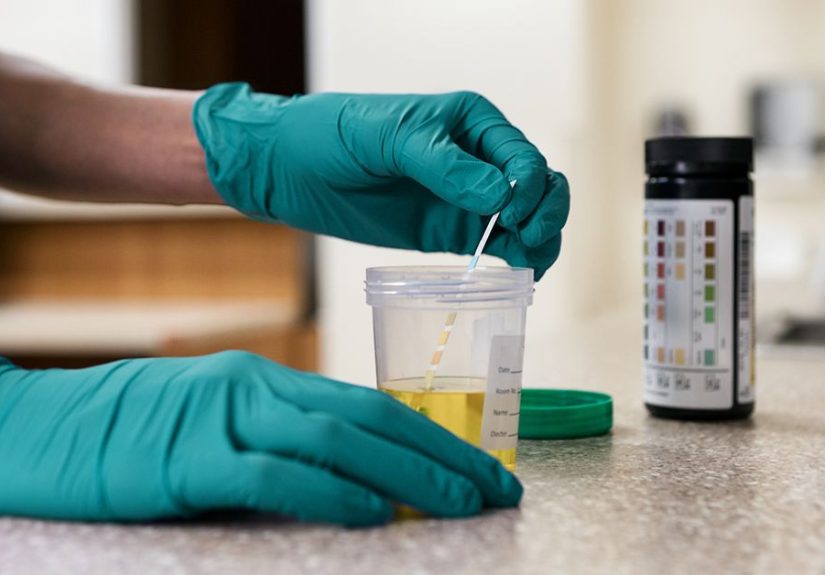
The most common modern test for gonorrhea is a nucleic acid amplification test, often called a NAAT. It looks for genetic material from the bacteria and can be performed on urine or swab samples from the vagina, cervix, urethra, rectum, or throat. The right sample depends on what kinds of sexual contact occurred.
What If You Test Negative Too Soon?
A negative gonorrhea test soon after exposure is reassuring, but it may not be the final word. If the test was done very earlysuch as the day after sexthe bacteria may not have reached a detectable level. In that situation, a healthcare provider may recommend repeat testing after the window period has passed.
Here is a practical example: suppose someone has unprotected sex on Friday, panics on Saturday, and tests on Sunday. A negative result may be too early to fully trust. If symptoms appear later or the exposure was high risk, repeat testing in one to two weeks may be recommended.
Should You Wait for Symptoms Before Testing?
No. Waiting for symptoms is like waiting for smoke before checking whether the stove is on. Symptoms are helpful when they appear, but they are not required for gonorrhea to be present.
You should consider testing if:
- You had unprotected vaginal, anal, or oral sex
- A condom broke or slipped
- A partner told you they tested positive for gonorrhea
- You have a new partner or multiple partners
- You have symptoms such as burning, discharge, pelvic pain, rectal symptoms, or testicular pain
- You are due for routine STI screening based on your age, pregnancy status, or risk factors
Sexually active women under 25 and women 25 or older with risk factors are commonly advised to screen for gonorrhea. Pregnant people may also need screening depending on age and risk. Men who have sex with men often need screening at exposed sites, including the throat and rectum, depending on sexual practices and local guidance.
Can Gonorrhea Go Away on Its Own?
Do not count on it. Gonorrhea requires antibiotic treatment. Without treatment, it can lead to serious complications, and it can continue spreading to partners. Even if symptoms improve, the infection may still be present.
In people with vaginas, untreated gonorrhea can move upward into the reproductive tract and cause pelvic inflammatory disease. This can lead to chronic pelvic pain, infertility, and ectopic pregnancy. In people with penises, gonorrhea can cause epididymitis, a painful condition affecting the tube near the testicle that can sometimes affect fertility. Rarely, gonorrhea can spread to the bloodstream and joints, causing a serious condition called disseminated gonococcal infection.
How Is Gonorrhea Treated?
Gonorrhea is treated with antibiotics. In U.S. clinical guidance, uncomplicated gonorrhea is commonly treated with ceftriaxone given as an injection. If chlamydia has not been ruled out, treatment for chlamydia may also be given. Because antibiotic resistance is a growing concern, it is important to use the medication recommended by a healthcare professional rather than taking leftover antibiotics from a drawer labeled “maybe useful someday.”
After treatment, you should avoid sex for at least seven days and until all recent partners have been treated. Otherwise, reinfection can happen quickly. Gonorrhea is not like finishing a video game level; beating it once does not give you permanent immunity.
Retesting is often recommended about three months after treatment because reinfection is common. A test-of-cure may be needed in specific situations, especially for throat infections or if symptoms continue after treatment.
What Should You Do After Possible Exposure?
If you think you were exposed to gonorrhea, take action instead of spiraling through 47 browser tabs at 2 a.m. Here is a smart approach:
- Pause sexual activity until you know your status or have spoken with a healthcare provider.
- Get tested at the right time and at the right body sites.
- Tell the clinician what kind of sex occurred so they can order urine, vaginal, throat, or rectal testing as needed.
- Notify recent partners if you test positive so they can get tested and treated.
- Complete treatment exactly as directed and avoid sex until the recommended waiting period has passed.
- Retest when advised, especially around three months after treatment.
How to Reduce the Risk of Gonorrhea
Gonorrhea prevention is not about being perfect. It is about lowering risk with practical habits. Condoms and dental dams can reduce the chance of transmission during vaginal, anal, and oral sex. Regular STI screening helps catch infections before they cause complications or spread. Honest conversations with partners may feel awkward for 90 seconds, but untreated STIs are much more awkward.
It also helps to avoid sex when you or a partner has symptoms such as discharge, burning, sores, pelvic pain, or rectal discomfort. If either partner tests positive, both should be treated before having sex again.
When to Seek Medical Care Quickly
Some symptoms deserve prompt medical attention. Seek care quickly if you have severe pelvic pain, testicular pain or swelling, fever, rash, joint pain, abdominal pain, or symptoms after a known exposure. Pregnant people should contact a healthcare provider promptly after possible exposure because untreated gonorrhea can affect pregnancy and newborn health.
You should also seek care if symptoms continue after treatment. Persistent symptoms may mean reinfection, another STI, incomplete treatment, or possible antibiotic resistance. Do not guess. Get checked.
Common Myths About Gonorrhea Timing
Myth 1: “No symptoms means no infection.”
False. Many people with gonorrhea have no symptoms. Testing is the only way to know for sure.
Myth 2: “If symptoms appear fast, it must be gonorrhea.”
Not always. Other infections and irritation can cause similar symptoms. Testing helps identify the real cause.
Myth 3: “A negative test the day after sex proves I am fine.”
Not necessarily. Testing too early can miss an infection. Repeat testing may be needed after the detection window.
Myth 4: “Gonorrhea only affects the genitals.”
Nope. Gonorrhea can infect the throat and rectum too, which is why site-specific testing matters.
Experiences Related to “How Long Does It Take for Gonorrhea to Show Up?”
People often describe the waiting period after a possible gonorrhea exposure as emotionally louder than physically obvious. The body may feel normal, but the mind starts running a full investigation: “Was that burning sensation real?” “Is that discharge different?” “Did my throat hurt yesterday, or did I just talk too much?” This is common. The uncertainty can be stressful because gonorrhea does not follow one neat schedule for everyone.
One common experience is the “fast symptom” scenario. A person notices burning during urination three or four days after sex and immediately worries about gonorrhea. That timing can fit, especially when symptoms include discharge or urethral irritation. But it still requires testing because urinary tract infections, chlamydia, irritation from sex, and other conditions can feel similar. The lesson: early symptoms should lead to testing, not self-diagnosis.
Another common experience is the “nothing happened, so I must be fine” scenario. Someone has a risky encounter, waits two weeks, feels completely normal, and decides testing is unnecessary. This is where gonorrhea gets sneaky. Many infections do not cause symptoms, especially in the cervix, throat, or rectum. A person may unknowingly pass the infection to someone else or develop complications later. Feeling fine is good, but it is not a lab result.
There is also the “tested too early” experience. A person gets tested one or two days after exposure because they want immediate certainty. The result is negative, but anxiety returns when symptoms appear later or when they learn about testing windows. In this situation, a healthcare provider may recommend repeat testing. The first test was not useless, but timing matters. A more reliable result often comes after enough time has passed for the infection to be detectable.
Some people experience embarrassment as the biggest barrier. They delay testing because they worry about being judged. In reality, sexual health clinics and healthcare providers discuss STIs all the time. To them, gonorrhea testing is routine healthcare, not a courtroom drama. The most helpful thing a patient can do is be honest about symptoms, timing, partner exposure, and types of sex. That information helps the provider choose the correct tests.
Another experience involves partners. Someone may test positive and feel nervous about telling recent partners. The conversation can be uncomfortable, but it is an important part of stopping reinfection. If one person is treated and the other is not, the infection can bounce back like a terrible game of ping-pong. Partner notification is not about blame. It is about health, treatment, and preventing the infection from spreading further.
The best real-world takeaway is simple: if gonorrhea is possible, do not wait for a dramatic symptom reveal. Test at the right time, test the right body sites, follow treatment instructions, and avoid sex until treatment is complete and partners are treated. Gonorrhea is common, treatable, and manageablebut only when people stop guessing and start testing.
Conclusion
So, how long does it take for gonorrhea to show up? Symptoms often appear within 2 to 14 days, and many people who develop symptoms notice them within the first week. But gonorrhea can also cause no symptoms at all, which means waiting for signs is not a reliable plan.
If you think you were exposed, get tested. If symptoms appear, get evaluated promptly. If you test positive, complete treatment, avoid sex for the recommended period, and make sure partners are treated too. Gonorrhea may be sneaky, but modern testing and antibiotics give you a clear path forward. The sooner you act, the easier it is to protect your health and the health of your partners.