Table of Contents >> Show >> Hide
- What Is the Alice Tacheny Design Hide Bed?
- Why the Hide Bed Still Feels Modern
- Materials: Walnut, Rift White Oak, Leather, and Maple
- Craftsmanship: The Beauty of Getting the Details Right
- How to Style the Hide Bed in a Bedroom
- Who Is the Hide Bed Best For?
- Buying Considerations and Practical Notes
- Experience Notes: Living With a Bed Like the Alice Tacheny Hide Bed
- Conclusion
Some beds shout. Some beds whisper. The Alice Tacheny Design Hide Bed does neither. It speaks in a calm, beautifully measured voicethe kind of voice that probably owns linen sheets, knows how to make coffee without burning it, and never leaves socks on the floor. Designed by Alice Tacheny, a California-based designer and artist known for modern handcrafted furniture, the Hide Bed is a refined example of what happens when functional furniture is treated like a quiet sculpture.
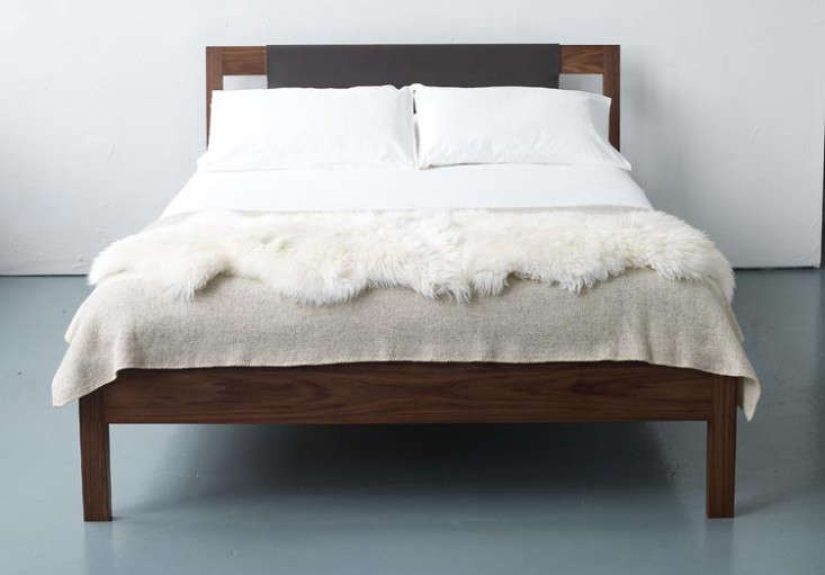
This is not a gimmicky “hideaway bed” that folds into a wall or disappears behind a bookshelf like a spy with excellent taste. The name “Hide Bed” points instead to one of its most memorable details: a leather sling inset into the headboard. Paired with a solid wood frame, maple slats, flush joinery, and a restrained silhouette, the bed blends warmth, craftsmanship, and modern minimalism without feeling cold or overly precious.
In a furniture market crowded with fast-assembly frames and trend-chasing bedroom sets, the Hide Bed stands out because it feels patient. It is designed for people who notice edges, proportions, touch, grain, and the way a headboard supports a lazy Sunday reading session. In other words, it is for anyone who wants a bedroom that looks intentional instead of “I bought everything at 11:47 p.m. during a panic-scroll.”
What Is the Alice Tacheny Design Hide Bed?
The Hide Bed is a modern wooden bed frame designed by Alice Tacheny and made in the United States by Alice Tacheny Design. It was offered in full, queen, and king sizes, with a headboard available in rift white oak or American walnut. The frame used maple bed slats, and the wood was finished with hand-applied natural oil and wax. A leather sling insert, available in tones such as umber or chalk white, added softness and support to the headboard.
At first glance, the bed is simple. Look longer, and the details begin doing their quiet little tap dance. The headboard has a framed structure with an angled top rail that cradles the back. The joints sit flush with the wood, giving the frame a smooth, graceful appearance. The leather panel does not scream “luxury”; it simply warms the piece and makes it more useful. That balancebeauty without fussis the main reason the Hide Bed still feels relevant today.
Why the Hide Bed Still Feels Modern
Modern bedroom furniture can sometimes fall into two traps: too plain or too dramatic. Too plain, and the room feels like a rental staging photo. Too dramatic, and suddenly your bed looks like it needs its own Instagram manager. The Hide Bed avoids both. Its shape is architectural but not stiff. Its materials are premium but not flashy. Its headboard is comfortable but not overstuffed.
Clean Lines Without the Cold Shoulder
The Hide Bed’s clean frame gives it a minimalist profile, but the wood grain and leather insert keep it human. This matters because bedrooms are not galleries. They are places where real people read, sleep, recover from long days, fold laundry with heroic optimism, and sometimes eat crackers despite knowing better. A bed should feel calm, not sterile.
The Headboard Is the Star
The angled headboard is the design’s most functional gesture. Instead of a flat slab, the headboard is shaped to support the body when sitting up. That makes the bed more useful for reading, working on a laptop, sipping tea, or having a very serious conversation with your dog about personal space.
The leather sling adds a tactile contrast to the wood. It softens the look, supports the back, and creates visual depth. In a world where many bed frames are either all wood, all fabric, or all “mysterious online foam,” this mix of natural materials gives the Hide Bed a more collected and considered personality.
Materials: Walnut, Rift White Oak, Leather, and Maple
The Hide Bed’s appeal depends heavily on material honesty. Instead of hiding behind heavy ornament, the design allows the natural character of wood and leather to do the work.
American Walnut
American walnut is prized in furniture making for its rich brown color, fine grain, and elegant depth. On a bed like the Hide Bed, walnut creates a warmer, moodier look. It pairs beautifully with cream bedding, charcoal linen, brass lighting, and textured rugs. Walnut is also forgiving in sophisticated interiors because it feels substantial without becoming visually bulky.
Rift White Oak
Rift white oak offers a lighter, more linear look. Its straight grain makes it especially appealing in modern interiors, where calm surfaces and subtle texture matter. A Hide Bed in rift white oak would feel airy, architectural, and slightly Scandinavian without going full “I only own beige mugs.” It is a smart choice for smaller bedrooms or spaces that need brightness.
Leather Sling Detail
The leather sling is the small twist that keeps the bed from being just another handsome wood frame. It introduces softness, color variation, and a sense of craft. Leather also develops character over time, which fits the overall spirit of the piece. A bed like this is not meant to look disposable. It is meant to age, patina, and become part of the room’s story.
Maple Slats
The use of maple slats is a practical choice. Slatted support allows airflow around the mattress and helps distribute weight. For modern mattresses, the quality and spacing of slats matter because poor support can contribute to sagging or discomfort. A well-built slat system is not glamorous, but neither is brushing your teethand both are essential if you care about long-term results.
Craftsmanship: The Beauty of Getting the Details Right
Alice Tacheny’s work is rooted in careful attention to materials, process, and ordinary objects. That philosophy comes through in the Hide Bed. The piece does not rely on decorative excess. Instead, its success depends on proportion, joinery, finish, and the way different materials meet.
The flush joints are especially important. When joints are clean and aligned, the furniture feels more intentional. Nothing looks accidental. Nothing looks like it was bullied together with an Allen wrench at midnight. The Hide Bed’s craftsmanship gives the frame a composed, almost seamless quality that supports its minimalist character.
The natural oil and wax finish is another meaningful detail. Unlike thick glossy coatings, an oil-and-wax finish tends to emphasize the texture and grain of the wood. It gives the surface a softer, more touchable presence. In a bedroom, that matters. You interact with a bed every day, so the material should feel good up close, not just photograph well from across the room.
How to Style the Hide Bed in a Bedroom
The Hide Bed works best when the rest of the room respects its restraint. That does not mean everything has to be minimal. It means the surrounding pieces should feel intentional and tactile.
For a Warm Modern Bedroom
Pair the walnut version with ivory bedding, a wool rug, blackened metal sconces, and a low dresser in a similar tone. Add one sculptural ceramic lamp or a simple linen shade. The goal is warmth without clutter. Think “quiet boutique hotel,” not “furniture showroom where nobody has ever sneezed.”
For a Light, California-Inspired Space
The rift white oak version works beautifully with white walls, oatmeal linen bedding, woven shades, and natural fiber rugs. Add muted greens, clay tones, or soft blues for a relaxed coastal feel. This approach suits apartments, guest rooms, and primary bedrooms where daylight is part of the design.
For a Gallery-Like Interior
If your style leans more architectural, keep the palette restrained: white bedding, black side tables, a single oversized artwork, and minimal lighting. The Hide Bed has enough detail to hold the room without needing decorative noise. Let the leather sling and wood grain do the heavy lifting.
Who Is the Hide Bed Best For?
The Hide Bed is best for people who value handcrafted furniture, natural materials, and long-term design. It is not the right choice for someone who wants hidden drawers, a dramatic canopy, LED lights, or a frame that arrives in a box small enough to alarm the mail carrier. This bed is about presence, not gimmicks.
It is also ideal for readers and slow-morning people. The angled headboard and leather sling make sitting up more appealing than with a flat wood panel. If your bed is also your weekend coffee zone, book nook, or “I need five more minutes before becoming a citizen of Earth” station, the design makes sense.
Design lovers will appreciate how the Hide Bed bridges furniture and object. It is practical, yes, but it also has the kind of quiet detail that rewards attention. In a well-designed room, it becomes the anchor without demanding applause.
Buying Considerations and Practical Notes
Because the Hide Bed was a premium handcrafted piece, shoppers should approach it as an investment rather than an impulse purchase. Pricing reported at the time of publication ranged from the mid-thousands upward, depending on size, finish, and retailer. Availability may vary today, especially because many designer furniture pieces move in and out of production or become available through select retailers, archives, or resale channels.
If you are considering a Hide Bed or a similar handcrafted wood bed, pay attention to dimensions, mattress compatibility, slat spacing, room layout, and delivery requirements. A queen-size bed with a substantial headboard can transform a room, but it also needs breathing space. Measure doorways, stairs, elevators, and the wall where the bed will sit. Nobody wants to discover that their dream bed cannot make the corner at the top of the stairs. That is not interior design; that is a tragic furniture opera.
Also consider the finish. Natural oil and wax finishes are beautiful, but they benefit from gentle care. Avoid harsh cleaners, wipe spills quickly, and use a soft cloth for dusting. Over time, the surface may need refreshing depending on use, sunlight, and climate. This is part of owning real wood furniture. It asks for a little attention, and in return it does not behave like disposable décor.
Experience Notes: Living With a Bed Like the Alice Tacheny Hide Bed
Living with a bed like the Hide Bed changes the way a bedroom feels because it encourages you to slow down. That may sound dramaticafter all, it is still a bed, not a life coach wearing linenbut good furniture really can shift the rhythm of a room. The first thing you notice is the visual calm. A solid wood frame with clean lines does not fight for attention. It settles the space. Suddenly the bedroom feels less like a place where laundry comes to negotiate and more like a room with a purpose.
The second experience is tactile. You notice the wood when you walk past it. You notice the leather when you lean against the headboard. You notice that the frame feels deliberate, not temporary. That sense of permanence is surprisingly comforting. In a world full of quick purchases and seasonal trends, a well-made bed says, “Relax. I am not going anywhere.”
The angled headboard is especially useful in daily life. Anyone who reads in bed knows the awkward pillow stack: two pillows behind the back, one sliding into the gap, one mysteriously migrating to the floor, and the whole arrangement collapsing right when the chapter gets good. A supportive headboard reduces that nightly engineering project. The leather sling adds enough softness to make sitting up feel natural, while the wood frame keeps the profile crisp.
Another benefit is styling flexibility. A bed like this does not lock you into one trend. In spring, it can look fresh with white cotton bedding and a pale throw. In fall, it can take heavier linen, a wool blanket, and darker bedside lamps. In a minimalist apartment, it feels architectural. In a warm family home, it feels grounded. That versatility is one reason solid wood furniture remains so appealing: it can adapt without losing itself.
There is also an emotional difference between owning furniture that feels crafted and furniture that simply fills space. With a bed like the Hide Bed, the small decisions matterthe grain direction, the leather tone, the flush joints, the finish. You may not announce those details to guests, because that is how dinner parties become hostage situations, but you feel them. They contribute to the room’s quiet confidence.
The main lesson from a piece like the Hide Bed is that luxury does not always need to sparkle. Sometimes luxury is a headboard that supports your back, a frame that does not wobble, wood that feels alive, and a design that still looks good after trends have wandered off to bother someone else. The Hide Bed proves that restraint can be memorableand that a bedroom can be simple without being boring.
Conclusion
The Alice Tacheny Design Hide Bed is a thoughtful example of modern handcrafted furniture: restrained, warm, functional, and quietly distinctive. Its combination of walnut or rift white oak, maple slats, natural oil and wax finish, flush joinery, and leather sling headboard makes it more than a place to sleep. It is a study in comfort, proportion, and material honesty.
For homeowners who love minimalist design but still want warmth, the Hide Bed offers a compelling blueprint. It shows that a bedroom centerpiece does not need oversized upholstery, carved ornament, or flashy hardware to feel special. Sometimes the strongest design choice is the one that looks effortlessuntil you realize every angle, joint, and material has been carefully considered.