Table of Contents >> Show >> Hide
- What “Flushable” Actually Means
- Why Toilet Paper Breaks Down but Wipes Do Not
- The Plumbing Problem: Out of Sight Is Not Out of Pipe
- Municipal Sewers Hate Wipes, Too
- What About Septic Systems?
- Are Any Wipes Truly Flushable?
- Why the Labeling Debate Matters
- Environmental Concerns: The Wipe Does Not Disappear
- Better Alternatives to Flushing Wipes
- What to Do If You Already Flushed Wipes
- The Bottom Line: Should You Flush Flushable Wipes?
- Real-Life Experiences: What People Learn About Flushable Wipes the Hard Way
- SEO Tags
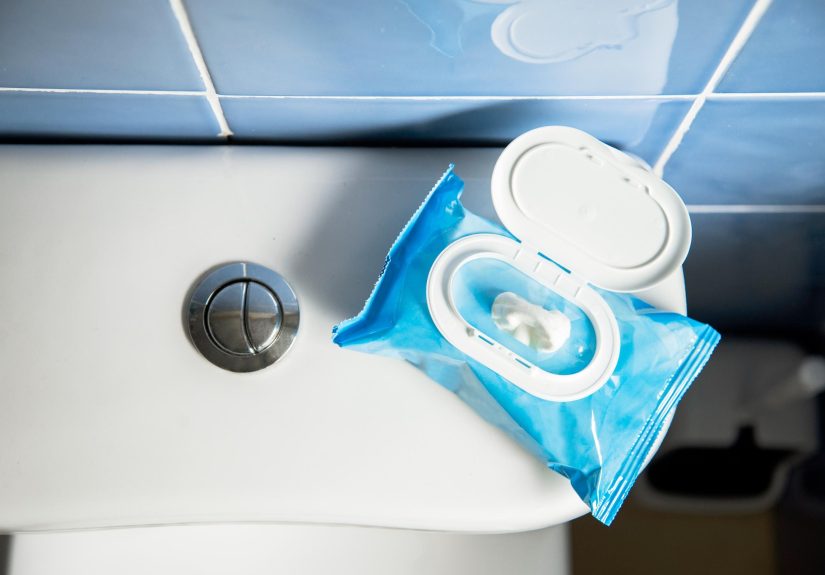
Flushable wipes sound like one of civilization’s greatest upgrades: soft, convenient, tidy, and supposedly safe to send swirling into the plumbing abyss. The package says “flushable,” the toilet accepts the challenge, and everyone moves on with their day. But here is the uncomfortable truth hiding behind that fresh-scented promise: many wipes can technically flush, but that does not mean they should be flushed.
The difference matters. A golf ball can disappear down some toilets under the right unlucky circumstances, but nobody would call it sewer-friendly. The real question is not whether a wipe can leave the bowl. The real question is whether it breaks apart quickly enough to move through household plumbing, municipal sewer pipes, pumps, screens, and wastewater treatment systems without creating an expensive, disgusting problem. In many cases, the answer is no.
So, are flushable wipes really flushable? The most practical answer is: not in the way most homeowners think. Toilet paper is designed to break down rapidly in water. Wipes are built to stay strong while wet, which is exactly why people like themand exactly why plumbers and wastewater crews often do not.
What “Flushable” Actually Means
The word “flushable” can be confusing because it often describes what happens in the first five seconds, not what happens in the next five miles. A wipe may clear the toilet trap and vanish from sight. That feels like success. Unfortunately, your bathroom is only the opening scene of the plumbing movie.
After a wipe leaves the toilet, it may travel through narrow home drain lines, older sewer laterals, bends, joints, tree-root intrusions, pump stations, and wastewater equipment. Along the way, it can snag on rough pipe surfaces, combine with grease, tangle with hair, or clump with other wipes. The result can be a slow drain, a toilet backup, a sewer overflow, or a fatberga hardened mass of wipes, grease, and other debris that sounds like a villain from a low-budget monster film but smells much worse.
True flushability should mean more than “it went down.” A sewer-safe product should clear the toilet, move through drain lines, disintegrate quickly, and avoid harming wastewater systems or the environment. Several wastewater organizations and public agencies argue that many wipes marketed as flushable do not meet that real-world standard consistently enough for everyday flushing.
Why Toilet Paper Breaks Down but Wipes Do Not
Toilet paper is intentionally fragile. Its entire job is to perform briefly, then fall apart like a dramatic actor in the final scene. When toilet paper meets water and motion, its fibers loosen and separate. That is why it usually passes through plumbing and treatment systems without much fuss.
Wet wipes are different. They are engineered to remain durable while damp, folded, stored in a package, pulled through a dispenser, and used without shredding in your hand. That strength comes from tougher fibers, binders, weaving, or nonwoven structures that resist breaking apart. Great for cleaning. Not great for pipes.
This is the central contradiction of flushable wipes: the quality that makes them useful above ground makes them troublesome underground. A wipe that instantly disintegrated like toilet paper would not be a very good wipe. A wipe that stays strong during use may also stay strong inside your plumbing.
The Plumbing Problem: Out of Sight Is Not Out of Pipe
Most homeowners only see the toilet bowl. Plumbers see the aftermath. Flushable wipes can collect in bends, older cast-iron lines, low-slope pipes, septic systems, and sewer laterals with small defects. One wipe may not cause a disaster. But plumbing problems rarely begin with one heroic wipe. They happen through repetition: one wipe today, two tomorrow, a few more next week, then suddenly your toilet sounds like it is gargling a warning from the underworld.
Once wipes accumulate, they can trap more debris. Grease adds stickiness. Hair adds netting. Dental floss adds the enthusiasm of a tiny rope. Before long, the pipe becomes a clogged tunnel, and the “flushable” convenience turns into a plumber’s invoice with numbers that make you reconsider every life choice.
Common warning signs of a wipe-related clog
- Toilets that bubble, gurgle, or drain slowly
- Repeated clogs even after plunging
- Water backing up into tubs, showers, or floor drains
- Bad sewer odors near drains
- Multiple fixtures draining poorly at the same time
If these symptoms show up after regular wipe flushing, do not assume the problem will clear itself. Wipes do not melt away on command. Hot water, soap, and wishful thinking are not reliable plumbing strategies.
Municipal Sewers Hate Wipes, Too
Even if wipes escape your home plumbing, they may still cause trouble in public sewer systems. Wastewater agencies across the United States have repeatedly warned that wipes clog pumps, jam screens, increase maintenance work, and contribute to sewer overflows. Crews often have to remove tangled masses of wipes and debris by hand or with specialized equipment. It is expensive, unpleasant, and completely preventable.
Wipes become especially troublesome when they meet fats, oils, and grease. Grease poured down sinks can cool and harden inside pipes. Wipes act like a scaffold that helps the greasy mess grow. That is how fatbergs form. They can block pipes, damage pumps, and divert public money away from upgrades and maintenance into emergency cleanup.
In plain English: every flushed wipe may become part of a public works employee’s worst Tuesday.
What About Septic Systems?
If you have a septic system, flushing wipes is even riskier. Septic systems rely on settling, bacterial activity, and proper flow. Materials that do not break down quickly can collect in the tank, clog filters, block pipes, or move into the drain field. A damaged drain field is not a small repair. It can be a major, expensive project that turns your yard into a construction zone and your budget into confetti.
Many wipes are marketed with phrases like “septic safe” or “safe for sewer and septic systems.” Treat those claims cautiously. Septic systems vary by age, design, soil, maintenance history, and usage. A newer system in excellent condition may tolerate occasional mistakes better than an older, overloaded, or poorly maintained system. But “might survive it” is not the same as “good idea.”
Are Any Wipes Truly Flushable?
Some manufacturers have worked to create wipes that break apart faster and meet specific flushability guidelines. There are technical standards that evaluate whether products clear toilets, move through drain lines, disintegrate, settle properly, and avoid environmental harm. That is a step in the right direction.
However, the average shopper cannot easily verify how a specific wipe behaves in their exact plumbing system. Packaging claims can be vague, and conditions in real pipes are messier than laboratory tests. Low water flow, old pipes, tree roots, grease buildup, and high wipe usage can turn a supposedly safe product into a clog risk.
The safest household rule remains simple: if it is not toilet paper or human waste, do not flush it. This rule may not sound glamorous, but neither does explaining to a plumber that your bathroom is flooding because you trusted a lavender-scented rectangle.
Why the Labeling Debate Matters
The flushable wipes debate has led to lawsuits, consumer complaints, regulatory attention, and new labeling laws. Several states have moved toward clearer “Do Not Flush” labels for non-flushable wipes, including products such as baby wipes, cleaning wipes, and disinfecting wipes. These labels help consumers make better decisions before a wipe reaches the toilet.
The issue is partly about language. “Disposable” does not mean flushable. “Biodegradable” does not mean it will break down fast enough in plumbing. “Plant-based” does not automatically mean pipe-safe. “Septic safe” does not guarantee zero risk. Marketing terms can sound comforting while still leaving homeowners with a clog.
For consumers, the best approach is to read labels carefully and look for the “Do Not Flush” symbol. But even when a product is marketed as flushable, consider tossing it in the trash instead. Your pipes do not care how persuasive the package is.
Environmental Concerns: The Wipe Does Not Disappear
Flushing a wipe may feel like making it disappear, but wastewater does not enter a magical portal. It travels through real infrastructure and eventually reaches treatment facilities. Wipes that do not break down can be screened out as trash, contribute to overflows, or fragment into smaller pieces that are harder to manage.
When clogs cause sewer overflows, untreated or partially treated wastewater may enter streets, homes, streams, rivers, or coastal waters. That creates public health risks and environmental damage. The individual act of flushing a wipe seems tiny, but multiplied across thousands of households, it becomes a serious infrastructure problem.
That is why many public agencies promote the “three Ps” rule: pee, poop, and toilet paper. Some cities include puke in their public messaging, but the spirit is the same. The toilet is not a trash can with water.
Better Alternatives to Flushing Wipes
If you like wipes, you do not have to give them up completely. You just need a better disposal plan. The easiest solution is to place used wipes in a lined trash can with a lid. Empty it regularly, especially in warm weather. For households with babies, pets, illness, or high wipe use, small scented bags or diaper disposal bags can help control odor.
For bathroom hygiene, a bidet attachment is a strong alternative. Modern bidet seats and sprayers are easier to install than many people expect, and they can reduce reliance on wipes and toilet paper. If installing a bidet is not an option, consider using toilet paper slightly dampened with water, followed by dry toilet paper. Just avoid flushing anything that is not designed to break apart like toilet paper.
Smart wipe disposal habits
- Keep a small covered trash can next to each toilet.
- Use a liner to make disposal cleaner.
- Never flush baby wipes, disinfecting wipes, makeup wipes, or cleaning wipes.
- Do not flush paper towels, tissues, cotton pads, dental floss, or feminine hygiene products.
- Pour fats, oils, and grease into a container and throw them in the trash after cooling.
What to Do If You Already Flushed Wipes
If you flushed wipes once or twice and nothing happened, do not panic. Plumbing systems are not made of glass. But do stop flushing them now. The danger grows with repeated use.
If you notice slow drainage, frequent clogs, or gurgling sounds, use a plunger first. Avoid harsh chemical drain cleaners, especially if you have older pipes or a septic system. Chemical cleaners may not dissolve wipes effectively and can create additional hazards. If the clog keeps returning, call a licensed plumber. A camera inspection may reveal whether wipes are caught in the line, tangled with roots, or sitting in a low spot.
For septic systems, schedule regular pumping and maintenance. Tell the service provider if wipes have been flushed. That information may help them check filters and identify early problems before they become expensive failures.
The Bottom Line: Should You Flush Flushable Wipes?
No. The most responsible answer is to throw wipes in the trash, even if the package says “flushable.” Some wipes may perform better than others, and standards are improving, but the safest choice for your home, your septic system, your city’s sewer infrastructure, and the environment is simple: only flush toilet paper and human waste.
Flushable wipes are convenient. Plumbing repairs are not. Sewer overflows are definitely not. A small trash can beside the toilet may not be glamorous, but it is cheaper than emergency drain cleaning and far less dramatic than a bathroom backup.
Real-Life Experiences: What People Learn About Flushable Wipes the Hard Way
Many people discover the truth about flushable wipes only after a plumbing problem. The story usually begins innocently. A family buys wipes because they feel cleaner and more comfortable than toilet paper alone. The packaging says they are flushable, so the wipes go into the toilet. For weeks or months, everything seems fine. Then one bathroom starts draining slowly. The toilet needs plunging more often. Someone jokes that the plumbing is “moody.” The plumbing is not moody. It is sending a memo.
One common homeowner experience is the mystery clog that keeps coming back. A plunger clears it for a day, then the toilet slows again. A store-bought auger helps briefly, but the problem returns. When a plumber finally runs a camera through the line, the culprit is often a soft-looking but stubborn wad of wipes caught on a rough pipe joint or tree root. The homeowner is surprised because every wipe vanished when flushed. That is the lesson: disappearing from the bowl is not the same as disappearing from the plumbing.
Apartment buildings can have even bigger wipe problems. In a single-family home, one household’s habits affect one drain line. In a large building, dozens or hundreds of people may be flushing wipes, paper towels, cotton swabs, and hygiene products into shared plumbing. Maintenance teams often find clumps forming in main lines or pumps. One tenant may be careful, but shared systems depend on everyone using the toilet correctly. That is why many apartment managers now post signs reminding residents not to flush wipes, even “flushable” ones.
Parents also learn this lesson during the baby years. Baby wipes are strong because they need to be strong. They are made for serious cleanup work, not sewer travel. A tired parent may be tempted to toss one into the toilet during a diaper change, especially when the trash can is across the room. But baby wipes are among the worst offenders because they usually do not break apart like toilet paper. The better setup is simple: keep a lined, lidded trash can or diaper pail within arm’s reach.
People with septic systems often become especially strict after one expensive service call. Septic professionals commonly warn that wipes can build up in tanks, clog filters, and interfere with normal flow. A septic repair does not feel like buying a useful home upgrade. It feels like paying a large sum of money to restore the privilege of flushing. After that, many homeowners adopt a zero-wipe-flushing policy and become surprisingly passionate bathroom educators at family gatherings.
Public works crews have their own version of wipe experience, and it is not pretty. They see what happens after thousands of private flushes combine. Wipes tangle in pumps, catch on screens, and mix with grease to form heavy masses. The public rarely sees this work, but ratepayers help fund it. Every avoidable clog uses labor, equipment, and money that could be spent improving water systems instead of removing sewer trash.
The practical experience-based conclusion is boring but powerful: make the trash can more convenient than the toilet. Put it close. Use liners. Empty it often. Teach kids and guests the rule without embarrassment. The best plumbing habits are not complicated; they are consistent. A wipe in the trash is a tiny decision. A wipe in the sewer can become everyone’s problem.