Table of Contents >> Show >> Hide
- Understanding the Prostate: Small Gland, Big Personality
- How Diabetes Affects the Body
- The Diabetes-Prostate Connection
- Diabetes, BPH, and the Bathroom Battle
- Diabetes and Prostatitis
- Does Diabetes Raise or Lower Prostate Cancer Risk?
- Diabetes May Affect PSA Interpretation
- Sexual Health: The Overlapping Zone
- How to Protect Prostate Health When You Have Diabetes
- When to See a Doctor
- What Your Doctor May Check
- Experience-Based Section: What Men Often Notice in Real Life
- Conclusion
Diabetes and prostate health may sound like two separate medical neighborhoods, but they share more roads than most men realize. One lives in the land of blood sugar, insulin, nerves, and blood vessels. The other sits just below the bladder, quietly minding its business until urination becomes a nightly obstacle course. When diabetes enters the picture, the prostate, bladder, urinary tract, hormones, and sexual function can all feel the ripple effects.
The short answer is this: diabetes does not “attack” the prostate in one simple way. Instead, it can influence prostate health through inflammation, insulin resistance, nerve damage, circulation problems, urinary symptoms, infection risk, and metabolic changes. For some men, diabetes may worsen lower urinary tract symptoms linked to an enlarged prostate, also known as benign prostatic hyperplasia or BPH. For others, diabetes may complicate bladder emptying, erectile function, and prostate screening conversations.
That does not mean every man with diabetes is destined for prostate problems. It means the body is connected, and the prostate did not get the memo that it was supposed to work in isolation. Understanding the link can help men spot symptoms earlier, ask better questions, and protect both blood sugar and bathroom peace.
Understanding the Prostate: Small Gland, Big Personality
The prostate is a walnut-sized gland located below the bladder and in front of the rectum. It surrounds the urethra, the tube that carries urine from the bladder out of the body. The prostate helps produce fluid that nourishes and transports sperm. When it behaves, most men barely think about it. When it enlarges or becomes inflamed, however, it can make urination feel like a badly managed traffic jam.
Common prostate conditions include prostatitis, benign prostatic hyperplasia, and prostate cancer. Prostatitis refers to inflammation or swelling of the prostate. BPH is noncancerous prostate enlargement that becomes more common with age. Prostate cancer is a separate condition and often grows slowly, though some forms can be aggressive.
Because the prostate sits so close to the bladder and urethra, prostate problems often show up as urinary symptoms. These may include a weak stream, frequent urination, waking at night to urinate, urgency, dribbling, difficulty starting, or feeling that the bladder has not fully emptied. Diabetes can create similar urinary issues through bladder and nerve changes, which is where the detective work begins.
How Diabetes Affects the Body
Diabetes is a chronic condition in which blood glucose, or blood sugar, stays too high. In type 1 diabetes, the body does not make enough insulin. In type 2 diabetes, the body may resist insulin’s effects and may not produce enough insulin over time. Either way, persistently high blood sugar can damage blood vessels and nerves throughout the body.
This matters for prostate health because the urinary and reproductive systems depend on healthy nerves, strong blood flow, balanced hormones, and good immune function. Diabetes can disturb all four. Think of the urinary system as a carefully wired smart home. If the wiring glitches, the plumbing pressure changes, and the alarm system overreacts, even a small prostate issue can feel much bigger.
The Diabetes-Prostate Connection
1. Diabetes May Worsen Lower Urinary Tract Symptoms
Lower urinary tract symptoms, often called LUTS, include frequent urination, urgency, weak urine stream, straining, nighttime urination, and incomplete bladder emptying. These symptoms are commonly associated with BPH, but they can also come from bladder dysfunction, urinary tract infections, medications, or nerve damage.
Research has found that men with diabetes and BPH often report more severe urinary symptoms than men with BPH alone. One reason is that diabetes can affect the bladder muscle and the nerves that tell the bladder when to squeeze, relax, or send the “bathroom now, please” signal. If the prostate is already narrowing the urethra, diabetes-related bladder problems may add another layer of difficulty.
For example, a man with an enlarged prostate may already wake once a night to urinate. If diabetes causes increased urine production, poor bladder sensation, or incomplete emptying, that once-a-night trip can become three trips, a hallway adventure, and a grumpy morning.
2. High Blood Sugar Can Increase Urination
When blood sugar is high, the kidneys work harder to filter excess glucose. Some of that glucose leaves the body through urine, pulling extra fluid along with it. This can lead to increased urination, especially when diabetes is not well controlled.
That symptom can be confusing because frequent urination is also a classic sign of prostate enlargement. A man may assume, “My prostate is acting up,” when high blood sugar is also contributing. In real life, both may be happening at the same time. That is why doctors often evaluate urinary symptoms with questions about diabetes control, fluid intake, medications, prostate size, urine testing, and sometimes post-void residual urine, which checks how much urine remains in the bladder after urinating.
3. Diabetes Can Damage Bladder Nerves
Diabetic neuropathy is nerve damage caused by long-term high blood sugar. Many people associate it with numbness, tingling, or pain in the feet. But nerves also control the bladder. When diabetes affects these nerves, the bladder may become overactive, underactive, or simply unreliable.
An overactive bladder may cause urgency, frequency, and leakage. An underactive bladder may not squeeze strongly enough, leaving urine behind. That leftover urine can increase the risk of urinary tract infections and make BPH symptoms feel worse. It can also create a frustrating cycle: the bladder does not empty fully, so the man feels the need to go again soon after. The prostate gets blamed, the bladder quietly points at the nerves, and the patient just wants a decent night’s sleep.
4. Insulin Resistance and Inflammation May Influence Prostate Enlargement
Type 2 diabetes often travels with insulin resistance, obesity, high blood pressure, abnormal cholesterol levels, and chronic low-grade inflammation. This cluster is sometimes called metabolic syndrome. Studies have linked metabolic syndrome and its components with a higher risk of BPH and more bothersome urinary symptoms.
Why might this happen? Insulin resistance and elevated insulin levels may influence growth pathways in prostate tissue. Excess abdominal fat can promote inflammation and hormonal changes. Poor circulation may also affect pelvic tissues. The result is not a simple cause-and-effect promise, but a meaningful association: men with metabolic health problems often have a higher burden of urinary and prostate-related symptoms.
This is also why prostate health advice often sounds suspiciously similar to diabetes advice: move more, manage weight, eat more plants, limit saturated fats, sleep well, and control blood sugar. The prostate may be small, but apparently it reads the same lifestyle memos as the pancreas and heart.
Diabetes, BPH, and the Bathroom Battle
BPH is one of the most common prostate problems in older men. As the prostate enlarges, it can squeeze the urethra and make it harder for urine to flow. The bladder then has to push harder. Over time, bladder muscles may become overworked, irritated, or weak.
Diabetes can complicate this picture in several ways. First, high blood sugar may increase urine volume. Second, nerve damage may reduce bladder control or sensation. Third, incomplete bladder emptying can become more likely. Fourth, diabetes may increase infection risk. Put those together, and BPH can feel less like a mild inconvenience and more like a nightly subscription service nobody signed up for.
Common symptoms to watch for include:
- Urinating more often than usual
- Waking two or more times at night to urinate
- A weak, slow, or interrupted urine stream
- Difficulty starting urination
- Dribbling after urination
- Sudden urgency
- Feeling that the bladder is not empty
- Burning, pain, blood in the urine, fever, or pelvic pain
Some symptoms need prompt medical attention. Blood in the urine, fever, chills, severe pain, inability to urinate, or back pain may signal infection, urinary retention, kidney involvement, or another serious problem. Do not try to “tough it out” like a cowboy in a medical drama. Call a healthcare professional.
Diabetes and Prostatitis
Prostatitis means inflammation of the prostate. It can be bacterial or nonbacterial, acute or chronic. Symptoms may include pelvic pain, painful urination, painful ejaculation, fever, urinary urgency, or difficulty urinating.
Diabetes may increase vulnerability to urinary tract infections because high blood sugar can impair immune response and, in some cases, encourage bacterial growth in the urinary tract. If bacteria spread or persist, they may contribute to bacterial prostatitis. Men with diabetes who have recurrent urinary infections, pelvic discomfort, or fever with urinary symptoms should seek medical evaluation quickly.
Chronic pelvic pain and chronic prostatitis can be more complicated. Stress, pelvic floor tension, nerve sensitivity, inflammation, and urinary dysfunction may all play a role. Diabetes-related nerve changes may further muddy the waters. Treatment may involve antibiotics when bacteria are confirmed or strongly suspected, but chronic symptoms often require a broader plan that may include pain management, pelvic floor therapy, urinary symptom treatment, and lifestyle adjustments.
Does Diabetes Raise or Lower Prostate Cancer Risk?
The relationship between diabetes and prostate cancer is surprisingly complicated. Some research has found that men with diabetes, especially long-standing type 2 diabetes, may have a slightly lower overall risk of being diagnosed with prostate cancer. However, this does not mean diabetes protects the prostate in a simple or comforting way.
Several factors may influence the numbers. Men with diabetes may have lower testosterone levels, altered insulin-like growth factor activity, differences in PSA levels, or different screening patterns. Some diabetes medications may also affect metabolic and cancer-related pathways, though research is still evolving. At the same time, diabetes can worsen overall health, increase surgical risk, complicate cancer treatment, and affect recovery.
The most practical takeaway is this: diabetes does not cancel the need for prostate cancer awareness. Men should still talk with their healthcare provider about prostate cancer screening based on age, family history, race, symptoms, life expectancy, and personal preferences. A PSA test can be useful, but it is not perfect. It can lead to false alarms, missed cancers, overdiagnosis, or anxiety. Screening decisions should be shared decisions, not panic purchases.
Diabetes May Affect PSA Interpretation
PSA, or prostate-specific antigen, is a protein made by prostate cells. PSA blood testing is commonly used in prostate cancer screening, but PSA can rise for many reasons, including BPH, prostatitis, recent ejaculation, urinary infection, or certain procedures. Some research suggests that men with diabetes may have lower PSA levels on average, which could potentially affect screening interpretation.
This does not mean PSA is useless for men with diabetes. It means context matters. A healthcare provider may consider PSA trends over time, prostate exam findings, urinary symptoms, family history, medications, age, and overall health. If a PSA value seems “normal” but symptoms or risk factors are concerning, further discussion may still be appropriate.
Sexual Health: The Overlapping Zone
Prostate health and sexual health are closely connected, and diabetes can affect both. Men with diabetes are more likely to experience erectile dysfunction because high blood sugar can damage nerves and blood vessels needed for erections. Diabetes may also contribute to reduced testosterone, lower libido, delayed ejaculation, or retrograde ejaculation, in which semen enters the bladder instead of exiting through the penis.
Some prostate conditions and treatments can also affect sexual function. BPH medications may influence ejaculation. Prostate surgery can affect erections or urinary control. Prostatitis can make ejaculation painful. When diabetes is also present, symptoms may overlap and intensify.
The important point is that sexual symptoms are health symptoms. They are not a character flaw, a masculinity report card, or something to hide until the internet convinces you to buy mysterious capsules from a website with seventeen pop-ups. ED can be an early sign of diabetes, cardiovascular disease, medication side effects, hormone changes, or prostate-related issues. It deserves a real conversation with a clinician.
How to Protect Prostate Health When You Have Diabetes
Keep Blood Sugar in Your Target Range
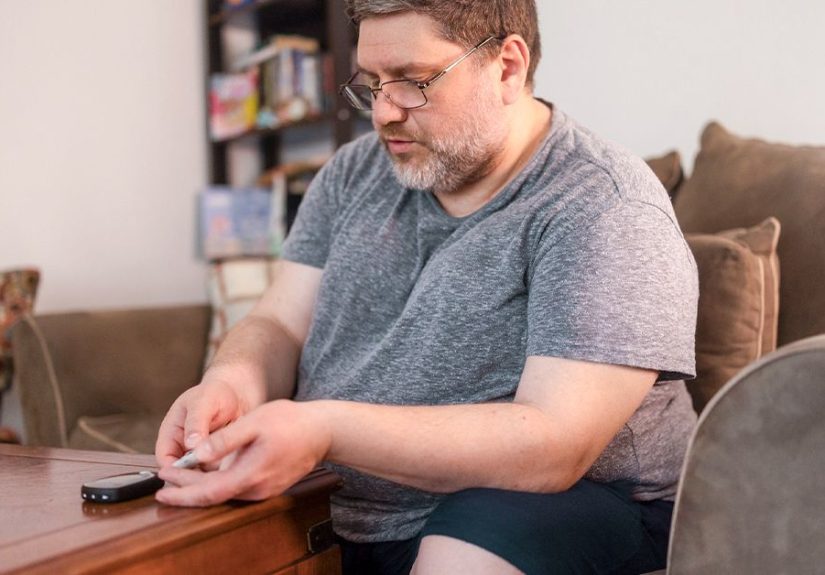
Good glucose management helps protect nerves, blood vessels, kidneys, and the urinary tract. Ask your healthcare provider about your A1C goal, home glucose targets, medication plan, and whether your urinary symptoms could be related to high blood sugar. If urination suddenly increases along with thirst, fatigue, blurred vision, or unexplained weight loss, blood sugar may be part of the story.
Track Urinary Symptoms
A simple symptom diary can be surprisingly powerful. For a week, note how often you urinate, how many times you wake at night, whether you feel urgency, whether your stream is weak, and what you drink in the evening. Include blood sugar patterns if you monitor them. This gives your doctor better clues than saying, “I live in the bathroom now,” although that statement is emotionally valid.
Review Your Medications
Some medications can increase urination or affect bladder function. Diuretics, certain diabetes medications, antihistamines, decongestants, antidepressants, and sedatives may influence urinary symptoms in some people. Never stop prescribed medication on your own, but do ask whether timing or alternatives might help.
Limit Evening Bladder Irritants
Caffeine, alcohol, carbonated drinks, and large amounts of fluid close to bedtime can worsen nocturia. Spicy foods and acidic drinks may also bother some bladders. Try reducing evening triggers for two weeks and see whether nighttime urination improves. This is not glamorous advice, but neither is staring at the bathroom tile at 3:12 a.m.
Move Your Body
Regular physical activity supports insulin sensitivity, weight management, circulation, hormone balance, and urinary health. Walking, resistance training, cycling with proper seat fit, swimming, and stretching can all help. Men with pelvic pain may benefit from guidance before doing intense cycling or heavy lifting, especially if symptoms flare.
Manage Weight and Waist Size
Excess abdominal weight is linked with insulin resistance, inflammation, and more severe urinary symptoms. Even modest weight loss can improve blood sugar, blood pressure, sleep, and energy. A prostate-friendly eating pattern does not require culinary sadness. Aim for vegetables, fruits, legumes, whole grains, nuts, fish, lean proteins, and healthy fats while limiting heavily processed foods and excess saturated fat.
Do Not Ignore Infections
Men with diabetes should take urinary tract symptoms seriously. Burning, cloudy urine, foul-smelling urine, fever, chills, pelvic pain, or back pain may indicate infection. Because diabetes can raise the risk of more complicated infections, early treatment matters.
Talk About Screening
Ask your clinician when to discuss PSA testing and prostate cancer screening. Many guidelines recommend shared decision-making for men in their mid-50s to late 60s, while men at higher risk may need earlier conversations. Higher-risk groups include men with a strong family history of prostate cancer and Black men. Screening is personal, and the best decision depends on your health profile and values.
When to See a Doctor
Make an appointment if urinary symptoms are new, worsening, or interfering with sleep and daily life. You should also seek care if you have erectile dysfunction, pelvic pain, recurrent UTIs, blood in the urine, painful ejaculation, or trouble emptying your bladder.
Seek urgent care if you cannot urinate, have fever and chills with urinary symptoms, experience severe back or abdominal pain, or notice significant blood in the urine. These symptoms may point to urinary retention, kidney infection, stones, or other problems that should not wait.
What Your Doctor May Check
A healthcare provider may ask about urinary patterns, diabetes control, medications, sexual function, fluid intake, and family history. Testing may include a urine test, blood glucose or A1C review, kidney function tests, PSA testing when appropriate, digital rectal exam, urine flow testing, ultrasound, or measurement of post-void residual urine.
Treatment depends on the cause. BPH may be managed with lifestyle changes, alpha-blocker medications, 5-alpha reductase inhibitors, combination therapy, minimally invasive procedures, or surgery. Diabetes-related bladder dysfunction may require glucose optimization, bladder training, pelvic floor therapy, medication, or specialist evaluation. Infections need appropriate testing and antibiotics when bacterial infection is confirmed or strongly suspected.
Experience-Based Section: What Men Often Notice in Real Life
Many men do not walk into a clinic saying, “I believe my diabetes is influencing my prostate health.” Real life is usually less tidy. A man may say he is waking up three times a night, blaming age, stress, or the heroic amount of iced tea he drank after dinner. Another may notice that his urine stream has become weaker, but he waits because it is not painful. Someone else may feel embarrassed about erectile dysfunction and avoid mentioning it during a diabetes visit, even though it could be one of the most useful clues his body is offering.
One common experience is the “double blame” problem. A man with diabetes and BPH may assume every urinary issue is caused by the prostate. Meanwhile, high blood sugar may be increasing urine production, and diabetic nerve changes may be affecting bladder emptying. Treating only one part of the problem may help, but not fully. For example, a BPH medication may improve stream strength, yet nighttime urination may continue if evening glucose levels remain high or sleep apnea is present.
Another common pattern is gradual adaptation. Men are remarkably talented at normalizing inconvenience. They start choosing aisle seats, mapping bathrooms in every store, avoiding road trips, or sleeping lightly so they can reach the bathroom quickly. These workarounds may feel practical, but they can delay diagnosis. Urinary symptoms are not just lifestyle quirks; they are information. The bladder is basically sending email alerts. At some point, it is wise to open the inbox.
Men with diabetes may also notice that sexual and urinary symptoms appear together. Erectile dysfunction, reduced sensation, weaker ejaculation, or changes in orgasm may develop around the same time as urinary urgency or incomplete emptying. This can feel emotionally heavy, especially when men interpret these symptoms as aging or personal failure. In reality, these problems are often medical, treatable, and extremely common. A direct conversation with a doctor can lead to better blood sugar management, cardiovascular risk evaluation, medication options, hormone testing when appropriate, and safer treatment choices.
Family support can make a difference, too. A spouse or partner may be the first to notice sleep disruption, mood changes, or repeated bathroom trips. The key is to approach the topic without jokes that sting. Humor can help, but shame does not. “You seem exhausted from getting up at night; maybe it is time to ask your doctor” works better than “Your prostate has joined a marching band.” Save the comedy for the article, not the kitchen argument.
Men who improve their routines often describe benefits beyond urinary symptoms. Better glucose control, walking after meals, losing some abdominal weight, limiting late-night fluids, and reducing alcohol can improve sleep, energy, erections, and confidence. These changes do not replace medical care, and they do not shrink every enlarged prostate. But they can reduce the total pressure on the urinary system. Think of it as lowering the volume on several noisy speakers at once.
The most useful lesson from real-world experience is simple: do not separate diabetes care from prostate care. Bring urinary symptoms to diabetes appointments. Bring blood sugar history to urology appointments. Mention sexual symptoms without apologizing. Ask whether your bladder, prostate, medications, glucose levels, sleep, and heart health might be interacting. The body is not organized into neat website categories, even if search engines wish it were.
Conclusion
Diabetes can affect prostate health indirectly but powerfully. It may worsen urinary symptoms, contribute to bladder nerve damage, increase infection risk, complicate BPH, influence sexual function, and make prostate screening conversations more nuanced. The good news is that many of the same habits that support diabetes management also support prostate and urinary health.
If you have diabetes and notice frequent urination, weak stream, urgency, nighttime bathroom trips, pelvic pain, recurrent infections, or erectile dysfunction, do not shrug it off. These symptoms are common, but common does not mean harmless. With the right evaluation, many men can improve symptoms, protect long-term health, and spend less time negotiating with their bladder at midnight.
Note: This article is for educational purposes only and is not a substitute for medical diagnosis, treatment, or personalized advice from a qualified healthcare professional.