Table of Contents >> Show >> Hide
- What Bold Bakery Really Was, and Why That Matters
- Why the Concept Hit So Hard Online
- The Smart Business Logic Under the Frosting
- Why Message-Driven Desserts Keep Winning
- A Modern Twist: Boldness Without the Bite
- What Brands Can Learn from Bold Bakery
- The Experience of Sending a Bold Bakery-Style Gift
- Conclusion
Most bakeries want to help you celebrate birthdays, baby showers, and the occasional promotion that absolutely could have been an email. Bold Bakery took one look at that wholesome tradition and said, respectfully, “What if cake also carried a grudge?” That is the strange, hilarious, and genuinely smart genius behind the internet-famous concept. It turned sugar into satire, frosting into attitude, and dessert into a tiny edible press release for feelings people usually keep trapped inside group chats.
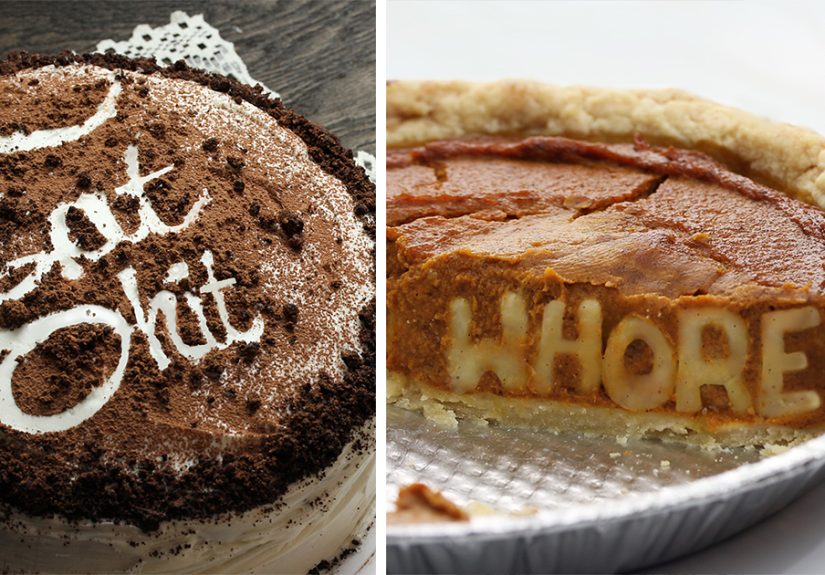
What made Bold Bakery unforgettable was not just the profanity. The internet already had plenty of that. It was the contrast. The desserts looked polished, pretty, even giftable in the classic sense. Then came the message: rude, blunt, petty, cathartic, and weirdly elegant. It was a beautiful collision of design and emotion. One minute you were admiring careful piping and charming typography. The next minute the cake was telling someone to kick rocks in language that would make your aunt clutch her pearls and then secretly ask where to order one.
And that, honestly, is the magic. Bold Bakery was never just about swearing on cookies. It was about personalization, humor, and the thrill of saying the quiet part out loud with buttercream. In an era when consumers love memorable gifts, strong brand voices, and social-media-ready products, the idea feels less like a novelty and more like a masterclass in niche branding. It is funny, yes. But it is also sharp, strategic, and surprisingly insightful about how modern people communicate.
What Bold Bakery Really Was, and Why That Matters
First, the important plot twist: the original internet-famous Bold Bakery was not a traditional bakery chain with a fleet of delivery vans and a loyalty app begging you to buy six muffins by Friday. It began as a creative branding concept by designer Sarah Brockett. That detail matters because it explains why the project felt so unusually complete. This was not just a few joke cookies tossed onto Instagram. It was a fully realized world with a point of view, a tone, a visual identity, and a customer fantasy baked right into the concept.
That customer fantasy was deliciously simple. Sometimes you do not want a soft-focus cake that says “Best Wishes.” Sometimes you want a pie that says, in spirit, “I saw what you did, and here is your pastry-based consequence.” Bold Bakery understood that gifting is not always about romance or gratitude. Sometimes it is about sarcasm, inside jokes, emotional release, and that deeply modern need to turn a personal moment into something theatrical.
In other words, Bold Bakery succeeded because it knew exactly what it was selling. Not just baked goods. Not just novelty. It was selling permission. Permission to be petty, funny, honest, and a little dramatic. That is a powerful product, especially when it comes dressed in good design.
Why the Concept Hit So Hard Online
1. It mixed pretty aesthetics with unapologetic attitude
There is a reason the concept traveled so well online: the desserts were visually charming. Soft colors, clean layouts, neat lettering, thoughtful styling. Then your eyes landed on the message and the whole thing snapped into focus. That contrast created the hook. A screamingly rude message on an ugly cake is just rude. A screamingly rude message on a lovely cake is comedy, commentary, and excellent visual branding.
This is exactly how strong bakery branding works. The best food brands stand out because their look, voice, packaging, and overall vibe feel cohesive. Bold Bakery understood that the joke would not land half as well without visual polish. The insult was the spark, but the design was the delivery system. That is what made it feel memorable instead of random.
2. It turned dessert into language
Cakes have always carried messages, but most of those messages are painfully predictable. Happy Birthday. Congratulations. We Will Miss You, Even Though We Sat Three Cubicles Apart and Spoke Twice. Bold Bakery blew that script up. It treated a cake not as a decoration with words on it, but as a communication medium. The dessert was the message. Suddenly, baked goods were not just part of the event. They were the event.
That idea has only grown stronger over time. Personalized cakes, breakup cakes, message cookies, and reveal desserts all tap into the same instinct: people want food that says something specific. A custom dessert feels more intimate than a generic gift because it turns the occasion into a line of dialogue. It can be loving, teasing, passive-aggressive, celebratory, or all four at once if your family is especially talented.
3. It was built for sharing
Bold Bakery was practically born to go viral. A strong image, a short punchy message, a big emotional reaction, and instant shareability? That is internet fuel. Modern bakery marketing leans heavily on eye-catching visuals, user-generated content, and a distinct social voice. Bold Bakery understood this before every cupcake had a ring light and a TikTok strategy.
The concept also benefited from a simple truth: funny gifts travel. People share what makes them laugh, what feels relatable, and what gives them a good story to tell. A rude cookie is not just dessert. It is content. It is a screenshot. It is a table centerpiece. It is the thing everyone remembers after the candles are out and the paper plates are collapsing.
The Smart Business Logic Under the Frosting
It is easy to dismiss Bold Bakery as a joke, but that would miss the point entirely. Underneath the sass was a very sharp business idea.
Niche beats generic
One of the hardest things for any bakery is standing out. The market is crowded, customer loyalty is fragile, and everybody claims to use premium ingredients and bake with love. Lovely. So does everybody else. Bold Bakery solved that problem with positioning. It did not try to be all things to all sugar lovers. It picked a lane and drove straight through the fondant.
A niche brand is easier to remember because it gives people a reason to talk about it. That is what Bold Bakery nailed. It was not merely a dessert business. It was the bakery for people with opinions, grudges, sarcasm, and friends who appreciate jokes that should probably not be repeated at church.
Voice is part of the product
Many businesses treat brand voice like an accessory. Bold Bakery treated it like a core ingredient. That was smart. A bakery’s voice shows up everywhere: the menu, the packaging, the website, the captions, the customer emails, the order confirmations, even the tiny card tucked into the box. When the voice is distinct, the brand becomes easier to recognize and harder to confuse with everyone else selling cookies in a tasteful beige box.
Humor can be risky, of course. It only works when it feels intentional and consistent. But when it does work, it creates memorability. People may forget a decent cookie. They do not forget the cookie that made them laugh so hard they almost inhaled powdered sugar.
Packaging matters more than people admit
One of the cleverest lessons hidden inside the Bold Bakery idea is that presentation changes everything. The same message scribbled sloppily on a paper plate would feel cheap. Presented beautifully, it becomes a premium joke. That is why modern bakeries put so much thought into boxes, ribbons, protective inserts, window packaging, and handwritten notes. Packaging is not filler. It is part of the emotional experience.
Edible gifts win when they feel intentional. A cookie box that looks polished tells the recipient, “I planned this.” A rude cookie in a pretty box says, “I planned this, and I know you well enough to get away with it.” That is a much more impressive achievement.
Why Message-Driven Desserts Keep Winning
Bold Bakery may have felt outrageous when it first made the rounds online, but the culture has since moved closer to it, not farther away. Today, desserts are expected to perform. They reveal news. They carry slogans. They show off aesthetics. They become props in videos. They sit at the center of birthday tables like tiny edible billboards.
Look around and the evidence is everywhere. Breakup cakes have become mainstream enough to appear in major food media. Burn-away cakes turned the message itself into a reveal. Cookie gift boxes are marketed for birthdays, hosts, coworkers, and housewarmings because they are easy to personalize, easy to photograph, and easy to share. Consumers no longer want only something delicious. They want something that feels like a story.
That is where Bold Bakery looks less shocking and more prophetic. It recognized early that food could carry personality as effectively as flavor. The future of gifting was never just about sweetness. It was about specificity.
A Modern Twist: Boldness Without the Bite
Interestingly, the name lives on in a different direction too. A separate current business called The Bold Bakery in Chantilly, Virginia, leans into artisan cakes, cookies, muffins, local pickup and delivery, and carefully packaged gift-worthy baked goods. It is not the same thing as Sarah Brockett’s original rude-cake concept, but the overlap is revealing. The word bold still works because it promises personality. It signals that the bakery wants to be more than ordinary.
That contrast says a lot about the broader dessert market. One version of bold means irreverent humor and frosting-fueled sass. Another means premium ingredients, thoughtful packaging, and memorable presentation. Both sell because both reject blandness. Consumers are not looking for anonymous bakery experiences anymore. They want flavor, style, story, and a reason to remember where the box came from.
What Brands Can Learn from Bold Bakery
The biggest lesson here is not “put swear words on pastries and profit.” Tempting, but incomplete. The real lesson is this: know your audience, commit to a point of view, and make every part of the product reinforce the experience. The visuals should match the voice. The packaging should match the promise. The message should feel intentional, not desperate.
Bold Bakery worked because it understood emotional truth. People do not buy cakes only for hunger. They buy them for birthdays, reconciliations, office jokes, breakups, apologies, pettiness, flirtation, and family drama that absolutely did not start at Thanksgiving but sure got louder there. The more clearly a bakery understands those emotional occasions, the more compelling its products become.
And perhaps the smartest thing of all? Bold Bakery did not chase universal approval. It accepted that some people would love it, some would be offended by it, and some would nervously laugh while pretending to be offended by it. That kind of clarity is powerful. The internet does not remember the brands that aim for mild applause. It remembers the ones with nerve.
The Experience of Sending a Bold Bakery-Style Gift
Imagine the setup. You are staring at your phone because someone has annoyed you, amused you, betrayed you, or somehow managed all three before lunch. Flowers feel dishonest. A text message feels weak. A long paragraph feels dangerous because now there is evidence. Then you remember the glory of a message dessert. Not a mean one, necessarily. Just an honest one with buttercream and timing.
You place the order. Already, the experience feels different from buying an ordinary cake. You are not choosing between vanilla and chocolate as if those are the only questions that matter. You are choosing a tone. Dry? Savage? Lightly unhinged? Affectionate with teeth? There is a tiny thrill in realizing that dessert can have a personality, and that for once, the personality does not have to be sweet in the traditional sense.
Then comes the waiting, which somehow makes the whole thing funnier. A regular cake arrives as food. A bold cake arrives as a scene. You start imagining the recipient opening the box. Will they gasp? Snort-laugh? Turn red? Take a picture before anyone touches it? Most likely, yes. Because a message-forward dessert does something rare: it creates anticipation before the first bite.
And when the box opens, the room changes. People lean in. Phones appear from nowhere. Someone reads the message out loud in the exact wrong tone. Someone else says, “Oh my God,” which in party language usually means, “This is incredible and I wish I had thought of it first.” Even the person being roasted is often impressed, because the effort is visible. A joke delivered through a cake is still a cake. It is petty, yes, but it is premium petty. That distinction matters.
What makes the moment land is the balance between sting and sweetness. The design says care. The message says chaos. Together, they create a gift that feels more personal than most store-bought presents. Anyone can grab a generic candle or last-minute gift card. Not everyone can find the exact sentence that captures your friendship, your office dynamic, your sibling rivalry, or your breakup energy and have it piped onto a dessert with style.
There is also something unexpectedly generous about it. A bold dessert gives everyone at the table a role. The recipient gets the spotlight. The guests get the laugh. The sender gets the reputation of being either hilarious or slightly dangerous, which, depending on the crowd, may be the highest social achievement available. Then the cake is sliced, and the whole thing transforms from statement piece to shared experience. The joke is no longer just visual. It becomes communal, edible, and weirdly warm.
That is why the concept lingers. People do not remember every dessert they eat, but they remember the ones attached to a feeling. The birthday cake that roasted the birthday person. The cookie box that ended a feud with sarcasm instead of a speech. The breakup cake that made everyone laugh hard enough to stop feeling sorry for the ex. These are not just baked goods. They are memory devices with frosting.
And that may be the sweetest truth behind Bold Bakery: beneath the attitude, it understands human connection. Not the polished, greeting-card version of connection. The real version. Messy, specific, hilarious, slightly inappropriate, and deeply personal. Sometimes love looks like a beautiful cake. Sometimes closure does too. Sometimes friendship is just knowing exactly what someone needs to hear and having the good sense to put it on a cookie instead of in the family group chat.
Conclusion
Bold Bakery became memorable because it did far more than shock people. It used design, humor, personalization, and timing to turn dessert into a form of self-expression. That is why the concept still feels relevant. In a world overflowing with generic products and forgettable marketing, a bakery that knows exactly who it is has a massive advantage. Add sharp copy, giftable packaging, and a product built for sharing, and suddenly you are not selling cake. You are selling a story people want to repeat.
So yes, Bold Bakery proved that saying “F**k You” has never been sweeter. But the deeper lesson is even better: when a brand dares to be specific, stylish, and just a little mischievous, people do not merely notice. They remember. And in food, as in life, that is often the whole recipe.