Table of Contents >> Show >> Hide
- What Is Bone Mineral Density?
- What Is a BMD Test?
- Why Is a Bone Mineral Density Test Done?
- Who Should Consider a BMD Test?
- How to Prepare for a Bone Density Test
- What Happens During the Test?
- Understanding BMD Results
- Normal, Osteopenia, and Osteoporosis: What They Mean
- What Happens After Abnormal Results?
- How Often Should BMD Testing Be Repeated?
- Common Myths About BMD Testing
- Practical Example: Reading a BMD Report
- Real-Life Experience: What a BMD Test Feels Like and What Patients Often Learn
- Conclusion
- SEO Tags
Bone mineral density, or BMD, sounds like something a very serious lab coat would whisper while holding a clipboard. In real life, it is much more practical: it tells you how strong your bones are and how likely they may be to break. Think of it as a report card for your skeletonminus the awkward parent-teacher conference.
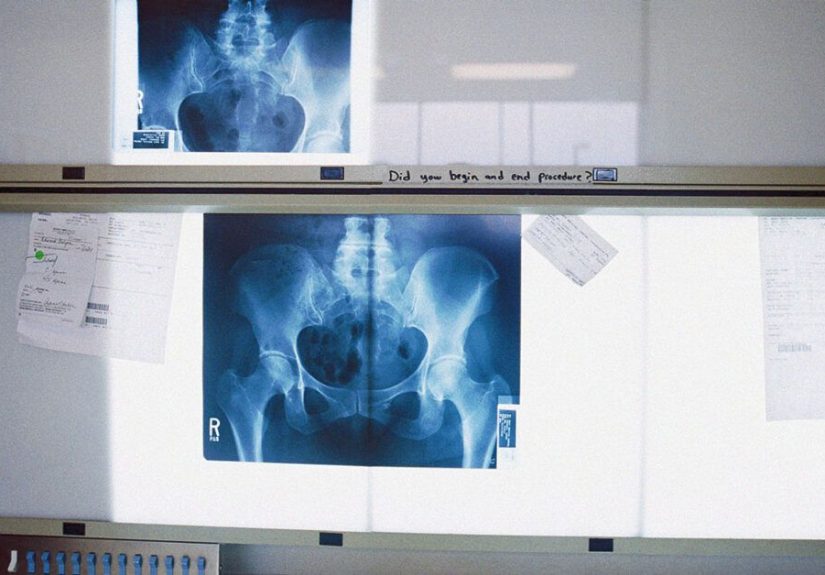
A bone mineral density test is most often done with a DXA scan, also called a DEXA scan. This quick, painless imaging test measures the amount of mineral content in certain bones, usually the hip and spine. The results help doctors diagnose normal bone density, osteopenia, or osteoporosis, and they can guide decisions about prevention, lifestyle changes, medication, and future monitoring.
Because osteoporosis is often called a “silent disease,” many people do not know their bones are weakening until a fracture happens. That is exactly why BMD testing matters. It gives patients and clinicians a chance to act before a small fall turns into a major medical event.
What Is Bone Mineral Density?
Bone mineral density refers to the amount of mineralsmainly calcium and phosphoruspacked into a section of bone. Higher mineral density usually means stronger bones. Lower density means bones may be thinner, more fragile, and more likely to fracture.
Bones are not dead sticks holding you upright. They are living tissue that constantly remodels itself. Old bone is broken down, and new bone is built. During youth, the body usually builds bone faster than it loses it. Peak bone mass is typically reached in early adulthood. After that, bone loss can gradually increase, especially after menopause, with aging, certain medications, poor nutrition, low activity, smoking, heavy alcohol use, and some medical conditions.
Low BMD does not mean a person is guaranteed to break a bone. It means the risk is higher. Doctors combine BMD results with age, fracture history, family history, fall risk, medication use, and other health factors to get a more complete picture.
What Is a BMD Test?
A BMD test measures bone density using imaging technology. The most common and preferred test is dual-energy X-ray absorptiometry, usually shortened to DXA or DEXA. It uses low-dose X-rays to estimate bone mineral content and compare it with reference values.
The scan is noninvasive, meaning there are no needles, no surgery, and no dramatic hospital-movie lighting. You lie on a padded table while the scanner passes over the body. The most important sites are usually the hip and lumbar spine because fractures in these areas can have serious health consequences.
Central DXA
Central DXA measures bone density at the hip and spine. This is the standard test used to diagnose osteoporosis and estimate fracture risk in many adults. If your doctor says you need a bone density test, this is probably what they mean.
Peripheral Bone Density Testing
Peripheral tests measure bone density in areas such as the heel, wrist, or finger. These tests may be used for screening, but they generally do not replace central DXA when a formal diagnosis or treatment plan is needed.
Other Imaging Methods
Quantitative computed tomography, or QCT, can also measure bone density, but it is less commonly used for routine osteoporosis screening. It may be helpful in specific clinical situations, especially when spine DXA results are difficult to interpret because of arthritis, spinal changes, or surgical hardware.
Why Is a Bone Mineral Density Test Done?
The main purpose of a BMD test is to detect low bone mass before a fracture occurs. It can also confirm osteoporosis, track bone loss over time, and monitor how well treatment is working.
Doctors may order a BMD test to:
- Screen for osteoporosis in people at higher risk.
- Evaluate bone health after a low-trauma fracture.
- Check whether osteopenia has progressed.
- Estimate future fracture risk.
- Monitor response to osteoporosis medication.
- Assess bone effects from long-term steroid use or other medications.
For example, a 68-year-old woman who has never broken a bone may still need screening because age and postmenopausal bone loss raise risk. A 55-year-old man who has taken prednisone for years may also need testing, even if he feels perfectly fine. Bones can be sneaky little accountants: they may be losing value quietly while everything looks normal on the outside.
Who Should Consider a BMD Test?
Screening recommendations vary slightly among medical organizations, but many agree that women age 65 and older should be screened for osteoporosis. Postmenopausal women younger than 65 may also need screening if they have risk factors that increase fracture risk.
Men may need BMD testing too. Osteoporosis is often treated like a “women’s health” issue, but bones did not sign an exclusivity contract. Men can develop low bone density, especially with aging, low testosterone, smoking, heavy alcohol use, certain chronic diseases, or long-term use of corticosteroids.
Common Risk Factors for Low BMD
- Older age
- Family history of osteoporosis or hip fracture
- Previous fracture from a minor fall
- Low body weight
- Smoking
- Heavy alcohol use
- Long-term corticosteroid therapy
- Rheumatoid arthritis
- Early menopause or low sex hormone levels
- Malabsorption conditions, such as celiac disease
- Chronic kidney, liver, thyroid, or parathyroid problems
- Low calcium or vitamin D intake
- Sedentary lifestyle
A clinician may also use a fracture risk calculator, such as FRAX, to estimate a person’s 10-year risk of hip fracture or major osteoporotic fracture. BMD results can be entered into this tool, along with age, sex, height, weight, prior fractures, smoking status, steroid use, and other factors.
How to Prepare for a Bone Density Test
Preparing for a DXA scan is refreshingly simple. You can usually eat normally, drink normally, and take most regular medications unless your healthcare provider gives different instructions.
However, you may be asked to avoid calcium supplements for at least 24 hours before the exam because they can interfere with imaging. Wear loose, comfortable clothing without metal zippers, belts, buttons, or hooks if possible. Metal can get in the way of the scan, and nobody wants a belt buckle stealing the spotlight from your femur.
Tell the technologist if you may be pregnant. Also mention if you recently had a barium exam, CT scan with contrast, or nuclear medicine test, because those materials can affect results. Your imaging center may recommend waiting before doing the DXA scan.
What Happens During the Test?
A DXA scan is usually quick and painless. Most appointments take about 10 to 30 minutes, though the scan itself may be shorter. You lie on your back on a padded table while a scanning arm moves over your body. You remain still while images are taken of the hip, spine, and sometimes the forearm.
For a spine scan, your legs may be placed on a padded box to flatten the pelvis and lower spine. For a hip scan, your foot may be positioned in a brace to rotate the hip slightly inward. It may feel a little awkward, but it should not hurt.
The radiation exposure from DXA is very low. For most people, the benefit of detecting osteoporosis risk outweighs the small exposure. Still, it is wise to tell the healthcare team about pregnancy or recent imaging tests.
Understanding BMD Results
BMD results can look intimidating at first, especially when the report starts throwing around terms like T-score, Z-score, and grams per square centimeter. Do not panic. The key numbers are easier to understand than they look.
T-Score
The T-score compares your bone density with that of a healthy young adult. It is the main score used to diagnose osteoporosis in postmenopausal women and men age 50 or older.
| T-Score | Meaning |
|---|---|
| -1.0 or higher | Normal bone density |
| Between -1.0 and -2.5 | Low bone mass, also called osteopenia |
| -2.5 or lower | Osteoporosis |
The more negative the T-score, the lower the bone density. For example, a T-score of -2.8 suggests weaker bones than a T-score of -1.4. But the score is not the whole story. A person with osteopenia and several risk factors may have a higher fracture risk than someone with osteoporosis but fewer risk factors. Context matters.
Z-Score
The Z-score compares your bone density with what is expected for someone of your age, sex, and body size. It is often more useful in younger adults, premenopausal women, and children.
A very low Z-score may suggest that something besides normal aging is contributing to bone loss. In that case, a doctor may look for secondary causes, such as thyroid disease, malabsorption, kidney disease, medication effects, or hormone problems.
BMD Value
Your report may also list a BMD value, usually measured in grams per square centimeter. This number represents the mineral content in the scanned bone area. While useful for tracking changes over time, the T-score and clinical risk factors are usually easier for patients to understand.
Normal, Osteopenia, and Osteoporosis: What They Mean
Normal Bone Density
Normal bone density means your bones are within the expected healthy range based on the T-score. That does not mean you can ignore bone health forever. It means your current results are reassuring. A healthy diet, regular weight-bearing exercise, strength training, and fall prevention still matter.
Osteopenia
Osteopenia means bone density is lower than normal but not low enough to be classified as osteoporosis. It is a warning light, not a life sentence. Many people with osteopenia never progress to osteoporosis, especially when they improve nutrition, exercise, balance, and risk factors.
A doctor may recommend lifestyle changes, repeat testing in a few years, or medication if fracture risk is high. The decision depends on the whole risk profile, not just the number on the report.
Osteoporosis
Osteoporosis means bones are weak enough that fracture risk is significantly increased. Fractures may happen from a minor fall, lifting something awkwardly, or even a movement that would not harm stronger bones. Common fracture sites include the hip, spine, and wrist.
Treatment may include medication, calcium and vitamin D optimization, strength and balance training, fall prevention, and monitoring. The goal is not just to improve a number on a scan; the real goal is to prevent fractures and preserve independence.
What Happens After Abnormal Results?
If your BMD test shows osteopenia or osteoporosis, your healthcare provider may recommend additional steps. These may include blood tests to check vitamin D, calcium, kidney function, thyroid function, parathyroid hormone, or markers of other conditions that affect bone health.
Your doctor may also review medications. Long-term corticosteroids, some anti-seizure medicines, certain cancer treatments, and other drugs can affect bone density. Do not stop medications on your own, but do ask whether bone protection should be part of your plan.
Lifestyle Changes
Bone-friendly habits are often the first move. These may include:
- Eating enough calcium-rich foods, such as dairy products, fortified foods, leafy greens, tofu, almonds, or canned fish with bones.
- Getting enough vitamin D through food, safe sun exposure, or supplements if recommended.
- Doing weight-bearing exercise, such as walking, stair climbing, dancing, or hiking.
- Adding resistance training to strengthen muscles and bones.
- Improving balance through tai chi, physical therapy, or targeted exercises.
- Quitting smoking and limiting alcohol.
- Reducing fall hazards at home.
Medication Options
For people at higher fracture risk, medication may be recommended. Common options include bisphosphonates, denosumab, anabolic medications that help build bone, selective estrogen receptor modulators, and other treatments. The best choice depends on age, fracture history, kidney function, risk level, side effects, cost, and personal preferences.
Medication decisions should be individualized. A person with a recent hip fracture has a different risk profile than someone with mild osteopenia and no other risk factors. The right treatment plan is more like tailoring a suit than buying a one-size-fits-all poncho.
How Often Should BMD Testing Be Repeated?
Repeat testing depends on your first result and your overall risk. Someone with normal bone density and low risk may not need another scan for many years. Someone with osteoporosis, rapid bone loss, or active treatment may need follow-up sooner, often every one to three years depending on the clinical situation.
It is also important to use the same facility or machine when possible because small differences between machines can make comparison harder. If you are tracking progress, consistency helps.
Common Myths About BMD Testing
Myth 1: “If I feel fine, my bones are fine.”
Not necessarily. Low bone density usually causes no symptoms until a fracture occurs. Your bones are not going to send a calendar invite titled “We need to talk.” Screening exists because silence can be misleading.
Myth 2: “Only older women need bone density tests.”
Older women are at high risk, but men and younger adults with risk factors may also need testing. Steroid use, prior fractures, hormone problems, and certain chronic diseases can affect bone density at many ages.
Myth 3: “Osteopenia always becomes osteoporosis.”
False. Osteopenia means risk is increased, but progression is not guaranteed. Many people stabilize bone density with lifestyle changes and medical guidance.
Myth 4: “A calcium pill fixes everything.”
Calcium matters, but bone health is bigger than one supplement. Vitamin D, protein, exercise, balance, fall prevention, medication review, and treatment when needed all play roles.
Practical Example: Reading a BMD Report
Imagine Maria, age 67, has a DXA scan. Her spine T-score is -1.8, and her hip T-score is -2.6. The spine result falls in the osteopenia range, while the hip result meets the osteoporosis range. In most cases, the lowest relevant T-score helps guide diagnosis and treatment decisions.
Now imagine James, age 58, has a T-score of -1.7 but also had a wrist fracture after slipping from standing height. His doctor may consider his fracture history, medications, family history, and FRAX score before deciding whether lifestyle changes alone are enough.
These examples show why BMD results should not be interpreted in isolation. The number matters, but the person attached to the number matters more.
Real-Life Experience: What a BMD Test Feels Like and What Patients Often Learn
Many people arrive for a bone mineral density test expecting something more dramatic than it actually is. The word “scan” can make the experience sound like a spaceship will be involved. In reality, a DXA appointment is usually calm, quiet, and surprisingly ordinary. You check in, answer a few questions, maybe change into a gown, and lie on a table while the technologist positions your body for the images.
One of the most common patient reactions is, “That was it?” The test does not involve going into a tunnel like an MRI. It is not noisy. It does not require an IV. There is no recovery time. Many people go back to work, errands, or lunch afterward. If lunch includes calcium-rich yogurt, your bones may quietly applaud.
The emotional part often comes later, when the results arrive. A normal result can feel reassuring, especially for someone with a family history of osteoporosis. An osteopenia result may create mild anxiety, but it can also be motivating. Patients often say it gives them a concrete reason to start strength training, improve protein intake, check vitamin D levels, or finally remove that decorative rug that has been trying to trip them since 2014.
An osteoporosis result can feel scary at first. That reaction is understandable. But many patients also find relief in finally having an explanation and a plan. Instead of guessing, they can talk with a clinician about treatment options, fall prevention, medication benefits and risks, and realistic lifestyle changes. The diagnosis becomes less like a thundercloud and more like a road sign: slow down, pay attention, and take the right route.
Some people are surprised to learn that the goal is not always to “make the number perfect.” Bone density can improve with treatment, but the bigger goal is fracture prevention. That may mean building leg strength, improving balance, checking vision, reviewing medications that cause dizziness, installing grab bars, wearing better shoes, and treating osteoporosis when the benefits outweigh the risks.
Another practical lesson is that small habits add up. Walking is helpful, but bones also respond to resistance and impact within safe limits. A person may begin with chair exercises, light weights, resistance bands, or physical therapy. Someone who has already fractured a bone may need a more cautious program. The best exercise is not the one that looks heroic on social media; it is the one you can do safely and consistently.
Patients also learn to ask better questions. Instead of only asking, “Is my result bad?” they can ask, “What is my fracture risk?” “Should we check for secondary causes?” “Do I need medication?” “When should I repeat the scan?” “What exercises are safe for my spine?” These questions turn a confusing report into a useful health strategy.
In that sense, a BMD test is not just a measurement. It is a conversation starter. It helps people understand their bones before a fracture forces the issue. And frankly, your skeleton has been supporting you for years without asking for applause. Giving it a little attention is the least you can do.
Conclusion
Bone mineral density testing is one of the most useful tools for detecting low bone mass, diagnosing osteoporosis, and estimating fracture risk. The DXA scan is quick, painless, and widely used because it gives doctors meaningful information about the hip, spine, and sometimes the forearm.
The most important result is often the T-score: -1.0 or higher is considered normal, between -1.0 and -2.5 suggests osteopenia, and -2.5 or lower indicates osteoporosis. The Z-score may help identify unusual bone loss in younger people or those whose results do not fit the expected pattern.
Most importantly, BMD results are not just numbers. They are clues. When combined with age, fracture history, fall risk, lifestyle, medications, and medical conditions, they help create a plan to protect bones and prevent fractures. Strong bones may not be glamorous, but they are extremely usefulespecially if you plan to keep standing, walking, dancing, gardening, traveling, or dramatically entering rooms for many years to come.