Table of Contents >> Show >> Hide
- Why Cockroach Control Matters
- Step One: Identify the Roach Before You Fight It
- Step Two: Inspect Like a Detective With a Flashlight
- Step Three: Remove Food Sources
- Step Four: Fix Moisture Problems
- Step Five: Reduce Hiding Places
- Step Six: Use Baits the Smart Way
- Step Seven: Use Dusts Carefully and Sparingly
- Step Eight: Be Careful With Sprays, Foggers, and “Bug Bombs”
- Step Nine: Vacuum and Steam for Heavy Activity
- Step Ten: Monitor, Re-Bait, and Follow Up
- Cockroach Control in Apartments and Multi-Family Housing
- Outdoor Prevention: Stop Roaches Before They Walk In
- Common Cockroach Control Mistakes
- When to Call a Professional
- A Practical 7-Day Roach Control Plan
- Real-Life Experience: What Actually Works When Roaches Move In
- Conclusion
Cockroaches are the uninvited roommates nobody remembers approving. They do not pay rent, they do not respect snack boundaries, and they somehow treat the gap behind your refrigerator like a luxury condo. The good news? Cockroach control is not magic. It is a practical system: remove food, water, and shelter; use the right treatments in the right places; and make your home as boring as possible to a bug that loves crumbs, leaks, clutter, and darkness.
If you have seen one roach, do not panicbut do not ignore it either. Cockroaches are excellent hiders, fast breeders, and professional night-shift workers. The best way to get rid of roaches is not to blast the kitchen with random sprays and hope for a tiny insect apocalypse. The smarter approach is integrated pest management, or IPM, which combines inspection, cleaning, sealing, trapping, baiting, and follow-up. In plain English: find them, starve them, block them, bait them, and keep checking until they stop sending cousins.
Why Cockroach Control Matters
Cockroaches are more than a gross-out moment. Their droppings, shed skins, saliva, and body parts can contribute to indoor allergens, and they are known asthma triggers for sensitive people. They also travel through drains, trash areas, and dirty surfaces, which makes them very poor guests in kitchens, bathrooms, restaurants, apartments, and anywhere food is prepared.
Roaches do not appear because a home is “dirty.” Clean homes can get roaches from neighboring apartments, grocery bags, cardboard boxes, used appliances, plumbing gaps, or outdoor entry points. But once they arrive, poor sanitation gives them a buffet. A few crumbs under the toaster, a slow drip under the sink, and a stack of cardboard can turn a small problem into a roach family reunion with terrible lighting.
Step One: Identify the Roach Before You Fight It
Different cockroaches behave differently, so identification matters. Treating every roach the same way is like trying to fix every car problem with windshield wiper fluid.
German Cockroaches
German cockroaches are small, light brown, and often have two dark stripes behind the head. They are the most common indoor infestation species in many U.S. homes and apartments. They love kitchens, bathrooms, dishwashers, refrigerator motors, cabinet hinges, and warm cracks near food and water. If you see small roaches in the kitchen at night, German cockroaches are likely suspects.
American Cockroaches
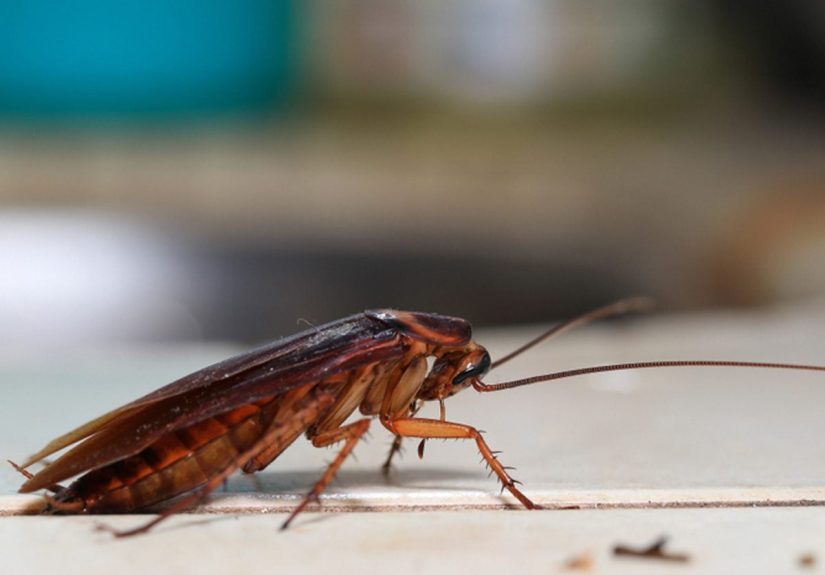
American cockroaches are larger, reddish-brown, and often associated with sewers, basements, crawl spaces, boiler rooms, and floor drains. In some regions, people call them “water bugs” or “palmetto bugs,” which sounds friendlier than “giant surprise insect with legs,” but let’s not be fooled.
Oriental and Smokybrown Cockroaches
Oriental cockroaches are dark and often found in damp areas, while smokybrown cockroaches are common in warm, humid regions and may move indoors from mulch, gutters, trees, and exterior clutter. These species often require outdoor prevention as much as indoor control.
Step Two: Inspect Like a Detective With a Flashlight
Roaches hide where their basic needs meet: food, moisture, warmth, and darkness. Start your inspection at night or early morning when roaches are more active. Use a flashlight and check under sinks, behind refrigerators, behind stoves, inside cabinets, near trash cans, around dishwasher edges, beneath pet bowls, around water heaters, and along baseboards.
Look for live roaches, egg cases, pepper-like droppings, shed skins, brown smears, and a musty odor in heavy infestations. Sticky traps are helpful because they show where activity is highest. Place them along walls, under appliances, under sinks, and near suspected hiding areas. Do not scatter them randomly like confetti at the world’s worst party. Put them where roaches travel.
Step Three: Remove Food Sources
Roaches are not picky. They will eat crumbs, grease, pet food, toothpaste residue, cardboard glue, and mystery particles that fell behind the stove during a previous decade. Sanitation does not kill every roach by itself, but it makes every other control method work better.
- Wipe counters every night, especially around the stove and sink.
- Clean grease from stovetops, backsplashes, range hoods, and cabinet edges.
- Store dry goods in sealed containers instead of thin cardboard boxes.
- Do not leave dirty dishes overnight.
- Take trash out regularly and use a can with a tight-fitting lid.
- Vacuum crumbs under appliances, sofas, dining tables, and pantry shelves.
- Feed pets at set times and remove leftover food before bedtime.
The goal is simple: make your home a terrible restaurant. Roaches want an all-night diner. Give them a closed kitchen.
Step Four: Fix Moisture Problems
If food is the invitation, water is the lease agreement. Cockroaches need moisture, and even a small leak can support them. Check under sinks, around toilets, behind refrigerators with water lines, near dishwashers, in laundry rooms, and around basement drains.
Repair dripping faucets, sweating pipes, loose toilet seals, and condensation problems. Dry sinks and counters at night when possible. Empty pet water bowls overnight if it is practical and safe for your pet. Use ventilation in bathrooms and laundry rooms. Roaches can survive longer without food than without water, so moisture control is one of the most powerful long-term prevention strategies.
Step Five: Reduce Hiding Places
Cockroaches prefer tight spaces where their bodies touch surfaces above and below. That is why they love cracks, cardboard stacks, cluttered cabinets, and gaps behind appliances. Reducing harborage makes your home less comfortable and makes bait easier for roaches to find.
Recycle cardboard quickly, especially shipping boxes and grocery packaging. Avoid storing paper bags under sinks. Organize pantry shelves so spills are visible. Pull appliances out carefully when possible and clean behind them. Use caulk to seal cracks around cabinets, baseboards, pipes, sinks, and wall penetrations. Add door sweeps where gaps exist under exterior doors. Seal openings around plumbing and utility lines, especially in apartments where roaches may travel between units.
Step Six: Use Baits the Smart Way
For many indoor infestations, especially German cockroaches, cockroach bait is one of the most effective tools. Baits come as gel, bait stations, pastes, and dry flowable products. They work because roaches eat the bait and return to hiding areas, where other roaches may be exposed through droppings or dead insects. It is not instant drama, but it is effective when done correctly.
Where to Place Roach Bait
Place small amounts of bait close to cockroach activity: cabinet corners, drawer tracks, under sink rims, behind appliances, near plumbing openings, along cracks, and close to warm motor areas. Many small placements are usually better than a few large globs. Think “roach snack trail,” not “peanut butter sculpture.”
What Not to Do With Bait
Do not spray insecticide over bait. Sprays can repel roaches from the bait or contaminate it, making the bait less attractive. Do not place bait on food-contact surfaces. Do not use bait where children or pets can reach it. Always follow the product label exactly. The label is not decorative literature; it is the law and the safety guide.
Step Seven: Use Dusts Carefully and Sparingly
Boric acid dust and silica-based dusts can help in cracks, voids, and hidden areas when used properly. The key word is “dust,” not “snowstorm.” A light, barely visible layer in inaccessible areas is more effective than piles of powder that roaches may avoid. Heavy applications can also create unnecessary exposure risks.
Use dusts only according to label directions and keep them away from children, pets, food, dishes, and exposed surfaces. Suitable locations may include wall voids, behind appliances, under cabinets, and sealed cracks where people will not contact the material. When in doubt, hire a licensed pest management professional instead of turning your kitchen into a chemistry experiment.
Step Eight: Be Careful With Sprays, Foggers, and “Bug Bombs”
Many homeowners reach for sprays because they provide the emotional satisfaction of immediate revenge. Unfortunately, contact sprays often kill only the roaches you can see. The hidden population remains behind walls, appliances, and cabinet voids, quietly judging your optimism.
Foggers and bug bombs are especially poor choices for cockroach infestations. They often fail to reach hidden harborages, may scatter roaches into new areas, and can leave pesticide residues on surfaces. They may also worsen indoor air quality, especially for people with asthma or respiratory sensitivity. For roaches, targeted baiting and IPM usually beat room-wide chemical fogging.
Step Nine: Vacuum and Steam for Heavy Activity
Vacuuming can quickly remove live roaches, egg cases, droppings, and debris. Use a crevice tool around cabinets, appliance edges, baseboards, and cracks. If someone in the home has asthma or allergies, a HEPA-filter vacuum is a better choice because it helps reduce fine particles from becoming airborne.
After vacuuming roaches, empty the vacuum contents into a sealed bag and dispose of it outdoors. Steam can also help in cracks and areas where heat can safely be applied, especially when used by trained professionals. Avoid steam near electrical parts, outlets, or surfaces that may be damaged by heat and moisture.
Step Ten: Monitor, Re-Bait, and Follow Up
Cockroach control is a process, not a one-night duel. After cleaning, sealing, and baiting, keep sticky traps in place. Check them weekly. If traps catch fewer roaches over time, your plan is working. If activity stays high, move traps closer to suspected harborages, refresh bait, improve sanitation, and inspect for missed moisture or access points.
Baits dry out or get eaten, so they may need replacement. Do not keep adding bait forever without checking whether roaches are feeding on it. If the bait is untouched, it may be in the wrong place, contaminated, dried out, or competing with better food sources. In heavy German cockroach infestations, professional help may be the fastest and safest route.
Cockroach Control in Apartments and Multi-Family Housing
Apartments add one extra headache: roaches do not respect lease boundaries. They can move through plumbing lines, wall voids, shared laundry rooms, trash chutes, and hallways. If you clean and bait your unit but neighboring units remain infested, the problem may return.
In multi-family housing, successful cockroach control often requires building-wide inspection, communication with property management, sealing shared gaps, coordinated treatment, and consistent follow-up. Residents should report roach sightings early, keep food sealed, reduce clutter, and avoid using sprays that may push roaches into neighboring units. Landlords and managers should use licensed professionals who understand IPM, not quick monthly sprays that make everyone feel busy while the roaches continue their committee meetings.
Outdoor Prevention: Stop Roaches Before They Walk In
Large outdoor roaches often enter homes through gaps, drains, garages, crawl spaces, vents, and loose door seals. Prevention starts outside. Trim shrubs and branches away from the house. Keep mulch several inches away from the foundation when possible. Remove leaf litter, stacked wood, and debris near exterior walls. Clean gutters so damp organic material does not become a roach resort.
Install door sweeps, repair damaged screens, seal utility openings, and check weather stripping. Keep outdoor trash cans closed and clean. Reduce moisture around the foundation by fixing drainage issues and leaky spigots. If outdoor lights attract insects near entry doors, consider adjusting lighting placement or using less attractive bulbs where appropriate.
Common Cockroach Control Mistakes
Mistake 1: Using Only Sprays
Sprays may kill visible roaches, but they rarely solve a hidden infestation alone. They can also interfere with bait.
Mistake 2: Leaving Food and Water Available
If roaches can eat pizza crumbs and drink from a leaky pipe, your bait is just one option on a generous menu.
Mistake 3: Placing Bait in the Wrong Areas
Bait belongs near roach activity, not in the middle of an open floor where roaches are unlikely to stroll casually like mall shoppers.
Mistake 4: Giving Up Too Soon
Baits take time. A meaningful reduction may appear over days or weeks, depending on the infestation size, species, sanitation, and placement.
Mistake 5: Ignoring Neighboring Units
In apartments, one untreated unit can keep the problem alive for everyone. Roach control works best when the building works together.
When to Call a Professional
Call a licensed pest management professional if you see roaches daily, find them in multiple rooms, live in a multi-unit building with recurring activity, have asthma-sensitive people in the home, or cannot locate the source. Professionals have access to inspection tools, insect growth regulators, commercial baits, dusting equipment, and treatment strategies that are not always available to homeowners.
A good professional should inspect before treating, explain the plan, identify the cockroach species, use targeted products, recommend sanitation and exclusion steps, and schedule follow-up. If the entire plan is “spray the baseboards and vanish,” ask questions. You are hiring pest control, not a magician with a pump can.
A Practical 7-Day Roach Control Plan
Day 1: Inspect and Trap
Use a flashlight to inspect kitchens, bathrooms, laundry rooms, and appliance areas. Place sticky traps near suspected hot spots.
Day 2: Deep Clean Food Zones
Clean counters, cabinets, floors, stove sides, toaster trays, microwave splatter, pantry spills, and trash areas.
Day 3: Fix Water Sources
Repair leaks, dry sink areas, check refrigerator water lines, and remove unnecessary standing water.
Day 4: Declutter and Seal
Recycle cardboard, organize cabinets, seal cracks, close pipe gaps, and install door sweeps if needed.
Day 5: Apply Bait
Place small bait spots near confirmed activity, following the label carefully. Avoid sprays near bait.
Day 6: Vacuum and Remove Debris
Vacuum cracks, appliance edges, and cabinet spaces. Dispose of contents in a sealed bag.
Day 7: Review and Adjust
Check traps. Refresh bait where feeding is obvious. Move traps if they caught nothing. Keep sanitation tight.
Real-Life Experience: What Actually Works When Roaches Move In
Most people discover roaches in one of three ways: a midnight kitchen visit, a surprise in the bathroom, or the horrifying moment when a tiny roach waves from the coffee maker area like it owns the morning. The first reaction is usually panic, followed by aggressive cleaning, followed by buying every roach product on the shelf. That is understandable. It is also how many people accidentally make cockroach control harder.
In real homes, the winning strategy usually begins with slowing down and observing. One homeowner may think the infestation is “everywhere,” but sticky traps reveal that the real hot spot is under the refrigerator, where warmth, crumbs, and condensation have created a five-star roach hotel. Another family may keep spraying the bathroom, only to learn that roaches are entering through a pipe gap under the kitchen sink. The trap tells the truth. The roach does not fill out a complaint form, but it leaves clues.
Another common experience is the “clean kitchen, still roaches” problem. This is frustrating because people feel judged by the pest. But a clean kitchen can still have a hidden leak, cardboard storage, old grease behind the stove, or gaps shared with another apartment. Roach control is not about shame; it is about access. If roaches can enter, hide, drink, and find even tiny food sources, they can persist.
People also learn quickly that sprays are satisfying but limited. Seeing a roach die on contact feels like victory, but the hidden roaches are the real issue. Baiting feels less dramatic because nothing explodes, sizzles, or makes a heroic soundtrack. Yet bait placed in the right cracks and corners often does more than a visible spray battle. The best results come when bait is paired with clean surfaces, sealed food, dry sinks, and fewer hiding spots.
Pet owners often face special challenges. Pet food bowls, water dishes, and treat bags can quietly feed pests. A practical routine is to feed pets on a schedule, clean the feeding area afterward, store food in sealed containers, and avoid leaving kibble out overnight. No one is blaming the dog. The dog is innocent. The roach, however, has been treating the kibble bowl like a buffet.
In apartments, the experience can feel unfair because one unit’s hard work may not solve a building-wide issue. In that case, documentation matters. Keep dates, photos, trap counts, and notes about where activity occurs. Report the problem clearly to management and ask for integrated pest management, not just repeated spraying. Coordinated inspection and treatment across connected units can make the difference between temporary relief and real control.
The biggest lesson from real cockroach control is consistency. One deep-cleaning weekend helps, but daily habits keep roaches from returning. Wipe the counters. Fix the drip. Take out the trash. Replace old bait. Check traps. Seal the gap. None of these steps is glamorous, but together they work. Roach control is not one giant heroic move. It is a series of small, boring decisions that make your home a terrible place for cockroaches to live. And honestly, boring to roaches is exactly the dream.
Conclusion
Cockroach control works best when you stop chasing individual roaches and start changing the environment that supports them. The most reliable plan is integrated: identify the species, inspect carefully, remove food and water, reduce hiding places, seal entry points, use targeted baits, monitor with traps, and follow up until activity disappears. For severe or recurring infestations, especially in apartments, professional IPM service is often worth it.
Roaches are tough, but they are not invincible. With patience, smart bait placement, better sanitation, moisture control, and exclusion, you can get rid of roaches and keep them out. Your kitchen should belong to you, your family, and maybe one dramatic houseplantnot a committee of insects holding meetings behind the fridge.