Table of Contents >> Show >> Hide
- What Is a Mindfulness App?
- How Mindfulness Apps May Help Your Health
- What the Research Says About Mindfulness Apps
- Where Mindfulness Apps Fall Short
- How to Choose a Good Mindfulness App
- Who Benefits Most From Mindfulness Apps?
- How to Use Mindfulness Apps for Real Results
- Examples of Mindfulness App Use in Everyday Life
- So, Do Mindfulness Apps Really Help Your Health?
- Personal Experiences and Real-Life Reflections on Mindfulness Apps
- Conclusion
Mindfulness apps promise a lot for something that lives next to your camera roll, grocery coupons, and 47 unread group chats. Open one, and a calm voice tells you to breathe, notice your thoughts, relax your jaw, and stop treating your brain like a browser with 63 tabs open. It sounds lovely. But the real question is practical: do mindfulness apps really help your health, or are they just another digital wellness trend wrapped in soothing music and pastel gradients?
The honest answer is: yes, mindfulness apps can help many people improve stress, sleep, emotional balance, focus, and overall well-being. But they work best when used consistently, chosen carefully, and understood realistically. A mindfulness app is not a doctor, therapist, sleep fairy, or magical button labeled “fix my entire nervous system.” It is a tool. A useful one, often. A perfect one, never.
This guide explains what mindfulness apps do, what science suggests about their benefits, where the hype gets a little too stretchy, and how to use them in a way that actually supports your health.
What Is a Mindfulness App?
A mindfulness app is a mobile application designed to help users practice awareness, meditation, breathing, relaxation, emotional regulation, and sometimes sleep support. Popular features often include guided meditations, breathing timers, sleep stories, body scans, mood check-ins, gratitude prompts, focus music, and short lessons on managing stress.
Mindfulness itself means paying attention to the present moment with openness and without harsh judgment. In plain English, it is the practice of noticing what is happening in your mind and body without immediately reacting like a raccoon caught in a porch light.
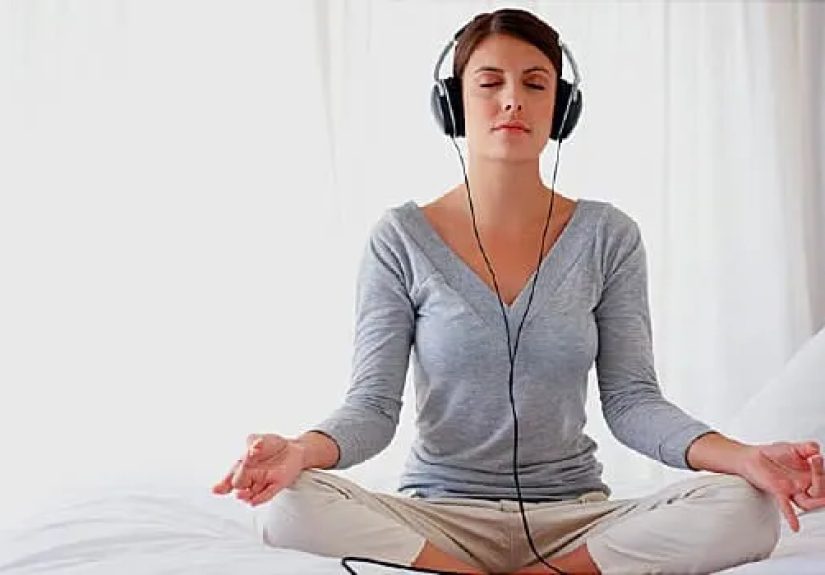
Traditional mindfulness training has been used in programs such as mindfulness-based stress reduction and mindfulness-based cognitive therapy. Apps make these practices easier to access. Instead of driving to a class, finding a cushion, and wondering whether you are “doing it right,” you can start with three minutes and a pair of earbuds.
How Mindfulness Apps May Help Your Health
Mindfulness apps are not all identical, but many are built around practices that have been studied for years. Meditation and mindfulness have been linked with improvements in stress, anxiety symptoms, sleep quality, mood, pain coping, attention, and emotional regulation. Apps may help because they lower the barrier to starting and make practice easier to repeat.
1. They Can Reduce Everyday Stress
Stress is one of the biggest reasons people download mindfulness apps. A guided meditation can help slow breathing, relax tense muscles, and shift attention away from racing thoughts. That matters because stress is not just a mood; it affects sleep, digestion, blood pressure, headaches, concentration, and even how patient you are with people who reply “k” to a thoughtful message.
Mindfulness apps often teach users to pause before reacting. Instead of spiraling through every possible disaster, you learn to notice, breathe, and choose your next step. This does not erase stressful events, but it may change your relationship with them. A school deadline, work email, or family disagreement may still exist, but your body does not always have to respond as if a bear has entered the kitchen.
2. They May Help With Anxiety Symptoms
Many users report that mindfulness apps help them manage worry. This makes sense. Anxiety often pulls attention into the future: what might happen, what could go wrong, what someone meant by that weird punctuation mark. Mindfulness brings attention back to what is happening now.
Guided exercises can teach users to identify anxious thoughts without treating every thought as a fact. For example, instead of “I am going to fail,” mindfulness practice may help you label it as “I am having a worried thought.” That small difference can create space. And sometimes, space is exactly what the nervous system needs.
Still, mindfulness apps should not replace professional support for persistent or severe anxiety. They can be a helpful add-on, especially for mild to moderate stress, but they are not a substitute for therapy, medical care, or crisis support when someone needs immediate help.
3. They Can Support Better Sleep
Sleep is another major reason people turn to meditation apps. Many apps include bedtime meditations, calming stories, soundscapes, breathing exercises, and body scans. These tools can help quiet pre-sleep arousal, which is the fancy term for lying in bed while your brain decides to replay an awkward conversation from 2018.
Mindfulness at bedtime may help users notice tension, slow down breathing, and transition away from stimulation. A calm routine also teaches the brain that sleep is coming. Over time, this repeated cue can be useful for people who struggle to wind down.
However, the app itself should not become another reason to stare at a bright screen until midnight. For best results, start the session, dim the screen, turn the phone face down, and let the audio guide the practice. Your future well-rested self may send a thank-you note.
4. They May Improve Focus and Emotional Regulation
Mindfulness trains attention. That does not mean you will suddenly become a productivity wizard who organizes their desk by sunrise. It means you may become a little better at noticing when your mind wanders and gently bringing it back.
This skill can help with studying, work, conversations, and decision-making. Apps that offer short focus sessions can be especially useful for beginners because they make the practice feel manageable. Two to ten minutes may be enough to build consistency, especially for people who would never start if told they had to meditate for an hour while sitting perfectly still like a decorative statue.
5. They Can Help You Build a Healthier Routine
One underrated benefit of mindfulness apps is structure. They remind you to practice, track streaks, suggest sessions, and offer beginner-friendly paths. This can turn mindfulness from a vague idea into a daily habit.
For many people, the best health habit is not the most dramatic one. It is the one they actually repeat. A five-minute morning meditation done four days a week may be more helpful than a heroic 45-minute session done once and then abandoned forever because life got busy and the laundry formed a small mountain range.
What the Research Says About Mindfulness Apps
Research on mindfulness apps is growing quickly. Studies and reviews suggest that app-based mindfulness may improve stress, mental well-being, sleep, depressive symptoms, and anxiety symptoms for some users. Some randomized trials have found benefits from structured app programs, especially when people use them consistently over several weeks.
That said, the evidence is not equally strong for every app, every claim, or every health condition. Some studies are small. Some focus on specific groups, such as adults with sleep disturbance, working adults, or college students. Some apps have stronger research behind them than others. And some wellness marketing is much more confident than the science deserves.
The fairest summary is this: mindfulness apps can be helpful, especially for stress and self-management, but results vary. They are most effective when they teach evidence-based practices, encourage realistic habits, protect user privacy, and do not pretend to replace professional care.
Where Mindfulness Apps Fall Short
Mindfulness apps are convenient, but convenience is not the same as guaranteed effectiveness. Before you let an app become your tiny pocket guru, it is worth understanding its limits.
They Are Not Personalized Medical Care
An app cannot fully understand your medical history, mental health background, medications, trauma history, sleep disorders, or life circumstances. It may provide helpful guidance, but it cannot diagnose, monitor risk, or adjust treatment the way a qualified professional can.
If someone is dealing with intense emotional distress, panic, ongoing depression, trauma symptoms, or health concerns that interfere with daily life, a mindfulness app may be supportive, but it should not be the only plan.
Some Apps Make Big Claims With Thin Evidence
There are thousands of wellness and mental health apps available, and not all are backed by strong research. Some use science-flavored language without proving that their specific program works. Words like “clinically inspired,” “science-based,” and “expert designed” sound impressive, but they are not the same as peer-reviewed evidence.
Look for apps that clearly explain who created the content, whether trained professionals were involved, what research supports the program, and what the app is designed to do. A good app should be honest about benefits and limits.
Privacy Matters More Than People Realize
Mindfulness apps may collect sensitive information, such as mood logs, sleep patterns, journal entries, health goals, location data, or usage habits. That information can be personal. Before using an app, check its privacy policy, data-sharing practices, account settings, and options for deleting your data.
Be especially careful with apps that ask for more information than they need. A timer does not need your entire life story. If a meditation app behaves like it is applying for a security clearance, pause before sharing.
Mindfulness Can Feel Uncomfortable for Some People
Most people think meditation means instant calm, but sometimes sitting quietly makes you notice stress more clearly at first. That does not mean you failed. It may mean your mind finally has enough silence to show you what has been running in the background.
For some people, especially those with trauma histories or severe anxiety, certain practices may feel uncomfortable. Grounding exercises, movement-based mindfulness, eyes-open meditation, or guided support from a professional may be better options.
How to Choose a Good Mindfulness App
The best mindfulness app is not necessarily the one with the prettiest interface, the most celebrity narrators, or the sound of rain recorded in a forest that probably has better Wi-Fi than your apartment. Choose based on quality, usability, and fit.
Look for Evidence-Based Content
Choose apps that use established techniques such as breath awareness, body scans, loving-kindness meditation, mindful movement, stress education, and sleep relaxation. Bonus points if the app includes content created or reviewed by psychologists, meditation teachers, physicians, or researchers.
Start With Short Sessions
Beginners often do better with short practices. Three to ten minutes is enough to start. Long sessions can be helpful later, but starting small reduces friction. The goal is not to win the Mindfulness Olympics. The goal is to practice regularly.
Check the Privacy Settings
Read the privacy policy before entering sensitive information. Turn off unnecessary permissions. Avoid sharing more than needed. Use anonymous or minimal profile details when possible. If an app offers data deletion controls, learn where they are before you need them.
Choose a Voice You Actually Like
This sounds minor, but it matters. If the narrator’s voice makes you want to throw your phone into a decorative pond, you will not use the app. Try several teachers or styles until you find one that feels comfortable.
Use the App as a Tool, Not a Test
Do not judge your practice by whether your mind wanders. Minds wander. That is their hobby. Mindfulness is not about having no thoughts. It is about noticing thoughts and returning to the present with patience.
Who Benefits Most From Mindfulness Apps?
Mindfulness apps may be especially helpful for people who want a simple way to manage everyday stress, improve bedtime routines, build self-awareness, or learn meditation without attending an in-person class. They can also help people who prefer private, flexible tools and those who feel intimidated by traditional meditation settings.
Students may use them before exams. Office workers may use them between meetings. Parents may use them during five rare minutes of quiet. Athletes may use them for focus. People with busy schedules may use them as a tiny reset button between one demand and the next.
The common thread is consistency. Users who open the app once, expect enlightenment, and then disappear for six weeks are less likely to see meaningful results. Users who treat mindfulness like brushing their teeth for the brain may notice more lasting benefits.
How to Use Mindfulness Apps for Real Results
To get health benefits from a mindfulness app, keep the plan simple and repeatable.
Create a Specific Routine
Choose a time of day and connect the practice to something you already do. For example: meditate after brushing your teeth, listen to a breathing exercise before sleep, or do a two-minute reset after lunch. Habit stacking works because it gives the brain a clear cue.
Track How You Feel, Not Just Your Streak
Streaks can motivate, but they can also become weirdly competitive. Instead of only tracking days completed, notice changes in sleep, patience, focus, mood, and stress recovery. The real win is not a badge. The real win is realizing you did not snap at someone because your coffee order was wrong.
Pair Mindfulness With Other Healthy Habits
Mindfulness works best as part of a larger health routine. Sleep, movement, social connection, nutrition, time outdoors, and professional support all matter. A meditation app cannot out-breathe chronic sleep deprivation, nonstop doomscrolling, or a schedule that treats rest like a luxury subscription.
Know When to Get More Support
If stress, anxiety, low mood, or sleep problems are intense, long-lasting, or interfering with school, work, relationships, or daily responsibilities, consider talking with a licensed health professional. Mindfulness apps can support care, but they should not delay care.
Examples of Mindfulness App Use in Everyday Life
Imagine someone named Jordan who feels tense every Sunday night. Instead of waiting until stress turns into a full mental weather event, Jordan opens a mindfulness app at 8:30 p.m. and does a 10-minute body scan. After two weeks, Sunday night is not perfect, but it feels less chaotic. Jordan still has responsibilities, but the body learns a calmer transition into sleep.
Or take Maya, who gets nervous before presentations. She uses a three-minute breathing exercise before speaking. The app does not make her fearless, but it helps her slow down and speak more clearly. That is a real benefit: not perfection, but better regulation.
Then there is Chris, who downloads five apps, turns on every notification, buys three subscriptions, and becomes stressed about being bad at stress relief. Chris is a reminder that mindfulness should simplify your life, not become another productivity cage match.
So, Do Mindfulness Apps Really Help Your Health?
Yes, mindfulness apps can help your health when used wisely. They may reduce stress, support better sleep, ease mild anxiety symptoms, improve focus, and encourage healthier emotional habits. The best apps make mindfulness easier to practice and easier to repeat, which is where many benefits come from.
But the word “help” is important. Mindfulness apps help; they do not cure everything. They are not a replacement for medical care, therapy, social support, physical activity, or sleep. They are one piece of a realistic wellness plan.
If you choose a reputable app, protect your privacy, start small, and practice consistently, your phone can become more than a distraction machine. It can become a pocket-sized pause button. And honestly, in a world where your phone usually screams for attention, having it gently remind you to breathe is a refreshing plot twist.
Personal Experiences and Real-Life Reflections on Mindfulness Apps
One of the most relatable things about mindfulness apps is that they meet people exactly where they are: tired, distracted, overbooked, mildly suspicious, and possibly sitting in a parked car for three extra minutes because it is the only quiet place available. For many beginners, that accessibility is the difference between “I should meditate someday” and “I just did a five-minute session before answering emails.”
A common experience is skepticism at the beginning. Many people open a mindfulness app expecting either instant calm or total boredom. The first session can feel awkward. You sit there, breathe, and suddenly your brain starts offering a full documentary series: grocery lists, old arguments, random song lyrics, and whether penguins have knees. This is normal. In fact, noticing that mental noise is part of the process. The app gives structure so users do not feel completely lost in the weird theater of their own thoughts.
After a week or two, the benefits often show up quietly. You may not levitate above your chair or become the calmest person in the zip code. Instead, you might notice that you pause before replying to an irritating message. You may fall asleep a little faster. You may catch tension in your shoulders before it becomes a headache. You may recognize that your thoughts are loud, but not always accurate. These small shifts can add up.
Another real-world benefit is emotional vocabulary. Many mindfulness apps encourage users to check in with feelings. At first, someone may only identify “stressed.” Over time, they may learn to distinguish between overwhelmed, disappointed, overstimulated, tired, lonely, or anxious. That matters because naming a feeling can make it easier to respond wisely. “I am exhausted” leads to a different solution than “everything is terrible.” Sometimes the most mindful thing you can do is take a nap, drink water, or stop arguing with strangers online.
Mindfulness apps can also help people create transitions. Modern life often jumps from task to task with no breathing room: wake up, check notifications, rush out, work or study, answer messages, scroll, sleep badly, repeat. A two-minute breathing practice between activities can act like a mental doorway. It tells the body, “We are leaving one mode and entering another.” That is especially helpful before sleep, after stressful conversations, or before focused work.
The downside is that apps can become another thing to optimize. Some users feel guilty when they miss a day or lose a streak. That guilt misses the point. Mindfulness is not about building a perfect digital record. It is about returning. Missed yesterday? Practice today. Got distracted? Begin again. Fell asleep during the session? Congratulations, your body voted for rest.
The best experience with mindfulness apps usually comes from treating them gently. Use them as a guide, not a gradebook. Try different styles. Some people love silent timers. Others prefer guided voices. Some enjoy sleep stories; others find them distracting. Some want science-based lessons; others just need a breathing bubble that expands and contracts like a tiny calm balloon.
In everyday life, mindfulness apps help most when they become practical. Use one before a difficult conversation, after a long commute, during a lunch break, or when bedtime thoughts start forming a committee. The goal is not to escape life. The goal is to meet life with a little more steadiness, a little more awareness, and a little less internal screaming.
So, from a lived-experience perspective, mindfulness apps are worth trying. They are affordable or free in many cases, easy to access, and flexible enough for real schedules. They may not transform your health overnight, but they can help you build the kind of small daily pauses that protect your energy, mood, and attention. And sometimes, one calm breath before the next thing is exactly where better health begins.
Conclusion
Mindfulness apps really can help your health, especially when your goal is to manage everyday stress, improve sleep routines, build focus, and create a calmer relationship with your thoughts. The strongest benefits come from consistent use, realistic expectations, and choosing apps that are transparent, evidence-informed, and privacy-conscious.
They are not miracle cures, and they should not replace professional care when symptoms are serious or persistent. But as part of a broader wellness routine, a mindfulness app can be a surprisingly powerful little tool. Think of it as a gym membership for attention: it only works if you show up, but you do not need to be perfect to make progress.