Table of Contents >> Show >> Hide
- Why Furniture Gets Damaged During a Move
- Furniture Packing Supplies You Should Have Before Moving Day
- Step 1: Clean and Dry Furniture Before Packing
- Step 2: Measure Furniture, Doorways, Hallways, and Stairs
- Step 3: Disassemble Furniture Whenever It Makes Sense
- Step 4: Protect Corners, Edges, Legs, and Fragile Details
- How to Wrap Different Types of Furniture
- How to Pack Furniture for Storage
- How to Load Packed Furniture Into a Moving Truck
- Common Furniture Packing Mistakes to Avoid
- Practical Furniture Moving Checklist
- Extra Real-World Experience: Lessons From Packing Furniture the Hard Way
- Conclusion
Moving furniture is one of those adult life events that looks simple until your sofa gets wedged diagonally in a hallway, your dining chair leg discovers gravity, and your dresser suddenly weighs as much as a small planet. The good news? Packing furniture for moving is not magic. It is a repeatable process: clean it, disassemble what you can, protect delicate surfaces, secure loose parts, and load everything so it does not shift, scrape, crack, or perform interpretive dance inside the truck.
Whether you are moving across town, into storage, or across the country, the goal is the same: your furniture should arrive looking like furniture, not like it survived a bar fight with a staircase. This guide explains how to pack furniture for moving, what supplies you need, how to protect wood, glass, upholstery, leather, mattresses, dressers, tables, chairs, and large items, plus the small details that prevent expensive damage.
Why Furniture Gets Damaged During a Move
Most furniture damage happens for painfully ordinary reasons. A table corner rubs against a truck wall. A dresser drawer slides open. A sofa fabric catches on a metal edge. A glass tabletop is laid flat and cracks under pressure. A wooden headboard gets taped directly, and the finish peels like a bad sunburn. These are not mysterious moving disasters; they are packing mistakes.
Furniture is vulnerable because it is large, heavy, awkward, and often made from several materials at once. A single piece may include wood, metal hardware, glass, fabric, leather, and decorative trim. Each material needs slightly different protection. That is why wrapping every item in one layer of plastic and hoping for the best is not a strategy. It is a polite invitation for scratches.
Furniture Packing Supplies You Should Have Before Moving Day
Before you touch the first chair, gather your supplies. Running out of moving blankets halfway through wrapping a sectional is the packing equivalent of realizing you forgot coffee on a Monday morning.
Essential Supplies
- Moving blankets or furniture pads for large surfaces
- Stretch wrap or mover’s wrap to hold padding in place
- Packing paper or paper padding for wood, leather, and delicate finishes
- Bubble cushioning for corners, legs, knobs, and fragile parts
- Corrugated cardboard sheets or corner protectors
- Painter’s tape or masking tape for temporary labels
- Packing tape for boxes and padding, never directly on finished furniture
- Resealable plastic bags for screws, bolts, washers, and small hardware
- Permanent markers and labels
- Furniture sliders, dollies, moving straps, and work gloves
- Mattress bags, sofa covers, or breathable furniture covers when needed
The rule is simple: use soft materials against the furniture, then stronger materials outside. Paper, blankets, or padding should touch the surface. Stretch wrap, tape, or straps should hold the padding in place. Do not let packing tape touch wood, leather, painted finishes, or upholstery directly unless you enjoy surprise restoration projects.
Step 1: Clean and Dry Furniture Before Packing
Cleaning furniture before a move may sound like one of those “nice if you have time” tasks, but it is practical damage prevention. Dust, grit, crumbs, pet hair, and mystery debris can rub into surfaces during transport. A tiny bit of dirt under a moving blanket can act like sandpaper after several miles of vibration.
Wipe wood furniture with a soft cloth. Vacuum upholstered pieces, including under cushions. Clean crumbs from drawers. Make sure outdoor furniture is completely dry before wrapping it. Moisture trapped under plastic or covers can create odors, mildew, staining, or finish problems, especially if furniture goes into storage.
Step 2: Measure Furniture, Doorways, Hallways, and Stairs
Before packing large furniture, measure it. Then measure the doors, hallways, stair landings, elevator openings, and the path to the moving truck. This step saves time, drywall, and emotional stability.
Measure the width, height, and depth of sofas, dressers, tables, bed frames, cabinets, and appliances. If something barely fit into the home years ago, do not assume it will gracefully float out now. Remove doors from hinges if you need extra clearance. Plan tight turns before lifting. The best time to discover that a sectional needs to be separated is before four people are holding it in a stairwell and negotiating with physics.
Step 3: Disassemble Furniture Whenever It Makes Sense
Disassembling furniture makes it easier to move and easier to protect. Remove table legs, bed frames, headboards, shelves, detachable cushions, glass tops, knobs, and removable hardware when possible. Smaller pieces fit through doorways more easily and reduce stress on joints, screws, and legs.
Take photos before and during disassembly. Photograph how brackets, screws, slats, and connectors fit together. Your future self will thank you when you are reassembling a bed at 10 p.m. and the instruction manual has vanished into another dimension.
How to Keep Hardware Organized
Place screws, bolts, washers, Allen keys, brackets, and small hardware in labeled resealable bags. Write the furniture name on each bag: “queen bed frame,” “dining table legs,” “bookcase shelves,” or “TV stand hardware.” Tape the bag to the wrapped furniture padding, not directly to the furniture finish. For extra safety, keep all hardware bags in one clearly labeled “Furniture Parts” box.
Step 4: Protect Corners, Edges, Legs, and Fragile Details
Corners are damage magnets. They hit walls, truck doors, stair rails, and sometimes the patience of everyone helping you move. Use cardboard corner protectors, folded cardboard, foam, or bubble cushioning on table corners, dresser edges, chair legs, headboards, and exposed trim.
Wrap thin chair legs and table legs individually. Bundle matching legs together only after each one has padding. If a piece has decorative carving, metal pulls, or delicate edges, give those areas extra cushioning. A little padding at the corners is far cheaper than repairing a chipped antique cabinet or explaining to your dining table why it now has a limp.
How to Wrap Different Types of Furniture
Not every piece should be packed the same way. A leather sofa, a wooden dresser, and a glass tabletop all have different enemies. Here is how to protect the most common furniture types during a move.
Wood Furniture
For wood furniture, start with packing paper, paper padding, or a clean soft sheet against the surface. Add moving blankets over the padding, then secure the blankets with stretch wrap or moving bands. Avoid putting plastic wrap directly against wood for long periods, especially in humid conditions or storage, because trapped moisture can affect finishes.
For dressers, cabinets, nightstands, and desks, remove fragile knobs or protruding handles if possible. Secure drawers after the furniture is padded. If drawers contain lightweight clothing, they may stay in place for some moves, but heavy items should be removed to reduce strain and prevent drawer damage.
Upholstered Sofas and Chairs
Vacuum upholstery first. Remove cushions and pillows, then pack them separately in large boxes or plastic bags that are clearly labeled. Cover the sofa or chair with moving blankets, sheets, or breathable furniture covers. Use stretch wrap over the padding to hold everything in place, but do not wrap fabric so tightly that it crushes cushions or traps moisture for a long time.
Pay special attention to arms, backs, and lower edges. These areas scrape easily during loading. If a sofa has removable legs, take them off and bag the hardware. For recliners, secure moving parts so they do not open suddenly during transport. A recliner springing open in a truck is funny only if it belongs to someone else.
Leather Furniture
Leather needs breathable protection. Place a cotton sheet, furniture pad, or soft blanket against the leather before adding any outer wrap. Avoid pressing plastic directly onto leather, especially during long-distance moves or storage. Heat and moisture can create marks, sticking, or finish issues.
Do not stack heavy boxes on leather furniture. Even if the sofa looks sturdy, pressure can leave dents or stretch marks. Load leather pieces where they can breathe, stay upright, and avoid sharp edges.
Glass Tabletops, Mirrors, and Shelves
Remove glass from tables, cabinets, and shelving whenever possible. Wrap each glass piece in packing paper first, then bubble cushioning, then cardboard. For larger glass tops or mirrors, use a mirror box or custom cardboard protection. Always transport glass and mirrors upright, not flat, because flat glass is more vulnerable to pressure and cracking.
Mark these pieces clearly as “FRAGILE” and “GLASS.” Do not place heavy items against them. If you use tape on glass, remember that tape is not structural protection; it may help reduce scattered shards if breakage happens, but proper padding and upright loading are what actually protect the item.
Dining Tables and Chairs
Remove table legs if possible. Wrap the tabletop in moving blankets and protect the corners with cardboard. For chairs, wrap legs, backs, and arms individually. Stack chairs only if they are designed to stack and are padded between contact points. Otherwise, load them upright and secured.
Dining sets often suffer from scratches because pieces rub against each other. Add padding between chair backs, table edges, and any exposed wood. Do not let metal chair frames touch wooden surfaces during transport.
Beds, Headboards, and Mattresses
Take bed frames apart and keep hardware in labeled bags. Wrap headboards and footboards in moving blankets, adding cardboard to corners and decorative edges. For mattresses, use a mattress bag to protect against dirt, moisture, and stains. Keep the mattress bag sealed, but avoid dragging the mattress across rough floors or pavement.
Some mattresses can be moved on their side, while others should not be folded or bent. When in doubt, check the manufacturer’s care guidance. Memory foam, hybrid, and specialty mattresses can be surprisingly sensitive to bending, and nobody wants to sleep on a mattress that now has the posture of a taco.
Bookcases, Cabinets, and Shelving Units
Remove shelves, shelf pins, glass panels, and loose inserts. Wrap shelves together with paper or bubble cushioning between each piece. Protect the main frame with moving blankets, then secure the padding with stretch wrap. If the furniture is tall and narrow, be careful during loading because it can tip easily.
Label shelves and hardware so reassembly is simple. If adjustable shelves have different spacing, take a quick photo before removing them.
How to Pack Furniture for Storage
If furniture will be stored for more than a few days, protection should focus on breathability, dust control, and moisture prevention. Clean and dry everything first. Use moving blankets, cotton sheets, or breathable covers around wood, upholstery, and leather. Avoid sealing furniture tightly in thick plastic for long-term storage because trapped moisture can cause odors, mildew, or finish problems.
Place furniture on pallets, boards, or a protective floor covering if the storage unit floor is concrete. Leave a little space between pieces for airflow. Do not stack heavy boxes on sofas, tabletops, or fragile chairs. If possible, choose climate-controlled storage for valuable wood, leather, antiques, or delicate furniture.
How to Load Packed Furniture Into a Moving Truck
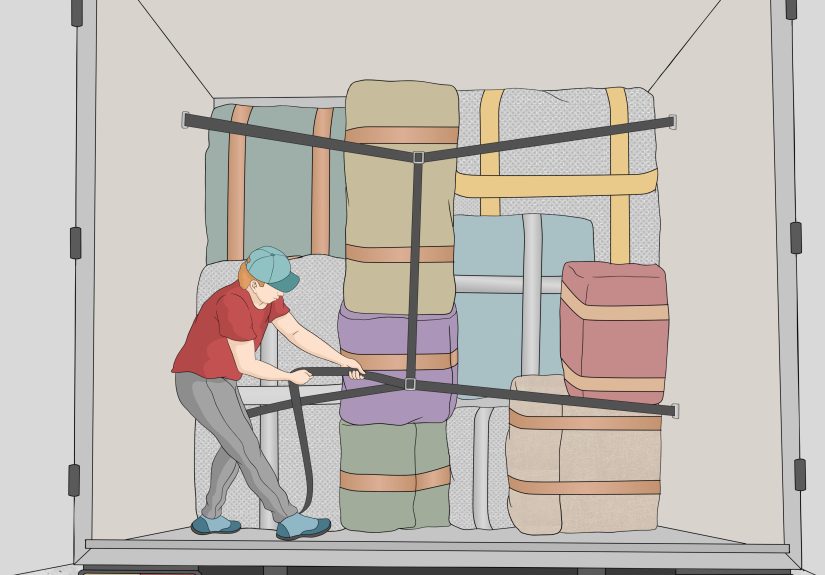
Packing furniture is only half the job. Loading it correctly keeps the protection working. Start with heavy, sturdy furniture and appliances. Place large items against the truck walls and secure them with straps. Use moving blankets between furniture pieces and between furniture and the truck wall.
Load mattresses upright along the side of the truck when possible. Place wrapped mirrors, glass, framed art, headboards, and flat fragile pieces upright between mattresses or padded surfaces. Avoid putting thin-legged tables at the bottom of a stack, because they are not designed to support heavy weight.
Keep metal tools, sharp-edged items, and loose hardware away from upholstered or wooden furniture. One exposed metal bracket can scratch a dresser or puncture a sofa during the drive. Fill empty gaps with soft items such as pillows, bedding, or tightly packed lightweight boxes so furniture cannot shift.
Common Furniture Packing Mistakes to Avoid
Using Tape Directly on Furniture
Packing tape belongs on boxes and packing materials, not on wood, leather, painted surfaces, or fabric. Tape can leave residue, pull off finish, or stain upholstery.
Wrapping Dirty or Damp Furniture
Dust and moisture become bigger problems once furniture is wrapped. Clean and dry everything first, especially outdoor furniture and upholstered pieces.
Skipping the Hardware Bag
Loose screws disappear quickly during a move. Bag, label, and store hardware immediately after removing it.
Underestimating Corners
Corners take the most abuse. Protect them with cardboard, foam, or bubble cushioning before wrapping the full piece.
Loading Without a Plan
Do not simply carry furniture into the truck and hope the puzzle solves itself. Load heavy items first, protect fragile pieces upright, strap large items securely, and prevent shifting.
Practical Furniture Moving Checklist
- Clean and dry every furniture piece before packing.
- Measure furniture, doorways, hallways, stairs, and truck space.
- Take photos before disassembling complicated furniture.
- Remove legs, shelves, cushions, glass, knobs, and detachable parts.
- Place screws and hardware in labeled bags.
- Protect corners, edges, legs, and delicate trim first.
- Use paper or soft padding against furniture surfaces.
- Add moving blankets or furniture pads over the first layer.
- Secure padding with stretch wrap, bands, or tape applied only to padding.
- Label fragile parts clearly.
- Load heavy furniture first and strap it securely.
- Keep glass, mirrors, and flat fragile pieces upright.
- Fill gaps so furniture cannot slide or tip during transport.
Extra Real-World Experience: Lessons From Packing Furniture the Hard Way
The best furniture packing advice often comes from the little mistakes people only make once. One of the most useful lessons is this: the move starts before moving day. If you wait until the truck is outside to decide whether your bed frame should be disassembled, you have already donated your morning to chaos. Take furniture apart the day before if possible. Bag the hardware. Tape the bag to the wrapped part or put it in a single parts box. Then label it like your future happiness depends on it, because it does.
Another practical experience is to wrap furniture in layers, not panic. For example, a wooden dresser should not go straight into stretch wrap. First, remove anything loose. Then place packing paper or a soft sheet against the finish. Add a moving blanket. Then use stretch wrap to hold the blanket snugly. This creates a soft inner layer and a secure outer layer. It also means the tape and plastic never fight directly with the finish.
For sofas, the biggest lesson is to protect the bottom edges. Most people cover the visible fabric and forget the base. But the lower corners are exactly what scrape against door thresholds, truck ramps, and hallway turns. Wrap the arms, back, and lower frame well. Remove the cushions and pack them separately, because loose cushions slide around, fall off, and somehow end up blocking the one door everyone needs to use.
Glass deserves its own warning label. A glass tabletop may look strong, but moving pressure is different from everyday use. Never toss it flat into the truck under boxes. Wrap it, cardboard it, label it, and stand it upright between padded surfaces. The same goes for mirrors. If you hear the phrase “It’ll probably be fine,” add more padding.
Dining chairs are another sneaky challenge. They look light and harmless, but their legs and backs scratch everything nearby. Wrap the legs and corners. Do not stack them bare. If you stack chairs, add padding between contact points. If they do not stack naturally, do not force them into a furniture tower of regret.
Finally, remember that moving is not a strength contest. Use sliders, dollies, straps, and extra hands. Clear the pathway before lifting. Protect floors and walls. Communicate before turning corners. The smoothest moves are not the ones where people carry the most at once; they are the ones where nobody rushes, nothing shifts, and every large item has a plan. Furniture is expensive, awkward, and emotionally attached to your home. Treat it like cargo with feelings, and it will reward you by arriving without dents, cracks, or dramatic new “character marks.”
Conclusion
Learning how to pack furniture for moving is really about slowing down before the heavy lifting begins. Clean each piece, disassemble what you can, protect corners and surfaces, use the right padding, secure everything properly, and load the truck with intention. The extra time you spend wrapping a table, labeling hardware, or padding a sofa arm is much cheaper than repairing scratches, replacing broken glass, or hunting for missing bed-frame bolts at midnight.
A successful move does not require professional-level perfection. It requires preparation, common sense, and enough moving blankets to make your furniture feel like it is going to a spa instead of a truck. Pack carefully, lift safely, and your furniture can arrive ready for the next chapter of your home.
Note: This article was written in standard American English and synthesized from real moving, storage, and home-improvement best practices. Source links and unnecessary citation placeholders were intentionally omitted from the HTML body for clean web publishing.