Table of Contents >> Show >> Hide
- Yes, Medicare May Cover EpiPen, but Usually Under Part D
- What Part of Medicare Covers EpiPen?
- How Much Does EpiPen Cost With Medicare?
- Why Two Auto-Injectors Matter
- Does Medicare Cover Generic EpiPen?
- How to Check Whether Your Medicare Plan Covers EpiPen
- What If Your Plan Does Not Cover EpiPen Well?
- Common Situations and Examples
- FAQ: Does Medicare Cover EpiPen?
- Real-World Experiences With Medicare and EpiPen Coverage
- Conclusion
- SEO Tags
Note: Coverage depends on your specific Medicare drug plan, its formulary, your pharmacy, and whether you use brand-name EpiPen or a generic epinephrine auto-injector.
If you have severe allergies, this question is not just a budgeting exercise. It is a “please tell me I will not have to choose between breathing and groceries” kind of question. The good news is that Medicare can cover EpiPen. The catch, because American healthcare rarely misses a chance to add plot twists, is that coverage usually comes through Medicare Part D or a Medicare Advantage plan with drug coverage, not through Original Medicare Part B when you are simply picking up an EpiPen at the pharmacy.
That means the real answer is: yes, Medicare may cover EpiPen, but your out-of-pocket cost depends on your plan’s drug list, tier, deductible, pharmacy network, and whether you use the brand or a generic epinephrine auto-injector. In other words, Medicare is not saying “absolutely not,” but it is also not handing out one universal price tag with a smiley face sticker.
In this guide, we will break down how Medicare coverage works for EpiPen, what costs to expect, how brand and generic versions compare, when Part B might matter, and how to keep your costs from turning into their own allergic reaction.
Yes, Medicare May Cover EpiPen, but Usually Under Part D
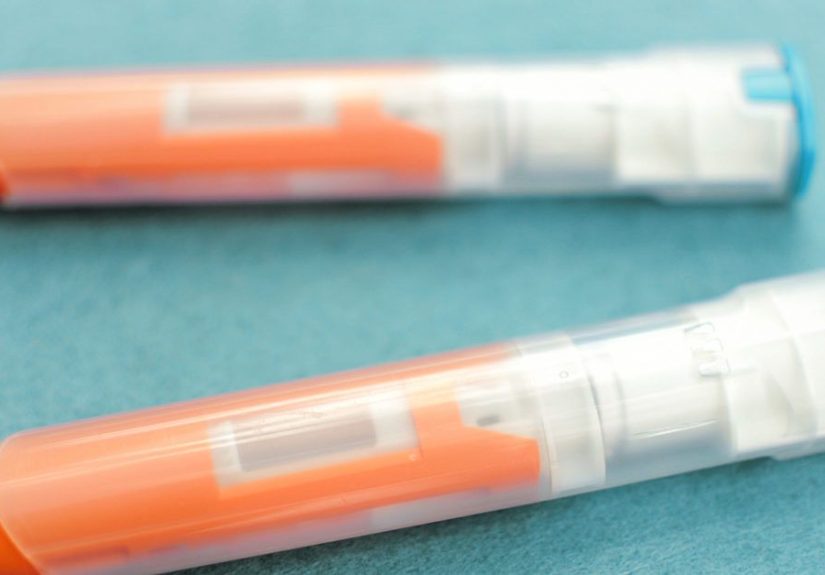
EpiPen is a prescription epinephrine auto-injector used for the emergency treatment of anaphylaxis, a severe allergic reaction that can happen after exposure to foods, insect stings, medications, or other triggers. Since an EpiPen is typically prescribed for you to carry and use yourself, Medicare generally treats it as a self-administered outpatient prescription drug. That usually places it under Medicare Part D rather than Part B.
So if you are enrolled in Original Medicare and want coverage for an EpiPen you pick up at a retail pharmacy, you generally need a stand-alone Part D plan. If you are enrolled in a Medicare Advantage plan that includes prescription coverage, often called an MA-PD plan, that drug coverage is usually built into the plan.
What Medicare does not do is promise that every plan covers every version of every drug in exactly the same way. Each Part D plan has its own formulary, which is the official list of covered drugs. One plan may cover brand-name EpiPen at a higher tier, another may prefer a generic epinephrine auto-injector, and another may attach rules like prior authorization or quantity limits. Same medicine purpose, different insurance drama.
What Part of Medicare Covers EpiPen?
Medicare Part D
This is the section of Medicare that most often covers EpiPen. Part D helps pay for many outpatient prescription medications, including brand-name and generic drugs obtained at a pharmacy. If your plan includes EpiPen or a generic epinephrine auto-injector on its formulary, you will usually pay a share of the cost based on:
- Your monthly premium
- Your annual deductible
- The drug’s formulary tier
- Your copayment or coinsurance
- Whether you use a preferred in-network pharmacy
For 2026, the standard Part D deductible can be as high as $615. Medicare also now includes a yearly out-of-pocket cap of $2,100 for covered Part D drugs. That cap is important for people with high medication needs, although it does not mean every prescription suddenly becomes cheap on day one. You still move through the plan’s cost-sharing rules during the year until you hit the cap.
Medicare Advantage With Drug Coverage
Many Medicare Advantage plans include Part D drug benefits. If you get your Medicare through one of these plans, your EpiPen coverage will usually be determined by that plan’s formulary and pharmacy rules. The medical side and drug side may live under one insurance card, but the same logic still applies: check the formulary, confirm the tier, and see whether the plan prefers a generic.
Original Medicare Part B
Part B generally covers a limited set of outpatient drugs, especially medications that are not usually self-administered and are given in a doctor’s office or hospital outpatient setting. Since an EpiPen is designed for you or a caregiver to use during an emergency, it usually does not fall under routine Part B pharmacy coverage. In practical terms, if you are carrying an EpiPen in your purse, backpack, kitchen drawer, or glove compartment, Part D is the coverage lane you should think about first.
How Much Does EpiPen Cost With Medicare?
There is no single national Medicare price for EpiPen. What you pay depends on the exact plan and product. Two people with Medicare can walk into two different pharmacies with two different plans and get two different price quotes for what looks like the same prescription. Few things say “insurance” quite like that sentence.
Here are the biggest factors that affect your cost:
1. Brand Name vs. Generic
Brand-name EpiPen is often more expensive than a generic epinephrine auto-injector. Some plans place the brand product on a higher tier, which can mean a higher copay or coinsurance. A generic version may be cheaper and easier to access, depending on your plan.
2. Your Deductible
If you have not met your Part D deductible, you may pay more at the beginning of the year. This is one reason January pharmacy trips sometimes feel emotionally identical to opening a credit card statement after the holidays.
3. Pharmacy Network
Preferred network pharmacies often offer lower costs than standard network pharmacies. If you fill your prescription outside your plan’s network, the price may be higher or not covered except in limited situations.
4. Formulary Tier
Drugs on lower tiers typically cost less than drugs on higher tiers. If EpiPen is on a higher tier but the generic is on a lower one, your wallet will definitely notice.
5. Utilization Rules
Some plans may use prior authorization, quantity limits, or even step therapy. For an emergency allergy medication, quantity limits are especially relevant because many patients are advised to keep more than one two-pack in key locations such as home, school, work, or when traveling.
Why Two Auto-Injectors Matter
Epinephrine is the first-line treatment for anaphylaxis. Medical groups emphasize that delaying epinephrine can be dangerous. Auto-injector packages are commonly sold in two-packs because a second dose may be needed before emergency help arrives. That is one reason cost matters so much here: people are not buying a “nice to have” gadget. They are paying for fast access to a potentially life-saving medication.
If your doctor prescribes more than one pack so you can keep devices in multiple places, your plan may apply quantity limits. That does not always mean “no,” but it may mean extra paperwork or a conversation with your prescriber.
Does Medicare Cover Generic EpiPen?
Often, yes. In fact, the generic route is frequently the best place to start if you are trying to keep costs manageable. The FDA has approved multiple epinephrine auto-injector products, including EpiPen and authorized or generic alternatives. Many Part D plans are more favorable toward generics because they lower plan costs and member costs at the same time. That is one of the rare moments in health insurance when everyone in the room can nod together.
Still, “generic” does not always mean “cheap enough to ignore.” Even generic epinephrine auto-injectors can be expensive depending on your deductible and plan design. But if your plan covers both the brand and generic, the generic version is often worth asking about first.
How to Check Whether Your Medicare Plan Covers EpiPen
If you want the least annoying path forward, use this checklist:
- Check your plan’s formulary. Search for “EpiPen,” “EpiPen Jr,” “epinephrine auto-injector,” and any generic equivalents.
- Look at the tier. Lower tiers usually mean lower costs.
- Check utilization rules. See if prior authorization or quantity limits apply.
- Compare pharmacies. Your plan may offer better pricing at preferred pharmacies.
- Ask your prescriber about generic options. This can make a meaningful difference.
- Review your Annual Notice of Change each fall. Formularies and cost-sharing can change from year to year.
If your current plan does not cover the product you need well, Medicare’s annual open enrollment period is when many beneficiaries compare plans for the next year. A drug that is affordable under one plan may be oddly pricey under another, so shopping around can be worth the hassle.
What If Your Plan Does Not Cover EpiPen Well?
You still have options, and no, none of them involve politely negotiating with a peanut.
Ask for a Formulary Exception
If your doctor believes you need a specific product that is not covered or is on a high-cost tier, you may be able to request a formulary exception. Approval is not automatic, but it is a real process and worth exploring when there is a clinical reason for a particular device.
Switch to a Generic
If your plan treats the brand harshly but covers a generic epinephrine auto-injector more favorably, this can be the simplest money-saving move.
Use Extra Help
Medicare’s Extra Help program assists people with limited income and resources by reducing Part D premiums, deductibles, and copays. For beneficiaries who qualify, this can make a significant difference in the cost of medications like EpiPen.
Use the Medicare Prescription Payment Plan
This program does not lower the total price of a covered prescription, but it can spread your out-of-pocket costs over the calendar year instead of hitting you with a painful pharmacy bill all at once. If your EpiPen refill lands early in the year before you have met your deductible, this payment option may help with cash flow.
Common Situations and Examples
Example 1: Linda has Original Medicare and a stand-alone Part D plan. Her plan covers a generic epinephrine auto-injector on a preferred generic tier. She still pays more in January because she has not met her deductible, but after that, her refill cost drops.
Example 2: James has a Medicare Advantage plan with drug coverage. His plan covers brand-name EpiPen, but it is placed on a higher tier with quantity limits. His allergist submits documentation explaining why he needs more than one two-pack, and the plan approves the request.
Example 3: Maria qualifies for Extra Help. Her prescription cost is much more manageable than it would be under standard Part D cost-sharing, and she also avoids the shock of paying the full deductible amount out of pocket.
FAQ: Does Medicare Cover EpiPen?
Does Medicare Part B cover EpiPen?
Usually no, at least not when you are filling a prescription to carry with you. Part B generally covers drugs that are not usually self-administered and are given in clinical settings.
Does Medicare Part D cover EpiPen?
Often yes, but coverage depends on whether your specific plan includes EpiPen or a generic epinephrine auto-injector on its formulary.
Is generic epinephrine covered more often than brand-name EpiPen?
It may be. Many plans favor generics with lower tiers and lower out-of-pocket costs, but you should always verify your own plan’s formulary.
Can Medicare cover more than one EpiPen pack?
Possibly, but your plan may impose quantity limits. If you need additional devices for home, travel, or other settings, your doctor may need to provide supporting documentation.
What if I cannot afford my EpiPen even with Medicare?
Check whether you qualify for Extra Help, ask about generic options, compare network pharmacies, consider the Medicare Prescription Payment Plan, and review alternative Part D plans during open enrollment.
Real-World Experiences With Medicare and EpiPen Coverage
People dealing with severe allergies often describe the Medicare side of the EpiPen question as less of a yes-or-no issue and more of a scavenger hunt. The first surprise is usually learning that having Medicare does not automatically mean every prescription is covered in the same way. Someone may assume that because they have good doctor coverage, their emergency allergy medication will be straightforward too. Then the pharmacy says the plan prefers a different product, the price changes depending on the month, or the prescription needs prior authorization. Suddenly, a device designed for emergencies comes with a mini-adventure in paperwork.
Another common experience is the brand-versus-generic conversation. Many beneficiaries walk into the pharmacy expecting “EpiPen” to function like a generic household term, only to learn that the insurance plan may cover a generic epinephrine auto-injector more favorably. That moment can feel confusing, especially for people who have used one brand for years or who are caregivers trying to keep instructions simple for family members. The practical lesson is that device names matter, and plan preferences matter too.
Caregivers often face an extra layer of stress. A person with severe allergies may want one two-pack at home, another in a purse or backpack, and maybe another with a spouse, child, or caregiver. That is medically understandable. Financially, it can be messy. Medicare drug plans may place quantity limits on how many auto-injectors are covered at one time, so families can end up asking their doctor to explain why multiple sets are needed. For people managing several health conditions at once, it can feel exhausting to prove that an emergency allergy medicine is not exactly optional.
There is also the timing problem. Some beneficiaries report that early-year refills are the toughest because they are still working through the deductible. The same prescription can feel wildly more affordable later in the year than it did in January. For retirees on fixed incomes, that uneven timing matters. A bill that is technically “covered” can still be hard to pay all at once. That is why programs like Extra Help or the Medicare Prescription Payment Plan matter in real life, not just in policy brochures.
Then there is the emotional side, which does not show up neatly on formulary documents. People carrying epinephrine are not buying a convenience item. They are trying to be ready for a severe reaction that could become life-threatening fast. When coverage is smooth, beneficiaries usually describe enormous relief. When coverage is patchy, they often describe frustration, confusion, and a lingering fear of not having enough devices where they need them. That is why the smartest approach is usually proactive: check the formulary before you need the refill, ask whether the generic is covered better, confirm the pharmacy network, and talk with your prescriber about documentation if you need multiple devices.
In short, the lived experience behind “Does Medicare cover EpiPen?” is not just about insurance mechanics. It is about access, timing, predictability, and peace of mind. The goal is not merely to have coverage on paper. The goal is to have the right epinephrine auto-injector in your hand, at a cost that does not make you hesitate to refill it.
Conclusion
So, does Medicare cover EpiPen? Usually yes, but most often through Medicare Part D or a Medicare Advantage drug plan, not through Original Medicare Part B when you fill it at a pharmacy. The details matter: your plan’s formulary, whether the brand or generic is preferred, the pharmacy you use, your deductible, and whether utilization rules apply.
If you rely on an epinephrine auto-injector, do not wait until the device is about to expire or the allergy season from hell has already started. Check your plan now, compare the brand and generic versions, ask about quantity limits, and look into Extra Help or the Medicare Prescription Payment Plan if cost is a barrier. Because in an emergency, the only surprise you want is how quickly you were prepared.