Table of Contents >> Show >> Hide
- Why DIY Patio Furniture Is Worth Building
- Best Materials for DIY Outdoor Furniture
- Favorite DIY Outdoor Patio Furniture Ideas
- 1. A Modern Outdoor Sofa
- 2. The Classic Adirondack Chair
- 3. A Simple Slatted Garden Bench
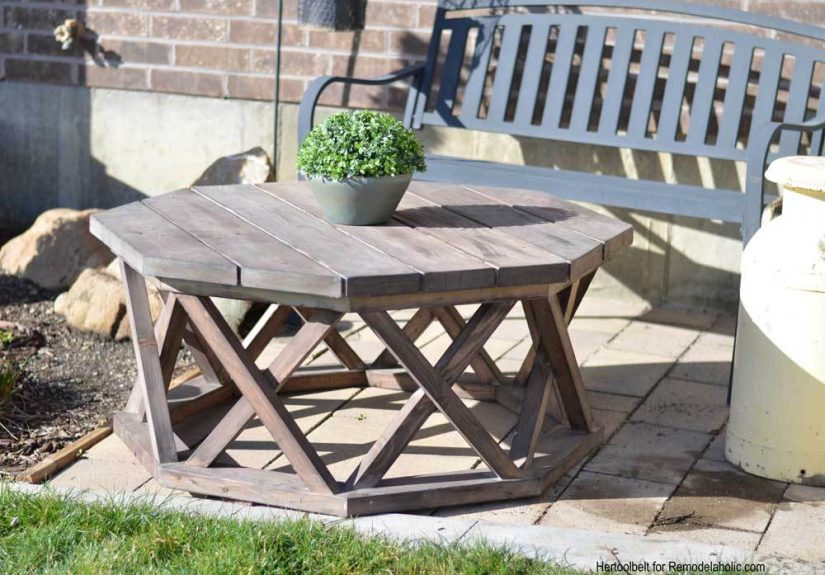
- 4. A Farmhouse-Style Patio Dining Table
- 5. A Rolling Outdoor Bar Cart
- 6. Nesting Side Tables
- 7. A Storage Coffee Table
- 8. A Pallet-Inspired Lounge
- 9. A Space-Saving Railing or Wall-Mounted Table
- 10. A Built-In Corner Bench
- Design Details That Make Homemade Furniture Better
- How to Finish and Protect DIY Patio Furniture
- Common DIY Outdoor Furniture Mistakes
- Experience Notes: What a Weekend Patio Furniture Build Really Teaches You
- Conclusion
A patio becomes genuinely useful when it has furniture designed for the way you actually live. Not the imaginary version of you who hosts elegant sunset dinners every Thursday, but the real version who wants a comfortable chair, a place for cold drinks, and somewhere to put the gardening gloves before they mysteriously migrate indoors.
Building your own outdoor furniture lets you control the dimensions, materials, colors, comfort, and cost. A narrow balcony can gain a perfectly fitted bench. A large deck can become an outdoor living room with a modular sectional. Even a tired patio can feel intentional after the addition of one sturdy table and two well-proportioned chairs.
The following favorite DIY outdoor patio furniture ideas balance attractive design with realistic construction. They also account for the less glamorous realities of outdoor life: rain, intense sun, shifting temperatures, muddy shoes, spilled lemonade, and squirrels that behave as though they own the property.
Why DIY Patio Furniture Is Worth Building
Store-bought patio sets are convenient, but they often force homeowners to compromise. The sofa may be too deep, the dining table may block a walkway, or the chairs may look wonderful while providing roughly the same comfort as a decorative rock.
DIY outdoor patio furniture solves those problems because the project begins with your space. You can shorten a bench to fit between planters, raise a table for bar-height seating, add hidden storage, or build several modular seats that can be rearranged when guests arrive.
Homemade furniture also makes repairs simpler. When a slat cracks, you know how it was installed and what material was used. There is no need to hunt for a discontinued replacement part from a collection last seen during the previous decade.
Start With Function, Not a Shopping List
Before buying lumber, decide what the patio needs to do. A dining area requires stable chairs, generous tabletop space, and room for people to pull their seats back. A conversation area benefits from lower seating, side tables, and pieces arranged to face one another. A small balcony needs furniture that is narrow, foldable, movable, or capable of performing more than one job.
Use painter’s tape or chalk to mark the proposed furniture footprint. Then walk through the space while imagining doors opening, chairs moving, and guests carrying plates. This simple exercise can prevent the classic DIY discovery that your beautiful new table has transformed the back door into an emergency exit obstacle course.
Best Materials for DIY Outdoor Furniture
Outdoor furniture survives longer when its materials match the environment. Moisture, sunlight, insects, and temperature changes can cause wood to swell, shrink, split, fade, or decay. Good design cannot make interior-grade particleboard suddenly enjoy thunderstorms.
Cedar
Cedar is a favorite for DIY outdoor furniture because it is relatively lightweight, easy to cut, and naturally resistant to decay. Its warm color works with traditional, rustic, and modern patio designs. Cedar can be left to weather into a silvery gray or protected with an exterior stain that preserves more of its original color.
Redwood and Cypress
Redwood and cypress are also naturally durable choices. Availability and price vary by region, but both can produce beautiful outdoor benches, chairs, and tables. Pre-drilling near board ends is smart because even high-quality outdoor lumber can split when a screw is driven too aggressively.
Pressure-Treated Lumber
Pressure-treated lumber is budget-friendly and widely available. It is especially useful for structural frames, heavy benches, and furniture that may remain exposed year-round. Fresh treated boards can contain considerable moisture, so allow them to dry as recommended before applying paint or stain. Use fasteners approved for treated lumber and follow the manufacturer’s instructions for cutting, handling, finishing, and disposal.
Exterior-Grade PVC and Composite Boards
Furniture-grade PVC and composite materials resist rot and require less refinishing than natural wood. They are useful in humid, rainy, or coastal environments. They may cost more initially, but their low-maintenance performance can make them attractive for homeowners who prefer sitting on patio furniture to sanding it every spring.
Exterior Hardware Matters
Choose stainless steel, hot-dipped galvanized, or otherwise exterior-rated screws and bolts. Indoor fasteners can corrode, stain surrounding wood, and weaken important joints. For furniture near salt air or pools, stainless steel hardware is often the safer long-term choice.
Favorite DIY Outdoor Patio Furniture Ideas
1. A Modern Outdoor Sofa
A boxy outdoor sofa is one of the most useful patio projects because its straight cuts and repeated components are approachable for intermediate beginners. A typical frame can be built from exterior-rated 2-by lumber with broad armrests, a slatted seat, and an angled or upright back.
Design the sofa around cushions that are readily available. Buying cushions first prevents the expensive surprise of building a lovely frame that fits no known cushion size on Earth. Leave small gaps between seat slats so water can drain and air can circulate beneath the cushions.
For additional flexibility, build two armless sections and one corner section instead of one long sofa. Modular pieces can become a sectional, separate chairs, or an outdoor daybed depending on the occasion.
2. The Classic Adirondack Chair
The Adirondack chair remains a backyard favorite because its wide arms, sloped seat, and angled back encourage serious lounging. The arms can support a drink, a book, or the plate you promised yourself you would carry back inside ten minutes ago.
This project requires more angled cuts and shaped components than a basic bench, so templates are helpful. Build a test chair before producing a full set. Small adjustments to the seat angle, back curve, or arm height can significantly improve comfort.
A painted Adirondack chair creates a cheerful focal point, while a stained cedar version blends naturally into a garden. Add a matching footstool for maximum relaxation and minimum productivity.
3. A Simple Slatted Garden Bench
A garden bench is an excellent first outdoor furniture project. The design can be as simple as two sturdy leg assemblies connected by seat rails and evenly spaced slats. A center support helps prevent longer benches from sagging over time.
Place the bench near a flower bed, under a shade tree, or along the edge of a patio. For extra usefulness, widen the armrests enough to hold a mug or small planter. A backless version can slide beneath an outdoor dining table when it is not needed.
Storage benches are especially practical, but the interior must be designed carefully. Include drainage holes, ventilation, and a slightly sloped or weather-shedding lid. Outdoor storage should release moisture rather than seal it inside like a tiny wooden sauna.
4. A Farmhouse-Style Patio Dining Table
A substantial outdoor dining table creates a natural gathering place. Farmhouse-style designs work well because their thick aprons, sturdy legs, and visible joinery suit outdoor settings. A trestle base can also provide more legroom than four corner legs.
Do not glue tabletop boards tightly edge to edge unless the design and material specifically allow it. Outdoor boards expand and contract as moisture conditions change. Spaced slats provide drainage and make seasonal movement less troublesome.
A table approximately 36 to 40 inches wide offers enough room for place settings and serving dishes without making conversation feel like a long-distance phone call. Benches can save space, while individual chairs provide easier access and better back support.
5. A Rolling Outdoor Bar Cart
A DIY bar cart adds serving space without permanently occupying the patio. Build it with two shelves, exterior-rated casters, and a top large enough for drinks, grilling tools, or food preparation. Locking casters prevent the cart from wandering away when the patio is slightly sloped.
Add hooks for towels and utensils, a bottle opener, and a removable bin for ice. A cart can also serve as a gardening station, plant display, or mobile coffee bar. Few pieces of furniture work harder while looking as though they are simply waiting for a party.
6. Nesting Side Tables
Nesting tables are ideal for compact patios because the smaller tables slide beneath the largest one. Pull them apart when guests need extra surfaces, then stack them together to restore walking room.
Keep the design simple: four legs, a supported slatted top, and dimensions that allow each table to clear the one below it. Paint the set in one color for a clean modern look or use coordinating shades for a playful effect.
7. A Storage Coffee Table
An outdoor coffee table can provide hidden space for furniture covers, pillows, toys, or gardening supplies. Use a hinged top with exterior-rated hardware and install a lid support to prevent the top from dropping unexpectedly.
For safety, include ventilation and drainage. If cushions will be stored inside, place them in a breathable protective bag rather than assuming a wooden box is completely waterproof. Raised feet or glides keep the table base away from standing water.
8. A Pallet-Inspired Lounge
Pallet-style furniture is popular because its broad platforms and low profile create a casual lounge atmosphere. However, unknown or damaged shipping pallets can contain contaminants, hidden nails, or badly weakened boards. A safer approach is to reproduce the pallet look using new, exterior-appropriate lumber.
Build a low rectangular base, add a slatted back, and finish it with thick outdoor cushions. The result delivers the relaxed reclaimed style without requiring an archaeological investigation into where the original pallet has been.
9. A Space-Saving Railing or Wall-Mounted Table
Small balconies and narrow patios benefit from furniture that uses vertical space. A properly supported folding table can attach to a wall or suitable railing, providing room for breakfast, a laptop, or a pair of drinks. Fold it down when it is not needed.
Confirm that the supporting structure can safely carry the intended load. Use sturdy brackets, exterior hardware, and a positive locking mechanism. Never attach a heavy table to decorative trim or an unstable railing.
10. A Built-In Corner Bench
An L-shaped corner bench makes efficient use of an underused patio edge. It can create substantial seating without filling the center of the space with chair legs. Pair it with a rectangular table for dining or a low coffee table for conversation.
A built-in bench should still be designed for drainage and cleaning access. Avoid trapping leaves and moisture between the furniture and a wall. Removable seat panels can provide access to storage or make seasonal maintenance easier.
Design Details That Make Homemade Furniture Better
Build Around Human Comfort
Comfort depends on proportions, not merely cushions. Dining seats are generally more upright, while lounge furniture can have a deeper seat and a more relaxed back angle. Very deep seating may feel luxurious to tall adults but uncomfortable to shorter users whose feet no longer reach the floor.
Mock up critical dimensions using scrap lumber, boxes, or an existing chair. Sit down, lean back, and test arm placement. Ten minutes of experimentation can prevent years of pretending that an awkward chair is “actually pretty comfortable once you get used to it.”
Encourage Water to Leave
Water should never be invited to settle into a joint. Space slats slightly, avoid flat ledges where rain can collect, and round or ease exposed edges. Raise legs on durable glides when possible. End grain absorbs moisture readily, so seal it carefully and avoid placing it directly on wet soil.
Use Outdoor-Rated Cushions
Choose cushion foam and fabric intended for outdoor use. Performance fabrics resist fading, moisture, and stains more effectively than ordinary indoor upholstery. Removable zippered covers simplify cleaning, while breathable or quick-draining inserts help cushions dry after rain.
Even weather-resistant cushions last longer when they are protected during extended storms or off-season months. Store them only after they are completely dry; otherwise, mildew may treat the storage box as an invitation rather than a deterrent.
How to Finish and Protect DIY Patio Furniture
A durable finish begins with preparation. Sand rough surfaces, soften sharp edges, remove dust, and make sure the wood is clean and sufficiently dry. Pay special attention to end grain, cut edges, joints, and the bottoms of legs.
Exterior paint provides strong ultraviolet protection and offers nearly unlimited color choices. Use an exterior primer where required, followed by thin, even coats of exterior-rated paint. For metal furniture, remove loose rust and use a compatible rust-inhibiting primer and exterior coating.
Exterior stain allows more of the wood grain to remain visible. Penetrating stains are often easier to refresh than thick film finishes because they are less likely to peel. Clear finishes can preserve a natural appearance, but they may require more frequent maintenance in intense sunlight.
Inspect furniture at least once or twice each year. Tighten loose fasteners, clean dirt from joints, touch up worn finishes, and look for cracks or trapped moisture. Furniture covers can help, but breathable covers are preferable to tightly wrapped plastic that traps condensation.
Common DIY Outdoor Furniture Mistakes
One common mistake is choosing lumber based only on price. A cheap board with severe twisting, large cracks, or unstable knots can create alignment problems and weak joints. Select the straightest pieces available, particularly for legs, rails, and long tabletops.
Another mistake is skipping pilot holes. Outdoor lumber can split near the ends, especially when large screws are driven without preparation. Pilot holes and countersinks produce cleaner joints and reduce stress on the wood.
Builders also underestimate the value of diagonal bracing and center supports. A piece may look sturdy immediately after assembly but begin to rack or sag after repeated use. Test the frame before finishing it. Sit on it, push it gently from different directions, and reinforce any movement that should not be there.
Finally, do not sacrifice safe construction for hidden fasteners. Pocket screws and concealed brackets can create a polished appearance, but the joint must still be strong enough for outdoor use. Structural reliability is more important than ensuring no guest ever sees a screw head.
Experience Notes: What a Weekend Patio Furniture Build Really Teaches You
The most revealing stage of an outdoor furniture project happens before the first cut. A design that looks perfectly proportioned on paper can feel enormous when its outline is marked on an actual patio. Walking around the taped footprint usually leads to at least one adjustment. The table becomes slightly narrower, the sofa loses a few inches of depth, or the ambitious six-chair arrangement becomes four chairs and a bench.
Material selection is the next practical lesson. Lumber racks reward patience. Boards must be viewed from the end, checked along their edges, and rejected when they resemble a propeller. Spending extra time selecting straight lumber saves far more time during assembly. A twisted board has a remarkable ability to turn a simple rectangular frame into an advanced geometry problem.
Cutting all repeated parts together also improves the result. Sofa legs, bench slats, and table supports should be grouped and cut using a stop block when possible. Matching components make the frame square more easily. Labeling every piece may feel unnecessary until twelve nearly identical boards are scattered across the driveway and only four of them have pocket holes in the correct location.
Dry fitting is another habit that separates an enjoyable build from a dramatic one. Assemble major components with clamps before adding glue or driving every screw. Check diagonals to confirm that rectangular frames are square. Place cushions on unfinished seat platforms and test the height. It is much easier to shorten legs before the furniture has been stained and proudly photographed.
Finishing tends to require more patience than expected. The structure may be completed in a day, but sanding, cleaning, drying, priming, staining, and recoating often extend the project. Rushing this stage can leave fingerprints, uneven color, or tacky surfaces that collect insects with museum-quality efficiency. Thin coats and proper drying time produce a better result than one heroic application.
The first completed piece usually changes the plan for the rest of the patio. A deep sofa may reveal the need for a narrower coffee table. A dining bench may inspire a matching serving cart. Leftover lumber can become side tables, planter stands, or a small stool. This is how one weekend project quietly becomes an outdoor furniture collection.
Comfort testing delivers the final lesson. A chair is not finished merely because it stands upright. Sit in it for several minutes. Notice whether the front edge presses against the legs, whether the back support lands in the correct place, and whether the armrests are useful. Small changesrounding an edge, adding a cushion tie, adjusting a back slat, or leveling one footcan make the difference between furniture that looks homemade and furniture that feels thoughtfully custom-built.
The best part arrives when the tools are put away and the patio begins to function differently. Morning coffee moves outside. Family members linger after dinner. Guests rearrange modular seats without asking permission. Scratches and weathering eventually appear, but they become part of the furniture’s history rather than reasons to replace it. DIY patio furniture succeeds when it is attractive enough to admire, sturdy enough to trust, and comfortable enough that nobody is in a hurry to go back indoors.