Table of Contents >> Show >> Hide
- Why Grip Strength Matters More Than You Think
- The Newer Research: Muscle Strength and Obesity-Related Disease
- Obesity Is Not Just a Weight IssueIt Is a Function Issue
- How Grip Strength Connects to Chronic Disease Risk
- What Counts as “Low” Grip Strength?
- How to Improve Grip Strength Safely
- What This Means for People With Obesity
- When to Talk With a Doctor
- Practical Weekly Plan to Build Strength
- Common Myths About Grip Strength and Obesity
- Experiences Related to Grip Strength, Obesity, and Health Risk
- Conclusion
Grip strength may sound like something reserved for rock climbers, jar-opening champions, or that one uncle who treats every handshake like a competitive sport. But researchers increasingly view handgrip strength as a surprisingly useful snapshot of overall muscle health, physical function, and long-term disease riskespecially in people living with obesity.
The headline is simple but important: weaker grip strength has been associated with higher risk of chronic disease, obesity-related organ dysfunction, disability, and earlier death. That does not mean your handshake can diagnose your future. It does mean muscle strength deserves more attention in conversations about obesity, health, and prevention.
For years, obesity discussions have focused heavily on body weight, BMI, waist size, cholesterol, blood sugar, and blood pressure. Those numbers matter, but they do not tell the whole story. Two people can have the same BMI and very different levels of muscle strength, mobility, metabolic health, and resilience. Grip strength offers another clueone that is inexpensive, quick to measure, and easier to understand than a lab report that looks like it was designed by a committee of sleepy robots.
Why Grip Strength Matters More Than You Think
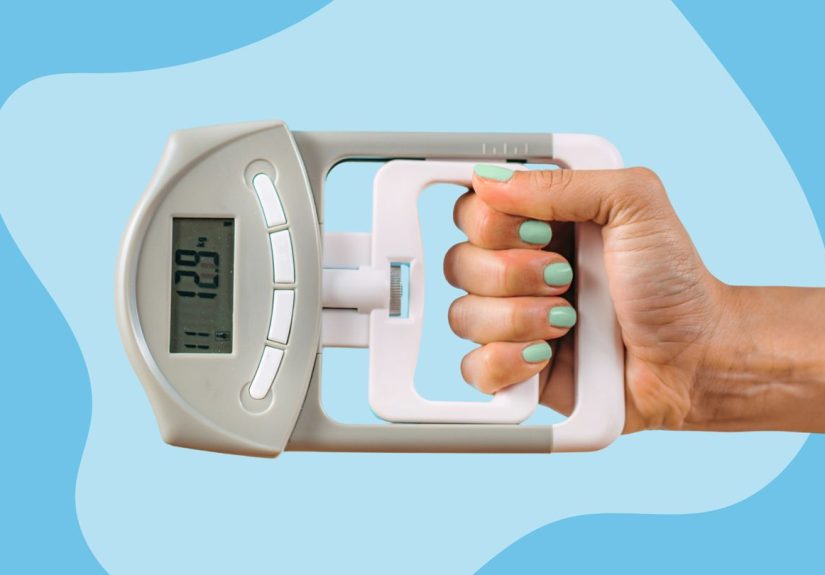
Grip strength is usually measured with a handheld dynamometer. A person squeezes the device as hard as possible, and the tool records force. It sounds almost too simple, but handgrip strength reflects more than the strength of the fingers. It can represent total-body muscle function, nervous system coordination, physical activity levels, nutrition status, and general health reserve.
Researchers have linked low handgrip strength with higher risk of cardiovascular disease, type 2 diabetes, chronic kidney disease, mobility limitations, hospitalization, frailty, and all-cause mortality. In plain English: a weaker grip may be a warning light on the dashboard. It does not tell you exactly what is wrong, but it suggests the engine deserves a closer look.
This matters greatly for people with obesity because excess body fat and low muscle strength can create a difficult combination. Obesity is associated with inflammation, insulin resistance, sleep apnea, joint stress, fatty liver disease, and cardiovascular risk. When low muscle strength is added to the picture, the body may have less ability to manage physical stress, recover from illness, regulate glucose, and maintain mobility.
The Newer Research: Muscle Strength and Obesity-Related Disease
A large prospective analysis using UK Biobank data examined how handgrip strength related to the progression of obesity-related dysfunction over time. The study followed thousands of adults for more than a decade and found that higher grip strength was associated with a lower risk of progressing from preclinical obesity to obesity-related organ dysfunction and death.
The key idea is not that grip strength magically protects the body like a superhero cape. Rather, grip strength may be a practical marker of healthier muscle mass, better physical function, and stronger metabolic capacity. Muscles are not just for lifting boxes or looking impressive in short sleeves. They are active metabolic tissue. They help store glucose, support insulin sensitivity, stabilize joints, maintain mobility, and contribute to daily energy use.
In people with obesity, preserving and improving muscle function may be especially important. A person can lose muscle while gaining or maintaining body fat, a pattern sometimes described as sarcopenic obesity. This combination can make movement harder, reduce stamina, and increase the risk of disability over time. In that context, grip strength becomes less of a party trick and more of a useful health signal.
Obesity Is Not Just a Weight IssueIt Is a Function Issue
Many people think of obesity only as a number on a scale. That view is incomplete. Health is also about what the body can do. Can you climb stairs without feeling wiped out? Can you carry groceries? Can you get up from a chair easily? Can you recover after a stressful week, an illness, or surgery? These functional questions matter.
Grip strength helps shift the conversation from appearance to ability. That is a healthier, less judgmental, and more useful frame. The goal is not to shame anyone for body size. The goal is to understand risk and support strength, mobility, and long-term independence.
For example, someone with obesity who regularly performs strength training, walks often, sleeps well, and has strong grip strength may have a different health profile than someone with the same body weight who is sedentary, weak, and metabolically unwell. Body weight alone cannot capture that difference.
How Grip Strength Connects to Chronic Disease Risk
1. Muscle Helps Control Blood Sugar
Skeletal muscle is one of the body’s biggest glucose storage sites. When muscles contract during activity, they use glucose for energy. Over time, stronger and more active muscles can support better insulin sensitivity. This is one reason strength training is often recommended as part of a health plan for people at risk of type 2 diabetes.
2. Strength Supports Heart Health
Low muscle strength has been associated with higher cardiovascular risk. Resistance training can help improve blood pressure, body composition, glucose control, and physical function. Aerobic exercise remains essential, but strength training adds another layer of protection. Think of cardio as the engine tune-up and strength training as reinforcing the frame of the car.
3. Stronger Muscles Protect Mobility
People with obesity may experience more stress on knees, hips, ankles, and the lower back. Stronger muscles can help stabilize joints and make everyday movement easier. Improved grip strength often travels with broader strength gains, including better ability to push, pull, carry, stand, and balance.
4. Strength May Reflect Better Resilience
In health research, resilience means the body’s ability to withstand stress and recover. Low grip strength has been linked with frailty and poorer outcomes after illness. A stronger body may handle physical challenges better, from infections to surgery recovery to long periods of inactivity.
What Counts as “Low” Grip Strength?
There is no single universal number that applies to everyone. Grip strength varies by age, sex, body size, hand dominance, health status, and testing method. A clinician may compare results with reference ranges or track changes over time. For most people, the trend is more useful than one isolated number.
If grip strength is declining quickly, or if daily tasks such as opening jars, carrying bags, rising from a chair, or climbing stairs are becoming harder, that is worth discussing with a healthcare professional. The issue may involve muscle weakness, nerve problems, arthritis, poor nutrition, medication effects, inactivity, or another health condition.
How to Improve Grip Strength Safely
The funny thing about grip strength is that the best way to improve it is usually not just squeezing a plastic gripper while watching TV. That can help some people, but full-body strength training is often more effective because grip works together with the arms, shoulders, back, core, hips, and legs.
Start With Full-Body Strength Training
Adults are generally encouraged to do muscle-strengthening activities at least two days per week. Good beginner options include chair squats, wall push-ups, resistance-band rows, step-ups, farmer’s carries, and light dumbbell exercises. These movements build useful strength for daily life, not just gym selfies.
Add Grip-Focused Movements
Grip can be trained with simple activities: carrying grocery bags, holding light dumbbells, using resistance bands, squeezing a soft ball, wringing out a towel, or practicing controlled hangs if appropriate. The key is gradual progress. Tendons and joints do not appreciate surprise attacks.
Combine Strength With Aerobic Activity
Walking, cycling, swimming, dancing, and low-impact cardio can support heart health, blood sugar control, mood, and weight management. For people with obesity, low-impact choices may be more comfortable at first. A practical goal is consistency, not punishment.
Prioritize Protein and Recovery
Muscles need building materials. A balanced eating pattern with adequate protein, fiber-rich carbohydrates, healthy fats, and enough total energy supports training and recovery. Sleep also matters. Muscles do not rebuild because you yelled motivational quotes at them; they rebuild during recovery.
What This Means for People With Obesity
The most important takeaway is hopeful: muscle strength can improve. Grip strength is not fixed. With appropriate training, nutrition, sleep, and medical support, many people can increase strength and function at almost any adult age.
This is especially encouraging because weight loss can be slow, complicated, and influenced by genetics, medications, hormones, environment, stress, and access to care. Strength improvements, however, may be noticeable sooner. A person may find it easier to carry laundry, climb stairs, walk farther, or stand longer before the scale changes much at all.
That progress counts. In fact, it may be one of the most meaningful forms of progress. Health should not be reduced to “Did the number go down?” A better question is: “Is my body becoming more capable?”
When to Talk With a Doctor
People with obesity should consider speaking with a healthcare professional before starting a new exercise program if they have chest pain, severe shortness of breath, dizziness, uncontrolled blood pressure, diabetes complications, joint instability, recent surgery, or a history of heart disease. A doctor, physical therapist, registered dietitian, or certified exercise professional can help create a safe plan.
Grip weakness that appears suddenly, affects one side of the body, or comes with numbness, facial drooping, confusion, severe pain, or trouble speaking needs urgent medical attention. Gradual weakness also deserves evaluation, especially when it interferes with daily life.
Practical Weekly Plan to Build Strength
A beginner-friendly plan might include two days of strength training and three to five days of walking or other aerobic activity. Strength sessions can be short: 20 to 30 minutes is enough to begin. The goal is to train major muscle groups while adding grip challenges naturally.
Example Strength Session
- Chair squats: 2 sets of 8 to 12 repetitions
- Wall push-ups: 2 sets of 8 to 12 repetitions
- Resistance-band rows: 2 sets of 10 to 12 repetitions
- Farmer’s carry with light weights or bags: 3 short walks
- Seated knee extensions: 2 sets of 10 repetitions per leg
- Soft ball squeezes: 2 sets of 10 controlled squeezes per hand
This plan can be adjusted for joint pain, fitness level, and available equipment. The best workout is the one a person can repeat safely. Hero workouts that leave someone sore for five days are not a strategy; they are a dramatic plot twist.
Common Myths About Grip Strength and Obesity
Myth: Grip strength only matters for older adults.
Grip strength becomes especially important with aging, but muscle health matters across adulthood. Building strength earlier may help protect function later.
Myth: People with obesity should focus only on cardio.
Cardio is valuable, but resistance training is also essential. Strength work supports muscle mass, joint stability, glucose control, and daily function.
Myth: A strong grip means perfect health.
No single test tells the whole story. Grip strength is one useful marker, not a crystal ball. Blood pressure, blood sugar, cholesterol, sleep, mental health, nutrition, and medical history still matter.
Myth: Weak grip means it is too late.
Not true. Many people improve strength with gradual training. Progress may begin with simple movements and build over time.
Experiences Related to Grip Strength, Obesity, and Health Risk
In real life, grip strength often shows up in small moments before it appears in a medical chart. Someone may notice that carrying groceries from the car feels harder than it used to. Another person may struggle to open a stubborn jar and joke that the jar “must have been sealed by NASA.” A third person may avoid stairs because the whole body feels tired, not just the hands.
For people with obesity, these experiences can become frustrating because everyday tasks may require more effort. Extra body weight can make movement more demanding, while low muscle strength can make the same movement feel even harder. This is why strength matters so much. It can change how daily life feels.
Consider a person who begins with short walks and two weekly strength sessions. At first, the farmer’s carry may involve two light grocery bags across the living room. After several weeks, the same person may carry heavier bags with better posture and less fatigue. That improvement is not just about stronger hands. It reflects stronger shoulders, back, core, hips, and confidence.
Another common experience is the “scale disappointment” problem. A person starts exercising, feels better, sleeps better, and moves more easilybut the scale barely changes. Without guidance, they may assume nothing is working. But improved grip strength, better stamina, lower resting heart rate, improved blood sugar, or easier movement are real wins. The body may be getting healthier even before weight loss becomes obvious.
There is also an emotional side. People with obesity often face stigma in healthcare, gyms, workplaces, and even family conversations. A strength-based approach can feel more respectful. Instead of asking, “How much weight did you lose?” the better question becomes, “What can your body do now that it could not do before?” That shift can help people stay motivated without feeling judged.
Small victories matter. Opening a jar without help matters. Carrying laundry without stopping matters. Getting out of a chair more easily matters. Walking through a store without needing to lean on the cart matters. These are signs of function, and function is deeply connected to independence and quality of life.
Grip strength also gives people a simple way to track progress. Some may use a dynamometer at a clinic or fitness center. Others may notice practical improvements, such as carrying heavier bags, holding a plank longer, gardening without hand fatigue, or completing household tasks more comfortably. These changes can encourage consistency.
The most successful experiences usually start small. A person does not need an expensive gym membership or a dramatic transformation plan. They may begin with resistance bands, walking shoes, a chair, and a few safe exercises. Over time, the body adapts. Muscles become more responsive. Balance improves. Confidence grows. The handshake may get stronger, but more importantly, life may feel easier.
Conclusion
Grip strength is not just about hands. It is a window into muscle health, function, and resilience. For people with obesity, low grip strength may signal higher risk of chronic disease progression, mobility problems, and early death. But the message is not doom and gloom. The message is action.
Improving strength through safe resistance training, regular aerobic activity, balanced nutrition, and medical support can help protect health from the inside out. The scale may still matter, but it should not be the only measure of progress. Stronger muscles, better movement, and greater independence deserve a front-row seat in the health conversation.
So yes, grip strength may say more about long-term health than most people realize. Your hands may be telling a bigger story. Fortunately, with the right habits, that story can get strongerone carry, squeeze, row, squat, and walk at a time.