Table of Contents >> Show >> Hide
- What Is High Blood Pressure?
- How High Blood Pressure Raises Heart Attack Risk
- Why High Blood Pressure Is So Easy to Miss
- Warning Signs of a Heart Attack
- Who Is Most at Risk?
- How to Lower Blood Pressure and Protect the Heart
- When Medication Is Needed
- Home Blood Pressure Monitoring: Your Personal Dashboard
- Real-Life Experiences Related to High Blood Pressure and Heart Attack Risk
- Conclusion: Control the Pressure Before It Pressures You
High blood pressure has a sneaky personality. It does not usually kick down the door wearing a villain cape. It quietly sits in the background, raises the pressure inside your arteries, and asks your heart to work overtime without paying it holiday rates. That is why hypertension is often called the “silent killer.” Many people feel perfectly fine while their blood vessels are taking daily wear and tear.
The connection between high blood pressure and heart attacks is not a vague medical rumor whispered in a waiting room. It is one of the clearest relationships in heart health. When blood pressure stays high, the force against artery walls can damage the vessels, encourage plaque buildup, strain the heart muscle, and increase the chance that blood flow to the heart will be blocked. In plain English: high blood pressure makes your heart’s job harder and its workplace more dangerous.
The good news is that blood pressure is measurable, manageable, and often highly responsive to daily choices, medical care, and consistent follow-through. A blood pressure cuff may not look as dramatic as a superhero gadget, but it can be one of the most powerful tools for preventing a heart attack.
What Is High Blood Pressure?
Blood pressure is the force of blood pushing against the walls of your arteries. It is written as two numbers. The top number, called systolic pressure, measures the force when your heart beats. The bottom number, called diastolic pressure, measures the force when your heart rests between beats.
A normal blood pressure reading is generally below 120/80 mm Hg. High blood pressure, also known as hypertension, is commonly defined as blood pressure that is consistently at or above 130/80 mm Hg. One high reading after a stressful meeting, a traffic jam, or a surprise credit card bill does not automatically mean you have hypertension. Diagnosis usually depends on repeated readings taken correctly over time.
Blood Pressure Categories Made Simple
Blood pressure categories help doctors and patients understand risk. Elevated blood pressure starts when systolic pressure is 120–129 and diastolic pressure remains below 80. Stage 1 hypertension begins at 130–139 systolic or 80–89 diastolic. Stage 2 hypertension starts at 140 or higher systolic or 90 or higher diastolic. Very high readings, especially above 180/120, may require urgent medical attention, particularly if symptoms such as chest pain, shortness of breath, weakness, confusion, vision changes, or severe headache appear.
These numbers matter because arteries are not steel pipes. They are living tissue. When pressure stays too high, they stiffen, thicken, narrow, and become more vulnerable to injury. That damage sets the stage for cardiovascular disease, including coronary artery disease and heart attacks.
How High Blood Pressure Raises Heart Attack Risk
A heart attack happens when blood flow to part of the heart muscle is severely reduced or blocked. The most common cause is coronary artery disease, where plaque builds up inside the arteries that supply blood to the heart. High blood pressure contributes to this process in several ways.
1. It Damages Artery Walls
Imagine spraying a garden hose at full blast against a delicate screen every day. Eventually, the screen starts to wear down. High blood pressure does something similar to the inner lining of arteries. The constant force can injure the smooth lining that helps blood flow easily.
Once the artery lining is damaged, cholesterol, inflammatory cells, calcium, and other substances can collect more easily. This buildup forms plaque. Over time, plaque narrows the artery, limiting blood flow to the heart muscle. When the heart asks for more oxygen during exercise, stress, or even a dramatic argument over where to order dinner, narrowed arteries may not deliver enough blood.
2. It Speeds Up Atherosclerosis
Atherosclerosis is the slow buildup of plaque inside the arteries. High blood pressure accelerates this process by making the arteries more vulnerable to damage and stiffness. The arteries become less flexible, which raises pressure even more. It is a bad feedback loop, like a group chat that should have ended three hours ago.
When plaque grows, it can reduce blood flow. But the biggest danger often comes when plaque ruptures. A ruptured plaque can trigger a blood clot. If that clot blocks a coronary artery, the heart muscle beyond the blockage can be starved of oxygen. That is a heart attack.
3. It Makes the Heart Work Too Hard
High blood pressure means the heart has to pump against greater resistance. Over time, the heart muscle may thicken, especially the left ventricle, which is the main pumping chamber. At first, this thickening may help the heart push blood through the body. But eventually, the heart can become stiff, tired, and less efficient.
A strained heart also needs more oxygen. If coronary arteries are narrowed by plaque, the oxygen supply may not keep up with demand. This mismatch can cause chest pain, shortness of breath, and a higher risk of heart attack.
4. It Often Travels With Other Risk Factors
Hypertension rarely shows up alone like a polite dinner guest. It often arrives with high LDL cholesterol, diabetes, obesity, kidney disease, smoking, poor sleep, chronic stress, physical inactivity, or a high-sodium diet. Each factor adds another layer of risk. Together, they can dramatically increase the chance of coronary artery disease and heart attacks.
For example, high blood pressure plus diabetes is especially concerning because diabetes can damage blood vessels and nerves while hypertension increases arterial stress. Add smoking, and the arteries get another round of inflammation and narrowing. The heart is resilient, but it is not a fan of being tested like a discount treadmill.
Why High Blood Pressure Is So Easy to Miss
Many people expect a serious health condition to announce itself with flashing lights. Hypertension does not usually work that way. Most adults with high blood pressure have no obvious symptoms. You can have elevated readings for years and still feel normal.
That is why regular blood pressure checks are essential. A person may discover high blood pressure during a routine physical, a pharmacy screening, a dental visit, or after buying a home monitor. Sometimes the first sign is not a sign at all, but a complication such as chest pain, stroke, kidney problems, or heart failure. That is the part we would very much like to skip.
Warning Signs of a Heart Attack
While high blood pressure itself may be silent, a heart attack often has warning signs. Common symptoms include chest pressure, squeezing, fullness, or pain that may spread to the arm, shoulder, back, neck, jaw, or stomach. Shortness of breath, sweating, nausea, lightheadedness, and unusual fatigue can also occur.
Some people, especially women, older adults, and people with diabetes, may have less typical symptoms. They may notice unexplained tiredness, indigestion-like discomfort, breathlessness, back pain, or a sense that something is simply wrong. If heart attack symptoms appear, emergency care is needed immediately. This is not the moment to search “Is chest pain bad?” while making tea.
Who Is Most at Risk?
Anyone can develop high blood pressure, but risk increases with age, family history, excess body weight, a diet high in sodium, low physical activity, heavy alcohol use, smoking, poor sleep, chronic stress, diabetes, kidney disease, and certain medications. Genetics and social factors also influence risk, including access to healthy food, safe places to exercise, preventive care, and affordable treatment.
Some people develop primary hypertension, which has no single clear cause and usually builds over years. Others develop secondary hypertension, which is caused by another condition or medication. Kidney disease, sleep apnea, hormone disorders, and certain drugs can contribute. Because the cause can shape treatment, healthcare providers may recommend lab tests, medication reviews, or sleep evaluations when appropriate.
How to Lower Blood Pressure and Protect the Heart
Lowering blood pressure is not about chasing perfect numbers for bragging rights. It is about reducing the pressure load on your arteries and heart. Even modest improvements can meaningfully lower cardiovascular risk, especially when paired with cholesterol control, diabetes management, smoking cessation, and healthy weight habits.
Follow a Heart-Healthy Eating Pattern
The DASH eating plan, short for Dietary Approaches to Stop Hypertension, is one of the most researched diets for lowering blood pressure. It emphasizes vegetables, fruits, whole grains, beans, nuts, low-fat dairy, fish, poultry, and lean proteins. It limits sodium, added sugars, saturated fat, and highly processed foods.
This does not mean food has to taste like cardboard wearing a lab coat. A heart-friendly plate can include roasted vegetables, citrus, herbs, garlic, beans, grilled fish, oatmeal, yogurt, berries, lentil soup, avocado, and crunchy salads that do not look like punishment. The goal is to make healthy eating enjoyable enough to repeat.
Reduce Sodium Without Declaring War on Flavor
Too much sodium can raise blood pressure by causing the body to hold extra fluid and increasing strain on blood vessels. Many people get most sodium from packaged foods, restaurant meals, deli meats, canned soups, sauces, frozen dinners, and salty snacks.
A practical strategy is to read labels, choose lower-sodium versions, rinse canned beans, season food with herbs and spices, and make more meals at home. Lemon juice, vinegar, smoked paprika, black pepper, cumin, ginger, basil, rosemary, and chili flakes can rescue dinner from blandness without turning your arteries into a saltwater aquarium.
Move Your Body Regularly
Physical activity helps the heart pump more efficiently, improves blood vessel function, supports weight management, reduces insulin resistance, and lowers stress. Brisk walking, cycling, swimming, dancing, hiking, and strength training can all help. The best exercise is the one you will actually do consistently, not the one that looks impressive on a motivational poster.
For beginners, even 10-minute walks after meals can be a strong start. People with heart disease symptoms, very high blood pressure, or major medical conditions should speak with a healthcare provider before starting intense exercise.
Lose Weight If Needed, But Focus on Health First
Excess body weight can increase blood pressure by raising blood volume, increasing inflammation, worsening insulin resistance, and contributing to sleep apnea. Losing even a modest amount of weight may improve blood pressure in many people.
However, weight is not the only measure of progress. Better food choices, regular movement, improved sleep, lower sodium intake, and medication adherence can all improve cardiovascular health even before the scale changes. The heart appreciates effort, not crash diets with dramatic theme music.
Quit Smoking and Avoid Tobacco
Smoking damages blood vessels, reduces oxygen in the blood, raises heart rate, and promotes plaque buildup. Nicotine can also temporarily raise blood pressure. For people with hypertension, smoking adds fuel to an already risky fire.
Quitting tobacco is one of the most powerful steps for heart attack prevention. Support may include counseling, nicotine replacement therapy, prescription medication, quitlines, apps, and support groups. Slipping does not mean failing. It means the plan needs adjusting.
Sleep Like Your Heart Has a Vote
Poor sleep and untreated sleep apnea can raise blood pressure and strain the cardiovascular system. Loud snoring, choking or gasping during sleep, morning headaches, daytime sleepiness, and resistant hypertension may point to sleep apnea. Treating sleep problems can improve blood pressure control and overall health.
Good sleep habits include a consistent bedtime, a dark room, limited late caffeine, less screen time before bed, and not treating the bedroom like a 24-hour office, snack lounge, and streaming headquarters all in one.
Manage Stress Without Pretending Life Is a Spa Brochure
Stress does not always directly cause long-term hypertension, but it can raise blood pressure temporarily and encourage habits that increase risk, such as overeating, drinking too much alcohol, smoking, skipping exercise, or sleeping poorly.
Useful stress tools include breathing exercises, walking, journaling, therapy, prayer, meditation, music, social support, and realistic scheduling. You do not need to become a monk on a mountaintop. You just need healthy ways to turn down the internal alarm system.
When Medication Is Needed
Lifestyle changes are powerful, but they are not always enough. Some people need medication because their blood pressure is high, their cardiovascular risk is elevated, or they already have conditions such as diabetes, kidney disease, heart disease, or prior stroke.
Common blood pressure medicine classes include diuretics, ACE inhibitors, angiotensin II receptor blockers, calcium channel blockers, beta-blockers, and combination medications. Each works differently. Some help the body remove extra salt and water. Some relax blood vessels. Some reduce the effects of hormones that tighten arteries. Others slow the heart rate or reduce workload in certain situations.
Blood pressure medication is not a moral failure. It is a tool. Needing it does not mean you “lost” to hypertension. It means you and your healthcare provider are using available science to protect your heart, brain, kidneys, and future self.
Do Not Stop Medication Suddenly
If medication causes side effects, costs too much, or feels confusing, talk with a healthcare provider or pharmacist. Do not simply stop taking it without guidance. Suddenly stopping some blood pressure medicines can cause blood pressure to rise quickly or create other risks. Often, a different dose, timing, or medication class can solve the problem.
Home Blood Pressure Monitoring: Your Personal Dashboard
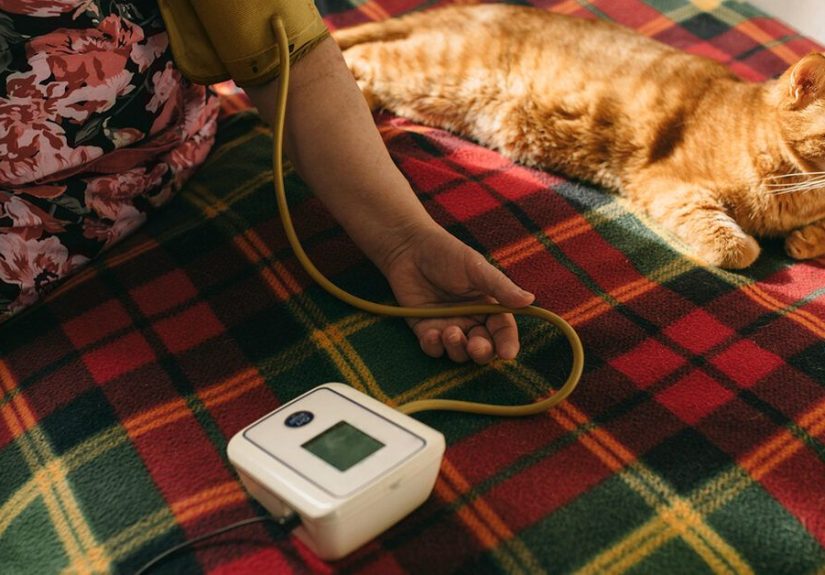
Home monitoring can help identify patterns and improve treatment decisions. Choose a validated upper-arm cuff when possible. Sit quietly for five minutes before measuring. Keep your feet flat on the floor, back supported, arm at heart level, and avoid caffeine, exercise, smoking, and rushing around right before the reading.
Take readings at consistent times and record them. One odd number is less important than the trend. Blood pressure is like a weather forecast for your arteries: you need more than one reading to understand the climate.
Real-Life Experiences Related to High Blood Pressure and Heart Attack Risk
Consider a common scenario. A 48-year-old office worker feels fine but notices headaches after long days. At a pharmacy machine, the reading is 146/92. He blames coffee, deadlines, and the machine’s “bad attitude.” A month later, his doctor confirms stage 2 hypertension. His cholesterol is also high. At first, he feels frustrated because he does not feel sick. But that is exactly the point: high blood pressure often causes damage before it causes symptoms.
He starts with small changes. Lunch shifts from fast food to turkey wraps, bean bowls, salads, and leftovers. He replaces salty chips with fruit and nuts most days. He walks for 20 minutes after dinner, not heroically, just consistently. His doctor prescribes medication, and he uses a home cuff three mornings a week. After three months, his average readings improve. He still enjoys pizza sometimes, because life is not a spreadsheet, but he learns that daily patterns matter more than occasional treats.
Another example is a retired teacher who has “borderline” blood pressure for years. She tells herself it is not serious because she has no chest pain. But she has a family history of heart disease and recently developed type 2 diabetes. Her doctor explains that her risk is not based on blood pressure alone. It is the combination: age, diabetes, cholesterol, family history, and hypertension. She begins medication, joins a beginner water aerobics class, and switches to lower-sodium soups and homemade meals. The biggest surprise is that she feels more energetic once her walking routine becomes normal.
Then there is the person who already had a scare. A man in his early sixties experiences pressure in his chest while carrying groceries. He waits because he assumes it is heartburn. The discomfort spreads to his jaw, and his wife calls emergency services. He is treated for a heart attack caused by a blocked coronary artery. During recovery, he learns that uncontrolled hypertension likely contributed to years of arterial damage. Cardiac rehabilitation teaches him how to exercise safely, eat for heart health, manage stress, and take medication properly.
These experiences highlight an important lesson: prevention is less dramatic than emergency treatment, but it is much better. Nobody posts a movie trailer about choosing oatmeal, checking blood pressure, or taking a daily walk. Yet those ordinary habits can change the story. Blood pressure control is not about fear. It is about giving your arteries a calmer environment and giving your heart fewer battles to fight.
The emotional side matters too. Many people feel embarrassed when they are diagnosed with hypertension, as if blood pressure were a character flaw. It is not. It is a medical condition influenced by biology, environment, stress, sleep, food systems, genetics, aging, and daily habits. Shame does not lower blood pressure. A practical plan does.
A helpful approach is to choose one or two changes at a time. Replace one salty packaged meal. Walk during phone calls. Set a medication reminder. Keep the blood pressure cuff somewhere visible. Ask a family member to join in healthier meals. Schedule follow-up appointments before leaving the clinic. Tiny systems beat heroic intentions, especially on busy weeks when motivation runs off like a dog chasing a squirrel.
Conclusion: Control the Pressure Before It Pressures You
High blood pressure is one of the most important and manageable risk factors for heart attacks. It can damage artery walls, speed plaque buildup, strain the heart, and combine with other risks such as high cholesterol, diabetes, smoking, and inactivity. Because hypertension often has no symptoms, regular screening and home monitoring can make a major difference.
The most effective plan is usually a combination of smart daily habits and appropriate medical care. Eat more whole foods, reduce sodium, move regularly, sleep better, avoid tobacco, manage stress, take prescribed medication, and keep follow-up appointments. None of these steps needs to be perfect. They need to be repeated.
Your heart works for you every minute of every day. Helping it out is not overreacting. It is basic maintenance for the most loyal engine you own.
Medical note: This article is for educational purposes only and does not replace professional medical advice, diagnosis, or treatment. Anyone with chest pain, shortness of breath, weakness, fainting, sudden confusion, or symptoms of a heart attack should seek emergency care immediately.