Table of Contents >> Show >> Hide
- What Are the Moons on Fingernails?
- Is It Normal to Have No Moons on Fingernails?
- Why You May Not See Fingernail Moons
- No Moons vs. Other Nail Changes: What Matters More?
- Can No Fingernail Moons Mean Anemia?
- Can No Moons on Fingernails Mean Vitamin B12 Deficiency?
- Can Stress Make Fingernail Moons Disappear?
- What Healthy Fingernails Usually Look Like
- How to Care for Nails When You Have No Visible Moons
- When Should You See a Doctor?
- Common Myths About No Moons on Fingernails
- Real-Life Experiences: What People Notice About No Moons on Fingernails
- Conclusion: Should You Worry About No Moons on Fingernails?
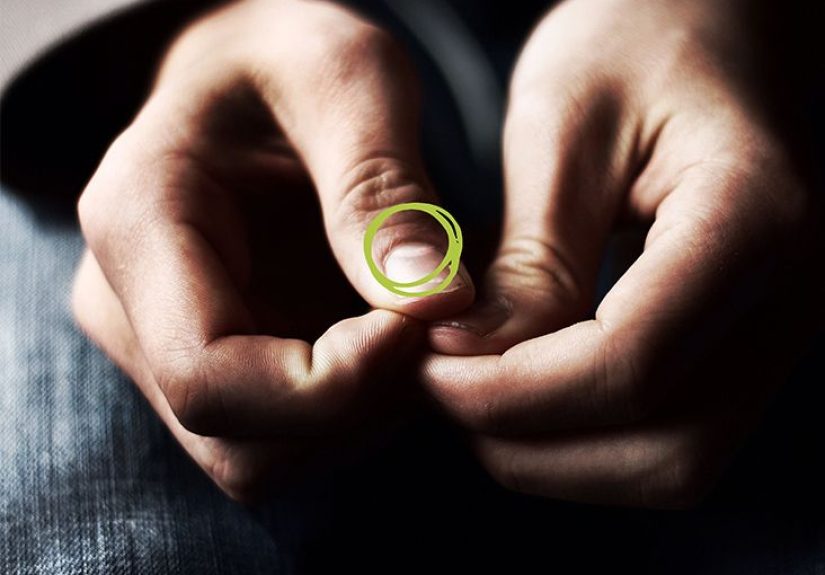
One day you glance down at your hands and notice something oddly specific: your fingernails have no little white “moons.” Naturally, your brain opens 47 browser tabs at once. Are your nails trying to send a secret message? Is your body low on vitamins? Did the moon simply pack its bags and leave?
The short, calming answer is this: having no visible moons on fingernails is often completely normal. Those pale half-moon shapes are called lunulae, and not everyone has visible ones on every nail. In many people, they are easiest to see on the thumbs and barely visibleor totally hiddenon the other fingers.
That said, fingernails can sometimes reflect health changes. The key is context. If your nails have always looked this way, there may be nothing to worry about. But if your lunulae suddenly disappear along with nail discoloration, pain, swelling, fatigue, shortness of breath, brittle nails, or other symptoms, it may be worth checking in with a healthcare professional.
Note: This article is for general education only and is not a medical diagnosis. If you have sudden nail changes or symptoms that concern you, speak with a licensed healthcare provider or board-certified dermatologist.
What Are the Moons on Fingernails?
The white half-moon at the base of a fingernail is called the lunula. The word comes from Latin and means “little moon,” which is adorable enough to make nail anatomy sound like bedtime poetry.
The lunula is the visible part of the nail matrix, the area under the skin where new nail cells are made. As these cells grow, harden, and move forward, they form the nail platethe part you trim, polish, accidentally chip while opening a soda can, and swear you will take better care of next week.
Lunulae usually look pale, whitish, or slightly translucent because of how the thickened nail matrix reflects light. They are often most noticeable on the thumbs because thumb nails tend to have larger matrices. On smaller fingers, the lunula may be tiny or tucked under the cuticle and proximal nail fold, making it invisible.
Is It Normal to Have No Moons on Fingernails?
Yes, in many cases, no moons on fingernails is normal. Some people naturally have small lunulae. Others have lunulae that are mostly hidden beneath the skin at the nail base. Age, genetics, skin tone, nail shape, and the thickness of the cuticle area can all affect how visible the moons appear.
It is also common to see moons on the thumbs but not on the other fingers. That pattern alone usually does not mean anything alarming. Your nails are not required to display a full lunar calendar to be healthy.
When It Is Probably Nothing
No visible fingernail moons are usually not concerning when:
- Your nails have always looked this way.
- Your thumbnails still have visible lunulae, but smaller fingers do not.
- Your nails are smooth, normally colored, and not painful.
- You have no major symptoms such as unusual fatigue, dizziness, swelling, or breathing problems.
- The change is not sudden or dramatic.
Think of lunula visibility like dimples: some people have obvious ones, some have subtle ones, and some have none. It is not automatically a medical emergency or a personality flaw. Your fingers are allowed to be mysterious.
Why You May Not See Fingernail Moons
There are several possible reasons why the moons on your fingernails are missing, faint, or hard to see. Most are harmless, but a few deserve attention if they appear with other changes.
1. Your Lunulae Are Hidden by the Cuticle Area
The most common reason is simple anatomy. The lunula sits at the base of the nail, partly under the proximal nail fold. If your nail fold covers more of the matrix, the moon may not show. This is especially common on the pinky, ring, and middle fingers.
If the nail is otherwise healthy, hidden lunulae are usually just a normal variation. No drama. No panic. No need to interrogate your thumbs under harsh bathroom lighting.
2. Genetics and Natural Nail Shape
Some people inherit nails with larger visible moons, while others inherit smaller or less visible ones. Nail width, curvature, matrix size, and skin structure all play a role. If your parents or siblings also have tiny or invisible nail moons, congratulations: you may have inherited the family’s elite stealth-lunula design.
3. Aging and Slower Nail Growth
Fingernails can change with age. Nail growth may slow, ridges may become more noticeable, and lunulae may look smaller or less obvious. Aging alone can make nail moons less prominent, especially when the rest of the nail remains smooth and stable.
However, aging does not explain every nail change. If your nails suddenly become thick, yellow, painful, crumbly, detached, spoon-shaped, or darkly streaked, it is smart to get them checked.
4. Nail Trauma or Repeated Irritation
Your nail matrix is delicate. Repeated trauma from aggressive manicures, nail biting, picking at cuticles, frequent gel removal, pushing cuticles too hard, or using nails as tiny screwdrivers can irritate the area where nails grow.
When the matrix is irritated, nails may grow with ridges, dents, splitting, peeling, or changes near the base. The lunula may appear less clear because the surrounding nail structure is inflamed or damaged.
5. Nutritional Deficiencies
Nutrient deficiencies do not usually cause “no moons” by themselves, but they may contribute to broader nail changes. Low iron, for example, is associated with brittle nails and spoon-shaped nails, also called koilonychia. Other deficiencies may affect nail strength, growth, and texture.
If your missing moons come with brittle nails, hair shedding, unusual tiredness, pale skin, dizziness, cravings for ice, or shortness of breath, ask a clinician whether blood work is appropriate. Do not self-prescribe high-dose supplements based only on nail appearance; more is not always better, and excess iron can be harmful.
6. Thyroid Issues
Thyroid disease can affect the skin, hair, and nails. Hypothyroidism may be linked with slow-growing, thin, brittle, dry, or peeling nails. Hyperthyroidism may also cause nail changes, including nail lifting in some cases.
Again, the lunula alone is not enough to diagnose thyroid disease. But if nail changes appear alongside unexplained weight changes, fatigue, cold intolerance, heat intolerance, hair thinning, constipation, rapid heartbeat, or mood changes, a healthcare provider can evaluate whether thyroid testing makes sense.
7. Circulation and Chronic Health Conditions
In some medical literature, absent lunulae have been reported in association with chronic conditions, including kidney disease and other systemic illnesses. Nail color and nail-bed changes may also appear with heart, liver, lung, endocrine, or blood-related conditions.
This does not mean everyone without visible moons has a serious disease. It means nails can sometimes provide clues when combined with symptoms, medical history, and physical examination. Nails are helpful hints, not crystal balls.
No Moons vs. Other Nail Changes: What Matters More?
When evaluating nail health, doctors usually care less about whether every finger has a perfect half-moon and more about changes in color, shape, thickness, texture, growth, pain, and surrounding skin.
Watch for These Nail Warning Signs
Consider medical evaluation if you notice:
- A new dark brown or black streak, especially on one nail
- Nail lifting from the nail bed
- Bleeding, swelling, redness, or pain around the nail
- Nails becoming very thick, yellow, crumbly, or distorted
- Spoon-shaped nails that dip inward
- Clubbing, where fingertips enlarge and nails curve downward
- Horizontal grooves or deep dents across multiple nails
- Sudden disappearance of lunulae along with other symptoms
- Failure of a nail to grow normally
These changes can have many causes, from trauma and fungal infection to inflammatory skin conditions or systemic illness. A dermatologist can examine the nail unit and decide whether testing, treatment, or simple monitoring is needed.
Can No Fingernail Moons Mean Anemia?
The internet loves a bold claim, and “no moons means anemia” is one of those statements that sounds confident while wearing a lab coat costume. In reality, absent lunulae alone do not diagnose anemia.
Iron deficiency anemia can affect nails, but it is more classically associated with brittle nails, pale skin, fatigue, dizziness, shortness of breath, and sometimes spoon-shaped nails. If you have no moons but feel energetic, your nails look normal, and nothing has changed, anemia is not the automatic answer.
If you do have symptoms of anemia or risk factors such as heavy menstrual bleeding, gastrointestinal bleeding, pregnancy, limited dietary iron, or certain digestive conditions, ask your healthcare provider about testing. A complete blood count and iron studies can provide real answersmuch better than diagnosing yourself by staring at your fingertips at midnight.
Can No Moons on Fingernails Mean Vitamin B12 Deficiency?
Vitamin B12 deficiency can cause fatigue, weakness, numbness, tingling, balance problems, mouth soreness, mood changes, and anemia-related symptoms. Nail pigmentation changes have been reported in some cases, but missing lunulae alone are not a reliable sign of B12 deficiency.
People who follow a strict vegan diet, have certain digestive disorders, take some medications long term, or have absorption issues may be at higher risk for B12 deficiency. If symptoms fit, testing is the sensible route. Your nails may raise a question, but blood work answers it.
Can Stress Make Fingernail Moons Disappear?
Stress can affect the body in indirect ways. Severe illness, major stress, high fever, surgery, or trauma may temporarily disrupt nail growth and cause horizontal lines known as Beau’s lines. Stress may also increase habits such as nail biting, picking, or cuticle damage.
But everyday stress does not usually erase lunulae like a tiny emotional eclipse. If your nail moons look less visible during a stressful period, look for practical explanations too: dry cuticles, nail damage, changes in manicures, poor sleep, diet changes, or simply paying closer attention than usual.
What Healthy Fingernails Usually Look Like
Healthy fingernails are typically smooth, consistent in color, attached to the nail bed, and free from pain or swelling. Minor vertical ridges can be normal, especially with age. White spots are often caused by minor trauma and usually grow out over time.
Healthy nails do not have to be Instagram-perfect. They can have small ridges, uneven lengths, and cuticles that refuse to behave like they signed a modeling contract. The bigger concern is a new, persistent, or worsening change.
How to Care for Nails When You Have No Visible Moons
If your nails are otherwise normal, the goal is not to “bring back” the moons. The goal is to support healthy nail growth and protect the matrix.
Keep Nails Moisturized
Dry nails split more easily. Use hand cream after washing and apply cuticle oil or a simple moisturizer around the nail base. This is especially helpful if you wash your hands often, use sanitizer frequently, or live in a dry climate.
Avoid Aggressive Cuticle Cutting
The cuticle area helps protect the nail matrix from irritation and infection. Trimming too much, pushing too hard, or picking can create inflammation. Gentle care is better than declaring war on your cuticles with salon-level determination.
Use Gloves for Wet Work
Water, detergents, and cleaning chemicals can weaken nails. Wear gloves when washing dishes, cleaning, gardening, or handling harsh products. Your nails are not dish sponges, even if life keeps trying to promote them.
Eat a Balanced Diet
Nails need protein, iron, zinc, B vitamins, and overall adequate nutrition. A balanced diet with lean protein, beans, eggs, leafy greens, whole grains, nuts, seeds, fruits, and vegetables supports nail growth from the inside. Supplements may help only when there is a true deficiency.
Give Nails a Break From Harsh Products
Frequent acrylics, gel manicures, acetone soaking, and rough removal can damage nails. If your nails are peeling or sensitive, take a break and let them grow out. Fingernails grow slowly, so improvement may take months.
When Should You See a Doctor?
Make an appointment with a healthcare provider or dermatologist if your missing moons are new and come with other nail or body changes. Also seek care for pain, swelling, infection signs, dark streaks, nail lifting, thickening, severe brittleness, or changes affecting several nails at once.
You should also get medical advice if you notice blue fingers or lips, shortness of breath, chest pain, severe weakness, or sudden swelling. Those symptoms require more urgent attention and should not be filed under “probably just nail stuff.”
Common Myths About No Moons on Fingernails
Myth 1: No Moons Always Mean Poor Health
False. Many healthy people have small or invisible lunulae. Visibility varies naturally.
Myth 2: You Need a Moon on Every Nail
Nope. It is common for the thumb moons to be visible while the others hide like shy celebrities avoiding paparazzi.
Myth 3: Supplements Will Make Moons Reappear
Not necessarily. If you are deficient, treating the deficiency may improve nail health over time. But if your lunulae are naturally hidden, supplements will not magically install new moons.
Myth 4: Big Lunulae Are Always Better
Bigger does not automatically mean healthier. Sudden changes in size, color, or shape matter more than whether your nail moons are large, small, or invisible.
Real-Life Experiences: What People Notice About No Moons on Fingernails
Many people first notice their missing fingernail moons during an oddly ordinary moment. Maybe they are waiting for coffee, scrolling on their phone, or sitting under bright office lighting when they suddenly inspect their hands like a detective in a medical drama. The thumbs show clear little half-moons, but the other fingers? Nothing. Just smooth nail. Cue the nervous search: “No moons on fingernails: what does it mean?”
One common experience is realizing that the moons were never really visible in the first place. A person may compare old photos, ask family members, or inspect their hands over several days and discover that their nails have always looked the same. In that situation, the missing moons are often just a normal feature. The anxiety usually comes from noticing something for the first time, not from the nails actually changing.
Another experience involves manicure habits. Someone may notice faint or missing lunulae after months of gel polish, acrylics, or aggressive cuticle work. The issue may not be the lunula itself but irritation around the nail base. The nail may feel thin, dry, or tender. In these cases, people often find that taking a break from harsh products, moisturizing daily, and avoiding cuticle picking helps the nails look healthier as they grow out.
Some people notice no visible moons during a period of burnout, poor sleep, or inconsistent meals. While stress itself may not directly erase lunulae, lifestyle changes can affect nail strength. Nails may become brittle, peel at the tips, or grow more slowly. When people return to regular meals, better hydration, and more consistent rest, their nails may gradually improve. The change is slow because nails grow at their own relaxed pace, as if they are being paid by the hour.
There are also cases where missing moons appear alongside symptoms that should not be ignored. For example, someone may notice brittle nails, unusual fatigue, pale skin, dizziness, and shortness of breath. Another person may have dry skin, thinning hair, weight changes, and nails that split easily. In these situations, the nails are not the whole story. They are one clue among several, and it is reasonable to ask a clinician about possible anemia, thyroid issues, nutritional deficiencies, or other health concerns.
A helpful way to think about fingernail moons is to focus on your personal baseline. What is normal for your hands? Have your nails always looked like this, or is the change new? Are all nails affected or just one? Is there pain, swelling, dark pigment, lifting, thickening, or a change in shape? This simple comparison often gives more useful information than judging your nails against someone else’s hands.
The most reassuring experience many people have is this: after worrying about invisible nail moons, they learn that the body has many normal variations. Not every harmless difference needs a dramatic explanation. Sometimes a nail is just a nail. Still, paying attention to changes is wise. The best approach is calm curiositynot panic, not denial, and definitely not diagnosing yourself from one close-up photo taken under weird bathroom lighting.
Conclusion: Should You Worry About No Moons on Fingernails?
In most cases, no moons on fingernails simply means your lunulae are small, hidden, or naturally less visible. This is especially true if your nails have always looked that way and you feel well.
The important thing is to watch for change. If your nail moons suddenly disappear or your nails develop unusual color, pain, swelling, thickening, splitting, spooning, lifting, or dark streaks, get a professional opinion. The same goes if nail changes appear with fatigue, dizziness, shortness of breath, hair loss, unexplained weight changes, or other symptoms.
Your fingernails can offer useful clues, but they are not tiny medical reports printed at the end of your fingers. Treat them kindly, notice meaningful changes, and let healthcare professionals handle the detective work when something feels off.