Table of Contents >> Show >> Hide
- Why the Generational Wealth Gap Feels So Stubborn
- Wealth Is Not Just Income in Fancy Clothes
- Step One: Build a Financial Shock Absorber
- Step Two: Attack Expensive Debt Without Declaring War on All Debt
- Step Three: Use Tax-Advantaged Accounts Like They Owe You Money
- Step Four: Buy Assets Before You Buy Lifestyle Upgrades
- Step Five: Treat Earning Power Like an Asset
- Step Six: Make Homeownership a Strategy, Not an Identity
- Step Seven: Build Family Wealth on Purpose
- Step Eight: Recognize That Millennials Are Not One Financial Story
- What Closing the Gap Really Looks Like
- Experiences Millennials Often Have While Closing the Wealth Gap
Millennials did not exactly walk into adulthood on easy mode. Many came of age during or after the Great Recession, bought groceries during an inflation spike that made eggs feel like luxury decor, and tried to build wealth while juggling student loans, high rents, delayed homeownership, and a labor market that rewards skills but also charges admission. So yes, the generational wealth gap is real. But “real” does not mean “permanent.”
If you are a millennial trying to catch up to older generations, the goal is not to copy your parents’ financial path line by line. That map belongs to a different economy. The better move is to understand how wealth is actually built now: by protecting cash flow, lowering financial friction, buying assets consistently, using tax advantages aggressively, and making a few boring decisions so well that they become surprisingly profitable.
This is where the conversation gets more interesting. Closing the generational wealth gap is not about finding one magical investment, one “passive income” fantasy, or one side hustle that turns weekends into a hostage situation. It is about building a system. Wealth grows when your money has fewer emergencies to solve and more opportunities to compound.
Why the Generational Wealth Gap Feels So Stubborn
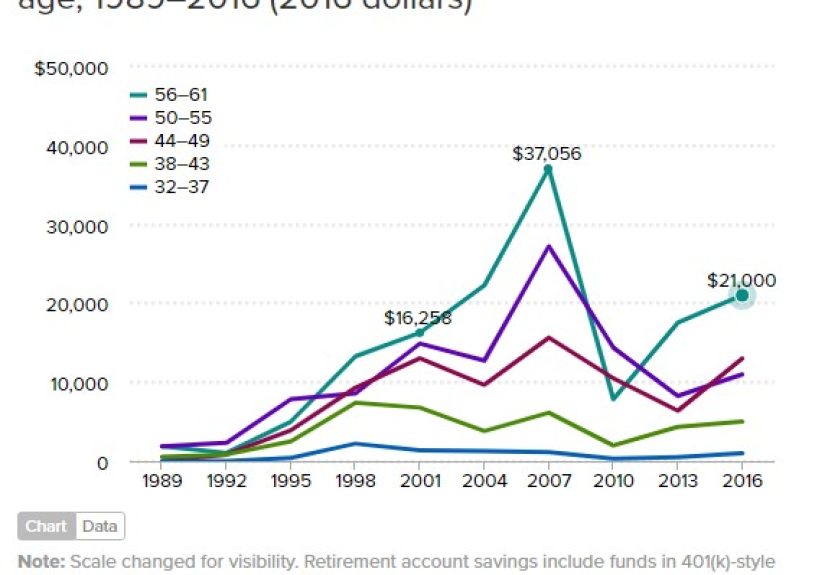
Millennials are not imagining the squeeze. Older generations generally bought homes earlier, borrowed less for college, and entered housing and stock markets at different price points. Even when younger households have made progress in recent years, they still tend to hold less wealth than older generations held at the same age. That gap shows up in delayed homeownership, thinner emergency savings, lower net worth, and the feeling that every financial step forward costs three steps of planning.
Housing is a perfect example. Homeownership remains one of the biggest wealth-building engines in the United States, yet it is harder to access when prices, rates, insurance costs, and down payments all gang up at the same time. Renting is not a moral failure, but staying a renter forever without investing elsewhere can quietly widen the wealth gap.
Debt also complicates the picture. Student loans helped many millennials get degrees and higher earning potential, but they also delayed home purchases, savings goals, and risk-taking. Add rising childcare costs, healthcare costs, and basic affordability pressure, and many millennials are doing something that looks responsible on paper but feels like treading water in real life.
Wealth Is Not Just Income in Fancy Clothes
A lot of people confuse earning well with building wealth. They overlap, but they are not identical. Income is your engine. Wealth is what remains after taxes, spending, debt payments, and time have had their turn. A person earning $85,000 and investing consistently can outbuild a person earning $130,000 who spends every raise like it is a parade.
That is why millennials trying to close the generational wealth gap need to focus on three layers at once:
1. Cash flow
You need enough margin between what comes in and what goes out. Without margin, every setback becomes debt.
2. Asset ownership
Wealth grows through ownership: retirement accounts, index funds, business equity, home equity, cash reserves, and sometimes taxable brokerage accounts.
3. Time
Compounding is still undefeated. The earlier you automate good decisions, the less you have to rely on heroic effort later.
Step One: Build a Financial Shock Absorber
If your money leaks out every time life sneezes, wealth-building never gets a chance. That is why the first move is not usually “invest harder.” It is “get stable enough to invest without panic.”
Start with a practical emergency fund. Not a fantasy number that makes you want to lie down on the floor, but a real one. Your first target can be one month of core expenses. Then work toward three months. If you have variable income, kids, or a job tied to a shaky industry, more is better.
Automation matters here. One of the smartest habits is a guaranteed recurring transfer on payday. It is less glamorous than round-up apps, but often more effective because it removes decision fatigue. In plain English: save the money before your brain starts negotiating with your shopping cart.
Think of this fund as your anti-chaos account. It protects you from using credit cards for every surprise and keeps long-term investments from becoming emergency ATMs.
Step Two: Attack Expensive Debt Without Declaring War on All Debt
Not all debt is equal. High-interest credit card debt is a wealth killer. It compounds against you with a level of enthusiasm that should frankly be illegal. If you are carrying balances at high rates, paying those down is one of the best guaranteed returns available.
Student loans are different. They matter, but they should be handled strategically. That may mean refinancing private loans when rates and terms make sense, using income-driven options on federal loans when appropriate, or balancing repayment with retirement contributions instead of throwing every spare dollar at low-rate debt while ignoring your employer match.
The rule of thumb is simple: destroy toxic debt, manage useful debt, and do not confuse activity with strategy. A loan with a moderate fixed rate may be less urgent than missing years of employer retirement matching or carrying no emergency savings at all.
Step Three: Use Tax-Advantaged Accounts Like They Owe You Money
This is where millennials can make up ground faster than many people realize. The tax code is full of opportunities, but it does not exactly arrive in your inbox wearing a helpful name tag. If you have access to a 401(k), IRA, HSA, or similar account, these are not side quests. They are the main game.
Start with the employer match in a workplace retirement plan. If your employer matches part of your contribution and you do not contribute enough to get the full match, you are turning down compensation. That is not a budgeting choice. That is leaving money on the table and politely walking away from it.
After that, increase your contribution rate every time you get a raise. Even one percentage point at a time works. Tiny increases feel harmless in your paycheck but powerful over a decade. A boring annual bump can do more for your future than one dramatic month of “new year, new me” budgeting ever will.
If your income allows, use a Roth IRA or traditional IRA strategically. And if you have a high-deductible health plan with HSA eligibility, do not ignore the HSA. It can function as a triple-tax-advantaged tool when used carefully.
The point is not perfection. The point is consistency. Wealth is often built by people who quietly set up the right accounts, fund them regularly, and then resist the urge to improvise every other Tuesday.
Step Four: Buy Assets Before You Buy Lifestyle Upgrades
This might be the most important mindset shift in the whole article. When income rises, many millennials understandably want relief. Better housing, better travel, better food, better everything. That is human. But if every raise gets fully absorbed into lifestyle inflation, the wealth gap stays put while your expenses get better lighting.
A better sequence is this: when income increases, buy assets first. Increase retirement contributions. Add to your emergency fund. Open or fund a brokerage account. Save for a down payment. Then spend what is left with less guilt.
Low-cost index funds remain one of the simplest ways to build long-term wealth without pretending you are a hedge fund manager because you watched three videos and developed opinions about candlestick charts. Broad diversification, regular contributions, and long holding periods are still powerful precisely because they are not exciting.
That same principle applies to homeownership. Buying a home can be a strong wealth move, but only when the math works. Do not buy because the internet said rent is “throwing money away.” Renting can be rational if it keeps your costs manageable and lets you invest the difference. Buying is powerful when you can afford the total cost, stay put long enough, and avoid becoming house-poor with granite countertops.
Step Five: Treat Earning Power Like an Asset
Millennials often focus so hard on cutting expenses that they underinvest in income growth. But one of the fastest ways to close a wealth gap is to increase the size of the engine. That can mean negotiating salary, changing employers, building a higher-value skill set, adding a certificate with clear labor-market payoff, freelancing strategically, or creating a business with real margins instead of social-media vibes.
The return on skill-building can be dramatic when it leads to sustained income gains. This is especially true in careers where compensation jumps happen through role changes, not annual raises. Staying underpaid for the sake of comfort can be more expensive than a cautious, well-planned career move.
That does not mean every millennial needs three side hustles and a caffeine dependency. It means income should be managed like a long-term wealth lever. Spend time learning which skills, licenses, credentials, or job moves actually raise earnings in your field, then pursue the highest-payoff options with discipline.
Step Six: Make Homeownership a Strategy, Not an Identity
For many millennials, the biggest wealth question is housing. Homeownership has historically helped families build equity, stabilize payments, and pass value to the next generation. But buying too early, buying the wrong property, or buying with no cash buffer can turn a wealth-building tool into a stress subscription.
The smarter approach is to prepare before you purchase. Improve your credit. Reduce high-interest debt. Build reserves beyond the down payment. Research local first-time buyer assistance programs. Understand insurance, taxes, maintenance, and commuting costs. If a house only works in the spreadsheet because nothing goes wrong for five years, that is not a housing plan. That is fan fiction.
And if you are not ready to buy yet, do not freeze. Rent deliberately and invest anyway. A renter with a growing investment portfolio is building wealth. A renter with no plan is just subsidizing someone else’s mortgage and then paying extra for the privilege of pretending not to notice.
Step Seven: Build Family Wealth on Purpose
Closing the generational wealth gap is not only about your personal net worth. It is about changing what your money can do for the people who come after you. That means millennials should think beyond accumulation and toward transfer.
Have beneficiaries updated. Get basic estate documents in place. Carry appropriate insurance. Teach kids how money works. Save for future education goals if that fits your situation. Keep a record of accounts, passwords, and financial instructions so your household is not one emergency away from confusion and paperwork-induced despair.
Many families do not lose ground because they never earned money. They lose ground because there was no system for protecting, organizing, or passing it on. Intergenerational wealth is not always built with giant inheritances. Sometimes it starts with one generation deciding to leave behind less chaos and more structure.
Step Eight: Recognize That Millennials Are Not One Financial Story
It is impossible to talk honestly about the generational wealth gap without acknowledging that there are also major wealth gaps within the millennial generation. Race, family wealth, geography, caregiving burdens, education quality, and access to homeownership all shape outcomes. Some millennials start with parental help for college or down payments. Others start with family obligations, debt, and zero safety net.
That reality matters because generic advice can sound insulting when it ignores structural differences. The answer is not to give up on wealth-building. It is to build a plan that fits your starting point. A first-generation college graduate supporting relatives may need a different timeline than a dual-income household with family assistance. Both can build wealth. They just should not be judged by the same speedometer.
The key is to focus on what increases ownership over time: savings rate, debt quality, investment consistency, income growth, and resilience. The path may be unequal, but the principles remain useful.
What Closing the Gap Really Looks Like
Closing the generational wealth gap does not usually look dramatic from the outside. It looks like automatic transfers. Higher contribution rates after raises. Fewer high-interest balances. A better credit score. A less chaotic budget. More assets purchased before more stuff. A household that plans ahead instead of improvising every crisis.
It also looks slower than social media and stronger than social media. Wealth rarely arrives with motivational music. It arrives because you made a hundred unglamorous choices that kept your future self from having to start over.
Millennials do not need to recreate the economy their parents had. They need to out-strategize the one they actually live in. That means more automation, more ownership, more skill growth, better use of tax shelters, smarter housing decisions, and a refusal to confuse expensive consumption with financial progress.
The generational wealth gap is a serious problem. But it is not a verdict. For millennials willing to play the long game, protect their cash flow, and buy assets with real discipline, the gap can narrow year by year until one day it stops looking like a wall and starts looking like a rearview mirror.
Experiences Millennials Often Have While Closing the Wealth Gap
The examples below are composite experiences based on common financial patterns, not portraits of specific individuals.
One common experience is the “I make decent money, so why do I still feel broke?” phase. A millennial in their early thirties may earn more than they ever imagined at twenty-two, yet still feel financially fragile. Rent is high, groceries are weirdly expensive, a student loan payment lands every month like a recurring insult, and every wedding invitation seems to require airfare, a hotel, and emotional support spending. The breakthrough usually comes when they stop treating money as a monthly mystery and start assigning jobs to every dollar. Not in a punishing way, but in a clarifying one. Once they build a cushion and automate savings, the panic starts to fade. For the first time, they are not just earning. They are retaining.
Another common experience is the “career leap beats coupon clipping” realization. Many millennials were taught to optimize tiny expenses while ignoring the much bigger impact of salary growth. Then one job switch, certification, or negotiation changes everything. Suddenly, an extra $12,000 or $20,000 a year does more than skipping takeout ever could. That does not mean small spending choices do not matter. It means the biggest wealth shifts often come from increasing income and then refusing to inflate lifestyle at the same pace. The emotional challenge is real, though. After years of pressure, people want to enjoy the raise. The ones who build wealth fastest usually split the difference: a little lifestyle upgrade, a bigger asset upgrade.
Housing creates another memorable stage. Many millennials feel behind because they do not own a home by the age their parents did. That comparison can become financially dangerous. Some rush into buying just to feel “adult enough,” only to discover that closing costs, repairs, insurance, and maintenance have entered the chat. Others keep renting but feel ashamed about it, even when renting is the better short-term move. The healthiest experience is when the emotional symbolism gets separated from the math. Buying a home can be wonderful. Renting can also be smart. Wealth grows faster when the decision is made from cash flow, stability, and long-term fit, not from generational guilt.
Then there is the quiet but powerful experience of becoming the financially stable person in the family. For many millennials, wealth-building is not just personal. It changes family dynamics. They may help parents navigate bills, support siblings, or become the default emergency contact for every financial problem in a fifty-mile radius. That responsibility can slow personal progress, but it can also sharpen purpose. Many people stay consistent with savings, insurance, estate documents, and investing not because they love spreadsheets, but because they are trying to create a softer landing for the people around them.
In the end, the most meaningful experience is often subtle: money becomes less dramatic. Fewer emergencies turn into debt. Fewer bills feel surprising. Investing becomes routine instead of intimidating. The person who once felt permanently behind starts to notice something new. They are no longer reacting to their financial life. They are directing it. And that shift, more than any single purchase or milestone, is often the moment the wealth gap truly starts to close.