Table of Contents >> Show >> Hide
- What “Peter Pan” actually is (and why it won’t stay put)
- How this ranking works
- The rankings
- 1) Peter Pan (2003 live-action) Best overall “straight” adaptation
- 2) Barrie’s core texts (1904 play / 1911 novel) Best writing, sharpest bite
- 3) Peter Pan (1954 Broadway musical + 1955 NBC live television) Best cultural event
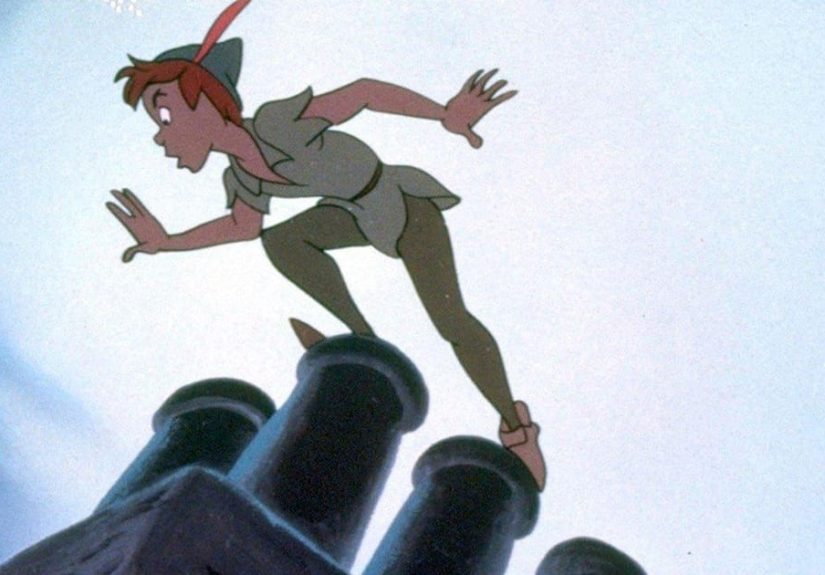
- 4) Disney’s Peter Pan (1953 animated) Most iconic, most complicated
- 5) Hook (1991) Best “sequel energy,” biggest nostalgia split
- 6) Finding Neverland (2004) Best “why the story exists” companion piece
- 7) Peter Pan & Wendy (2023) Best attempt to modernize the legacy
- 8) Wendy (2020) Best “poetic fever dream” reimagining
- 9) Pan (2015) Biggest swing, most uneven landing
- 10) The “Peter Pan debate” itself Best proof the story is still alive
- Mini-rankings: best character takes (because we’re having fun)
- The uncomfortable part: what aged badly (and what to do with that)
- So… which Peter Pan should you start with?
- Final opinion: Peter Pan isn’t one storyit’s a mirror
- Experiences: how “Peter Pan rankings and opinions” show up in real life (extra)
Peter Pan is basically the original “main character energy” with a dagger. He flies, he crows, he refuses to grow up, and he somehow gets everyone else to do
his chores (Lost Boys: “We live in a tree!” Wendy: “Cool, I’ll parent you.”). More than a century after J.M. Barrie introduced the boy who wouldn’t grow up,
Peter keeps getting rebooted, remixed, and re-debatedbecause every generation sees a different story in Neverland. [1]
This article does two things: (1) ranks major Peter Pan versions you can read/watch (with honest opinions), and (2) explains why your favorite might say more
about you than about Peter. Yes, that includes the people who think Hook is secretly the greatest film ever made. I see you. I respect your commitment.
What “Peter Pan” actually is (and why it won’t stay put)
Barrie’s Peter Pan first showed up in print in 1902 and took the stage in 1904; the best-known novel form, Peter and Wendy, followed in 1911.
That’s the core myth: a child who can fly, a girl who gets tasked with “mother,” pirates who never filed the appropriate permits, and a place called Neverland
where time behaves like a catonly predictable when it wants to be. [1]
In the U.S., one big reason Peter keeps multiplying is legal and practical: early versions of classic works continue to roll into the public domain over time,
which encourages new reinterpretations (some heartfelt, some… aggressively weird). In fact, Barrie’s 1928 published play script became public domain in the U.S.
in 2024, which is like ringing a dinner bell for adapters. [2]
How this ranking works
I’m ranking versions by a mix of craft and cultural staying powernot just box office, not just nostalgia, and not just “how much glitter was used per scene.”
Here are the criteria:
- Story clarity: Does it actually know what it’s about?
- Emotional truth: The best Peter Pan stories are funny and faintly heartbreaking.
- Neverland vibe: Wonder, danger, and a tiny bit of “we should not be here after dark.”
- Peter/Hooks/Wendy factor: If one of them collapses, the whole thing limps.
- Modern awareness: Classic doesn’t mean unexaminedsome versions handle dated elements better than others.
- Rewatch/return value: Do you want to come back, or do you feel like you’ve already had enough pixie dust for one lifetime?
The rankings
1) Peter Pan (2003 live-action) Best overall “straight” adaptation
The 2003 film earns the top spot because it takes Barrie seriously without turning the story into a museum tour. It leans into the bittersweet edgethe idea
that Neverland is magical, yes, but also emotionally expensive. It’s romantic without being syrupy, and it gives Wendy more than polite astonishment to do.
Critics often singled it out as one of the more faithful, emotionally tuned modern takes. [3]
Also: Captain Hook works here because he’s theatrical and genuinely threateninglike someone who studied fencing and monologuing with equal intensity.
If your default image of Peter Pan is “storybook but cinematic,” this is probably why.
2) Barrie’s core texts (1904 play / 1911 novel) Best writing, sharpest bite
If you’ve only met Peter through family-friendly adaptations, the original will surprise you. Barrie’s tone is playful, but the story carries a shadow:
Peter’s charm has teeth; the comedy often lands right next to melancholy. The emotional thesis is basically: childhood is real, but it’s not permanent,
and pretending otherwise can turn cruel. [1]
This isn’t “ranked” #1 because it’s the most watchable; it’s ranked #2 because it’s the foundation and the most psychologically interesting version of Peter.
Everything else is an argument with this textsometimes a loving argument, sometimes a loud one.
3) Peter Pan (1954 Broadway musical + 1955 NBC live television) Best cultural event
The Mary Martin Broadway production is the reason “Peter Pan” became a living-room tradition for so many American families. On Broadway it ran from October 1954
into early 1955, and the live NBC telecast in 1955 was a ratings monsteran estimated 65 million viewers, which is the kind of number that makes modern streaming
executives weep into their spreadsheets. [4]
Martin’s performance shaped the stage tradition for decades, and she won a Tony for itbecause of course she did. [5]
This version is peak “theater kid Neverland”: big emotions, bigger gestures, and the delightful feeling that someone backstage is doing math so the flying doesn’t
become accidental slapstick.
4) Disney’s Peter Pan (1953 animated) Most iconic, most complicated
There’s no denying the 1953 animated film is the Peter Pan “look” for millions of people: the green suit, the crocodile clock, Tinker Bell’s expressive
rage-sparkle. It’s also an unquestionable influence machineon animation, on theme parks, on how pop culture packages “Neverland.” Disney’s own film listings
place its release in early 1953, and it remains one of the studio’s defining mid-century classics. [6]
But here’s the honest part: it also contains racial and cultural stereotypingespecially in depictions of Indigenous charactersthat modern audiences rightly
criticize. That’s why Disney+ later added stronger content advisories to titles including Peter Pan, acknowledging harmful depictions rather than pretending
the past was harmless. [7]
My opinion: it’s an essential historical artifact and a nostalgic favorite for many, but it’s not a “turn your brain off” rewatch anymore. If you share it with
kids, it works best with context, not silence.
5) Hook (1991) Best “sequel energy,” biggest nostalgia split
Hook is what happens when Peter Pan grows up, becomes a stressed-out adult, and Neverland responds by basically staging an intervention. Some critics were
mixed, but audiences built a long-running love affair with itbecause it understands something profound: the fantasy isn’t only about staying a child; it’s about
remembering how to feel wonder without needing a crisis to unlock it.
It’s also a major box-office moment of its era, with a reported $70M budget and worldwide gross around $119M. [8]
Opinion-wise, it’s messy in placesbut when it hits, it hits like a food fight you’re emotionally grateful for.
6) Finding Neverland (2004) Best “why the story exists” companion piece
This one isn’t a Peter Pan adventure so much as a story about the storyabout Barrie and the relationships that helped shape Neverland in the first place.
It’s warm, wistful, and very good at translating imagination into something you can almost touch. It also earned major awards attention, including multiple
Academy Award nominations and a win for Original Score. [9]
If you love Peter Pan because it makes you feel that ache behind childhood (the part you don’t post on Instagram), this is your pick.
7) Peter Pan & Wendy (2023) Best attempt to modernize the legacy
Modern remakes live under a microscope, and this film’s most interesting choice is its intention: it tries to correct elements of the Disney legacy that aged
badlyespecially around representationrather than pretending “it’s just a classic.” Entertainment coverage highlighted how the film approached Tiger Lily with an
Indigenous actor, language, and cultural consultation, aiming for something more respectful than older caricatures. [10]
Opinion: it’s not the definitive version, but it’s one of the more thoughtful “what do we keep, what do we change?” experiments in the Peter Pan ecosystem.
8) Wendy (2020) Best “poetic fever dream” reimagining
Wendy isn’t trying to be your childhood comfort watch. It’s a mood piece: rawer, stranger, and more grounded in nature than in sparkle. It reframes
Neverland as a place that tests what childhood costsand what adulthood requires. If you like your fairy tales slightly feral, it’s worth your time. [11]
Opinion: not for everyone, but deeply for someonethe kind of film you recommend with intense eye contact.
9) Pan (2015) Biggest swing, most uneven landing
The 2015 prequel has ambition and spectacle, but it often feels like it’s speed-running its own myth. Rotten Tomatoes’ critical consensus captures the vibe:
flashes of magic surrounded by a rushed plot and noisy action. [12]
Financially, it’s remembered as a cautionary tale of blockbuster economics, with reported budget and worldwide totals that didn’t inspire sequels. [13]
Opinion: if you’re a Peter Pan completist, you’ll watch it once and then have a lot of opinions, most of them beginning with “Okay, but why…”
10) The “Peter Pan debate” itself Best proof the story is still alive
Here’s the twist: the most enduring Peter Pan adaptation might be the argument we keep having about Peter Pan. Is Peter a symbol of freedom or avoidance?
Is Neverland a refuge or a trap? Is Hook the villain, or is time the real crocodile? Barrie built a story elastic enough to hold all of these takes, and that’s
why Peter keeps returning. [1]
Mini-rankings: best character takes (because we’re having fun)
Best Captain Hook vibes
- Most theatrical menace: 2003 live-action Hook. [3]
- Most iconic “classic” Hook: 1953 Disney Hook (pure storybook villainy, with style). [6]
- Most human (and weirdly moving): Hook (1991), where Hook is basically running on ego, grief, and excellent tailoring. [8]
Best Wendy energy
- Most balanced (curious + brave): 2003 live-action Wendy. [3]
- Most “Wendy is the protagonist, actually”: Wendy (2020). [11]
- Most deliberately modernized agency: Peter Pan & Wendy (2023). [10]
The uncomfortable part: what aged badly (and what to do with that)
A lot of Peter Pan’s legacy includes portrayals that reflect colonial attitudesespecially in depictions of Indigenous people. Smithsonian Magazine has outlined
how those portrayals developed and why they’re harmful, including how stereotypes became normalized through repetition in popular culture. [14]
The “best practice” approach today is neither denial nor deletion. Many platforms, including Disney+, have used on-screen advisories to acknowledge outdated and
offensive depictions. And in 2025, major entertainment reporting noted Disney+ adjusted the wording of those advisories againproof that even the framing of
context is now part of the cultural conversation. [15]
So… which Peter Pan should you start with?
- If you want the best all-around adventure with heart: 2003 live-action.
- If you want the “American tradition” version: 1954/1955 stage-TV era.
- If you want iconic animation (with context): Disney 1953.
- If you want the grown-up emotional sequel: Hook (1991).
- If you want the story behind the story: Finding Neverland (2004).
Final opinion: Peter Pan isn’t one storyit’s a mirror
Your favorite Peter Pan is probably the one that meets you where you are. As a kid, you might want flying and pirates. As a teen, you might want rebellion and
romance. As an adult, you might want the part where wonder returnswithout pretending time doesn’t exist.
And that’s the real magic: Peter Pan survives because it’s not only about refusing to grow up. It’s about negotiating what you keep, what you lose, and what you
choose to remember.
Experiences: how “Peter Pan rankings and opinions” show up in real life (extra)
If you ask ten people for their Peter Pan ranking, you don’t just get a listyou get a tiny autobiography. The Disney loyalist usually describes a specific
moment: a rainy afternoon, a VHS tape that had been watched into softness, and the instant Tinker Bell lit up the screen like a tiny, furious firework.
They’ll quote a line, hum a melody, and thenif they’re being honestpause when the conversation turns to what aged badly. That pause is part of the experience
now: loving something, re-seeing it, and deciding how to hold both feelings at once.
The theater person’s ranking is different. Their core memory isn’t a cartoonit’s a harness. It’s standing backstage in a school auditorium, listening to the
orchestra (or the brave keyboard teacher) and waiting for the moment someone whispers, “Ready to fly.” And even if the “flight” is mostly a careful swing over
stage lights, it can feel like actual magic. Theater Peter Pan fans tend to rank versions by how it felt in the room: the applause after the crow, the
laugh when Hook misses the obvious, the hush when Wendy realizes she can’t keep everyone in Neverland forever.
Then there’s the Hook crowd, who often rewatch it at a very specific life stage: the first time adulthood stops feeling like cosplay and starts feeling
like a full-time job. They’ll tell you they didn’t “get it” as kids, and then one day it hitsthis version isn’t about Neverland as a playground; it’s about
Neverland as a permission slip. It’s a movie people use like emotional jumper cables: to restart wonder when everything feels like calendars and inboxes.
A surprisingly common experience is “ranking whiplash.” You revisit your childhood favorite and discover your opinions have… evolved. Suddenly, Wendy isn’t a
side character; she’s doing unpaid labor in a fantasy economy with zero benefits. Suddenly, Hook isn’t only a villain; he’s also the story’s exaggerated fear
of time and consequence. Suddenly, Peter’s charisma reads less like freedom and more like avoidance. That doesn’t ruin the storyit can deepen it, because it
proves Peter Pan isn’t static. You changed, and the tale changed with you.
And finally, there’s the “Neverland as a debate” experience: watching with friends or family and talking afterward. Who is this story for? What should be
updated and what should be preserved? How do we share old classics responsibly? Those conversations can get passionate fastbecause Peter Pan sits right on top
of the things people care about: childhood, identity, responsibility, imagination, and cultural memory. In that sense, your rankings aren’t just entertainment.
They’re your way of saying what you want stories to do in the world: comfort you, challenge you, or (best case) both.