Table of Contents >> Show >> Hide
- What Is Heart Valve Replacement Surgery?
- So, How Serious Is Heart Valve Replacement Surgery?
- Types of Heart Valve Replacement Procedures
- Heart Valve Replacement Recovery Time: What to Expect
- Common Risks of Heart Valve Replacement Surgery
- Mechanical Valve vs. Tissue Valve: Which Is More Serious?
- Warning Signs After Surgery: When to Call a Doctor
- How to Improve Recovery After Heart Valve Replacement
- Real-Life Recovery Experiences: What Patients Often Notice
- Conclusion
Heart valve replacement surgery is serious in the same way a big family group text is serious: everyone is involved, timing matters, and one wrong move can create chaos. But unlike a group text, this procedure is also one of the most established, life-improving treatments in modern heart care. For many people with severe valve disease, replacing a damaged heart valve can reduce symptoms, improve blood flow, prevent heart failure from getting worse, and help them return to a fuller life.
Still, “serious” does not automatically mean “hopeless” or “too dangerous.” It means the operation deserves respect, preparation, and a realistic understanding of the recovery process. Heart valve replacement may be done through traditional open-heart surgery, minimally invasive surgery, or a catheter-based procedure such as transcatheter aortic valve replacement, commonly called TAVR. The recovery time, risk level, hospital stay, and long-term medication plan depend on the valve involved, the surgical approach, the patient’s age, overall health, and whether other heart procedures are done at the same time.
This guide explains how serious heart valve replacement surgery is, what recovery usually looks like, what risks patients should understand, and what everyday life may feel like after the procedure.
What Is Heart Valve Replacement Surgery?
The heart has four valves: the aortic, mitral, pulmonary, and tricuspid valves. Their job is simple but critical: keep blood moving in the right direction. When a valve becomes too narrow, called stenosis, or does not close properly, called regurgitation, the heart has to work harder. Over time, that extra workload can lead to shortness of breath, chest discomfort, fatigue, dizziness, swelling, abnormal heart rhythms, or heart failure.
Heart valve replacement surgery removes or bypasses the damaged valve and replaces it with an artificial valve. The replacement valve may be mechanical, made from durable artificial materials, or biological, made from animal or human tissue. Mechanical valves can last a very long time, but they usually require lifelong blood-thinning medicine. Tissue valves typically do not require lifelong anticoagulation for everyone, but they may wear out over time and require another procedure later.
Doctors often prefer valve repair when it is safe and effective, especially for some mitral valve problems. However, replacement becomes necessary when the valve is too damaged, stiff, calcified, infected, or structurally abnormal to repair well.
So, How Serious Is Heart Valve Replacement Surgery?
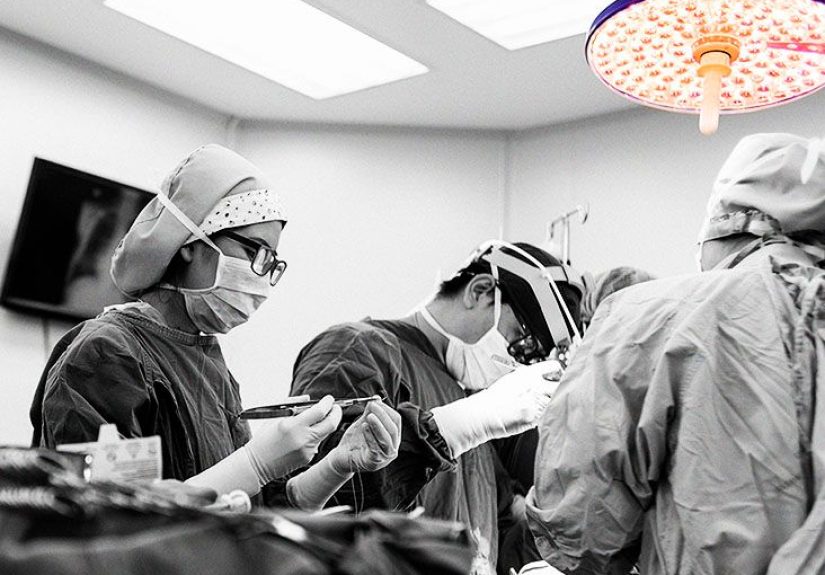
Heart valve replacement is a major medical procedure. If it is performed as open-heart surgery, the surgeon usually opens the chest, uses a heart-lung machine, temporarily stops the heart, removes the diseased valve, and places the new one. That is not exactly a “walk in the park,” unless the park also has an intensive care unit and a cardiothoracic surgeon.
However, seriousness should be balanced with perspective. Heart valve replacement is commonly performed, highly studied, and often successful when patients are carefully evaluated and treated by an experienced heart team. For many people, the greater danger is not having the procedure when severe valve disease is already damaging the heart.
The seriousness depends on several factors:
- Age: Older adults may have higher surgical risk, especially with frailty or multiple medical conditions.
- Heart function: A weakened heart may make surgery and recovery more complex.
- Other health conditions: Kidney disease, lung disease, diabetes, prior stroke, and vascular disease can increase risk.
- Type of valve disease: Severe aortic stenosis, mitral regurgitation, or multiple valve problems may require different strategies.
- Procedure type: Open surgery, minimally invasive surgery, and TAVR have different recovery timelines and risk profiles.
- Urgency: Planned surgery is generally safer than emergency surgery.
In short, heart valve replacement surgery is serious, but it is also often the treatment that prevents a serious valve problem from becoming life-threatening.
Types of Heart Valve Replacement Procedures
Open-Heart Valve Replacement
Traditional open-heart valve replacement is the most invasive approach. It may involve a full sternotomy, meaning the breastbone is divided so the surgeon can reach the heart. This method gives the surgical team excellent visibility and control, which is especially important for complex cases, multiple valve problems, or combined procedures such as valve replacement plus coronary bypass surgery.
Recovery usually takes longer because the breastbone and chest muscles need time to heal. Patients may need to avoid heavy lifting, pushing, or pulling for several weeks.
Minimally Invasive Valve Surgery
Minimally invasive valve surgery uses smaller incisions, sometimes between the ribs or through a smaller opening in the chest. Not every patient is a candidate, but when appropriate, this approach may reduce pain, shorten the hospital stay, and speed up recovery compared with traditional open-heart surgery.
Transcatheter Valve Replacement
Transcatheter aortic valve replacement, or TAVR, is a less invasive option for many patients with aortic stenosis. Instead of opening the chest, doctors guide a replacement valve through a catheter, often inserted through an artery in the groin. TAVR can be especially helpful for older adults or people who face higher risk from open surgery.
TAVR usually offers a faster recovery, but it is still a serious heart procedure. Possible complications include bleeding, stroke, vascular injury, valve leakage, kidney problems, abnormal heart rhythms, and the need for a pacemaker.
Heart Valve Replacement Recovery Time: What to Expect
Recovery time after heart valve replacement varies. For many people who have open-heart surgery, recovery takes about four to eight weeks, and some need up to three months to feel more like themselves. Minimally invasive procedures may allow a shorter recovery. TAVR patients often recover faster, sometimes returning to light activity within days to a few weeks, depending on their condition.
The First 24 to 48 Hours
After surgery, patients are usually monitored in an intensive care unit or specialized cardiac recovery unit. Tubes, monitors, IV lines, and alarms may be present. It can look dramatic, but much of it is routine. Nurses and doctors monitor heart rhythm, blood pressure, oxygen levels, urine output, bleeding, pain, and breathing.
Patients may feel groggy, sore, thirsty, or confused at first. Temporary confusion can happen after major heart surgery, especially in older adults or after time on a heart-lung machine. The care team usually encourages deep breathing, coughing, and gentle movement as soon as safely possible.
The Hospital Stay
After open-heart valve replacement, a hospital stay may last several days or longer, depending on recovery speed and complications. Patients need to walk, eat, breathe well, manage pain, and show stable heart function before going home. After TAVR, the hospital stay may be shorter, and some patients go home within a day or two if everything looks good.
The First Two Weeks at Home
The first two weeks are often the “I thought I would feel better faster” phase. Fatigue is common. Appetite may be reduced. Sleep can be weird. The incision may feel sore, numb, itchy, or tight. Some people feel emotional, teary, anxious, or mildly depressed. This does not mean recovery is failing; it means the body has been through a major event.
During this time, patients usually focus on short walks, breathing exercises, wound care, medication schedules, and follow-up appointments. It is wise to have help at home for meals, transportation, laundry, and household chores. Your heart may be repaired, but your vacuum cleaner does not need to know that yet.
Weeks Three to Eight
Many patients gradually walk farther, feel stronger, and need less pain medication. If the breastbone was opened, lifting restrictions still matter. Cardiac rehabilitation may begin or continue during this period. Cardiac rehab is a supervised program that helps patients exercise safely, rebuild stamina, manage risk factors, and regain confidence.
After Two to Three Months
By two to three months, many patients feel significantly better, especially if symptoms such as breathlessness and fatigue were caused by the diseased valve. However, full recovery can take longer for people who were very sick before surgery, had complications, or needed multiple procedures.
Common Risks of Heart Valve Replacement Surgery
Every heart valve replacement has risks. The exact risk level is personal, which is why doctors use imaging, lab tests, physical exams, and surgical risk calculators before recommending treatment.
Bleeding
Bleeding can occur during or after surgery. Some patients need blood transfusions, and rarely, another procedure may be required to control bleeding. People taking blood thinners before surgery need careful medication planning.
Infection
Infection may occur at the incision site, in the lungs, in the urinary tract, or around the replacement valve. Infection of a heart valve, called endocarditis, is especially serious. Good dental hygiene and regular medical follow-up are important because bacteria from the mouth can sometimes enter the bloodstream.
Stroke or Blood Clots
Blood clots can form around artificial valves or during heart procedures. A clot may travel to the brain and cause a stroke. This is one reason blood-thinning medication may be needed, especially after mechanical valve replacement.
Abnormal Heart Rhythms
Arrhythmias, such as atrial fibrillation, can happen after surgery. Some rhythm problems are temporary, while others require medication, cardioversion, or a pacemaker.
Kidney Problems
Major heart procedures can stress the kidneys, especially in patients who already have kidney disease, diabetes, or circulation problems. Doctors monitor kidney function closely before and after surgery.
Valve Problems
A replacement valve can leak, malfunction, become infected, develop clots, or wear out. Tissue valves can degenerate over time. Mechanical valves are durable but require careful anticoagulation management.
Death
Death is a possible risk of heart valve replacement surgery, as it is with any major heart operation. The individual risk varies widely. A healthy person having a planned single-valve procedure may face a much lower risk than someone who needs emergency surgery with advanced heart failure and several other illnesses.
Mechanical Valve vs. Tissue Valve: Which Is More Serious?
Neither option is automatically “better” for everyone. A mechanical valve may be preferred for younger patients because it can last for decades, but it usually requires lifelong warfarin or another carefully managed anticoagulation plan. That means regular blood testing, medication discipline, and attention to bleeding risk.
A tissue valve may be preferred for older adults, people who cannot safely take long-term blood thinners, or patients who value avoiding lifelong anticoagulation. The tradeoff is durability. Tissue valves may last 10 to 20 years, sometimes less in younger patients, which means another valve procedure may be needed later.
The best choice depends on age, lifestyle, pregnancy plans, bleeding risk, ability to manage medication, valve position, and personal preferences. This decision should be made with a heart team, not with a late-night internet spiral and a half-eaten bag of pretzels.
Warning Signs After Surgery: When to Call a Doctor
Patients should follow their discharge instructions carefully. Call the care team promptly if any of these symptoms occur:
- Fever or chills
- Increasing redness, swelling, drainage, or warmth around the incision
- Worsening chest pain or shortness of breath
- Rapid, irregular, or pounding heartbeat
- Sudden weakness, facial drooping, confusion, or trouble speaking
- Severe dizziness or fainting
- Unusual bleeding or black stools, especially while taking blood thinners
- Sudden swelling in the legs or unexplained weight gain
How to Improve Recovery After Heart Valve Replacement
Recovery is not only about waiting. Patients can actively support healing by following medical instructions, taking medications correctly, attending follow-up visits, and joining cardiac rehabilitation when recommended.
Walking is often one of the best early exercises. Start small and build gradually. A five-minute walk counts. So does walking to the mailbox without needing a dramatic movie soundtrack. The goal is steady progress, not heroic suffering.
Nutrition also matters. A heart-healthy eating pattern usually emphasizes vegetables, fruits, whole grains, lean proteins, beans, nuts, and limited sodium, saturated fat, and highly processed foods. Patients on warfarin should ask their care team about vitamin K consistency, especially with leafy greens. The message is not “never eat spinach.” It is “do not surprise your blood thinner with a spinach festival.”
Sleep, stress control, and emotional recovery are also important. Anxiety after heart surgery is common. Some patients feel vulnerable because they suddenly realize their heart is not just a poetic symbol used in love songs; it is a working muscle that needed a repair crew. Talking with family, joining a support group, or asking the doctor about anxiety or depression can help.
Real-Life Recovery Experiences: What Patients Often Notice
Many people expect recovery from heart valve replacement surgery to feel like a straight line: surgery, rest, better, done. In reality, recovery often feels more like a staircase with a few squeaky steps. One day may bring a burst of energy, and the next day may feel slow and heavy. This pattern can be frustrating, but it is common.
A typical open-heart surgery patient may describe the first week at home as surprisingly tiring. Getting out of bed, showering, and eating breakfast can feel like completing a small triathlon, minus the medal and cheering crowd. Chest soreness may be manageable with medication, but coughing, laughing, or sneezing can be uncomfortable. Many patients are taught to hold a pillow against the chest when coughing or moving. It looks simple, but that pillow may become the unofficial best friend of recovery.
Sleep is another common challenge. Some patients cannot get comfortable lying flat. Others wake often or feel restless. A recliner or extra pillows may help, but patients should follow their care team’s instructions. Appetite may be low for a while, and food can taste different after anesthesia or medication. Small meals with protein, fluids, and fiber can be easier than large plates of food.
Emotionally, recovery can be more intense than expected. A patient may feel grateful one moment and irritated the next because opening a jar is suddenly a major life event. Family members may want to help but not know how. The best arrangement is usually practical and specific: help with groceries, rides to appointments, medication reminders, laundry, and meals. Vague offers like “let me know if you need anything” are nice, but “I’ll drive you to cardiac rehab Tuesday” is gold.
Patients who have TAVR may have a very different experience. Some feel better quickly, especially if severe aortic stenosis had caused major shortness of breath. Because TAVR does not usually require opening the chest, soreness may be focused around the catheter insertion site. However, fast recovery does not mean the procedure was minor. Patients still need monitoring, follow-up echocardiograms, medication management, and awareness of warning signs.
Cardiac rehabilitation is often one of the most confidence-building parts of recovery. Many patients are nervous the first time they exercise after valve replacement. They may wonder, “Is my heart okay with this?” In rehab, trained professionals monitor exercise, teach safe pacing, and help patients understand what is normal. Over time, walking farther, climbing stairs more easily, or returning to hobbies can feel like getting pieces of life back.
Another common experience is learning to live with a new valve. Some people with mechanical valves hear a soft clicking sound, especially in quiet rooms. At first it can feel strange, like having a tiny metronome in the chest. Many patients adjust and eventually find it reassuring. People taking blood thinners learn routines around lab checks, dosing, diet consistency, and bleeding precautions. It may feel overwhelming at first, but it often becomes manageable with practice.
The biggest lesson from many recovery stories is this: healing requires patience. Progress is not always dramatic, but small wins matter. Walking a little farther, needing fewer naps, breathing more easily, or feeling less afraid are all signs that the body is rebuilding. Heart valve replacement surgery is serious, but recovery is also a process of rediscovering strength one ordinary day at a time.
Conclusion
Heart valve replacement surgery is serious because it involves one of the body’s most important organs, carries real risks, and requires careful recovery. But it is also a well-established and often life-changing treatment for people with severe valve disease. The operation may be performed through open-heart surgery, minimally invasive techniques, or catheter-based procedures such as TAVR. Recovery may take a few weeks to several months, depending on the approach and the patient’s overall health.
The most important takeaway is that heart valve replacement should not be viewed only through fear. It should be viewed through preparation. Patients who understand the risks, follow instructions, attend follow-up visits, participate in cardiac rehab, and communicate with their care team often feel more confident and better equipped for recovery. The surgery is serious, yes. But for many people, it is also the step that helps the heart do its job again without working overtime like an underpaid intern.