Table of Contents >> Show >> Hide
- When Your Gallbladder Throws a Tiny Stone Tantrum
- What Gallbladder Pain Usually Feels Like
- How to Ease Gallbladder Pain: 7 Options for Fast Relief
- 1. Stop Eating for the Moment and Switch to Small Sips
- 2. Use a Warm Compress on the Upper Right Abdomen
- 3. Consider an Over-the-Counter Pain RelieverBut Choose Carefully
- 4. Try a Comfortable Position and Slow Breathing
- 5. Keep Food Low-Fat After the Pain Settles
- 6. Know When “Fast Relief” Means Going to Urgent Care
- 7. Get a Medical Plan to Prevent the Next Attack
- What Not to Do During Gallbladder Pain
- How Doctors May Diagnose Gallbladder Pain
- Practical Meal Ideas After a Gallbladder Attack
- Experiences and Real-Life Lessons: What Gallbladder Pain Teaches People
- Conclusion
Note: This article is for general education only and should not replace medical care. Gallbladder pain can sometimes signal a blocked bile duct, infection, or inflammation that needs urgent treatment.
When Your Gallbladder Throws a Tiny Stone Tantrum
Gallbladder pain has a special talent for showing up at the worst possible moment: after a rich dinner, in the middle of the night, or right when you were convinced that extra-cheesy meal was “probably fine.” The pain may feel sharp, cramping, squeezing, or deep and steady. It often appears in the upper right side of the abdomen, under the ribs, and may travel to the back or right shoulder blade. Some people also feel nauseated, bloated, sweaty, or unable to get comfortable.
The most common reason is a gallstone temporarily blocking the flow of bile. Your gallbladder stores bile, a digestive fluid that helps break down fat. When you eat a fatty meal, the gallbladder contracts. If a stone gets in the way, your body reacts with the digestive equivalent of a traffic jam: pressure, spasms, and pain.
So, can you ease gallbladder pain fast? Sometimes, yesespecially if the pain is mild and related to a short gallbladder attack. But “fast relief” should never mean ignoring danger signs. If pain is severe, lasts more than a few hours, comes with fever, chills, yellow skin or eyes, dark urine, pale stools, chest pain, confusion, or repeated vomiting, skip the home remedies and get urgent medical care. Your gallbladder may be small, but it is fully capable of creating a big medical situation.
What Gallbladder Pain Usually Feels Like
Gallbladder pain can be sneaky because it may mimic indigestion, gas, acid reflux, or even a pulled muscle. However, several clues point toward the gallbladder:
- Pain in the upper right abdomen or center upper abdomen
- Pain that spreads to the right shoulder or between the shoulder blades
- Pain that begins after eating, especially after fatty or fried foods
- Nausea, vomiting, bloating, or burping
- Pain that builds quickly and stays steady rather than coming and going every few seconds
- Attacks that happen at night or after a heavy meal
A gallbladder attack may settle on its own if the stone moves and bile starts flowing again. But if attacks repeat, that is your body waving a tiny yellow flag that says, “Please schedule a medical evaluation.” Recurrent gallbladder pain is not something to treat with wishful thinking, herbal mystery drinks, or pretending soup counts as a medical plan.
How to Ease Gallbladder Pain: 7 Options for Fast Relief
1. Stop Eating for the Moment and Switch to Small Sips
When gallbladder pain starts, pause the meal. This is not the time to “push through” with one more bite of fried chicken or buttery mashed potatoes. Eating, especially eating fat, signals the gallbladder to squeeze. If a stone is blocking the exit, that squeeze can intensify pain.
Instead, take small sips of water if you can keep fluids down. Avoid alcohol, greasy foods, creamy sauces, large meals, and very sugary drinks during an attack. If nausea is present, bland fluids and rest may be easier than solid food. Once the pain settles, restart gently with low-fat options such as toast, rice, bananas, oatmeal, broth-based soup, applesauce, or plain crackers.
This step will not dissolve gallstones, but it may reduce stimulation of the gallbladder while you decide whether symptoms are improving or becoming urgent. Think of it as turning down the volume on the digestive orchestra while the percussion sectionthe gallbladderis going rogue.
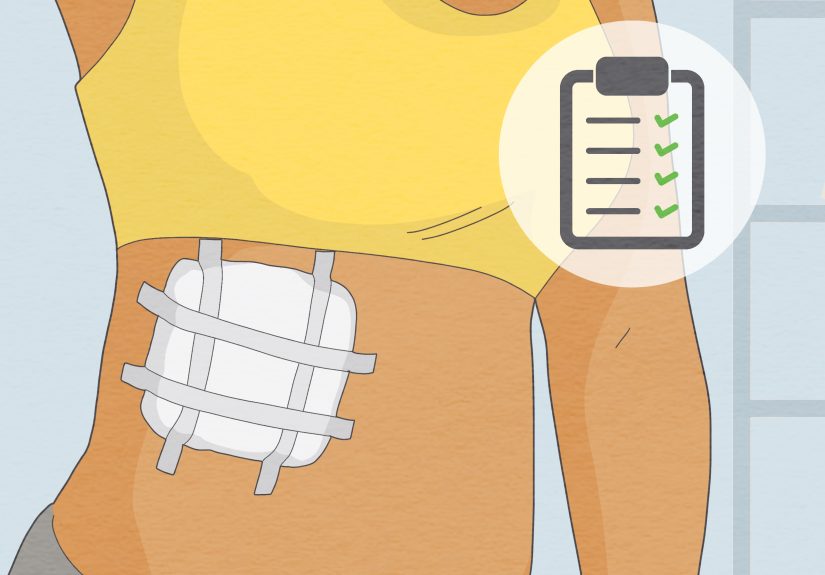
2. Use a Warm Compress on the Upper Right Abdomen
Heat can relax tight muscles and may make abdominal discomfort more manageable. Place a warm compress, heating pad, or warm towel over the upper right abdomen for 15 to 20 minutes at a time. Keep the heat warm, not scorching. Your goal is comfort, not accidentally creating a toasted rib situation.
Heat is most helpful for mild to moderate discomfort. It may not touch severe gallbladder pain, and it will not fix an infection, blocked duct, or inflamed gallbladder. Still, for some people, warmth provides enough relief to breathe easier, relax the abdominal wall, and avoid pacing the hallway like a worried Victorian ghost.
Do not sleep with an electric heating pad turned on, and avoid heat if you have numb skin, poor circulation, or a condition that makes burns more likely.
3. Consider an Over-the-Counter Pain RelieverBut Choose Carefully
Pain relievers can help, but safety matters. Nonsteroidal anti-inflammatory drugs, also called NSAIDs, such as ibuprofen or naproxen, are commonly used for biliary colic when they are safe for the person taking them. They may reduce pain and inflammation. However, NSAIDs are not right for everyone.
Avoid NSAIDs or ask a clinician first if you are pregnant, take blood thinners, have kidney disease, have a history of stomach ulcers or bleeding, have severe heart disease, have uncontrolled high blood pressure, or have been told not to use them. Also avoid stacking multiple NSAIDs together. Taking ibuprofen plus naproxen is not “double courage”; it is double trouble.
Acetaminophen may be another option for pain, but it must be used exactly as directed on the label. Taking too much acetaminophen can seriously damage the liver. Be especially careful if you drink alcohol, have liver disease, or take cold, flu, or sleep products that may already contain acetaminophen.
If pain is intense enough that normal over-the-counter medicine does not help, or if it keeps coming back, you need medical care rather than a stronger snack and crossed fingers.
4. Try a Comfortable Position and Slow Breathing
There is no magic gallbladder pose, unfortunately. If there were, yoga studios would have monetized it by Tuesday. Still, changing position can help you cope with the pain while symptoms are mild or while you are waiting for care.
Some people feel better lying on the left side, which may reduce pressure around the gallbladder area. Others prefer sitting upright with knees slightly bent or reclining with pillows behind the back. Avoid tight waistbands and anything that presses on the upper abdomen.
Slow breathing can also reduce the panic that often comes with abdominal pain. Try inhaling slowly through the nose for four counts, pausing briefly, then exhaling for six counts. This will not move a gallstone, but it can help calm muscle tension and make the episode feel less overwhelming.
5. Keep Food Low-Fat After the Pain Settles
Once the attack eases, food choices matter. A low-fat approach can help reduce gallbladder stimulation and may lower the chance of another post-meal flare. Choose smaller meals instead of one giant “I deserve this” plate. Your gallbladder appreciates moderation, even if your cravings file a formal complaint.
Helpful low-fat foods may include:
- Oatmeal, brown rice, whole-grain toast, and other high-fiber grains
- Vegetables, fruits, beans, and lentils
- Lean proteins such as skinless poultry, fish, tofu, or egg whites
- Broth-based soups instead of creamy soups
- Low-fat yogurt or low-fat dairy if tolerated
- Healthy fats in small amounts, such as olive oil, rather than fried foods
Foods that commonly trigger symptoms include fried foods, bacon, sausage, butter-heavy dishes, cream sauces, fast food, pizza loaded with cheese, pastries, and large portions of fatty meat. Not everyone reacts the same way, so a simple food-and-symptom journal can help identify your personal triggers.
Do not crash diet. Rapid weight loss can increase the risk of gallstone problems. Slow, steady weight management is kinder to your gallbladder and far less dramatic than a diet that begins with “no carbs, no joy, no future.”
6. Know When “Fast Relief” Means Going to Urgent Care
Home care is only appropriate when symptoms are mild, familiar, and improving. Gallbladder pain can become serious when a stone stays stuck, the gallbladder becomes inflamed, or infection develops.
Seek urgent medical care if you have:
- Severe pain or pain lasting more than a few hours
- Fever or chills
- Yellow skin or yellow eyes
- Dark urine or pale, clay-colored stools
- Persistent vomiting or inability to keep fluids down
- Confusion, weakness, fainting, or rapid heartbeat
- Chest pain, shortness of breath, or pain that feels different from prior attacks
These signs may point to cholecystitis, bile duct blockage, pancreatitis, or infection. In that situation, the fastest relief is not a heating pad. It is a medical team with imaging, lab tests, IV fluids, stronger pain control, antibiotics if needed, and a plan.
7. Get a Medical Plan to Prevent the Next Attack
Short-term relief is useful, but repeated gallbladder attacks deserve a real plan. A clinician may order an abdominal ultrasound, blood tests, or other imaging to check for gallstones, inflammation, infection, or bile duct blockage.
If gallstones are causing symptoms, surgery to remove the gallbladder, called cholecystectomy, is often recommended. The idea can sound alarming, but people can live without a gallbladder. Bile still reaches the small intestine; it just flows directly from the liver rather than being stored first. Some people have temporary diarrhea or digestion changes afterward, but many return to normal eating over time with sensible adjustments.
Nonsurgical treatments, such as medications to dissolve certain cholesterol stones, are used only in selected situations and can take months or years. Stones may also return. That is why a personalized medical plan matters. The goal is not just to survive the next attack; it is to stop scheduling your life around your gallbladder’s mood swings.
What Not to Do During Gallbladder Pain
Do Not Try a Gallbladder Cleanse
Gallbladder cleanses, liver flushes, olive-oil detoxes, and similar remedies are often promoted online as a way to “flush out” stones. The problem is that reliable medical evidence does not show that these cleanses safely or effectively treat gallstones. They can also cause nausea, vomiting, diarrhea, and abdominal painthe exact guest list you were trying not to invite.
Do Not Ignore Recurring Pain
If the pain keeps returning after meals, do not keep negotiating with it like a difficult coworker. Recurring attacks often mean the underlying gallstone problem is still present. Medical evaluation can prevent complications and help you choose the right treatment.
Do Not Assume Every Upper Abdominal Pain Is Gallbladder Pain
Heartburn, ulcers, pancreatitis, liver problems, kidney stones, pneumonia, and even heart issues can cause pain that overlaps with gallbladder symptoms. If pain is new, severe, unusual, or accompanied by chest symptoms, shortness of breath, sweating, or fainting, get urgent help.
How Doctors May Diagnose Gallbladder Pain
Diagnosis usually starts with your symptom story: where the pain is, how long it lasts, what you ate before it started, whether you have nausea or fever, and whether the pain moves to the shoulder or back. A physical exam may include pressing under the right ribs to check tenderness.
Common tests include abdominal ultrasound, which can detect gallstones and signs of gallbladder inflammation. Blood tests may check white blood cell count, liver enzymes, bilirubin, and pancreatic enzymes. If a bile duct blockage is suspected, additional imaging or a procedure such as ERCP may be needed.
The key point: gallbladder pain is treatable, but guessing is a lousy diagnostic tool. A confirmed diagnosis helps separate “I need a low-fat dinner and follow-up appointment” from “I need hospital care today.”
Practical Meal Ideas After a Gallbladder Attack
After pain settles, keep meals simple for a day or two unless your clinician gives different instructions. Try small portions and notice how your body responds.
Breakfast Ideas
- Oatmeal with banana slices
- Whole-grain toast with a thin spread of jam
- Low-fat yogurt with berries
- Scrambled egg whites with spinach
Lunch Ideas
- Turkey or hummus sandwich on whole-grain bread
- Vegetable soup with rice or beans
- Grilled chicken salad with a small amount of vinaigrette
- Brown rice bowl with vegetables and tofu
Dinner Ideas
- Baked fish with steamed vegetables
- Skinless chicken breast with sweet potato
- Lentil soup with whole-grain crackers
- Pasta with tomato-based sauce instead of cream sauce
These meals are not glamorous in a “five-star butter fountain” way, but they can be gentle, filling, and gallbladder-friendly.
Experiences and Real-Life Lessons: What Gallbladder Pain Teaches People
People who deal with gallbladder pain often describe one shared experience: the first attack is confusing. Many assume it is indigestion, gas, or a dramatic response to dinner. They may pace, stretch, sip water, lie down, sit up, burp, pray to the digestive gods, and wonder why their right ribs suddenly feel like they are hosting a tiny construction crew.
One common lesson is that timing matters. Gallbladder pain often appears after rich meals, especially meals with fried foods, heavy sauces, fatty meats, or large portions. A person might feel perfectly fine during dinner, then wake up hours later with upper abdominal pain and nausea. After this happens two or three times, the pattern becomes harder to ignore. The body may be giving a clear message: “That meal was delicious, but we need to discuss consequences.”
Another experience is the false comfort of temporary relief. A gallbladder attack may fade after an hour or two, making it tempting to pretend nothing happened. But recurring pain usually means the issue has not disappeared. Many people only seek care after attacks become more frequent, last longer, or start coming with vomiting or fever. Looking back, they often wish they had scheduled an evaluation earlier instead of playing detective with antacids and internet searches at 2 a.m.
Food tracking can be surprisingly useful. A simple notebook or phone note can reveal patterns: pizza on Friday, pain overnight; fried chicken on Sunday, nausea by midnight; creamy pasta on Tuesday, upper-right abdominal pressure. The goal is not to become afraid of food. It is to identify triggers, reduce flare-ups, and bring better information to a healthcare provider.
People also learn that “healthy” does not always mean “safe for me right now.” Avocado, nuts, olive oil, salmon, and seeds can be part of a healthy diet, but they still contain fat. For someone with active gallbladder symptoms, even healthy fats may need smaller portions. This does not mean fat is evil. It means the gallbladder is irritated and may not appreciate a large workload.
Another real-life lesson is that pain intensity can change the plan. Mild discomfort after a meal may be watched carefully with low-fat food, fluids, warmth, and medical follow-up. Severe pain with fever, yellowing eyes, or repeated vomiting is different. That is not a “sleep it off” situation. Many people who ended up needing urgent care say the turning point was realizing the pain was not fading like before.
Finally, many people feel nervous about gallbladder surgery, then relieved after getting clear answers. Surgery is not everyone’s immediate path, but for symptomatic gallstones, it is a common long-term solution. The best experience usually comes from asking practical questions: What did my ultrasound show? Are my blood tests normal? Do I have signs of infection or blocked ducts? What should I eat while waiting for treatment? What symptoms mean I should go to the ER?
Gallbladder pain teaches a blunt but useful lesson: listen early. Your body does not need to scream before you take it seriously. A calmer diet, smart pain-relief choices, and timely medical care can turn a scary episode into a manageable plan.
Conclusion
Gallbladder pain can be frightening, but the right steps can help you respond wisely. For fast relief, stop eating temporarily, sip fluids if tolerated, use gentle heat, consider safe over-the-counter pain relief, rest in a comfortable position, keep meals low-fat afterward, and know when urgent care is necessary. These options may ease mild symptoms, but they do not remove gallstones or cure gallbladder disease.
If attacks keep happening, schedule a medical evaluation. Gallbladder problems are common, treatable, and much easier to handle with a clear diagnosis. The goal is simple: less pain, fewer surprises, and a digestive system that does not make dramatic announcements after dinner.