Table of Contents >> Show >> Hide
- Why the Catskills and Hudson Valley Feel Different
- The Historical Foundation: Stone, Timber, and Big Views
- Hudson River Estates: Architecture as Theater
- The Catskills Country House: Rustic, But Not Rough
- Farmhouses, Barns, and the Beauty of Useful Buildings
- Modern Country Living: Clean Lines Meet Mud Season
- Interior Style: Collected, Not Decorated to Death
- Outdoor Living: Porches, Gardens, Firepits, and Views
- Real Estate Appeal: Why Buyers Keep Looking North
- What Makes a Catskills or Hudson Valley Home Truly Work?
- Experiences Inspired by Country Life in the Catskills and Hudson Valley
- Conclusion
There are places where a house is just a house, and then there are places where a house has to negotiate with a mountain, a river, a maple tree, two centuries of history, and possibly a very opinionated deer. The Catskill Mountains and Hudson Valley belong firmly in the second category. Here, country life is not a decorative theme you buy in a store. It is a living conversation between landscape, architecture, weather, craft, and the people who choose to build a quieter life within reach of New York City.
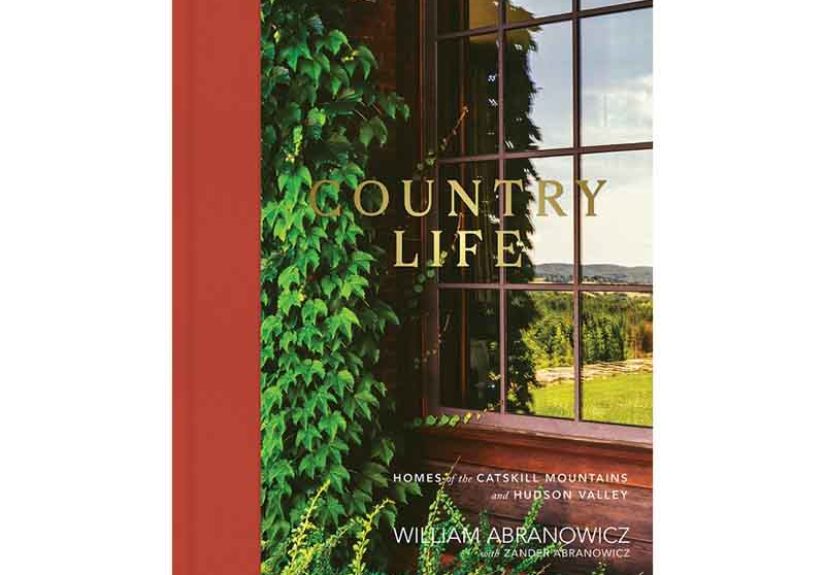
The title “Country Life: Homes of the Catskill Mountains and Hudson Valley” captures more than a pretty regional design idea. It points to a distinct way of living: houses shaped by mountain views, river light, old stone walls, working farms, artist studios, restored barns, modern cabins, and interiors that look relaxed but secretly know exactly what they are doing. From historic Hudson River estates to contemporary woodland retreats, the region has become one of America’s most admired destinations for country homes with soul.
Why the Catskills and Hudson Valley Feel Different
The Catskill Mountains rise west of the Hudson River with a moody, painterly drama that helped inspire the Hudson River School of American landscape painting. Across the river and along its banks, the Hudson Valley stretches through historic towns, farmland, bluffs, orchards, villages, and estates. The result is a rare combination: mountain seclusion, river grandeur, agricultural heritage, artistic pedigree, and enough weekend markets to make even a tomato feel famous.
Country homes in this region are not defined by one single style. That is part of the charm. A short drive may pass a Dutch stone house, a Federal-style mansion, a Greek Revival farmhouse, a Victorian river estate, a red barn conversion, a cedar-clad modern cabin, and a glass-walled home designed to frame the Catskills like a giant living painting. The shared ingredient is not architectural uniformity. It is relationship to place.
The Historical Foundation: Stone, Timber, and Big Views
Long before the phrase “upstate escape” began appearing in real estate copy, the Hudson Valley was already a region of settlement, agriculture, trade, art, and architecture. Dutch, English, French Huguenot, and later American building traditions left visible marks across the area. In Ulster County and New Paltz, early stone houses still show the practicality of thick masonry, modest proportions, and durable local materials. These homes were not trying to be rustic-chic. They were trying to survive winter, labor, and daily life without collapsing dramatically into the vegetable patch.
Historic Huguenot Street in New Paltz is one of the clearest examples of this architectural memory. Its early stone houses remind visitors that Hudson Valley country life has always been layered: European settlement, Indigenous history, enslaved labor, farming, faith, and family life all shaped the built environment. A beautiful old house here is not just a backdrop for a coffee-table photograph. It is evidence.
Then come the great houses and artist estates. The Thomas Cole National Historic Site in Catskill connects the domestic world to American art history. Cole’s home and studios sit between the Hudson River and the Catskill Mountains, a geography that became central to the way Americans imagined wilderness, beauty, and conservation. Nearby, Frederic Edwin Church’s Olana in Hudson turns the idea of a country house into something almost cinematic. Its hilltop setting, asymmetrical villa form, Victorian elements, and Middle Eastern decorative inspiration make it both a home and a complete artistic statement.
Hudson River Estates: Architecture as Theater
The Hudson Valley knows how to make an entrance. Boscobel House and Gardens in Garrison, a restored Federal-style house museum overlooking the Hudson River and West Point, demonstrates the region’s long fascination with design, history, and nature. Its elegant proportions, fine decorative arts, and landscape setting reveal a key Hudson Valley principle: the view is not an accessory. The view is part of the architecture.
This matters for modern homeowners too. Whether restoring an 1800s farmhouse or building a new weekend retreat, successful Hudson Valley design usually begins with orientation. Where does the morning light arrive? Which window catches the ridge? Where does snow drift? Can the porch see the meadow without staring directly into the neighbor’s hot tub? These are not small questions. They are the difference between a house that merely sits on land and one that belongs to it.
The Catskills Country House: Rustic, But Not Rough
The Catskills add a slightly wilder tone to the region’s residential identity. Mountain roads, forested lots, old resorts, creeks, hamlets, and ridgelines create a feeling of retreat. Homes here often lean into wood, stone, black metal, fieldstone fireplaces, simple rooflines, screened porches, mudrooms, and big windows. The best Catskills homes understand that “rustic” does not mean “dark, drafty, and haunted by a suspicious rocking chair.” It means tactile, grounded, and connected to the outdoors.
Modern Catskills design frequently borrows from barn architecture, Scandinavian cabins, mid-century simplicity, and the local agricultural vernacular. A cedar exterior may weather into the trees. A standing-seam metal roof may handle snow while giving the house a crisp silhouette. Inside, pale woods, stone floors, wool rugs, vintage furniture, handmade ceramics, and linen upholstery create warmth without clutter. It is comfort with hiking boots at the door.
Farmhouses, Barns, and the Beauty of Useful Buildings
The Hudson Valley and Catskills are rich with old farmhouses and barns because agriculture shaped the region for generations. Today, many country homeowners are drawn to these structures because they feel honest. A barn does not pretend. It says, “I was built to hold hay, animals, tools, and possibly your dream dinner party.” That directness is precisely the appeal.
Converted barns often feature soaring ceilings, exposed beams, sliding doors, loft spaces, and broad open interiors. Farmhouses offer smaller rooms, fireplaces, wide-plank floors, low ceilings, and a scale that feels human rather than theatrical. Renovating them requires restraint. The goal is not to erase age but to make the home livable while keeping its character intact. Original beams, stone foundations, old hardware, and irregular floorboards are not flaws. They are the house clearing its throat and telling you it has stories.
Modern Country Living: Clean Lines Meet Mud Season
One reason the Catskill Mountains and Hudson Valley have become design magnets is that the region welcomes contrast. A minimalist glass-and-wood home can sit near an 18th-century stone house without causing an architectural argument, provided it respects the land. Contemporary homes often use large windows, open-plan living areas, efficient envelopes, radiant heating, solar panels, local timber, and low-maintenance materials. But the smartest designs also accept rural reality.
Country life needs practical spaces. A beautiful Hudson Valley home should include a mudroom that can handle boots, dogs, snow, garden tools, and that one reusable grocery bag full of apples you forgot in the car. It should have storage for firewood, outdoor furniture, bicycles, skis, and farmers’ market enthusiasm. A modern country kitchen should be elegant, yes, but also ready for soup, jam, muddy carrots, and guests who suddenly become very interested in helping once dessert appears.
Interior Style: Collected, Not Decorated to Death
The best interiors in the Catskills and Hudson Valley rarely feel over-designed. They feel collected over time. Antiques sit beside contemporary sofas. A mid-century chair may share space with a braided rug, a modern ceramic lamp, and a landscape painting found in a local shop. This mix works because the region itself is layered. Old and new belong together here.
Color palettes often borrow from the landscape: moss green, river gray, bark brown, cream, slate, ocher, rust, cloudy blue, and the occasional burst of barn red. Natural materials are essential. Wood, stone, wool, linen, leather, clay, iron, and glass all help a home feel rooted. The trick is balance. Too much rustic décor and your living room starts auditioning for a maple syrup label. Too much minimalism and it feels like the house is waiting for permission to breathe.
Outdoor Living: Porches, Gardens, Firepits, and Views
Country homes in this region are only half indoors. Porches, decks, terraces, gardens, firepits, paths, meadows, and outdoor showers extend daily life into the landscape. A screened porch may become the true summer living room. A firepit can turn a chilly evening into a social event. A vegetable garden may begin as a charming weekend idea and quickly become a zucchini management crisis.
Native planting is increasingly important. Meadows, pollinator gardens, rain gardens, and preserved woodland edges can reduce maintenance while supporting local ecology. In a region shaped by conservation groups, historic landscapes, and climate awareness, the most forward-looking country homes treat land stewardship as part of ownership. The lawn does not need to be a golf course. In fact, in many places, it is better when it is not.
Real Estate Appeal: Why Buyers Keep Looking North
The Hudson Valley and Catskills remain attractive to buyers because they offer a rare combination of beauty, culture, space, and relative accessibility. Towns such as Hudson, Kingston, Rhinebeck, Saugerties, Catskill, Woodstock, New Paltz, Margaretville, Accord, and Livingston Manor each have their own personality. Some lean artsy. Some are food-focused. Some are outdoorsy. Some are quietly elegant. Some appear to contain more vintage stores than parking spots.
Buyers often look for privacy, views, acreage, historic charm, renovated systems, high-speed internet, and proximity to towns. Since remote and hybrid work changed residential priorities, the country house is no longer just a weekend escape. For many people, it is a full-time home, creative studio, family base, or small hospitality project. That shift has increased interest in well-designed properties, but it has also made smart renovation and responsible development more important.
What Makes a Catskills or Hudson Valley Home Truly Work?
1. It Respects the Landscape
A successful home does not fight the hill, the river, the trees, or the weather. It uses them. The driveway follows the land. Windows frame views rather than expose every room to summer glare. Outdoor areas feel natural rather than imposed.
2. It Balances Charm With Systems
Old houses are romantic, but plumbing is also romantic when it works. Good country living depends on roofs, insulation, wells, septic systems, heating, drainage, and electrical upgrades. The dream is wide-plank floors and reliable hot water.
3. It Has a Sense of Place
A home in this region should not feel copied from a beach resort, desert compound, or anonymous suburb. Local stone, regional craft, antique finds, native plants, and landscape-aware design help create authenticity.
4. It Allows for Real Life
Country homes need storage, durable finishes, guest rooms, work areas, and spaces for both solitude and gathering. A house that looks perfect but cannot handle wet boots is not a country house. It is a nervous photograph.
Experiences Inspired by Country Life in the Catskills and Hudson Valley
To understand Country Life: Homes of the Catskill Mountains and Hudson Valley, you have to imagine more than walls and roofs. Picture arriving on a Friday evening as the last light turns the ridges blue. The road narrows, the cell signal becomes philosophical, and suddenly the city noise drops away. A farmhouse porch light glows ahead. Somewhere nearby, a creek is doing its best impression of a sleep app.
Morning begins slowly. Not lazy, exactlycountry houses have a way of assigning chores before breakfastbut slower. Coffee tastes better when taken outside in a sweater. The air smells like leaves, damp stone, woodsmoke, or cut grass depending on the season. In summer, the house opens itself to screen doors and birdsong. In fall, every window becomes a framed painting. In winter, the fireplace earns its keep. In spring, mud arrives with such confidence that you almost admire it.
The experience of living here is deeply seasonal. A Catskills cabin may be all about snowshoes, stew, and stacked firewood in January, then become a swimming-hole headquarters in July. A Hudson Valley farmhouse may revolve around apple orchards in September, garden planning in April, and long dinners in August when tomatoes taste like they have been personally coached by the sun. The home becomes a calendar you can walk through.
Visitors often discover that the best moments are small. Reading beside a window while rain moves across the mountain. Buying bread from a village bakery and pretending you will not eat half of it in the car. Watching fog lift from a meadow. Finding the perfect old chair at an antiques shop. Realizing that the dining table is where everyone ends up, even if the living room has the better furniture. Country life here encourages attention, and attention is a luxury.
There is also community. Farm markets, art openings, trail cleanups, historic house tours, local theaters, cideries, bookstores, and small restaurants create a social rhythm that is lively without being frantic. The Hudson Valley and Catskills are not empty retreats. They are working regions with year-round residents, farmers, artists, builders, preservationists, chefs, teachers, and entrepreneurs. The most rewarding country homeowners understand that they are joining a place, not simply consuming a view.
Of course, country life is not all golden light and charming barns. There are power outages, gravel driveways, ticks, snowplows, surprise repairs, and the occasional raccoon with boundary issues. But these inconveniences are part of the bargain. They remind homeowners that beauty is not the same as convenience. A country home asks for participation. In return, it offers space, quiet, texture, history, and a daily relationship with the natural world.
That is why the homes of the Catskill Mountains and Hudson Valley continue to fascinate designers, buyers, writers, artists, and weekend dreamers. They show that a house can be refined without being precious, rustic without being crude, historic without being frozen, and modern without losing warmth. Most of all, they prove that country life is not an escape from real life. Done well, it is real life with better views.
Conclusion
Country Life: Homes of the Catskill Mountains and Hudson Valley is ultimately a story about belonging. The region’s houses are beautiful because they are shaped by more than style. They respond to mountains, rivers, farms, forests, history, craft, and changing ideas about how Americans want to live. Whether it is a stone house in New Paltz, an artist estate in Hudson, a restored farmhouse near Rhinebeck, or a modern cabin tucked into Catskills woodland, the best homes here share one quality: they make the landscape feel close.
In a world full of fast design and copy-paste luxury, the Catskills and Hudson Valley offer something richer. Their country homes invite patience, stewardship, and personality. They make room for antiques and solar panels, muddy boots and beautiful textiles, old beams and modern kitchens, quiet mornings and crowded dinner tables. And if a deer eats the hostas? Well, that is country life too. Consider it a very local design critique.