Table of Contents >> Show >> Hide
- What Makes a Gift Truly Great?
- Start With the Recipient, Not the Price Tag
- Pay Attention All Year Long
- Choose the Right Type of Gift
- How Much Should You Spend on a Gift?
- Gift Cards: Smart or Lazy?
- Do Not Ignore Presentation
- Add a Note: The Secret Ingredient
- Gift Etiquette: Avoid These Common Mistakes
- How to Give Gifts for Different People
- Last-Minute Gifts That Still Feel Thoughtful
- Real-Life Gift-Giving Experiences: Lessons That Actually Help
- Conclusion: The Best Gift Is Thoughtful, Useful, or Meaningful
Giving a great gift sounds simple until you are standing in a store aisle at 8:47 p.m., holding a scented candle, a novelty mug, and a tiny panic attack. The good news? Great gift giving is not magic. It is a mix of attention, empathy, timing, usefulness, and just enough presentation to make the recipient think, “Wow, you actually know me.”
This guide will show you how to give a great gift to someone without overspending, overthinking, or accidentally buying another “World’s Okayest Friend” mug. Whether you are shopping for a birthday, holiday, anniversary, wedding, housewarming, graduation, coworker celebration, or just-because surprise, the best gifts usually have one thing in common: they make the other person feel seen.
What Makes a Gift Truly Great?
A great gift is not always expensive, rare, handmade, or wrapped like it belongs in a department store window. A great gift fits the person’s life. It reflects what they enjoy, what they need, what they keep mentioning, or what would make their day easier, sweeter, or more memorable.
Many people make the mistake of choosing gifts that impress in the moment rather than gifts that matter over time. A dramatic “big reveal” can be fun, but the real value of a gift is what happens after the wrapping paper is gone. Does the person use it? Does it solve a small problem? Does it make them smile weeks later? Does it remind them of a shared memory? If yes, you are in excellent gifting territory.
Start With the Recipient, Not the Price Tag
The best gift giving guide begins with one golden rule: think like the receiver, not like the giver. Givers often focus on how much effort, money, or creativity went into the present. Recipients usually care more about whether the gift matches their taste, needs, and daily routine.
Ask These Questions Before Buying
Before you click “add to cart,” ask yourself:
- What does this person actually enjoy doing?
- What have they complained about lately?
- What do they buy for themselves again and again?
- What would make their life easier?
- Do they prefer practical gifts, sentimental gifts, experiences, or surprises?
- Have they already told me exactly what they want?
That last question matters. If someone gives you a wish list, registry, or direct hint, do not treat it like a villain in a creativity contest. Getting someone what they asked for is not lazy; it is respectful. The person has already done the emotional labor of explaining what would make them happy. Your job is to listen, not to outsmart the list.
Pay Attention All Year Long
The best gift givers are not necessarily richer or more creative. They are better listeners. They notice when a friend says, “I really need a better travel mug,” or when a sibling keeps talking about learning to bake sourdough, or when a partner stops to admire the same jacket three times.
Create a simple gift note on your phone with names of people you often buy for. Add ideas whenever they appear naturally. This tiny habit can save you from the dreaded last-minute mall sprint, which is where questionable gifts are born and wallets go to cry.
Examples of Useful Gift Notes
- Mom: wants softer gardening gloves, likes lavender, hates clutter.
- Brother: getting into camping, needs a headlamp, loves good coffee.
- Best friend: mentioned pottery classes, likes handmade jewelry, prefers experiences.
- Coworker: always cold at desk, loves tea, has a sarcastic sense of humor.
When a gifting occasion arrives, you are not starting from zero. You are choosing from clues the person already gave you.
Choose the Right Type of Gift
There is no single perfect gift category for everyone. Some people want something useful. Some want something sentimental. Some want an experience. Some want cash and will love you forever if you do not force them to pretend they needed a decorative cheese knife.
Practical Gifts
Practical gifts are ideal for people who value function. Think high-quality socks, a durable water bottle, a meal delivery credit, a tool set, a charging station, a cozy blanket, or a kitchen gadget they will actually use. Practical does not mean boring. A practical gift says, “I noticed your life and wanted to make it easier.” That is romance, friendship, and common sense all wearing one nice sweater.
Sentimental Gifts
Sentimental gifts work well when they connect to a memory, relationship, milestone, or inside joke. Examples include a framed photo, a custom map of a meaningful location, a handwritten letter, a recipe book filled with family favorites, or a playlist from a shared road trip. These gifts do not need to be expensive. They need to feel specific.
Experience Gifts
Experience gifts can be powerful because they create memories rather than more stuff. Try concert tickets, cooking classes, museum memberships, spa days, guided tours, escape rooms, sports tickets, or a prepaid dinner at their favorite restaurant. The best experience gifts are easy to schedule and aligned with the recipient’s comfort level. A skydiving voucher is memorable, yes, but so is the look of terror on someone who simply wanted brunch.
Consumable Gifts
Consumable gifts are perfect for minimalists, hosts, teachers, neighbors, and anyone whose home is already full. Consider gourmet coffee, local honey, fancy olive oil, chocolates, baked goods, tea samplers, spice blends, candles, flowers, or self-care products. The key is quality over quantity. A small box of excellent truffles beats a giant tub of mystery popcorn that requires its own parking space.
Personalized Gifts
Personalization can be wonderful when it is tasteful and useful. A monogrammed leather notebook, engraved bracelet, custom pet portrait, or personalized cutting board can feel special. But avoid over-personalizing items the person may not want to display or wear. Their name in 72-point font on a hoodie may not be the legacy you hoped for.
How Much Should You Spend on a Gift?
A good gift budget depends on the relationship, occasion, your finances, and local expectations. You do not need to spend beyond your comfort zone to show care. In fact, expensive gifts can sometimes create awkwardness, especially if the relationship is new or the setting is professional.
A helpful rule is to spend enough to be thoughtful, not enough to send the message, “Please emotionally process this receipt.” For casual birthdays, small celebrations, host gifts, or coworker exchanges, modest gifts are perfectly appropriate. For weddings, major milestones, close family, or long-term partners, you may choose to spend more, but the same principle applies: relevance beats price.
Gift Cards: Smart or Lazy?
Gift cards can be excellent when chosen carefully. They work best when they are specific enough to feel personal but flexible enough to be useful. A gift card to someone’s favorite bookstore, coffee shop, restaurant, garden center, beauty store, streaming service, or home improvement retailer can be a thoughtful choice.
To make a gift card feel less last-minute, pair it with a personal note or small item. For example, give a bookstore card with a bookmark and a note that says, “For your next rainy Saturday read.” Give a restaurant card with a message like, “Dinner is on me after your big project is done.” Suddenly, the gift card has context, personality, and fewer “I bought this near the checkout line” vibes.
Gift Card Safety Tips
- Buy gift cards from trusted retailers.
- Check packaging for tampering before purchasing.
- Keep the activation receipt until the recipient uses the card.
- Never share gift card numbers or PINs with strangers.
- Remind recipients to use the card before it gets lost in the junk drawer of destiny.
Do Not Ignore Presentation
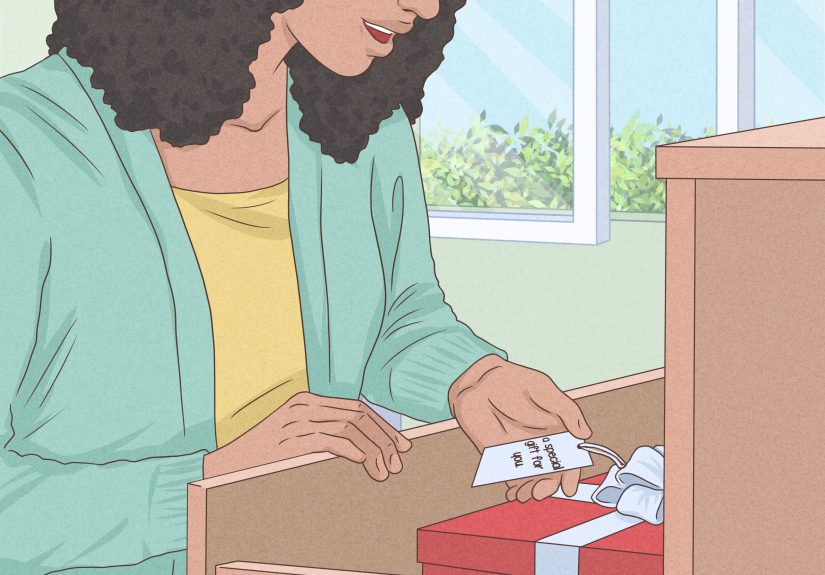
Presentation is not everything, but it does help. A thoughtfully wrapped gift creates anticipation and shows care. You do not need professional gift-wrapping skills. Clean paper, a simple ribbon, a readable tag, and a short note can make even a modest gift feel polished.
If wrapping is not your spiritual gift, use a nice gift bag and tissue paper. If the item is fragile, package it securely before making it pretty. If you are shipping it, use a sturdy box, enough cushioning, and strong packing tape. The goal is for the gift to arrive looking like affection, not like it fought a raccoon in transit.
Add a Note: The Secret Ingredient
A gift note is one of the easiest ways to make a present feel meaningful. It does not have to be poetic. It just needs to be personal. Try writing one or two sentences explaining why you chose the gift.
Simple Gift Note Examples
- “I remembered you said you wanted to start painting again. I hope this gives you a fun excuse to begin.”
- “For all the mornings you deserve coffee that tastes like a reward instead of a warning.”
- “This reminded me of our trip to Colorado and that ridiculous pancake place.”
- “You’ve had a busy year. I hope this gives you one quiet, cozy night to yourself.”
A good note turns an object into a message. It says, “This is not random. I chose it for you.”
Gift Etiquette: Avoid These Common Mistakes
Even thoughtful people can make gifting mistakes. The trick is to avoid presents that create work, embarrassment, pressure, or confusion.
Do Not Give a Project Disguised as a Gift
A puppy, a giant plant, a complicated appliance, or a subscription that requires cancellation can be more responsibility than joy. Unless you are absolutely sure the person wants it, avoid gifts that demand time, space, money, or maintenance.
Do Not Make the Gift About Yourself
Buying your partner hiking boots because you want them to hike with you is risky if they have described hiking as “walking but with suffering.” A great gift should fit the recipient’s interests, not your fantasy version of their interests.
Do Not Overdo Joke Gifts
Funny gifts can be delightful, especially among close friends. But if the only purpose of the gift is to make everyone laugh at the recipient, skip it. A gift should not require the phrase, “Relax, it’s just a joke.” That phrase has never rescued anything.
Include a Gift Receipt When Appropriate
For clothing, shoes, electronics, home decor, or anything size-sensitive, include a gift receipt. This does not make your gift less thoughtful. It makes it more useful. People’s homes, bodies, and preferences are real; your receipt is a kindness.
How to Give Gifts for Different People
For a Partner
Choose gifts that show emotional attention. This might be a shared experience, a practical upgrade they would not buy for themselves, a romantic keepsake, or something linked to an inside story. Avoid gifts that feel like household chores unless they specifically asked for them. A vacuum can be a great gift for someone who wants one. For everyone else, it may become evidence in a future argument.
For Parents
Parents often appreciate gifts connected to time, comfort, memories, or help. Consider photo books, family experiences, home services, cozy items, hobby supplies, or a planned day together. Many parents already have enough stuff, but they rarely complain about a thoughtful visit, a framed family photo, or help fixing something annoying.
For Friends
Friend gifts can be fun, personal, and relaxed. Think about shared interests, little luxuries, books, games, classes, event tickets, food, or friendship traditions. The best friend gift often says, “I know the weird little corner of your personality, and I support it.”
For Coworkers
Keep coworker gifts professional, modest, and broadly appropriate. Good options include coffee, tea, desk accessories, notebooks, snacks, plants, reusable mugs, or a small gift card. Avoid anything too intimate, political, expensive, or scented if you are not sure of preferences.
For Kids
For children, consider age, safety, interests, and the parents’ sanity. Books, building sets, art supplies, outdoor toys, puzzles, science kits, and experience gifts can be excellent. Avoid noisy toys unless you are prepared to be remembered by the parents forever, and not in the sweet holiday-card way.
Last-Minute Gifts That Still Feel Thoughtful
Sometimes time gets away from you. The calendar jumps from “plenty of time” to “the party is tonight” with rude confidence. Last-minute gifts can still be excellent if you personalize them.
- A favorite bottle of wine or sparkling cider with a handwritten note
- A bakery box from a local shop
- A high-quality candle in a scent you know they like
- A digital subscription connected to their hobby
- A restaurant gift card with a specific dinner invitation
- A printed photo in a simple frame
- A “coupon” for babysitting, pet sitting, or help with a project
The secret is to add context. A rushed gift feels thoughtful when it is still clearly chosen for the person.
Real-Life Gift-Giving Experiences: Lessons That Actually Help
Experience has a funny way of teaching gift-giving lessons. Most people have at least one story about a gift that became legendary for the right reason, and one that quietly disappeared into a closet like it was entering witness protection.
One of the best gifts I have seen was not expensive at all. A daughter gave her father a small notebook filled with questions about his childhood, favorite memories, old jobs, family stories, and advice. She wrote a note on the first page: “Fill in a few pages whenever you feel like it. I want to know the stories I have not heard yet.” That gift cost less than dinner, but it turned into a family treasure. The father filled it slowly over months, adding funny stories, serious memories, and even a few recipes. The gift was not the notebook. The gift was permission to remember, share, and be heard.
Another memorable example involved a friend who hated clutter. Everyone kept buying her decorative items because she had a beautiful apartment. The problem was that her apartment was beautiful because she avoided unnecessary objects with Olympic-level discipline. The winning gift was a membership to a local botanical garden. It matched her love of quiet walks, gave her a place to take visiting relatives, and did not require shelf space. That is a perfect example of matching a gift to someone’s lifestyle rather than guessing based on appearances.
There was also a coworker gift exchange where the budget was small, but one person nailed it. Instead of buying a generic mug, she noticed that her coworker always brought sad desk lunches and loved spicy food. She put together a mini “desk lunch rescue kit” with hot sauce, crunchy toppings, instant miso soup, and a funny note. It was inexpensive, useful, and personal without being too intimate for the workplace. The recipient laughed, used it immediately, and talked about it for weeks.
On the other hand, gift disasters usually come from ignoring reality. A person who never cooks receives a complex pasta maker. A busy parent gets a delicate plant with the emotional needs of a Victorian poet. A minimalist receives a large decorative sign that says “Live Laugh Love,” and suddenly must practice all three while deciding where to hide it. These gifts may be well-meant, but they create pressure instead of pleasure.
The strongest gift-giving experiences show the same pattern: great gifts reduce friction, create connection, or preserve meaning. They do not have to be dramatic. A warm blanket for someone recovering from surgery, a playlist for a long commute, a prepaid car wash for a new parent, a favorite childhood candy, or a framed photo from an ordinary Tuesday can matter more than a flashy item chosen for applause.
Another lesson from real life is that timing matters. A thoughtful gift given during a stressful season can feel bigger than its price. Dropping off soup for a sick friend, sending coffee after a tough week, or mailing a small care package before an exam says, “You are not alone.” That kind of gift works because it arrives when the person can truly use it.
Finally, the best giving experiences are not about perfection. Sometimes the wrapping is crooked. Sometimes the card has a typo. Sometimes the gift is small. But when the intention is clear and the choice reflects genuine attention, people remember the feeling. They remember being seen. And that is the real art of giving a great gift to someone.
Conclusion: The Best Gift Is Thoughtful, Useful, or Meaningful
Learning how to give a great gift to someone is really learning how to pay attention. A memorable gift does not need to be expensive, trendy, or wildly original. It needs to fit the recipient. The best gifts show that you noticed what they love, what they need, what they value, or what would make their life better.
When in doubt, choose usefulness over flash, meaning over price, and the recipient’s preferences over your own cleverness. Add a sincere note, present it with care, and include a gift receipt when needed. That is how you turn a simple present into a moment of connection.
Note: This article is original web-ready content based on researched gift-giving psychology, etiquette, consumer safety guidance, wrapping advice, and practical shopping best practices. It is written in standard American English for SEO publication.