Table of Contents >> Show >> Hide
- What Is a Burgundy Rubber Plant?
- Quick Care Guide for Burgundy Rubber Plant
- Best Light for Burgundy Rubber Plant
- How to Water Burgundy Rubber Plant
- Best Soil and Pot for Burgundy Rubber Plant
- Temperature and Humidity Needs
- How to Fertilize Burgundy Rubber Plant
- Pruning Burgundy Rubber Plant
- How to Propagate Burgundy Rubber Plant
- Repotting Burgundy Rubber Plant
- Cleaning the Leaves
- Common Burgundy Rubber Plant Problems
- Seasonal Care Calendar
- Styling Burgundy Rubber Plant Indoors
- Experience Notes: What Growing a Burgundy Rubber Plant Teaches You
- Conclusion
- SEO Tags
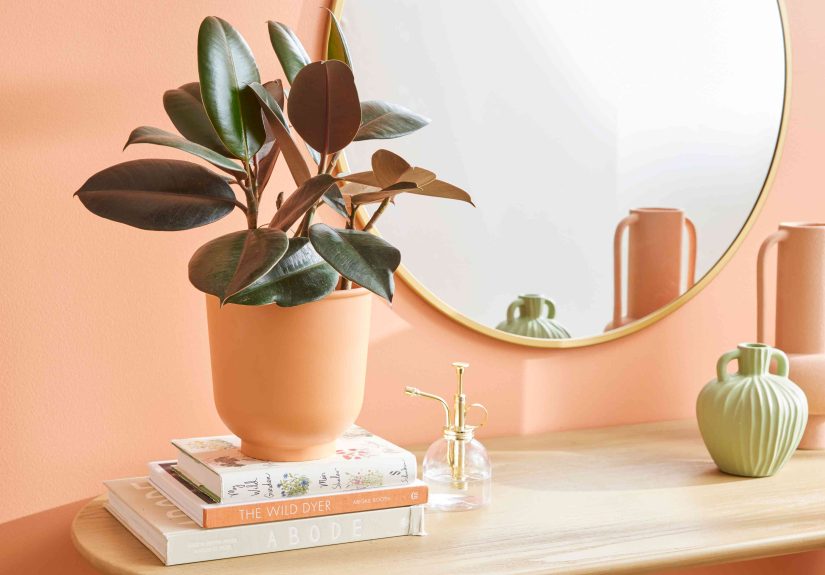
The Burgundy Rubber Plant is the houseplant equivalent of a leather jacket: glossy, dramatic, surprisingly easy to live with, and capable of making even a plain corner look intentional. Botanically known as Ficus elastica ‘Burgundy,’ this indoor tree is loved for its deep green, almost black leaves with rich burgundy undertones. It brings height, shine, and a little moodiness to a room without demanding the daily emotional support required by fussier tropical plants.
Still, “easy care” does not mean “ignore it next to a heater and hope for the best.” Like most ficus plants, the Burgundy Rubber Plant rewards consistency. Give it bright light, a well-draining pot, careful watering, warm temperatures, and an occasional leaf wipe, and it can grow into a striking indoor statement plant. Give it soggy soil, cold drafts, and a dark corner, and it may respond with yellow leaves, leaf drop, or the silent judgment only a houseplant can deliver.
This guide explains exactly how to grow and care for Burgundy Rubber Plant indoors, from light and watering to pruning, propagation, pest control, and real-life growing tips. Whether you just brought home a small tabletop plant or inherited a tall rubber tree that is leaning like it has seen things, the care principles are simple once you understand what this plant wants.
What Is a Burgundy Rubber Plant?
The Burgundy Rubber Plant is a cultivated variety of Ficus elastica, a tropical evergreen tree in the mulberry family. In its native environment, rubber plant can become a large tree, but indoors it is usually maintained as a compact to medium-sized houseplant. With proper care, it may reach several feet tall inside the home and develop a sturdy, upright trunk with broad, glossy leaves.
The name “rubber plant” comes from the milky latex sap inside the stems and leaves. This sap is sticky and can irritate skin, so it is smart to wear gloves when pruning or propagating. The plant is also not considered pet-friendly, so keep it away from curious cats, dogs, and children who treat houseplants like a salad bar.
Quick Care Guide for Burgundy Rubber Plant
| Care Factor | Best Practice |
|---|---|
| Light | Bright, indirect light; a few hours of gentle direct sun can help deepen leaf color. |
| Water | Water thoroughly, then allow the top half of the soil to dry before watering again. |
| Soil | Use a well-draining indoor potting mix with perlite, bark, or coarse material added. |
| Temperature | Keep in warm indoor temperatures, ideally around 65°F to 85°F. |
| Humidity | Average household humidity is usually fine, but very dry air may cause crispy edges. |
| Fertilizer | Feed lightly during spring and summer; reduce or stop feeding in fall and winter. |
| Pruning | Prune in spring or early summer to control height and encourage bushier growth. |
| Toxicity | Milky sap may irritate skin and is unsafe for pets if ingested. |
Best Light for Burgundy Rubber Plant
Light is the secret ingredient behind those dark, dramatic leaves. A Burgundy Rubber Plant grows best in bright, indirect light, such as near an east-facing window, a bright west-facing window set back a few feet, or a south-facing window softened by a sheer curtain. The plant can tolerate medium light, but low light usually leads to slower growth, stretched stems, smaller leaves, and a greener, less burgundy appearance.
A few hours of gentle morning sun can be beneficial, especially for maintaining strong color. Harsh afternoon sun, however, can scorch the leaves, particularly if the plant sits close to hot glass. If the leaves develop dry, pale patches, the sun may be too intense. Move the plant slightly farther from the window or add filtered light.
How to Tell If Your Rubber Plant Needs More Light
A Burgundy Rubber Plant that needs more light may lean toward the nearest window, produce long spaces between leaves, or drop older leaves. The burgundy tone may also fade. Rotate the pot every week or two so all sides receive light evenly. Think of it as turning the plant for its photo shoot; this one definitely cares about angles.
How to Water Burgundy Rubber Plant
Watering is where many rubber plant problems begin. The Burgundy Rubber Plant likes a thorough drink, but it does not want to sit in wet soil. Water deeply until excess drains from the bottom of the pot, then empty the saucer. After that, wait until the upper portion of the soil has dried before watering again.
In bright light during spring and summer, this may mean watering every one to two weeks. In lower light or winter, it may be much less often. Always check the soil instead of following a strict calendar. Your plant does not know it is Tuesday; it knows whether its roots are wet.
Signs of Overwatering
Overwatering may cause yellow leaves, soft stems, black spots, fungus gnats, or a sour smell from the soil. If the pot feels heavy for many days after watering, the mix may be too dense or the container may not drain properly. Repotting into a faster-draining mix can save the plant before root rot becomes serious.
Signs of Underwatering
Underwatering may cause drooping leaves, dry soil pulling away from the pot edges, crispy brown leaf tips, or sudden leaf drop. A thirsty Burgundy Rubber Plant often perks up after a deep soak, but repeated drought stress can weaken the plant over time.
Best Soil and Pot for Burgundy Rubber Plant
Burgundy Rubber Plant needs soil that holds some moisture but drains freely. A standard indoor potting mix can work if amended with perlite, pumice, orchid bark, or coarse coco chips. The goal is a mix that lets oxygen reach the roots while allowing extra water to escape.
Choose a pot with drainage holes. Decorative pots without drainage are tempting, but they can turn into tiny root swamps. If you love a beautiful cachepot, keep the plant in a nursery pot inside it and remove the inner pot when watering. Let it drain fully before placing it back.
Temperature and Humidity Needs
This tropical plant prefers warm, stable indoor conditions. Most homes that are comfortable for people are also comfortable for a Burgundy Rubber Plant. Keep it away from cold drafts, exterior doors, air conditioning blasts, heating vents, and windows that chill at night.
Average household humidity is usually acceptable. If the air becomes extremely dry, especially during winter heating season, the plant may develop brown edges or slow down. A room humidifier, grouping plants together, or placing the pot near a pebble tray can help. Avoid constantly misting the leaves if airflow is poor, because wet foliage can sometimes invite problems instead of solving them.
How to Fertilize Burgundy Rubber Plant
Feed Burgundy Rubber Plant during the active growing season, typically spring through summer. Use a balanced liquid houseplant fertilizer diluted to half strength once a month, or follow the label directions for a gentle feeding routine. Plants in very bright light may use nutrients faster than plants in medium light.
Reduce feeding in fall and winter when growth naturally slows. Fertilizing a plant that is not actively growing can lead to salt buildup in the soil, which may damage roots. If you notice white crust on the soil surface or pot rim, flush the soil with clean water and let it drain thoroughly.
Pruning Burgundy Rubber Plant
Pruning helps control height and encourages a fuller shape. If your rubber plant is growing tall and narrow, cutting the main stem can encourage side branching below the cut. The best time to prune is spring or early summer, when the plant is ready to produce new growth.
Use clean, sharp pruning shears. Cut just above a node, which is the small bump where a leaf or branch grows. Wipe away the white sap with a damp cloth and avoid getting it on skin, furniture, or flooring. Rubber plant sap is sticky enough to make you question your life choices, so a little preparation goes a long way.
How to Propagate Burgundy Rubber Plant
Burgundy Rubber Plant can be propagated from stem cuttings. Choose a healthy stem with at least one node and one or two leaves. Cut below the node, then allow the sap to stop flowing. Some growers root cuttings in water, while others place them directly into moist, well-draining potting mix.
Keep the cutting warm and in bright, indirect light. If rooting in soil, maintain light moisture but avoid soggy conditions. Rooting can take several weeks, so patience is required. This is not a microwave popcorn situation; do not check it every four minutes expecting a miracle.
Repotting Burgundy Rubber Plant
Repot every one to two years, or when the plant becomes root-bound. Signs include roots circling the pot, water running straight through without soaking in, slowed growth, or soil that dries extremely quickly. Move up only one pot size at a time. A pot that is too large can hold excess moisture and increase the risk of root rot.
Spring is the best season for repotting. Gently loosen the root ball, remove old compacted soil where possible, and refresh with a well-draining mix. After repotting, water thoroughly and give the plant a few weeks to adjust before fertilizing.
Cleaning the Leaves
The large, glossy leaves of Burgundy Rubber Plant are dust magnets. Dust blocks light and dulls the dramatic shine that makes this plant so attractive. Wipe the leaves with a soft, damp cloth every few weeks. Support each leaf from underneath while cleaning so you do not accidentally snap it.
Avoid heavy leaf-shine products. They can clog leaf surfaces and create an unnatural finish. Clean water is usually enough. For stubborn grime, use a very mild diluted soap solution, then wipe again with plain water.
Common Burgundy Rubber Plant Problems
Yellow Leaves
Yellow leaves are most often related to watering stress. If the soil is wet and heavy, reduce watering and check drainage. If the soil is bone dry, water more deeply and consistently. One occasional yellow lower leaf is normal as the plant ages, but several yellow leaves at once deserve investigation.
Leaf Drop
Rubber plants may drop leaves when stressed by sudden changes in light, temperature, watering, or location. If you recently moved the plant, give it stable conditions and time. Avoid moving it repeatedly from one spot to another; ficus plants appreciate commitment.
Brown Edges or Crispy Tips
Brown edges can come from underwatering, low humidity, fertilizer buildup, or hot direct sun. Review the plant’s environment and adjust gradually. Trim damaged edges only if they bother you aesthetically, because brown tissue will not turn green again.
Leggy Growth
Leggy growth usually means the plant wants more light. Move it closer to a bright window and rotate it regularly. Pruning can also help reshape a lanky plant and encourage branching.
Pests
Common pests include spider mites, mealybugs, and scale. Inspect the undersides of leaves and along stems. Sticky residue, webbing, cottony clusters, or small brown bumps can signal a pest problem. Isolate the plant, wipe leaves and stems, and treat with insecticidal soap or horticultural oil according to label directions.
Seasonal Care Calendar
Spring
Spring is the best time to prune, repot, propagate, and restart fertilizing. As light increases, the plant will usually begin producing new growth.
Summer
Expect faster growth and more frequent watering. Protect the leaves from harsh afternoon sun and check regularly for pests, especially if the plant spends any time outdoors.
Fall
Gradually reduce fertilizer and watch watering frequency. As days shorten, soil dries more slowly.
Winter
Keep the plant warm, avoid drafts, and water carefully. Growth may slow, which is normal. Do not panic-buy fertilizer in January; your plant is probably just resting.
Styling Burgundy Rubber Plant Indoors
Burgundy Rubber Plant works beautifully as a floor plant in living rooms, offices, bedrooms, and bright hallways. Its dark foliage pairs well with light walls, warm wood, brass accents, cream planters, and minimalist interiors. For a bold look, place it in a matte black or terracotta pot. For a softer look, choose white ceramic or natural woven baskets.
Because the leaves are large and architectural, this plant looks best with some breathing room. Avoid crowding it between furniture where leaves can be bumped or torn. Give it a bright corner and let it behave like the quiet, stylish roommate it was born to be.
Experience Notes: What Growing a Burgundy Rubber Plant Teaches You
Growing a Burgundy Rubber Plant is a lesson in observation. At first, many new plant owners want a strict routine: water every Sunday, fertilize every month, rotate every Friday, and somehow unlock the secret level of plant care. But this plant teaches you that good care is less about rigid schedules and more about reading signals. The soil, leaves, stems, and growth pattern all tell you what is happening if you slow down long enough to notice.
One of the most common experiences is learning not to over-love it. The Burgundy Rubber Plant looks lush and tropical, so it is easy to assume it wants constant water. In reality, the fastest way to upset it is to keep the soil wet all the time. Many growers discover this after seeing a few yellow leaves and thinking, “It must be thirsty,” then watering again and making the problem worse. The better habit is to check the soil with a finger or moisture meter, feel the weight of the pot, and wait until the plant is genuinely ready.
Light is another big teacher. A Burgundy Rubber Plant placed in a dim corner may survive, but it often loses its confident shape. The leaves may space out, the stem may lean, and the rich burgundy color may look less intense. Moving it closer to a bright window can make a dramatic difference over time. New leaves tend to emerge stronger, glossier, and more colorful. The plant will not transform overnight, but after a few months, you can usually see the improvement.
Pruning can feel scary the first time. Cutting the top off a healthy plant seems almost rude, like giving it a haircut without asking. But pruning is often what turns a tall, single-stem rubber plant into a fuller, more attractive indoor tree. The trick is to make clean cuts during active growth and then give the plant patience. New side shoots may take weeks to appear. When they do, it feels like a tiny gardening victory.
Another real-world lesson is that rubber plants dislike sudden change. A plant moved from a nursery greenhouse to a living room may drop a leaf or two while adjusting. That does not always mean disaster. Stable light, steady warmth, and careful watering usually help it settle in. The worst response is to move it to five different locations in one week, water it twice, repot it, fertilize it, and then stare at it accusingly. Choose a good spot and let the plant adapt.
Over time, caring for a Burgundy Rubber Plant becomes almost relaxing. Wiping the leaves, rotating the pot, checking for pests, and watching new leaves unfurl can turn into a small household ritual. The plant does not need drama. It needs consistency, drainage, light, and a grower who understands that sometimes the best care is simply not fussing too much.
Conclusion
The Burgundy Rubber Plant is one of the best indoor plants for anyone who wants bold foliage without complicated care. Its glossy, dark leaves make a room feel polished, while its basic needs are refreshingly straightforward: bright indirect light, careful watering, well-draining soil, warm temperatures, and occasional pruning. Avoid soggy soil, cold drafts, and low-light corners, and your rubber plant can grow into a strong, sculptural indoor tree.
The biggest secret is consistency. Check the soil before watering, rotate the plant for even growth, clean the leaves so they can absorb light, and adjust care with the seasons. With a little attention and a lot less fuss than you might expect, the Burgundy Rubber Plant can become a long-lasting centerpiece in your home.