Table of Contents >> Show >> Hide
- What Is String of Bananas?
- Why Gardeners Love This Trailing Succulent
- How Much Light Does String of Bananas Need?
- The Best Soil for String of Bananas
- How to Water String of Bananas Without Drowning It
- The Right Pot for String of Bananas
- Temperature and Humidity Needs
- Should You Fertilize String of Bananas?
- How to Prune String of Bananas
- How to Propagate String of Bananas
- Will String of Bananas Flower?
- Common Problems and How to Fix Them
- Is String of Bananas Safe for Pets?
- Design Ideas for Using String of Bananas Indoors
- Grower Experiences: What It’s Really Like to Live With String of Bananas
- Conclusion
- SEO Tags
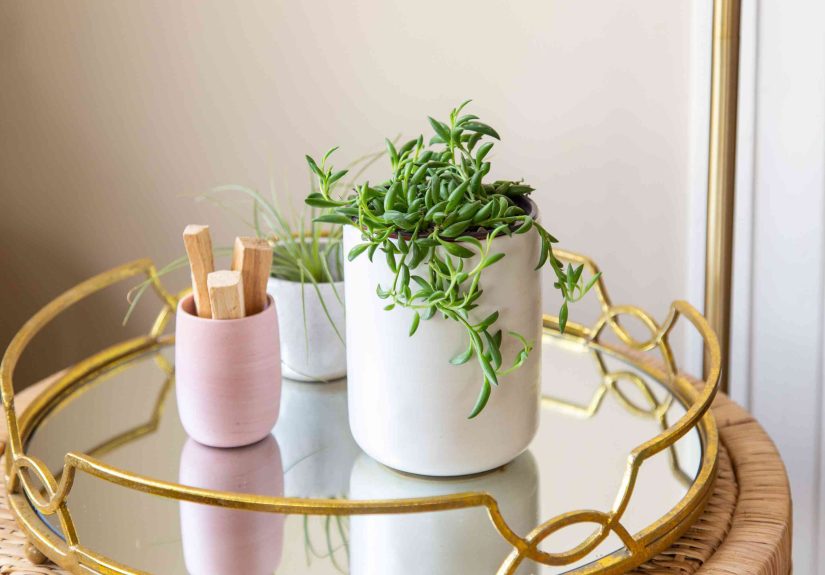
If you have ever looked at a trailing succulent and thought, “That plant looks like it raided the produce aisle,” congratulations: you have met string of bananas. Known botanically as Curio radicans (formerly Senecio radicans), this cheerful hanging plant grows long cascading stems lined with tiny banana-shaped leaves. It is weird in the best possible way, which is exactly why houseplant people love it.
The good news is that string of bananas is not a diva. It is easier to grow than some of its fussier succulent cousins, especially if you give it what it wants most: lots of light, fast-draining soil, and a watering schedule based on patience rather than enthusiasm. In other words, this is a plant that rewards restraint. Hover too much, and it sulks. Give it the right setup, and it turns into a lush green waterfall.
This guide breaks down everything you need to know about string of bananas care, from light and watering to propagation, pruning, common problems, and the real-life experiences growers often have once the honeymoon phase is over and the plant starts behaving like, well, a plant.
What Is String of Bananas?
String of bananas is a trailing succulent native to southern Africa. It belongs to the daisy family, which feels mildly suspicious because it looks nothing like a daisy, but botany loves surprises. The plant is prized for its fleshy curved leaves, trailing habit, and quick growth compared with other “string” succulents.
As a houseplant, it is most often grown in hanging baskets, wall planters, or on shelves where the vines can spill downward. In warm, frost-free climates, it can also grow outdoors as a ground cover or cascading accent plant. Indoors, it is especially popular for bright windows, succulent collections, and anyone who wants a plant that looks sculptural without demanding daily attention.
Why Gardeners Love This Trailing Succulent
There are plenty of reasons string of bananas has built a loyal following. First, it grows fairly fast when conditions are right, which is always satisfying. Nobody buys a trailing plant hoping it will stay the size of a shoelace forever. Second, it is relatively forgiving for a succulent. Third, it propagates easily from stem cuttings, so one plant can become several plants before you know it.
And yes, the foliage is a major part of the charm. Each leaf has a slightly translucent line that helps the plant take in light, and the overall effect is playful rather than stiff. It is one of those plants that makes guests lean in and ask, “Wait, what is that?”
How Much Light Does String of Bananas Need?
Bright light is the secret sauce
If string of bananas had a dating profile, “needs bright light” would be in the first line. This plant performs best in a bright location with several hours of strong light each day. Indoors, a sunny window is usually the best option. A south-facing or west-facing window often works well, though a bright east-facing window can also do the job if the plant gets enough intensity.
Many growers succeed with at least six hours of bright light daily. In especially hot outdoor conditions, some afternoon protection can help prevent scorch, but indoors, this plant usually wants more light, not less. If your home is dim, a grow light can make a dramatic difference.
Signs it needs more light
When string of bananas does not get enough light, it starts reaching. The stems become leggy, the spaces between leaves grow wider, and the plant looks sparse instead of lush. New leaves may also be smaller than older ones. This is not the plant being artistic. It is the plant asking for better lighting.
If you notice stretching, move it closer to a bright window or supplement with a grow light. Low-light corners are wonderful for floor lamps and existential reflection, but not for this succulent.
The Best Soil for String of Bananas
Like most succulents, string of bananas hates sitting in soggy soil. The ideal mix is loose, gritty, and fast-draining. A commercial cactus or succulent mix is usually a good starting point, but many growers improve it by adding perlite, pumice, or coarse sand.
A good rule of thumb is that the soil should dry quickly enough to keep roots healthy but still hold just enough moisture for the plant to drink thoroughly when watered. If your potting mix feels dense, stays wet for days, or resembles brownie batter after watering, it is too heavy.
Another important note: skip the “rocks in the bottom of the pot” trick. It sounds clever, but it does not improve drainage the way people think it does. What matters most is using the right potting mix throughout the container and choosing a pot with drainage holes.
How to Water String of Bananas Without Drowning It
Water deeply, then wait
This is the part where many otherwise intelligent plant owners get into trouble. String of bananas is drought tolerant, which means it would rather be slightly too dry than consistently too wet. The best method is to water thoroughly, let excess water drain out, and then wait until the soil dries significantly before watering again.
There is no perfect one-size-fits-all schedule. A plant in bright sun and a terracotta pot will dry much faster than one in a plastic pot in a cooler room. In general, check the soil instead of the calendar. If the top half of the soil is still moist, hold off. If the mix is dry and the pot feels noticeably lighter, it is probably time.
What overwatering looks like
Overwatered string of bananas plants often develop mushy stems, yellowing leaves, leaf drop, or a generally sad, collapsing look. Root rot is the big risk. The tricky part is that badly overwatered succulents can also look shriveled, which causes people to add even more water. That is the botanical equivalent of trying to fix a leaky roof with a swimming pool.
What underwatering looks like
Underwatered plants may have wrinkled, flattened, or limp leaves. The bananas lose their plumpness and start looking more like tiny green commas than fruit. If the soil is bone dry and the foliage looks deflated, give the plant a deep watering and let it recover.
The Right Pot for String of Bananas
Always choose a container with drainage holes. Always. This is not a suggestion wrapped in a polite gardening voice. It is one of the most important parts of succulent care.
Terracotta pots are especially useful because they allow moisture to evaporate more quickly than plastic or glazed ceramic. That can be a big advantage if you are prone to overwatering or live in a humid area. Hanging baskets also work beautifully, but make sure they drain well and are not so large that the soil stays wet for too long.
When repotting, do not jump straight into an enormous pot. Oversized containers hold extra soil, and extra soil holds extra moisture. A slightly snug pot is often better for this plant than a roomy one.
Temperature and Humidity Needs
String of bananas is comfortable in normal household temperatures. It generally does well in the same range that people do, which is convenient because nobody wants to keep a living room at “desert at noon” levels. What it does not tolerate well is frost.
If you grow it outdoors part of the year, bring it inside before cold weather arrives. As a general safety rule, do not leave succulents outside once nighttime temperatures are dropping toward 40 degrees Fahrenheit. Indoors, keep the plant away from freezing windows, cold drafts, and blasting heat vents. Sudden temperature swings can stress the foliage and slow growth.
Humidity is not usually a major concern. Unlike tropical houseplants that want spa-level moisture in the air, most succulents are perfectly happy in average indoor humidity.
Should You Fertilize String of Bananas?
Yes, but lightly. This is not a heavy feeder. A diluted liquid houseplant or succulent fertilizer during spring and summer is usually enough. Some gardeners fertilize once a month during active growth; others feed even less often. Both approaches can work as long as you do not overdo it.
If your plant is already growing well, consider fertilizer a bonus rather than a necessity. Too much feeding can lead to weak growth, salt buildup, or a plant that looks strangely ambitious but not especially healthy.
How to Prune String of Bananas
Pruning is mostly about appearance and control. If the vines get too long, too leggy, or too unruly, trim them back with clean scissors. This encourages branching and helps the plant look fuller over time.
Do not toss the cuttings. Healthy stems are perfect for propagation, which means your routine trim can magically become three new plants and one new personality trait.
How to Propagate String of Bananas
Stem cuttings are the easiest method
Propagation is one of the best things about this plant. Take a healthy cutting about four to six inches long, remove a few leaves from the lower portion, and let the cut end dry for a day or two so it can callus. Then place the bare nodes on or slightly into a gritty potting mix.
Keep the cutting in bright light and lightly moist at first, but never soggy. In time, roots will form along the stem. Because string of bananas naturally roots along its trailing stems, it tends to adapt well to this process. Once established, the cutting can be treated like a mature plant.
Will String of Bananas Flower?
Yes, it can. A happy, mature string of bananas may produce small white to pale blush flowers, often in late winter or early spring. The blooms are not huge, but they are charming and often described as cinnamon-scented. Think of them as a fun bonus rather than the main event. Most people grow this plant for the foliage, but the flowers are a delightful plot twist.
Common Problems and How to Fix Them
Wrinkled leaves
This usually points to watering trouble. Check the soil first. Dry soil plus wrinkled leaves often means the plant is thirsty. Wet soil plus wrinkled leaves can signal root problems from too much water.
Mushy stems
Classic overwatering. Let the soil dry out immediately. If rot has spread, save healthy sections by taking cuttings and starting over.
Leaf drop at the base
This can happen from watering stress, poor light, or simple aging. If the plant looks thin at the crown, a trim and re-rooting of healthy vines can refresh it.
Leggy growth
The plant needs more light. Move it somewhere brighter before it turns into a green extension cord.
Pests
Watch for aphids, mealybugs, scale, and spider mites. Catching them early matters. A shower with water, gentle cleanup, or a houseplant-safe treatment can usually stop a small infestation before it becomes a full soap opera.
Is String of Bananas Safe for Pets?
This is one area where caution is smart. Because string of bananas has been classified under the Senecio/Curio group, many growers treat it as potentially toxic to pets and people if ingested. If you have cats, dogs, or curious kids who enjoy taste-testing your décor, keep the plant out of reach. A hanging basket is not just stylish here; it is practical.
Design Ideas for Using String of Bananas Indoors
Because it trails so naturally, string of bananas works beautifully in hanging planters, high shelves, and wall-mounted pots. It pairs well with upright succulents for contrast, and it looks especially good in simple containers that let the foliage be the star.
If you want a plant that softens a bright window, spills over the edge of a bookcase, or makes your plant corner look just a little more intentional, this one earns its keep. It has personality without demanding a full support team.
Grower Experiences: What It’s Really Like to Live With String of Bananas
One of the most common experiences people have with string of bananas is underestimating how much light it wants. The plant looks soft and whimsical, so new owners often place it in a bright-ish room, step back, admire the vibe, and then wonder a month later why the vines are long, skinny, and dramatic. Once moved closer to a sunny window, the difference is usually obvious. The growth gets tighter, the leaves get plumper, and the whole plant starts looking like it finally had a decent breakfast.
Another very relatable experience is the watering learning curve. Most growers do not kill string of bananas because they are careless. They kill it because they care too much. They water on schedule, check on it constantly, and assume every wrinkle means thirst. Then the roots stay wet, the stems soften, and the plant begins its slow protest. The first real breakthrough usually comes when the grower learns to wait longer than feels emotionally comfortable. Succulents are excellent teachers of restraint.
Many people also notice that the top of the pot can look a little sparse over time while the ends of the trails stay lovely. This is normal, and it is one reason propagation becomes part of the routine. Growers often trim a few strands, coil them back onto the surface of the pot, and let them root to create a fuller crown. It is a simple trick, but it makes the plant look much more lush and established.
There is also the surprise factor. People who struggle with string of pearls often report that string of bananas feels easier and less fragile. The stems are a bit sturdier, the plant seems faster to recover, and the visual feedback is easier to read. When it is happy, it grows with enthusiasm. When it is not, it usually gives clues before disaster strikes.
Then there is the propagation joy. Few plant experiences are more satisfying than turning one trim into several new pots. Growers share cuttings with friends, tuck them back into the original container, or experiment with different planters just because they can. It is the kind of plant that quietly turns people into hobbyists.
Finally, there is the everyday pleasure of simply seeing it around the house. A healthy string of bananas has movement. It softens corners, brightens shelves, and makes indoor spaces feel a little more alive. It is not a flashy plant in the tropical sense, but it has charm, texture, and a sense of humor built right into the leaves. And honestly, that goes a long way.
Conclusion
If you want a trailing houseplant that is quirky, beginner-friendly, and genuinely fun to grow, string of bananas deserves a spot in your collection. Give it bright light, a gritty succulent mix, a pot with drainage, and time to dry between waterings. That combination solves most problems before they start.
Once you understand its rhythm, string of bananas is refreshingly simple. It does not ask for daily misting, elaborate feeding schedules, or pep talks. It just wants sunshine, sensible watering, and the occasional haircut. In return, it gives you a fast-growing cascade of banana-shaped leaves that looks equal parts elegant and delightfully ridiculous. That is a pretty great deal for one hanging plant.