Table of Contents >> Show >> Hide
- What a Car Starter Actually Does
- How to Install a Car Starter: 14 Things to Know Before You Start
- 1. Make sure the starter is actually the problem
- 2. Learn the warning signs of a failing starter
- 3. Know that vehicle layout changes everything
- 4. Safety is not optional just because the part is small
- 5. Battery disconnect order matters
- 6. Heat can turn a normal job into a painful one
- 7. Access often requires more than “remove the starter”
- 8. Wiring deserves as much attention as the starter
- 9. Compare the old and new parts before anything gets tightened
- 10. Hardware, shims, and brackets may need to transfer over
- 11. Tightening the bolts is not just about “good and snug”
- 12. Oil leaks and grime can ruin a replacement faster than expected
- 13. A successful repair still needs a smart test
- 14. Sometimes the smartest install is the one you do not personally attempt
- Common Mistakes People Make When Replacing a Starter
- How Much Does Starter Replacement Usually Cost?
- When a Professional Repair Makes More Sense
- Experience and Real-World Lessons From Car Starter Jobs
- Conclusion
Replacing a car starter has a reputation for being one of those “pretty simple” jobs that somehow turns into an afternoon of crawling under a vehicle, arguing with one stubborn bolt, and discovering your battery terminal has the personality of a raccoon. In other words, the job can be doable in the right situation, but it is never as universal as a generic checklist makes it sound.
That is why the smartest way to approach this topic is not as a one-size-fits-all DIY adventure, but as a safety-first repair decision. Starters live in different places depending on the vehicle. Some are easy to reach near the bell housing. Others are buried under shields, exhaust pieces, or intake plumbing. Some vehicles need special access steps, and some starters use hardware or shims that absolutely matter.
If you are researching how to install a car starter, this guide will walk through the 14 most important things to understand before the job begins. It will also explain the real signs of a bad starter, the common mistakes that cause trouble, and the situations where calling a professional is not “giving up,” but simply making a great life choice.
What a Car Starter Actually Does
Your starter is a compact electric motor with a big responsibility: it uses power from the battery to crank the engine so combustion can begin. When you turn the key or press the start button, electricity travels to the starter system, the gear engages with the engine’s flywheel or flexplate, and the engine begins turning. Once the engine fires, the starter disengages.
When that process goes wrong, the car may click, crank slowly, grind, or refuse to crank at all. That is why starter problems are often confused with battery issues, alternator trouble, bad cables, or corroded connections. The symptom may be “car will not start,” but the root cause is not always the starter itself.
How to Install a Car Starter: 14 Things to Know Before You Start
1. Make sure the starter is actually the problem
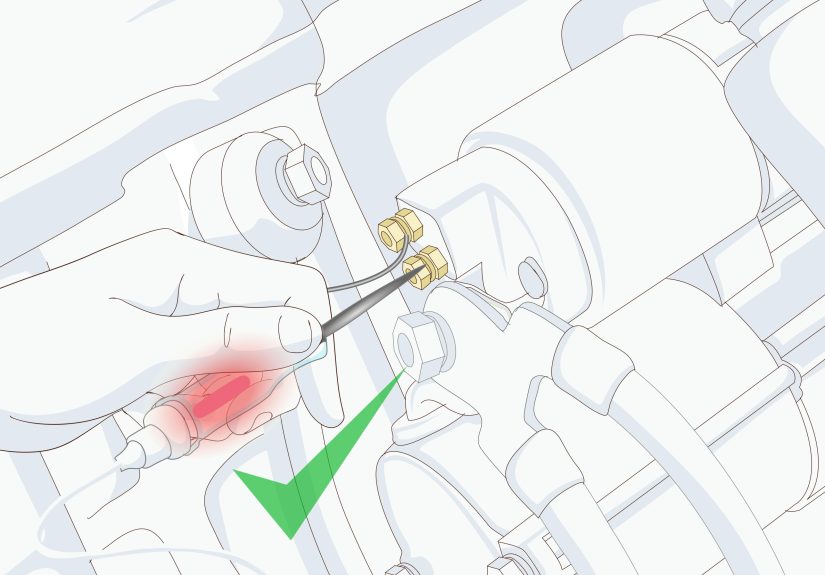
This is the biggest money-saving move in the whole process. A dead battery, weak battery, corroded terminal, bad relay, blown fuse, damaged cable, or ignition issue can mimic starter failure. If the dash lights come on but the engine will not crank, the starter may be at fault, but that alone is not a final diagnosis. A proper test matters.
2. Learn the warning signs of a failing starter
Classic starter symptoms include a single click, repeated clicking, grinding, whirring, slow cranking in warm conditions, or a situation where the electronics work but the engine does not turn over. Smoke or a burning smell after repeated attempts can also point to trouble. None of these signs should be ignored, especially if jump-starting does not solve the issue.
3. Know that vehicle layout changes everything
On one car, the starter may be visible with the vehicle safely raised. On another, it may be tucked behind components that make access annoying, time-consuming, or downright theatrical. Front-wheel-drive and rear-wheel-drive layouts can place the starter in very different spots, so the repair is never truly “universal.”
4. Safety is not optional just because the part is small
The starter may look like a manageable chunk of metal, but the job can involve a hot exhaust, awkward lifting angles, heavy current from the battery, and working underneath the vehicle. That means flat ground, wheel chocks, proper support, eye protection, and patience are not bonus features. They are the baseline.
5. Battery disconnect order matters
Before any work begins, the battery must be disconnected correctly. In general repair guidance, the negative cable comes off first. That reduces the chance of accidental shorting and ugly sparks if a tool contacts metal. It sounds like a tiny detail, but it is one of the details that separates a clean repair from a very memorable mistake.
6. Heat can turn a normal job into a painful one
Many starters sit close to the exhaust system. If the vehicle was just running, nearby parts may still be hot enough to burn skin or make the repair miserable. Letting the engine cool before anyone goes near the area is one of those basic decisions that feels boring until someone ignores it.
7. Access often requires more than “remove the starter”
Skid plates, splash shields, brackets, braces, heat shields, or nearby wiring may need to be moved out of the way first. That means organization matters. If hardware gets mixed up, dropped, or installed in the wrong place later, the whole job becomes slower and more stressful than it needs to be.
8. Wiring deserves as much attention as the starter
A new starter will not fix a cable that is frayed, oil-soaked, loose, or corroded. Before replacing the unit, inspect the wiring, terminal ends, and nearby connections. A poor connection can create resistance, weak cranking, intermittent no-start conditions, or symptoms that make the replacement seem unsuccessful even when the new part is fine.
9. Compare the old and new parts before anything gets tightened
Smart mechanics do not assume the new starter is correct just because the box says so. They compare mounting points, electrical terminals, housing shape, nose length, connector style, and gear position. Even small differences in fit can lead to headaches later, especially on vehicles where space is already tight.
10. Hardware, shims, and brackets may need to transfer over
Some starter jobs involve brackets, shields, or shims that must move from the old unit to the new one. Skip that detail, and the starter may not sit correctly. Poor alignment can create grinding noises, hard engagement, or damage to the starter gear and flywheel teeth. Tiny parts can have giant consequences.
11. Tightening the bolts is not just about “good and snug”
Starter mounting bolts do more than hold the part in place. On some setups, they also help maintain proper grounding and alignment. Loose bolts can cause electrical issues or misalignment, while over-tightening can damage threads or crack the casting. This is why vehicle-specific torque information matters so much.
12. Oil leaks and grime can ruin a replacement faster than expected
If the old starter is soaked in oil or covered in contamination, replacing the part without fixing the leak is like installing a new white couch under an active roof leak. It may look better for a minute, but the underlying problem has not gone anywhere. A clean electrical environment helps the new starter last longer.
13. A successful repair still needs a smart test
Once the replacement is complete, the vehicle should be tested carefully. A proper result means the engine cranks normally and consistently. If the starter grinds, cranks weakly, or the car still does not start, that may point to battery charge issues, wiring problems, relay faults, alignment trouble, or a completely different cause entirely.
14. Sometimes the smartest install is the one you do not personally attempt
If the starter is buried under major components, the vehicle needs extensive disassembly, or the diagnosis is uncertain, handing the job to a qualified technician is often the best call. That is not laziness. That is strategy. A professional can also verify whether a no-start issue is really the starter, the battery, the cables, the charging system, or something else hiding in plain sight.
Common Mistakes People Make When Replacing a Starter
The most common mistake is replacing the starter before confirming the battery and cables are healthy. A close second is ignoring corrosion at the terminals. Another frequent issue is poor organization during removal, especially when shields, brackets, or different fasteners come off in sequence. People also underestimate how much access varies by vehicle, which is why a repair that takes one person an hour can take another person most of a Saturday and part of their optimism.
Then there is the hardware problem. Mixing up bolts, forgetting a bracket, skipping a shim, or tightening everything by feel instead of specification can create noise, poor alignment, or electrical trouble. Finally, people often stop diagnosing once the new starter is installed. If the real issue was battery voltage, bad grounding, fluid contamination, or a charging-system fault, the new part may get blamed unfairly.
How Much Does Starter Replacement Usually Cost?
Starter replacement cost depends heavily on the vehicle and part choice. On easier-to-access vehicles, labor is more manageable. On vehicles where the starter is buried deep, labor climbs fast. Parts can also vary depending on whether the replacement is aftermarket or OEM. In the real world, that means starter jobs can land in a moderate range on one vehicle and feel suspiciously close to rent money on another.
That is why comparing the replacement part carefully and understanding labor complexity matter so much. What looks like “just a starter” can become more expensive when access is poor, related wiring is damaged, or the repair uncovers oil leaks or other electrical issues nearby.
When a Professional Repair Makes More Sense
There are several situations where a professional repair is the smarter path. One is when the diagnosis is unclear. Another is when the starter sits in a cramped location that requires major disassembly or work close to sensitive components. A third is when the old starter shows signs of misalignment, damaged flywheel teeth, or heavy oil contamination. Those problems can go beyond a simple part swap.
A professional repair also makes sense when the vehicle is needed daily and downtime is expensive. Saving money on labor is nice in theory, but not if the car ends up stranded in the driveway while you hunt for a special socket, a correct bracket, or your will to continue.
Experience and Real-World Lessons From Car Starter Jobs
Anyone who has spent time around starter replacements learns the same lesson fast: the part may be small, but the job has a big attitude. On paper, it seems wonderfully straightforward. Disconnect the battery, access the starter, swap the part, reconnect everything, and celebrate your mechanical brilliance. In reality, the starter is often positioned in the exact location engineers reserve for patience-testing exercises.
One of the most common real-world experiences is discovering that the starter was never the only issue. A vehicle comes in with a click and a no-start condition, and everyone immediately points at the starter like it just confessed to the crime. Then the battery tests weak, the terminals are crusty, or the ground cable is hanging on by what looks like three brave copper strands and a prayer. That kind of situation teaches an important lesson: diagnosis is not the boring part before the repair. It is the repair.
Another repeated experience is how different the same job can feel from one vehicle to another. On some older trucks, the starter is reasonably accessible and the repair feels almost friendly. On other cars, the starter is tucked into a location that seems to have been chosen during a corporate contest called “Hide the Important Part.” That is usually when people realize why labor estimates vary so much between vehicles.
People also remember the jobs where the old starter comes out coated in oil. That is a huge clue. If the replacement goes in without addressing the leak, the new unit may not enjoy a long and happy life. The same goes for damaged wiring. A fresh starter connected to tired, corroded cables is like buying expensive running shoes and then trying to sprint through wet cement.
Then there is the hardware lesson. Experienced techs tend to be obsessive about comparing the new starter to the old one before installation, and for good reason. A mounting ear that looks slightly different, a connector clocked in another direction, or a missing bracket can turn a seemingly correct part into a very frustrating afternoon. The people who have done this job more than once rarely skip that comparison step.
One especially useful takeaway from real starter jobs is that sound matters. A clean, strong crank sounds different from a weak drag, an ugly grind, or a free-spinning whir. Over time, experienced mechanics become excellent listeners. The car often tells the truth before anyone picks up a wrench.
The final lesson is the one nobody loves but everybody eventually respects: knowing when to stop is part of being good at repairs. There is no trophy for forcing your way through a job when access is terrible, the diagnosis is shaky, and the vehicle is one bad move away from becoming an expensive lawn ornament. Smart repair decisions include knowing when the safest and cheapest long-term move is to let a qualified shop finish the story.
Conclusion
If you are researching how to install a car starter, the real takeaway is not that the job is impossible. It is that the job is highly vehicle-specific, safety-sensitive, and easy to misjudge if you focus only on the part and not the surrounding system. A starter replacement goes best when the diagnosis is solid, the battery and cables are checked first, the replacement unit is matched carefully, and the installation is handled with proper support, alignment, and patience.
That may not be as exciting as a dramatic “14 easy steps” promise, but it is far more honest. And when it comes to automotive repairs, honest usually wins.