Table of Contents >> Show >> Hide
- What Is a Simmer Pot?
- How to Make a Basic Simmer Pot
- Best Ingredients for a House-Smelling-Good Simmer Pot
- Easy Simmer Pot Recipes for Every Mood
- Can You Make a Simmer Pot in a Slow Cooker?
- Important Simmer Pot Safety Tips
- How Long Should You Simmer a Simmer Pot?
- Can You Reuse a Simmer Pot?
- Budget-Friendly Tips for Simmer Pots
- When to Use a Simmer Pot
- Common Simmer Pot Mistakes to Avoid
- Conclusion: A Simple Way to Make Home Feel Wonderful
- Real-Life Experiences with Simmer Pots
- SEO Tags
There are two kinds of homes: the ones that smell like “fresh citrus and cozy cinnamon,” and the ones that smell like last night’s fried onions having a dramatic second act. A simmer pot is one of the easiest, most affordable, and most charming ways to move your home firmly into the first category.
A simmer pot, also called stovetop potpourri, is a simple mixture of water, fruit, herbs, and spices gently heated on the stove or in a slow cooker. As the water warms, fragrant steam carries natural aromas through the kitchen and nearby rooms. No complicated gadgets. No mystery fragrance cartridges. No candle that costs as much as a decent dinner. Just a pot, water, and a few ingredients you probably already own.
Better still, simmer pots are endlessly customizable. You can make your home smell like a bakery, a spa, a holiday cabin, a clean citrus grove, or a cozy farmhouse kitchen where someone definitely remembered to dust the baseboards. This guide explains how to make a simmer pot, what ingredients work best, how to create seasonal scent blends, and what safety tips to follow so your home smells wonderful without turning your stovetop into a tiny science experiment.
What Is a Simmer Pot?
A simmer pot is a pot of water filled with aromatic ingredients and heated slowly to release fragrance into the air. Common simmer pot ingredients include orange peels, lemon slices, apple pieces, cinnamon sticks, cloves, rosemary, cranberries, vanilla, ginger, star anise, bay leaves, and mint.
Think of it as the homemade cousin of an air freshener, except it looks prettier, smells more natural, and gives kitchen scraps a second career before they retire to the compost bin. Instead of spraying artificial fragrance into the room, you gently simmer real ingredients and let warm steam do the work.
How to Make a Basic Simmer Pot
The basic method is beautifully simple. Fill a saucepan about three-quarters full with water, bring it to a gentle boil, add your chosen ingredients, then reduce the heat to low. The goal is a soft simmer, not a bubbling cauldron worthy of a Halloween movie.
Basic Simmer Pot Formula
- 4 to 6 cups of water
- 1 sliced citrus fruit or a handful of citrus peels
- 1 to 2 warm spices, such as cinnamon sticks, cloves, or star anise
- 1 fresh herb, such as rosemary, mint, thyme, or basil
- Optional: 1 teaspoon vanilla extract or a small splash of apple cider
Once the mixture is simmering, keep the heat low and check the pot regularly. Add more water whenever the level drops. A good rule is to keep the water at least halfway full. If the water disappears, the ingredients can scorch, and “burnt orange peel with notes of regret” is not the fragrance profile anyone requested.
Best Ingredients for a House-Smelling-Good Simmer Pot
The best simmer pot ingredients are aromatic, easy to find, and pleasant when warmed. Fresh fruit brings brightness, spices add depth, and herbs give the whole blend a clean, garden-like finish.
Citrus Fruits
Orange, lemon, lime, and grapefruit are simmer pot superstars. Their peels contain fragrant oils that release beautifully in warm water. Citrus also helps create a clean-smelling home, especially after cooking strong foods.
Apples and Pears
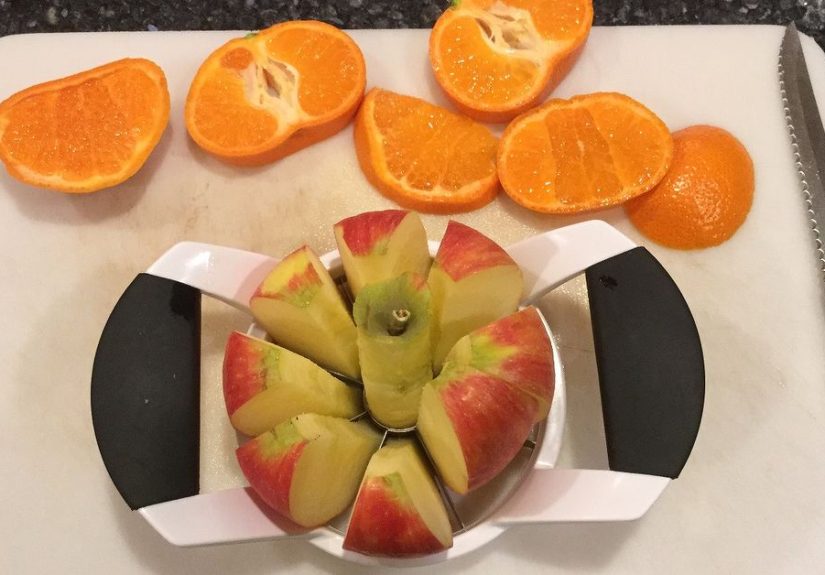
Apple slices, apple peels, and pear skins create a soft, sweet aroma that pairs well with cinnamon, cloves, nutmeg, and vanilla. This combination is ideal for fall, winter, or any day when you want your house to smell like you baked a pie without actually committing to pie crust.
Warm Spices
Cinnamon sticks, whole cloves, cardamom pods, allspice berries, ginger, nutmeg, and star anise are classic choices. Whole spices usually work better than ground spices because they are easier to clean up and less likely to cloud the water.
Fresh Herbs
Rosemary, thyme, mint, sage, basil, and lavender can add freshness and complexity. Rosemary and citrus smell crisp and festive, mint and lime smell cool and clean, and thyme with lemon creates a cozy kitchen-garden scent.
Vanilla and Extracts
A small amount of vanilla extract can soften sharp citrus or spice blends. Almond extract can add a sweet bakery note, but use it lightly. Extracts are powerful little bottles; they do not believe in subtlety.
Easy Simmer Pot Recipes for Every Mood
One of the joys of stovetop potpourri is that you do not need exact measurements. Use these simmer pot recipes as starting points and adjust based on what you have in your kitchen.
1. Classic Cozy Home Simmer Pot
- 1 orange, sliced
- 1 apple, sliced
- 3 cinnamon sticks
- 1 teaspoon whole cloves
- 1 teaspoon vanilla extract
This is the “someone responsible and wonderful lives here” blend. It smells like apple pie, warm cider, and clean countertops. Use it before guests arrive, during a weekend reset, or when your home needs a little emotional support.
2. Fresh Citrus Kitchen Simmer Pot
- Peels from 1 lemon
- Peels from 1 orange
- 2 sprigs fresh rosemary
- 1 small piece fresh ginger
This blend is bright, clean, and especially useful after cooking fish, onions, garlic, or anything that announced itself a little too confidently. Lemon and orange bring freshness, while rosemary adds a crisp herbal note.
3. Holiday Simmer Pot
- 1 orange, sliced
- 1/2 cup fresh cranberries
- 3 cinnamon sticks
- 4 whole cloves
- 2 star anise pods
- 1 small sprig rosemary
This simmer pot smells like a holiday movie where the kitchen is spotless, the lights twinkle perfectly, and no one is arguing about who moved the tape dispenser. It is festive, colorful, and pretty enough to sit on the stovetop during gatherings.
4. Spa-Day Simmer Pot
- 1 lemon, sliced
- 1 lime, sliced
- A handful of fresh mint
- A few cucumber slices
This blend is cool, clean, and refreshing. It is perfect for spring cleaning, post-workout tidying, or pretending your bathroom is a luxury resort instead of the place where everyone forgets to replace the toilet paper roll.
5. Warm Vanilla Chai Simmer Pot
- 2 cinnamon sticks
- 4 cardamom pods
- 3 whole cloves
- 2 slices fresh ginger
- 1 teaspoon vanilla extract
If you love chai tea, this simmer pot is a hug in steam form. It smells warm, spicy, and comforting without being overly sweet. Add a few orange peels for brightness.
6. Summer Garden Simmer Pot
- 1 lemon, sliced
- Fresh basil leaves
- Fresh thyme sprigs
- 1 small splash of vanilla
This is a lighter simmer pot recipe for warm weather. It smells clean and herbal rather than heavy. Use it when you want your house to feel airy, calm, and just a little bit fancy.
Can You Make a Simmer Pot in a Slow Cooker?
Yes, a slow cooker is an excellent option for making a simmer pot, especially if you want a gentler heat source for several hours. Add water and ingredients to the slow cooker, set it on high until the mixture steams, then switch to low. Leave the lid off or slightly ajar so the fragrance can escape.
You still need to check the water level, but a slow cooker usually evaporates water more slowly than a stovetop pot. This makes it a helpful choice for parties, holidays, or busy cleaning days when you want fragrance in the background without hovering over the stove like a nervous soup guardian.
Important Simmer Pot Safety Tips
A simmer pot is simple, but it still uses heat and water. Treat it like cooking, because technically, it is cooking. You are simply cooking perfume for your house.
Never Leave a Stovetop Simmer Pot Unattended
Stay home and check the pot regularly. If you leave the kitchen for more than a short time, turn off the burner. Cooking safety experts consistently warn that unattended cooking is a leading cause of home fires, so do not let a pretty pot of oranges convince you it has a fire-safety certificate.
Keep Adding Water
The most common simmer pot mistake is letting the water evaporate. Set a timer for every 30 minutes if you tend to get distracted. Once the water drops too low, ingredients can burn and stick to the pot.
Keep Kids and Pets Away from the Stove
A simmering pot can splash, steam, or spill. Keep children and pets at least a few feet away from the stove and turn pot handles inward so they cannot be bumped.
Be Careful with Essential Oils
Many simmer pot recipes online include essential oils, but they are not necessary. Concentrated oils can irritate some people and may be risky around pets, especially cats and dogs that are sensitive to certain oils. If your household includes pets, babies, people with asthma, or anyone sensitive to fragrance, stick with food-based ingredients such as citrus peels, herbs, and whole spices.
Use Ventilation When Needed
A simmer pot should make your home smell pleasant, not overwhelming. If the scent becomes too strong, open a window slightly, use a kitchen vent, or turn off the heat. Fragrance should be a polite guest, not the loud cousin who takes over the living room.
How Long Should You Simmer a Simmer Pot?
Most simmer pots can run for 1 to 4 hours as long as you keep adding water and monitor the heat. For a quick refresh, 30 to 60 minutes may be enough. For a gathering, you can simmer the pot longer, especially in a slow cooker.
After use, let the mixture cool completely before discarding it. Strain out fruit, herbs, and spices, then wash the pot. Avoid pouring large pieces of fruit or whole spices down the drain, unless you enjoy surprise plumbing adventures.
Can You Reuse a Simmer Pot?
Yes, you can often reuse a simmer pot once or twice on the same day. Let it cool, cover it, and keep it in the refrigerator if you plan to use it again later. The scent will weaken over time, so add fresh citrus peel, another cinnamon stick, or a splash of vanilla to revive it.
Do not reuse a simmer pot for several days. Fruit and herbs break down, and old water can smell stale. When in doubt, toss it out and start fresh. A good simmer pot should smell like comfort, not like a forgotten fruit salad with ambitions.
Budget-Friendly Tips for Simmer Pots
Simmer pots do not need expensive ingredients. In fact, they are one of the best ways to reuse kitchen scraps.
- Save orange, lemon, and apple peels in a freezer bag.
- Use slightly bruised fruit instead of throwing it away.
- Buy cinnamon sticks and cloves in bulk if you make simmer pots often.
- Use herb stems left over from cooking.
- Choose whole spices because they can release scent slowly.
A simmer pot can cost almost nothing if you build it from peels, herb stems, and pantry spices. It is the rare home upgrade that does not require a shopping cart, a coupon code, or emotional recovery afterward.
When to Use a Simmer Pot
A simmer pot is useful whenever you want your home to feel more inviting. Use one before guests arrive, after cooking strong-smelling foods, during deep cleaning, on rainy days, while decorating for the holidays, or when you simply want your space to feel calmer.
It can also be part of a home-reset routine. Open a few windows for fresh air, wipe down kitchen surfaces, take out the trash, then start a citrus-herb simmer pot. Suddenly the house feels brighter, even if the laundry pile is still quietly judging you from the corner.
Common Simmer Pot Mistakes to Avoid
Using Too Many Ingredients
More is not always better. Too many strong ingredients can create a muddy scent. Start with three to five ingredients and build from there.
Boiling Instead of Simmering
A hard boil evaporates water quickly and can make the scent too intense. Keep the heat low once the ingredients are added.
Using Ground Spices Heavily
Ground cinnamon, nutmeg, and cloves can work in tiny amounts, but they may leave residue in the pot. Whole spices are cleaner and easier to manage.
Trying to Cover Bad Odors Instead of Removing Them
A simmer pot can freshen the air, but it should not replace cleaning. If the trash, fridge, sink drain, or pet area is the real source of odor, handle that first. A cinnamon-orange simmer pot over a mystery smell is like putting a bow tie on a raccoon: charming, but not a solution.
Conclusion: A Simple Way to Make Home Feel Wonderful
A simmer pot is one of the easiest ways to make your house smell wonderful using simple, natural ingredients. With water, citrus peels, herbs, and spices, you can create a cozy fragrance that fits any season or mood. It is affordable, customizable, and delightfully low-tech.
The best simmer pot recipes balance bright ingredients with warm ones: lemon with rosemary, orange with cinnamon, apple with cloves, mint with lime, or cranberry with star anise. Keep the heat low, monitor the water level, and use good safety habits. Done right, a simmer pot can make your home smell clean, welcoming, and thoughtfully cared for.
And the best part? You do not have to be a professional homemaker, lifestyle influencer, or person who owns matching storage bins. You just need a pot, a little water, and a few fragrant ingredients. Your home will do the rest.
Real-Life Experiences with Simmer Pots
The first time many people try a simmer pot, it is usually because the house needs help fast. Maybe dinner involved garlic, fish, cabbage, or a heroic amount of bacon. Maybe guests are coming in 40 minutes and the living room smells like “dog nap beside old sneakers.” A simmer pot becomes the quiet little kitchen trick that saves the mood.
One of the best experiences with a simmer pot is how quickly it changes the feeling of a home. A citrus and rosemary blend, for example, can make a kitchen smell freshly cleaned even before the dish towel situation has been fully addressed. Lemon peels, orange slices, and a sprig of rosemary create a bright scent that feels cheerful without being sugary. It is especially useful after a long cooking session because it helps shift the room from “dinner aftermath” to “come in, everything is fine, please ignore the sink.”
Fall and winter simmer pots have a different kind of magic. Apple peels, cinnamon sticks, cloves, and vanilla can make the entire house feel warmer. It is the kind of smell that makes people ask, “Are you baking something?” The correct answer is, “Emotionally, yes.” Even when there is no pie in the oven, the scent creates that same welcoming feeling. It works beautifully during movie nights, holiday decorating, and Sunday cleaning routines.
Another practical experience: simmer pots are excellent for using scraps. Orange peels from breakfast, apple skins from a snack, squeezed lemon halves, and herb stems from dinner can all become fragrance instead of waste. Keeping a small freezer bag of peels is surprisingly satisfying. It feels like a tiny domestic victory, the kind that says, “Look at me, being resourceful and delightful.”
Simmer pots also teach restraint. The first instinct is to add everything: orange, lemon, apple, cinnamon, cloves, rosemary, vanilla, ginger, nutmeg, and possibly the emotional memory of a Christmas tree. But the best blends are usually simpler. Three or four ingredients often smell cleaner and more elegant than ten competing aromas. A lemon-rosemary-vanilla pot can be more pleasant than a crowded spice parade.
There are lessons, too. Never forget the water. Anyone who has let a simmer pot run dry remembers the smell of scorched cinnamon forever. It is not cozy. It is not rustic. It is a warning. Setting a timer makes the habit easy and prevents accidents. Using a slow cooker is another helpful option when you want the scent to last during a gathering without constantly checking the stove.
The most enjoyable part is how personal simmer pots become. Some homes feel best with clean citrus. Others come alive with cinnamon and apple. Some people love herbal spa blends with mint and lime. Over time, you develop signature combinations for different moods: a “company is coming” blend, a “rainy afternoon” blend, a “holiday chaos but make it charming” blend, and a “please erase the smell of sautéed onions” blend.
In the end, a simmer pot is more than a home fragrance trick. It is a small ritual. It asks you to slow down, notice your space, and make it more pleasant with what you already have. That is why it remains so satisfying. It is simple, sensory, inexpensive, and comfortingthe home version of a warm smile.