Table of Contents >> Show >> Hide
- What Are OBD Codes?
- How to Read and Understand OBD Codes: 10 Steps
- 1. Confirm That Your Vehicle Uses OBD-II
- 2. Find the OBD-II Port
- 3. Plug In the OBD-II Scanner
- 4. Read the Stored and Pending Codes
- 5. Write Down Every Code Before Clearing Anything
- 6. Understand the First Letter: P, B, C, or U
- 7. Decode the Numbers
- 8. Look Up the Code Definition Carefully
- 9. Check Freeze-Frame Data and Live Data
- 10. Diagnose Before Replacing Parts
- Common OBD Codes and What They Usually Mean
- Why Readiness Monitors Matter
- Helpful Tips for Beginners
- Real-World Experience: What Reading OBD Codes Teaches You Over Time
- Conclusion
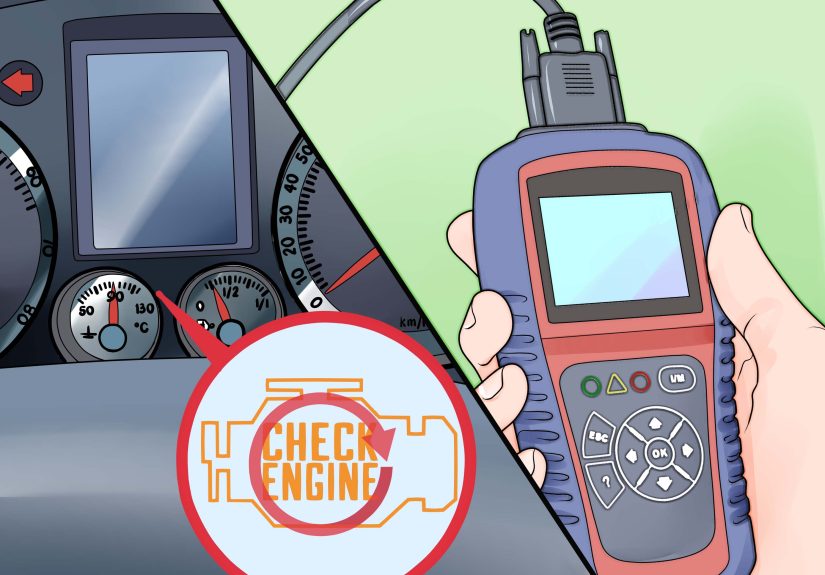
Your car has a surprisingly chatty personality. It may not speak English, but when the check engine light appears, it is definitely trying to tell you something. That little amber light can mean anything from a loose gas cap to a misfire, a sensor problem, or an emissions issue. The trick is learning how to translate the message without panicking, guessing, or immediately blaming the most expensive part under the hood.
That is where OBD codes come in. OBD stands for On-Board Diagnostics, and OBD-II is the standardized diagnostic system used on modern vehicles. When your vehicle’s computer detects a problem in a monitored system, it stores a diagnostic trouble code, often called a DTC. These codes are not magic repair instructions, but they are excellent clues. Think of them like a trail of breadcrumbs left by your vehicle’s computer. Follow them carefully, and you can understand what system is complaining, what conditions triggered the problem, and what to check next.
This guide explains how to read and understand OBD codes in 10 practical steps. You do not need to be a master technician or own a toolbox the size of a small apartment. You only need patience, a basic OBD-II scanner, and the ability to resist clearing the code before writing it down. Yes, that last part matters. A lot.
What Are OBD Codes?
OBD codes are diagnostic trouble codes stored by your vehicle’s computer system. Most drivers notice them after the check engine light or service engine soon light turns on. A scanner connects to the vehicle’s OBD-II port and retrieves the stored codes. Each code points to a system, circuit, operating condition, or monitored fault area.
For example, a code such as P0300 usually indicates a random or multiple cylinder misfire. A code like P0420 points toward catalyst system efficiency below threshold. A code such as P0171 means the engine is running too lean on Bank 1. These definitions sound specific, but they still require diagnosis. A lean condition could be caused by a vacuum leak, dirty mass airflow sensor, weak fuel delivery, exhaust leak, or other issue. In other words, the code tells you where the conversation begins, not always where it ends.
How to Read and Understand OBD Codes: 10 Steps
1. Confirm That Your Vehicle Uses OBD-II
Most gasoline vehicles sold in the United States from the 1996 model year onward use OBD-II. This matters because older OBD-I systems were far less standardized. With OBD-II, the connector shape, basic diagnostic language, and many generic trouble codes are standardized across manufacturers.
If your car is 1996 or newer, you can usually use a common OBD-II code reader or scan tool. If you are dealing with an older vehicle, especially a pre-1996 model, you may need manufacturer-specific procedures or equipment. That is when things can get weird quickly, because older systems sometimes use blinking lights, jumper wires, or brand-specific connectors. OBD-I walked so OBD-II could plug in and behave like an adult.
2. Find the OBD-II Port
The OBD-II port is usually located under the dashboard on the driver’s side, often near the steering column, lower knee panel, or fuse box area. It is a 16-pin trapezoid-shaped connector. In some cars, it may be slightly hidden behind a small cover, but it should still be accessible without taking apart the vehicle.
Before plugging anything in, park the vehicle safely, set the parking brake, and make sure you are not reaching around pedals while the car is moving. Reading codes should be done while the vehicle is stationary. Your car may be dramatic, but diagnostics are not a driving activity.
3. Plug In the OBD-II Scanner
Connect your OBD-II scanner to the diagnostic port. Many basic readers power on automatically once plugged in. Some require you to turn the ignition to the “on” position without starting the engine. Other scan tools may ask for vehicle information such as year, make, model, engine size, or VIN.
There are several types of tools available. A basic code reader can read and clear codes. A mid-level scan tool may display freeze-frame data, live sensor readings, and readiness monitor status. A Bluetooth OBD-II adapter pairs with a phone app and can be convenient for everyday drivers. Professional scan tools go much deeper, sometimes accessing ABS, airbag, transmission, body control, and manufacturer-specific modules.
For most beginners, a basic scanner that reads codes, pending codes, freeze-frame data, and readiness monitors is enough to get started.
4. Read the Stored and Pending Codes
Once the scanner is connected, select an option such as “Read Codes,” “Diagnostic Trouble Codes,” or “DTCs.” You may see different categories, including stored, pending, permanent, or history codes.
Stored codes are confirmed problems that the computer has detected. These often trigger the check engine light. Pending codes are early warnings. The vehicle has seen a possible problem, but it may need to happen again before the computer confirms it. Permanent codes may remain until the vehicle verifies through its own testing that the issue has been repaired. History codes can show issues that happened previously but may not currently be active.
Do not ignore pending codes. They can be useful clues, especially when a problem appears only sometimes. If your engine stumbles only on cold mornings or after highway driving, a pending code might catch the pattern before the check engine light fully commits to the drama.
5. Write Down Every Code Before Clearing Anything
This step is simple, but many people skip it. Write down every code exactly as shown. Take a picture of the scanner screen if needed. Also record whether each code is stored, pending, permanent, or history. If your scanner shows freeze-frame data, save that too.
Clearing codes before documenting them is like throwing away a map because you are annoyed that you are lost. The codes may come back, but you lose useful information about when and how they appeared. If you plan to visit a mechanic, saved codes and freeze-frame data can help the technician diagnose faster and more accurately.
6. Understand the First Letter: P, B, C, or U
Most OBD-II codes begin with a letter. That first letter tells you the general vehicle system involved.
- P codes relate to the powertrain, including the engine, transmission, fuel system, ignition system, and emissions controls.
- B codes relate to body systems, such as climate control, lighting, seats, or other cabin-related electronics.
- C codes relate to chassis systems, such as steering, suspension, braking, or wheel-speed-related systems.
- U codes relate to network communication between vehicle modules.
Most check engine light issues involve P codes because emissions and engine control systems are heavily monitored. However, newer vehicles are basically rolling computer networks, so U codes are becoming more common. A U code may mean that one module is not communicating properly with another module. Translation: your car’s computers are giving each other the silent treatment.
7. Decode the Numbers
After the first letter, OBD-II codes usually contain four numbers. The first number after the letter is especially important. A 0 usually means the code is generic and standardized. A 1 usually means the code is manufacturer-specific. Some codes beginning with 2 or 3 can also be manufacturer-specific or expanded standard codes depending on the system.
For example, P0301 is a generic powertrain code that usually means a misfire has been detected on cylinder 1. Since it is generic, the basic meaning is shared across many vehicles. But a manufacturer-specific code may require information from the repair manual or service database for that exact make and model.
The remaining digits help identify the subsystem and fault area. For powertrain codes, common ranges include fuel and air metering, ignition and misfire, emissions controls, idle control, computer output circuits, and transmission-related faults. You do not need to memorize every range. What matters is knowing that the code structure is organized, not random.
8. Look Up the Code Definition Carefully
Use your scanner’s built-in definition, a trusted OBD-II code database, a repair manual, or manufacturer service information to look up the meaning of each code. Be careful with random forum posts. Forums can be helpful, but they can also turn one code into seven conflicting opinions, three arguments, and someone insisting the problem is always the alternator.
When reading a definition, pay close attention to wording. A code that says “sensor circuit low” does not always mean the sensor itself is bad. It could mean a wiring problem, poor connector contact, short to ground, low voltage, or computer input issue. A code that says “catalyst efficiency below threshold” does not automatically mean the catalytic converter should be replaced immediately. The vehicle may have oxygen sensor issues, exhaust leaks, misfires, or fuel mixture problems that affect catalyst performance.
The best mindset is this: an OBD code identifies a test that failed, not always the part that failed.
9. Check Freeze-Frame Data and Live Data
Freeze-frame data is a snapshot of vehicle conditions when the code was triggered. It may include engine speed, coolant temperature, fuel trims, vehicle speed, throttle position, intake air temperature, and load. This information can be extremely useful.
For example, suppose you have a lean code such as P0171. Freeze-frame data might show that the code set at idle when the engine was warm. That could point you toward a vacuum leak. If the code set during highway cruising, fuel delivery or airflow measurement may deserve closer attention. The code is the headline; freeze-frame data is the paragraph that explains why everyone is upset.
Live data can also help. Fuel trim readings, oxygen sensor activity, mass airflow data, coolant temperature, and misfire counters can show what is happening in real time. Beginners should avoid overinterpreting live data, but learning basic patterns is valuable. For instance, unusually high positive fuel trim often means the computer is adding fuel to compensate for a lean condition.
10. Diagnose Before Replacing Parts
This is the step that saves money. Do not replace a part just because the code mentions it. A code for an oxygen sensor circuit does not always mean the oxygen sensor is bad. A misfire code does not always mean the spark plug is the only suspect. A transmission code does not always mean the transmission is doomed and your wallet should start writing its will.
Use the code to build a short diagnostic plan. Start with simple checks: loose gas cap, damaged vacuum hoses, disconnected wiring, corroded connectors, low fluid levels, cracked intake boots, or obvious exhaust leaks. Then research common causes for your exact year, make, model, and engine. If the repair requires specialized testing, high-voltage components, airbag systems, brake systems, or advanced electrical work, involve a qualified technician.
After repairs, clear the codes only when appropriate, then drive the vehicle long enough for the monitors to run. If the problem is fixed, the code should not return. If it comes back, the vehicle is telling you the root cause still exists or another related issue is present.
Common OBD Codes and What They Usually Mean
P0300: Random or Multiple Cylinder Misfire
This code means the engine computer has detected misfires across multiple cylinders or cannot isolate the misfire to one cylinder. Common causes include worn spark plugs, ignition coil problems, vacuum leaks, fuel delivery issues, low compression, or sensor problems. If the check engine light is flashing, reduce driving and get the issue checked quickly, because ongoing misfires can damage the catalytic converter.
P0420: Catalyst System Efficiency Below Threshold
This code usually relates to catalytic converter performance. However, it can also be influenced by exhaust leaks, oxygen sensor issues, engine misfires, or fuel mixture problems. Replacing the catalytic converter without checking the rest of the system can be an expensive mistake.
P0171: System Too Lean Bank 1
This means the engine computer believes there is too much air or not enough fuel on Bank 1. Possible causes include vacuum leaks, dirty or faulty mass airflow sensor, weak fuel pump, clogged fuel filter, exhaust leak, or intake boot cracks. Fuel trim data can help narrow the possibilities.
P0455: Evaporative Emission System Large Leak
This code often points to a large leak in the EVAP system. A loose, damaged, or missing gas cap is one of the first things to check. Other causes include cracked EVAP hoses, faulty purge valve, vent valve problems, or leak detection pump issues.
Why Readiness Monitors Matter
OBD-II systems run self-tests called readiness monitors. These monitors check emissions-related systems such as the catalyst, oxygen sensors, EVAP system, EGR system, and misfire detection. If you clear codes or disconnect the battery, many monitors reset to “not ready.” The vehicle then needs to complete specific drive conditions before the monitors become ready again.
This matters because emissions inspections often check readiness status. A vehicle may have no check engine light and still fail an inspection if too many monitors are incomplete. Before getting an emissions test, use your scanner to check monitor status. If several monitors are not ready, the car may need more driving under mixed conditions before inspection.
Helpful Tips for Beginners
Start with the simplest explanation, but do not stop there. If you see an EVAP leak code, check the gas cap first. If you see a misfire code after a recent tune-up, inspect the plug wires, coils, and connectors. If you see a lean code, look for cracked hoses or intake leaks before buying sensors.
Also, pay attention to symptoms. Does the engine idle rough? Is fuel economy worse? Does the problem happen only after rain, only when cold, or only at highway speed? These clues matter. A code without symptoms can still be important, but a code plus a clear symptom gives you a stronger diagnostic direction.
Finally, know your limits. Reading OBD codes is beginner-friendly. Diagnosing fuel pressure, electrical circuits, airbags, ABS systems, and advanced drivability problems may require proper tools and training. Smart DIY work includes knowing when to stop before a small problem becomes a very educational invoice.
Real-World Experience: What Reading OBD Codes Teaches You Over Time
The first time you read an OBD code, it may feel like opening a secret menu in your car. Suddenly, the check engine light is not just a mysterious glowing icon. It becomes a message. Maybe it says P0455, and you discover the gas cap was loose after refueling. You tighten it, clear the code after confirming the issue, and feel like an automotive genius for the rest of the afternoon. Enjoy that feeling. You earned it.
But experience quickly teaches that not every code is that polite. Sometimes a code is only the first chapter. A P0302 cylinder 2 misfire might be a worn spark plug. It might be a bad ignition coil. It might be a fuel injector issue. It might even be low compression, which is the automotive equivalent of the plot suddenly getting serious. The lesson is to avoid jumping straight from code to part replacement. A scanner gives information, not permission to throw parts at the engine like confetti.
One of the most useful habits is keeping a small diagnostic log. Write down the code, mileage, symptoms, weather, fuel level, and what the car was doing when the light came on. Was it idling in traffic? Climbing a hill? Starting cold? Cruising at 65 mph? These details can reveal patterns. A lean code at idle may suggest a vacuum leak. A misfire under load may point toward ignition or fuel delivery. A code that appears after heavy rain may suggest moisture intrusion in a connector or ignition component.
Another experience-based lesson is to respect freeze-frame data. Many beginners skip it because it looks like a wall of numbers. Yet those numbers often explain the story better than the code definition. If coolant temperature was low when the code set, the problem may be related to cold-start operation. If vehicle speed was zero, the issue happened at idle. If fuel trims were high, the engine computer was working hard to correct the mixture. That is valuable information, especially when the problem is intermittent.
You also learn that clearing codes is not the same as fixing problems. Clearing a code turns off the warning light temporarily, but if the cause remains, the computer will detect it again. Worse, clearing codes resets readiness monitors, which can delay emissions testing. If you are trying to pass inspection, clearing the light in the parking lot is not a strategy; it is wishful thinking with buttons.
Over time, OBD codes help you become a better car owner. You learn which repairs are urgent and which ones can be planned. A flashing check engine light with a misfire deserves immediate attention. A small EVAP leak may not make the car unsafe to drive, but it still needs diagnosis. A communication code may require professional equipment. The more you learn, the less intimidating the dashboard becomes.
The best part is that reading codes makes conversations with mechanics much clearer. Instead of saying, “My car is doing a weird thing,” you can say, “The scanner shows P0171 with high positive fuel trim at idle, and I hear a slight hissing sound near the intake.” That sentence may not make you a technician, but it makes you an informed customer. It also helps reduce guesswork, saves diagnostic time, and makes it easier to approve the right repair.
In short, learning how to read and understand OBD codes gives you control. You may not fix every issue yourself, and that is perfectly fine. The real win is understanding what your car is trying to tell you before fear, guesswork, or internet chaos takes the wheel.
Conclusion
OBD codes are one of the most useful tools modern car owners have. They turn a vague warning light into readable diagnostic information. By learning how to connect a scanner, record codes, understand the letter-and-number structure, check freeze-frame data, review readiness monitors, and diagnose before replacing parts, you can make smarter decisions about maintenance and repairs.
The golden rule is simple: an OBD code points you toward a problem area, but it does not always identify the failed part. Use the code as a clue, combine it with symptoms and data, and confirm the cause before spending money. Your car may not speak in complete sentences, but with a little practice, you can become fluent enough to know when it is whispering, complaining, or yelling for help.
Note: This article is for educational purposes. OBD codes can guide diagnosis, but complex electrical, emissions, braking, airbag, hybrid, or drivability issues should be inspected by a qualified automotive technician.