Table of Contents >> Show >> Hide
- Phase 1: Lock in the basics (Must-Dos 1–7)
- Phase 2: Menu, drinks, and the “don’t trap yourself in the kitchen” plan (Must-Dos 8–14)
- Phase 3: Prep your house for humans (Must-Dos 15–19)
- Phase 4: Decor, lighting, and that “wow, it feels cozy in here” energy (Must-Dos 20–23)
- Phase 5: The day-of game plan (Must-Dos 24–27)
- Bonus: A sample “stress-less” Christmas party blueprint
- Real-life hosting experiences : what actually happensand how to roll with it
- Conclusion
Hosting a Christmas party at home is basically agreeing to run a small, glitter-covered theme park inside your living room. There will be joy. There will be crumbs. Someone will ask where you keep the scissors like it’s a riddle. But with the right plan, you can throw a warm, festive, low-stress party that feels effortless (even if your notes app says otherwise).
This guide gives you 27 must-dospractical, specific, and actually doablecovering the big three: planning (so you’re not panic-wrapping cheese at 6:59 p.m.), vibes (so it feels like Christmas, not fluorescent cafeteria lighting), and flow (so guests naturally eat, sip, mingle, and laugh without you playing traffic cop).
Phase 1: Lock in the basics (Must-Dos 1–7)
- Pick the party “shape” (not just the date).
Decide what you’re hosting: open house (people drift in/out), cocktail-style, dinner party, dessert-and-hot-cocoa, or “ugly sweater + board games.” The format determines everythingmenu, seating, timing, and how long you’ll be “on.” Example: An open house works great for busy friends because they can pop by for 45 minutes and still feel included. - Set a headcount rangeand actually respect it.
Your home has a maximum capacity before it becomes a human snow globe. Choose a realistic number based on your biggest “guest zone” (usually living room + kitchen) and your bathroom situation. Rule of thumb: If the coat pile becomes a structural hazard, you’ve exceeded capacity. - Choose a start and end time (yes, an end time).
Parties without an end time can quietly become “surprise sleepovers.” Put a clear window on the invitation. Example: “6:30–10:00 p.m.” says festive, not infinite. - Decide your budget like a grown-up… with treats.
Split your budget into buckets: food, drinks, decor, disposables, and “oh no” extras (ice, batteries, to-go containers). Then choose one area to splurge for impact: a signature cocktail, a showy dessert, or a gorgeous wreath. - Send invites early with one job: clarity.
Include: date, time window, address, parking notes, dress vibe (optional), and what kind of food to expect. If you need RSVPs, add a firm RSVP-by date so you can shop and prep without guessing. - Create a simple theme that guides decisions.
“Classic Christmas,” “Winter white,” “Retro holiday,” “Cozy cabin,” “Candy-cane cocktail hour.” A theme prevents overbuying random decor and helps your party look intentionaleven if you’re winging it emotionally. - Write your party timeline (the secret weapon).
Map the day in 30–60 minute blocks: cleaning, cooking, showering, setting out food, lighting candles (LED ones count!), and a 15-minute buffer for surprises. Why it matters: You want to be greeting guestsnot whisper-fighting with cling wrap.
Phase 2: Menu, drinks, and the “don’t trap yourself in the kitchen” plan (Must-Dos 8–14)
- Build a menu that matches the party format.
Open house? Finger foods + sweets. Cocktail party? Appetizers that feel like dinner. Seated dinner? Fewer dishes, higher payoff. Aim for one or two “wow” items and let the rest be easy wins. - Make the menu “mostly make-ahead.”
Choose foods that can be prepped the day before and simply baked, warmed, or plated. Think: dips, cheese boards, slow-cooker meatballs, pinwheels, roasted nuts, cookie trays, and store-bought shortcuts you “elevate.” - Plan for dietary needs without turning it into a scavenger hunt.
Offer at least one vegetarian option and one gluten-free-ish option (like shrimp cocktail, nuts, olives, crudités, or a hearty salad). Label a couple items with small cards so guests don’t have to interrogate you about breadcrumbs. - Create a signature drink (plus two backups).
The easiest winning combo:- Signature batch drink: punch, sangria, mulled cider, or a cranberry spritz
- Non-alcoholic option: sparkling water + festive garnish, NA punch, hot cocoa bar, or spiced tea
- Simple fallback: beer/wine/seltzer so nobody has to do math
- Overbuy ice. Then buy more.
Ice is the sneaky villain of hosting. If you think you have enough, you have half enough. Pro move: Freeze a few containers of water the week before, then break into chunks for coolers. - Set up a self-serve drink station.
Put it away from the kitchen choke point. Include cups, napkins, a trash bin nearby, and clearly labeled mixers. Your goal is “guests can make a drink without asking you where the opener lives.” - Food safety: keep hot foods hot and cold foods cold.
Use slow cookers, chafing dishes, or the oven on low to keep hot foods hot. Use ice trays or nested bowls to keep cold foods cold. Put out smaller portions and refill, instead of leaving everything out for hours. - Write a cooking schedule based on oven space.
Your oven cannot bake four different things at the exact same temperature at the exact same timeno matter how confidently you “believe in it.” Stagger items, use sheet-pan foods, and keep one burner free for last-minute saves.
Phase 3: Prep your house for humans (Must-Dos 15–19)
- Declutter the “public zones.”
Focus on entryway, living room, kitchen, and the bathroom guests will use. Hide mail piles, relocate random chargers, and remove anything you’d rather not explain (“Oh, that? That’s my… craft phase.”). - Create a coat-and-bag landing zone.
Clear a closet, set up a rack, or designate a bed in a spare room. Add a simple sign if needed. If you’re a shoes-off household, make it obvious with a mat and a little bench or chair. - Do a bathroom refresh that feels intentional.
Stock: toilet paper, hand soap, a fresh hand towel, a small trash can, and something that smells nice (lightlythis is not a perfume counter). Add a basket with floss picks, mints, and band-aids if you want to feel like the Beyoncé of hosting. - Rearrange furniture for “conversation islands.”
Pull seating into clusters so people can talk without yelling across the North Pole. Keep walkways clear between kitchen, drinks, and the main hangout area. - Set up clean-up stations before the party starts.
Place at least two trash bins (and a recycle bin if possible) where people naturally gather. Add a discreet spot for used plates/napkins so your sink doesn’t become a tragic modern art piece.
Phase 4: Decor, lighting, and that “wow, it feels cozy in here” energy (Must-Dos 20–23)
- Choose a “hero” decor moment.
One standout spot beats decorating every surface like a department store window. Ideas: a lit tree corner, a fireplace mantle, a holiday photo backdrop, or a dining table centerpiece. - Nail the lighting (because overhead lights are a crime).
Use warm lamps, string lights, and dimmers if you have them. Keep it bright enough to eat without spelunking, but soft enough that everyone looks like they got eight hours of sleep. - Set your music like a professional mood manager.
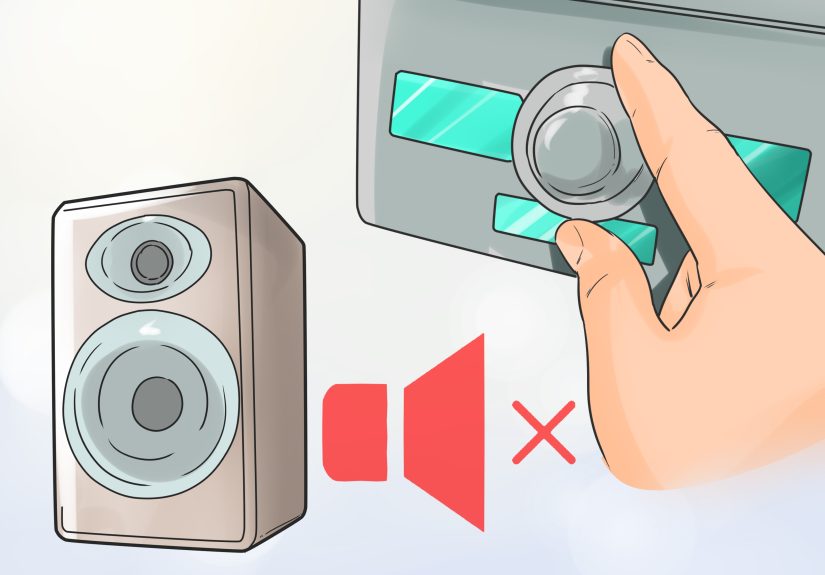
Start with background volume that allows conversation. Save louder tracks for later if the party shifts into dancing or karaoke. Make a playlist that’s at least 2–3 hours long so you’re not suddenly DJ-ing mid-cheese board. - Plan one simple activity for structure (optional but powerful).
Keep it easy: ornament exchange, Christmas trivia, “guess the holiday song,” cookie decorating, or a quick white elephant. Activities are especially helpful if you’re mixing friend groups who don’t know each other yet.
Phase 5: The day-of game plan (Must-Dos 24–27)
- Do a “guest-eye walk-through” 30 minutes before start time.
Stand at your front door and scan: Where do I put my coat? Where’s the bathroom? Where’s a drink? Where do I sit? Fix confusion now, not while someone’s holding a melting cookie. - Greet guests like it’s your job (because it is).
Aim to be near the door for arrivals, at least early on. Introduce people with something useful: “This is Samhe also makes unreal cinnamon rolls.” Now they have a conversation starter and a mission. - Protect your own fun with two boundaries.
Boundary #1: You are not making complicated food once guests arrive. Reheating only.
Boundary #2: You will sit down at least once. Put a chair where you can land and sip something without disappearing. - End the night smoothly (without the awkward lingering).
About 20 minutes before the end time: lower music slightly, put out water, start swapping to decaf coffee or cocoa, and casually mention last call for the signature drink. Thank people warmly at the door. The goal is “sweet ending,” not “sudden lights on like a nightclub.”
Bonus: A sample “stress-less” Christmas party blueprint
Example menu for 10–14 guests (cocktail-style)
- Cold: charcuterie + fruit, shrimp cocktail, crudités + dip
- Warm (set-and-forget): slow-cooker meatballs, baked brie, sheet-pan sausage bites
- Carbs (because holiday): one festive bread (pull-apart rolls or crostini)
- Sweets: cookie tray + one “wow” dessert (yule log, cheesecake, or store-bought pie warmed and topped)
Example timeline (6:30–10:00 p.m. party)
- 12:00 p.m.: grocery pickup + ice + last-minute extras
- 2:00 p.m.: declutter + quick clean + bathroom reset
- 4:00 p.m.: prep boards/trays, chill drinks, set out serving utensils
- 5:30 p.m.: warm foods begin, lighting/music test, trash stations set
- 6:10 p.m.: you get ready (non-negotiable), then final walk-through
- 6:30 p.m.: doors open, you greet, food is already “go”
Real-life hosting experiences : what actually happensand how to roll with it
Here’s the honest truth about throwing a Christmas party at your house: the best moments almost never happen on schedule. The plan is there to keep you calmnot to turn you into a holiday drill sergeant. The magic usually arrives in the messy middle: when two people who “would never have met otherwise” end up talking for an hour about childhood ornaments, when someone starts a spontaneous kitchen sing-along, or when your quiet friend becomes weirdly competitive at Christmas trivia (in a way that’s frankly delightful).
One of the most useful lessons hosts learn is that guests don’t notice 80% of what you’re stressing about. You see the slightly crooked garland and the scuffed baseboard. Guests see twinkle lights and feel welcomed. You notice you served store-bought cookies. Guests notice you put out napkins and remembered their favorite sparkling water. That’s why one “hero moment” works so wellpeople remember the cozy tree corner, the candle glow, or the cocoa bar, not whether every decorative pillow matched your theme.
Then there’s the universal party phenomenon: everyone congregates in the kitchen, no matter how gorgeous your living room looks. It’s not personal; it’s gravity. The kitchen has snacks, drinks, and the comforting hum of activity. Once you accept this, you can design for it: clear one counter space for “landing,” put a small trash bin nearby, and keep the best conversation zones close enough that people naturally drift out. If you fight it, you’ll spend your night saying, “We can totally sit in the living room!” while everyone politely ignores you and discusses their aunt’s fruitcake recipe.
Another real-world moment: the arrival wave. The first 10–20 minutes can feel awkward if guests arrive at different times. This is where one small activity saves the vibe. It can be as simple as a “first sip” drink station (hot cocoa with toppings), a holiday playlist guessing game, or a snack everyone can graze immediately. When early guests have something to do with their hands, conversation flows fasterand you won’t feel like you’re hosting a silent museum tour of your sofa.
Let’s talk about the most underappreciated hosting skill: recovering gracefully. Something will go off-script. Someone spills wine. The dog barks at Santa hats. A tray comes out a little too brown. This is where your energy matters most. If you laugh, guests relax. If you spiral, they feel like they should apologize for existing. Keep a mini “party rescue kit”: stain remover pen, paper towels, a spare serving spoon, a lighter (or extra batteries for candles), and a roll of trash bags. With that in place, you can handle small mishaps like a calm holiday wizard.
Finally: the host’s happiness is the party’s thermostat. If you’re tense, the room feels tight. If you’re present, people settle in. The best Christmas parties aren’t perfectthey’re warm. So choose food you can manage, set up the room so people can find what they need, and give yourself permission to enjoy your own gathering. Sit down for five minutes. Eat something. Take a photo if you want. And when you catch yourself thinking, “I should be doing more,” replace it with, “I already did the most important thing: I brought people together.”
Conclusion
Throwing a Christmas party at home isn’t about proving you’re a professional event planner with unlimited storage bins. It’s about creating a cozy space where people can laugh, snack, sip something festive, and feel taken care of. Use the 27 must-dos as your checklist, keep your menu friendly to your future self, and prioritize comfort and flow. When in doubt: softer lighting, simpler food, and a host who’s actually enjoying the night. That’s the real holiday magic.