Table of Contents >> Show >> Hide
- What Is a Boil?
- Common Symptoms of Boils
- What Causes Boils?
- How to Treat Boils at Home
- When a Boil Needs Medical Treatment
- What Not to Put on a Boil
- How Long Do Boils Take to Heal?
- How to Prevent Boils
- Boils in Children and Teens
- Boil vs. Pimple: How to Tell the Difference
- Real-World Experience: What Treating a Boil Often Feels Like
- Conclusion
Note: This article is for general health education and should not replace medical advice. If a boil is large, very painful, located on the face or spine, keeps coming back, or comes with fever or spreading redness, contact a healthcare professional.
Boils are one of those skin problems that can turn a normal Tuesday into a “why is my body doing this?” kind of day. They often start as a small, tender bump, then slowly become swollen, warm, painful, and filled with pus. Not glamorous, not fun, and definitely not something most people want to discuss at brunch.
The good news is that many small boils can improve with simple home care, especially warm compresses, cleanliness, and patience. The less-good news? Squeezing, poking, or trying to “DIY drain” a boil can make things worse. Think of a boil as an angry little pressure cooker under the skin. Your job is not to attack it. Your job is to calm it down, protect the area, and know when it needs professional help.
This guide explains how to treat boils safely, what causes them, how to recognize symptoms, when to see a doctor, and how to prevent boils from making repeat appearances like an unwanted sequel.
What Is a Boil?
A boil, also called a furuncle, is a painful skin infection that usually starts in a hair follicle or oil gland. Bacteria enter the skin, the immune system responds, and pus collects under the surface. The result is a swollen, tender lump that may grow larger before it drains and heals.
Boils can appear almost anywhere hair grows, but they are especially common in areas where sweat, friction, shaving, and pressure happen often. Common spots include the face, neck, armpits, thighs, buttocks, groin area, and back.
Boil vs. Carbuncle
A single boil is one infected lump. A carbuncle is a cluster of connected boils under the skin. Carbuncles are usually larger, deeper, more painful, and more likely to need medical treatment. If a boil looks like several painful bumps joined together, or it has multiple drainage points, it deserves extra attention.
Common Symptoms of Boils
Boils usually develop in stages. At first, you may notice a small red, pink, or purple bump that feels tender. Over the next few days, it can become larger, warmer, and more painful as pus builds up.
Typical boil symptoms include:
- A painful, swollen bump under the skin
- Redness or discoloration around the lump
- Warmth in the affected area
- A white or yellow center as pus collects
- Drainage if the boil opens naturally
- Itching or irritation around the area
- Tenderness that worsens with pressure or movement
Some boils stay small and heal without much drama. Others become larger and more painful. If you develop fever, chills, spreading redness, red streaks, severe swelling, or worsening pain, the infection may be spreading and should be checked by a healthcare provider.
What Causes Boils?
Most boils are caused by Staphylococcus aureus, often called staph bacteria. Staph can live on the skin or in the nose without causing trouble. But if it gets into the skin through a tiny cut, irritated hair follicle, scrape, shaving nick, or friction-damaged area, it can trigger an infection.
Boils are not a sign that someone is “dirty.” Clean people get boils, too. Skin is busy. It sweats, rubs against clothing, grows hair, gets nicked by razors, and collects bacteria from everyday life. Sometimes bacteria find the perfect tiny doorway, and the boil begins.
Risk Factors That Make Boils More Likely
- Frequent shaving or skin irritation
- Tight clothing that causes friction
- Heavy sweating
- Small cuts, scrapes, or insect bites
- Close contact with someone who has a staph infection
- Sharing towels, razors, washcloths, or athletic gear
- Diabetes or blood sugar problems
- Weakened immune system
- History of eczema, acne, or other skin conditions
- Recurrent MRSA or staph infections
MRSA, a type of staph bacteria resistant to some antibiotics, can also cause boil-like skin infections. You cannot reliably tell whether a boil is MRSA just by looking at it, which is one reason worsening or recurring boils should be evaluated.
How to Treat Boils at Home
For a small boil without fever or spreading redness, home care may help it drain naturally and heal. The main goal is to reduce discomfort, encourage safe drainage, and prevent the infection from spreading.
1. Use Warm Compresses
A warm compress is the classic boil remedy because it actually makes sense. Warmth increases circulation, eases pain, and may help the boil come to a head and drain naturally.
Soak a clean washcloth in warm water, wring it out, and place it over the boil for about 10 to 15 minutes. Repeat this three to four times a day. The water should be warm, not hot enough to burn your skin. This is skincare, not soup-making.
2. Keep the Area Clean
Wash the area gently with mild soap and water. Avoid harsh scrubbing, because irritated skin is more vulnerable. Pat dry with a clean towel or disposable paper towel. If the boil drains, clean the area carefully and wash your hands afterward.
3. Cover a Draining Boil
If the boil opens on its own, cover it with sterile gauze or a clean bandage. Change the dressing whenever it becomes wet or dirty. Covering the area helps protect your clothing, lowers the chance of spreading bacteria, and prevents the boil from getting rubbed raw.
4. Do Not Squeeze, Pop, Lance, or Pick
This is the part everyone needs to hear twice: do not squeeze a boil. Popping may force bacteria deeper into the skin or spread infection to nearby tissue. It can also increase scarring. If a boil needs to be drained, that should be done with sterile tools by a trained healthcare professional.
5. Use Pain Relief Carefully
If the boil is sore, over-the-counter pain relievers such as acetaminophen or ibuprofen may help. Follow the label directions, and ask a parent, guardian, pharmacist, or healthcare professional if you are unsure what is safe for your age, health history, or other medicines.
6. Wash Hands and Laundry
Wash your hands before and after touching the area or changing a bandage. Do not share towels, razors, clothing, or washcloths. Wash towels, bedding, and clothes that touched the boil with detergent, then dry them completely.
When a Boil Needs Medical Treatment
Home remedies are helpful for small, uncomplicated boils, but not every boil should be managed at home. Some need professional drainage, antibiotics, or testing.
See a healthcare provider if:
- The boil is on your face, near your eye, on your spine, or in a sensitive area
- The boil is larger than about 2 inches or keeps growing
- You have fever, chills, or feel generally sick
- Redness is spreading around the boil
- Pain is severe or getting worse
- The boil does not improve after several days of warm compresses
- You have diabetes, immune system problems, or recurrent infections
- You keep getting boils again and again
- Several boils form together, suggesting a carbuncle
A healthcare provider may examine the boil and decide whether it needs incision and drainage. That means opening it safely with sterile equipment so pus can drain. In some cases, they may take a sample for culture to identify the bacteria. Antibiotics may be prescribed if the infection is severe, spreading, recurrent, linked to MRSA risk, or accompanied by cellulitis or fever.
What Not to Put on a Boil
The internet contains many boil remedies, and some are more creative than useful. Be careful with strong essential oils, toothpaste, alcohol, bleach, hydrogen peroxide, or random kitchen experiments. These can irritate or burn the skin and may delay healing.
Topical antibiotic ointment may help protect a minor open area, but it usually cannot penetrate deeply enough to cure a full boil by itself. If a boil is deep, large, or worsening, it needs medical judgment rather than a bathroom cabinet treasure hunt.
How Long Do Boils Take to Heal?
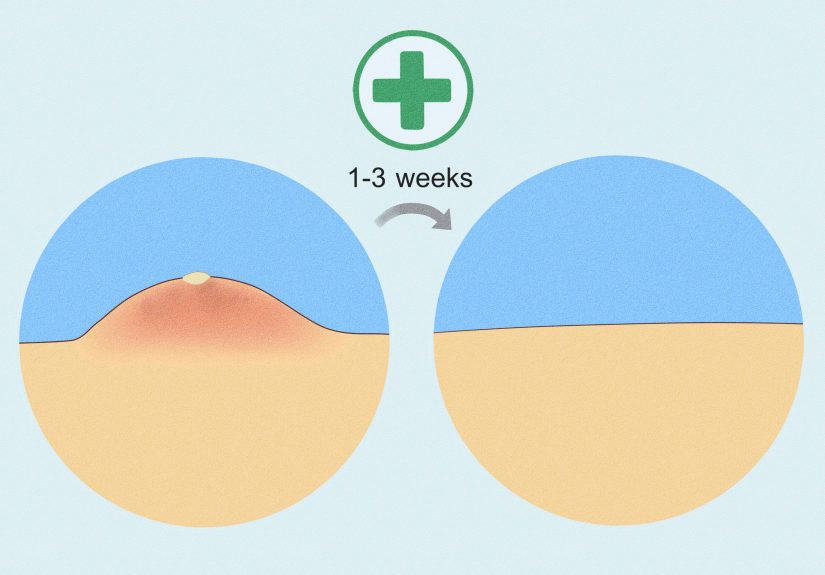
Many small boils improve within one to three weeks. Some drain on their own after several days of warm compresses. Once the pus drains, pain often improves, and the area gradually heals from the inside out.
Healing time depends on size, location, immune health, whether the boil drains properly, and whether bacteria spread into nearby skin. A boil that keeps enlarging, becomes increasingly painful, or does not start improving should not be ignored.
How to Prevent Boils
You cannot prevent every boil, but you can reduce the odds. Prevention is mostly about protecting the skin barrier, reducing bacteria spread, and limiting friction.
Practical boil prevention tips:
- Wash hands often with soap and water
- Shower after heavy sweating or sports
- Keep cuts and scrapes clean and covered
- Avoid sharing towels, razors, washcloths, or uniforms
- Wear breathable clothing when possible
- Change sweaty clothes promptly
- Use clean razors and avoid shaving over irritated skin
- Wash bedding and towels regularly
- Keep reusable athletic gear clean
- Talk to a doctor if boils keep returning
If you get frequent boils, your healthcare provider may look for underlying causes such as diabetes, immune issues, skin conditions, or staph carriage. Sometimes a prevention plan includes special antiseptic washes, prescription ointments, or household hygiene steps, but these should be guided by a professional.
Boils in Children and Teens
Boils can happen in children and teenagers, especially in areas exposed to sweat, sports equipment, tight clothing, or shaving irritation. A small boil may respond to warm compresses and good hygiene, but parents or guardians should be involved if the boil is painful, draining, spreading, or located on the face.
Because teens may feel embarrassed, it helps to treat the situation calmly. A boil is a skin infection, not a character flaw. The priority is safe care, clean bandages, and avoiding the temptation to pop it before a dance, game, or photo day. Skin has terrible timing, but it usually heals better when treated gently.
Boil vs. Pimple: How to Tell the Difference
A pimple is usually smaller and related to clogged pores, oil, and acne bacteria. A boil is usually deeper, more painful, warmer, and more swollen. Boils often feel like a firm lump under the skin and may grow quickly over several days. They can also drain thicker pus than a typical pimple.
If a “pimple” becomes very painful, keeps enlarging, feels hot, causes fever, or sits deep under the skin, treat it as a possible boil and avoid squeezing it.
Real-World Experience: What Treating a Boil Often Feels Like
Anyone who has dealt with a boil knows the experience is not just medical; it is also annoying, awkward, and weirdly dramatic. One day, there is a tiny sore bump. The next day, your skin acts like it has launched a construction project without asking permission. The area feels tender when clothing rubs against it. Sitting, walking, shaving, exercising, or even sleeping on the wrong side can suddenly become a negotiation.
The first practical lesson is patience. Many people want fast results, but boils do not care about your schedule. Warm compresses work best when repeated consistently, not when done once while staring at the mirror and demanding miracles. A clean warm cloth three or four times daily may feel boring, but boring is often exactly what the skin needs. Gentle, steady care usually beats aggressive “fixing.”
The second lesson is that popping is tempting for a reason: pressure hurts. When a boil feels tight and swollen, squeezing may seem logical. But many people who try it learn the hard way that squeezing can make the surrounding skin angrier. The pain may increase, redness may spread, and healing may take longer. A boil is not a regular pimple. It is deeper and more infection-prone, so the “just pop it” strategy is a bad trade.
The third lesson is hygiene without panic. You do not need to bleach your entire house or treat your laundry basket like a biohazard movie prop. But you should be sensible. Use your own towel. Wash your hands. Keep the boil covered if it drains. Change bandages. Wash clothing and bedding that touched the area. These small habits help prevent bacteria from traveling to other parts of your skin or to someone else.
The fourth lesson is knowing when pride should leave the room. A boil on the face, a rapidly spreading infection, fever, intense pain, or repeated boils should be checked. Some people delay care because they feel embarrassed, especially when the boil is in a private or inconvenient area. Healthcare providers have seen it all. Your “mortifying skin bump” is probably Tuesday afternoon for them.
Finally, prevention becomes easier after you understand your triggers. For one person, it may be sweaty workout clothes left on too long. For another, it may be shaving with an old razor, friction from tight jeans, shared sports towels, or irritated skin during hot weather. Once you spot the pattern, you can adjust: shower sooner, wear looser fabric, change razors, protect small cuts, or stop sharing personal items. Treating boils is partly about healing the current bump and partly about making your skin a less welcoming place for the next one.
Conclusion
Boils are common, uncomfortable skin infections that usually begin around a hair follicle. Many small boils can be treated at home with warm compresses, gentle cleansing, clean bandages, and time. The most important rule is simple: do not squeeze or cut a boil yourself.
Prevention comes down to clean hands, protected skin, personal-item boundaries, clean laundry, and reducing friction or irritation. But if a boil is large, worsening, recurrent, located on the face, or linked with fever or spreading redness, medical care is the smart move. Skin infections are easier to manage when they are treated early, calmly, and safely.